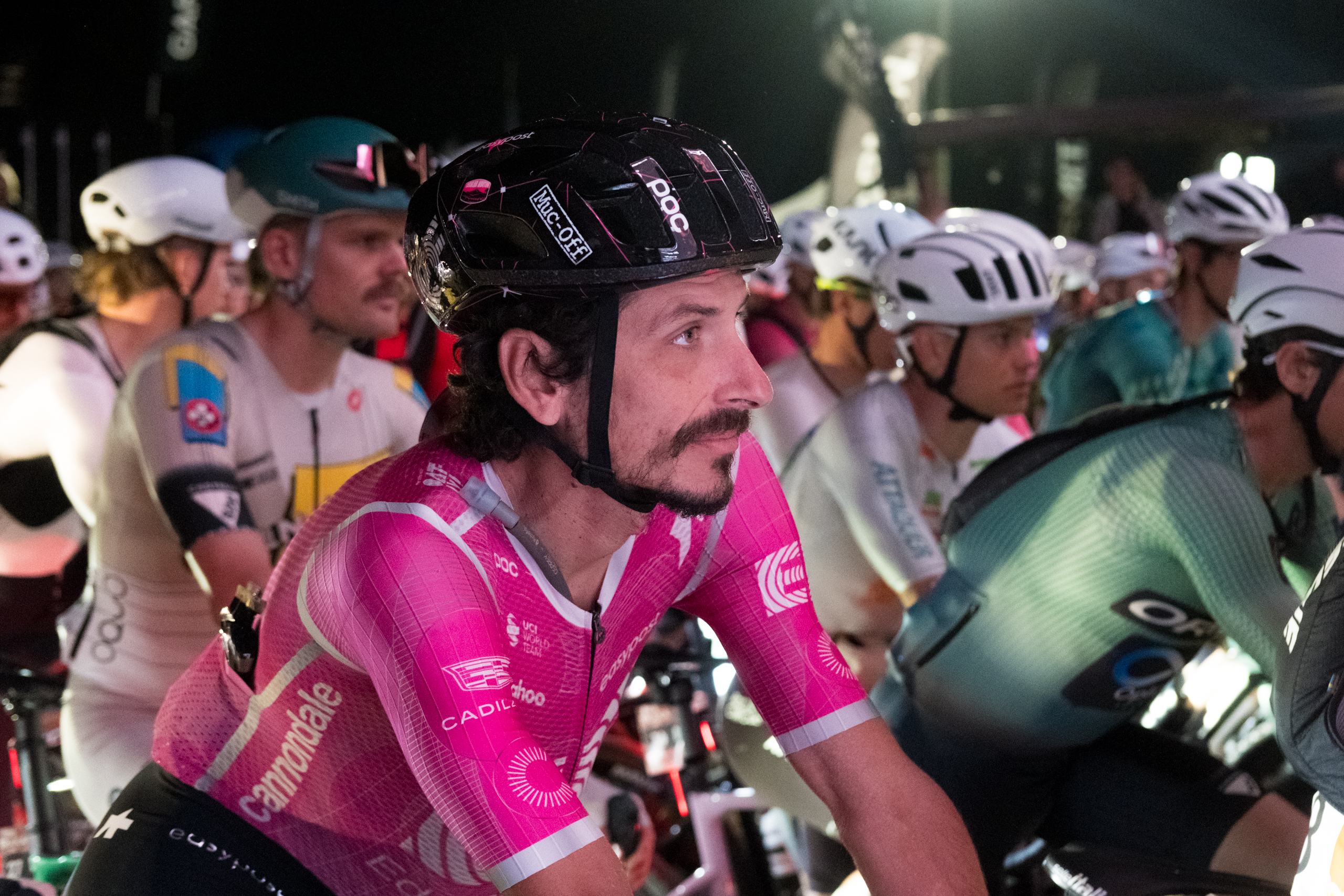
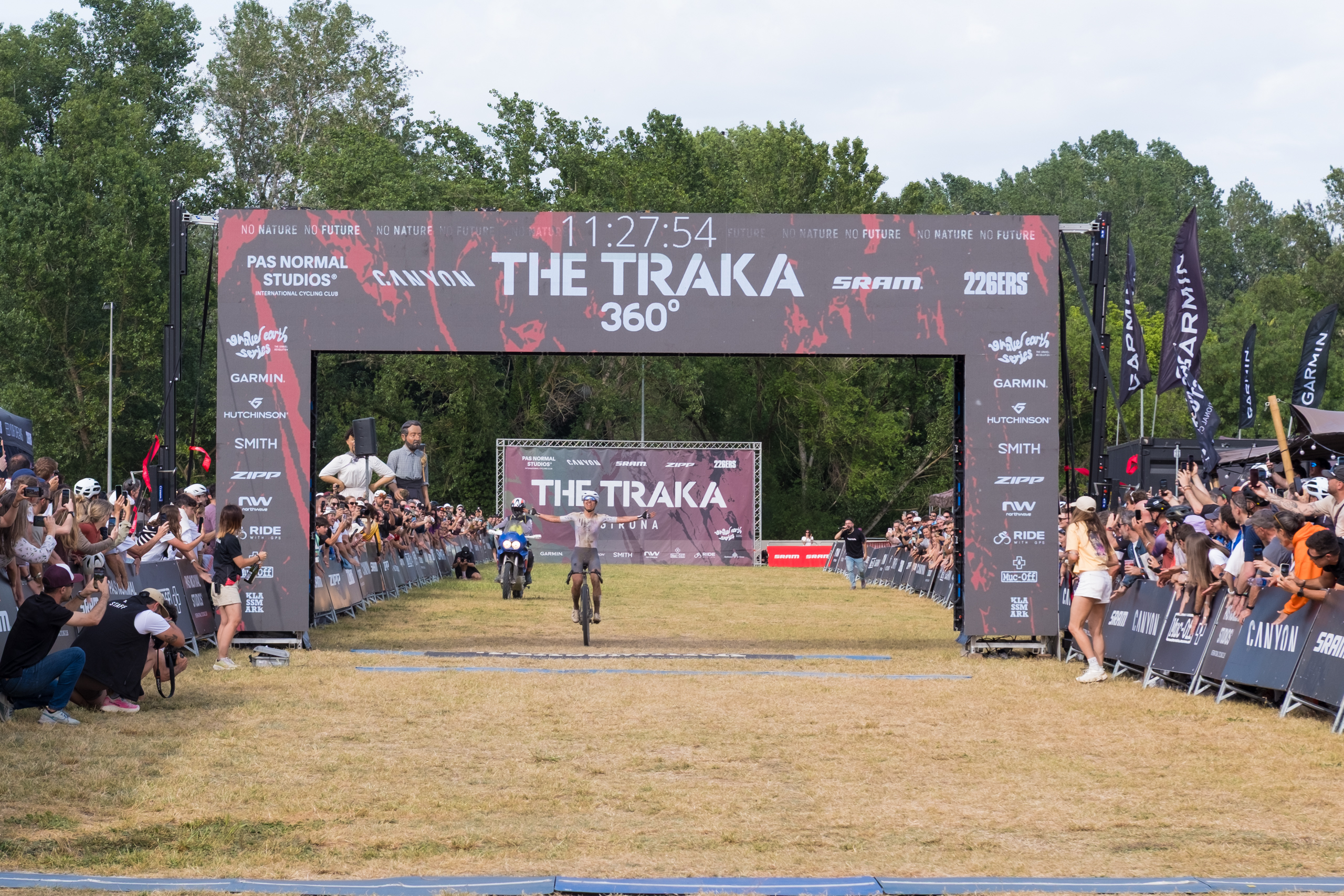
The Traka has not always been a full-week event attracting close to 5,000 participants from all corners of the globe. When we took part in the first edition back in 2019, the potential was there, but few anticipated where both the discipline and the Klassmark competition in particular would be at this point. What we experienced this week was an event that has clearly outgrown its original frame.
Nowadays, The Traka operates on multiple levels at once. At its core, it remains a race that demands respect. The distances are uncompromising, the terrain constantly shifting, and the margins small. Around that core, however, a wider ecosystem has formed, one that continues to expand each year and draws people for reasons that go well beyond competition.
The capital of gravel
During The Traka week, Girona shifts. The city’s established cycling identity becomes more concentrated, more visible, and even more international. Bikes are the topic of conversation all around the city, for better or worse.
The streets fill with bikes at all hours, the locals hopelessly indicate cyclists which streets are allowed for bikes, and the rhythm of the week begins to revolve around shared routines that mix a preparation truncated by networking events, racing with varied ambitions, and a recovery also put on hold by the after parties that gather winners, non-finishers, and everything in between.
Growth is evident in participation numbers and in the range of distances offered, but it is more clearly felt in this shift in atmosphere. The Traka has become a fixed point in the calendar, a place where the gravel community gathers with intent rather than coincidence.
The expansion of brand presence
Alongside the riders, brands have established a significant and growing presence. What was once limited to sponsorship visibility has developed into a structured program of parallel activities that runs throughout the week. Group rides, product presentations, informal talks, and evening events now form a secondary schedule that sits alongside the race itself.
Established bike brands approached the week with a clear strategy, creating spaces that encourage interaction rather than simple exposure. Others decided to combine forces to target broader audiences. In one way or another, all cafés and even some casual ships in the Barri Vell neighbourhood were taken over by cycling brands.
Most of these parallel events took place on Wednesday or Thursday, before the racing program kicked off. We aimed to attend as many as possible but, even if one could jump from one to another in a matter of seconds, the evenings felt extremely short.
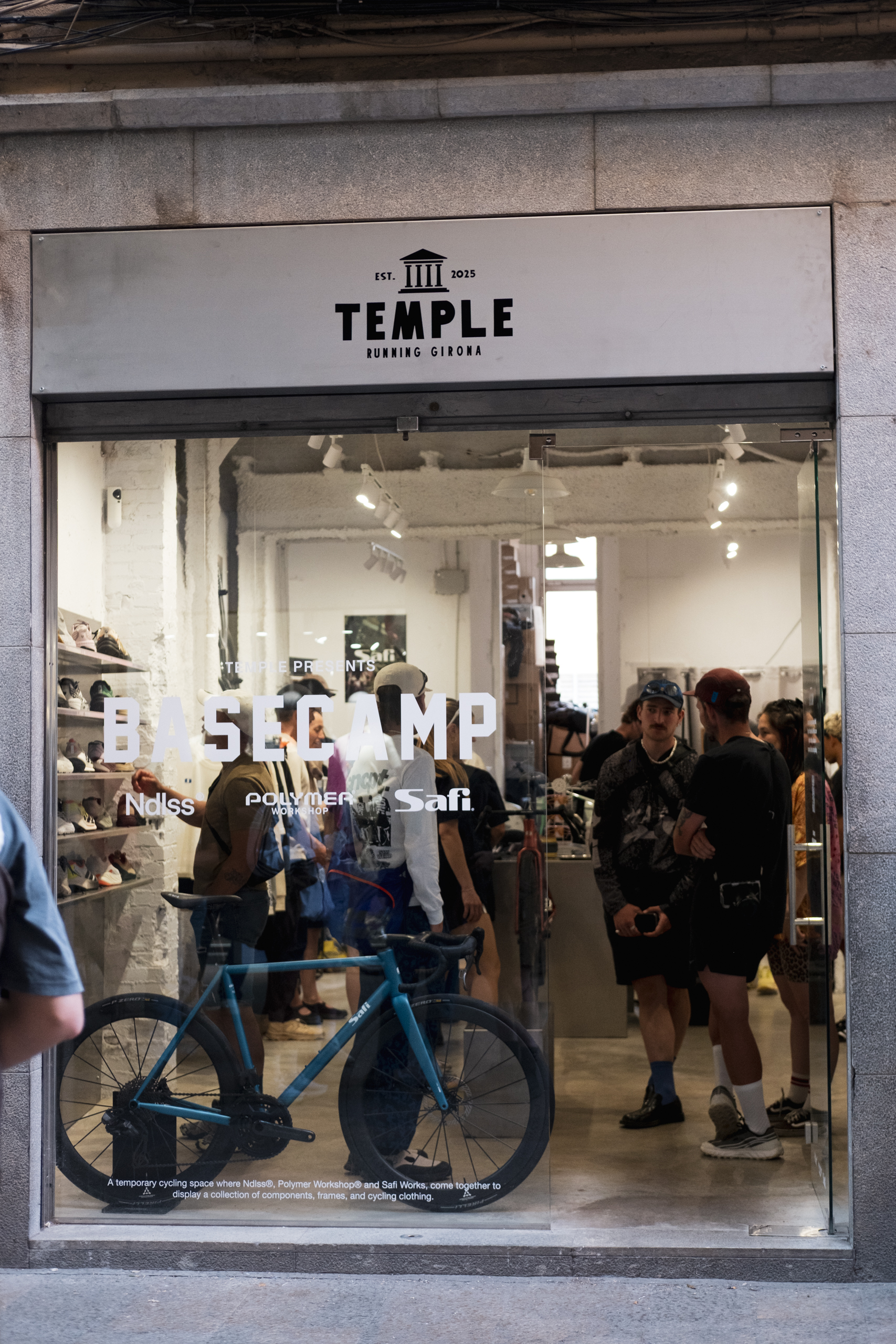
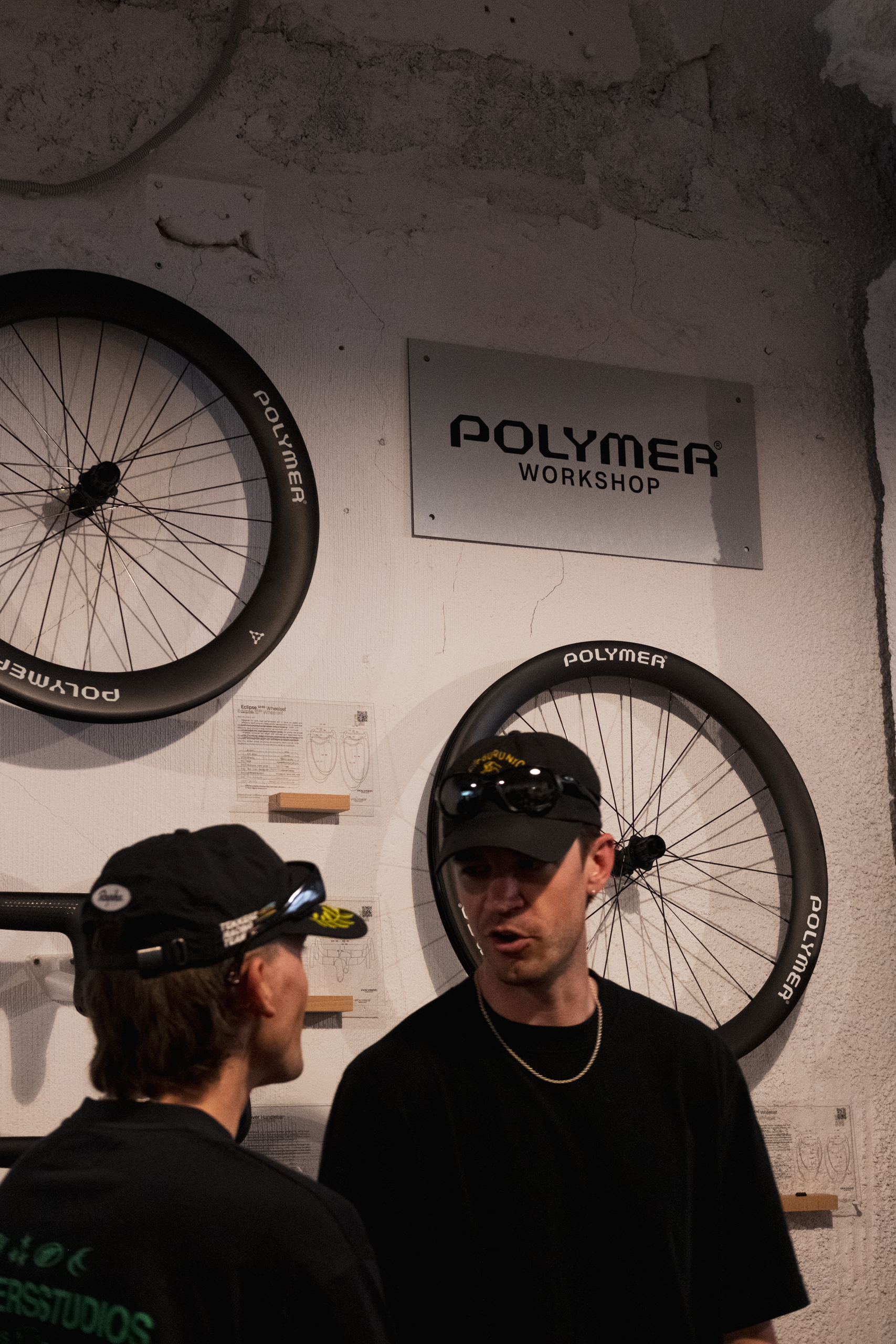
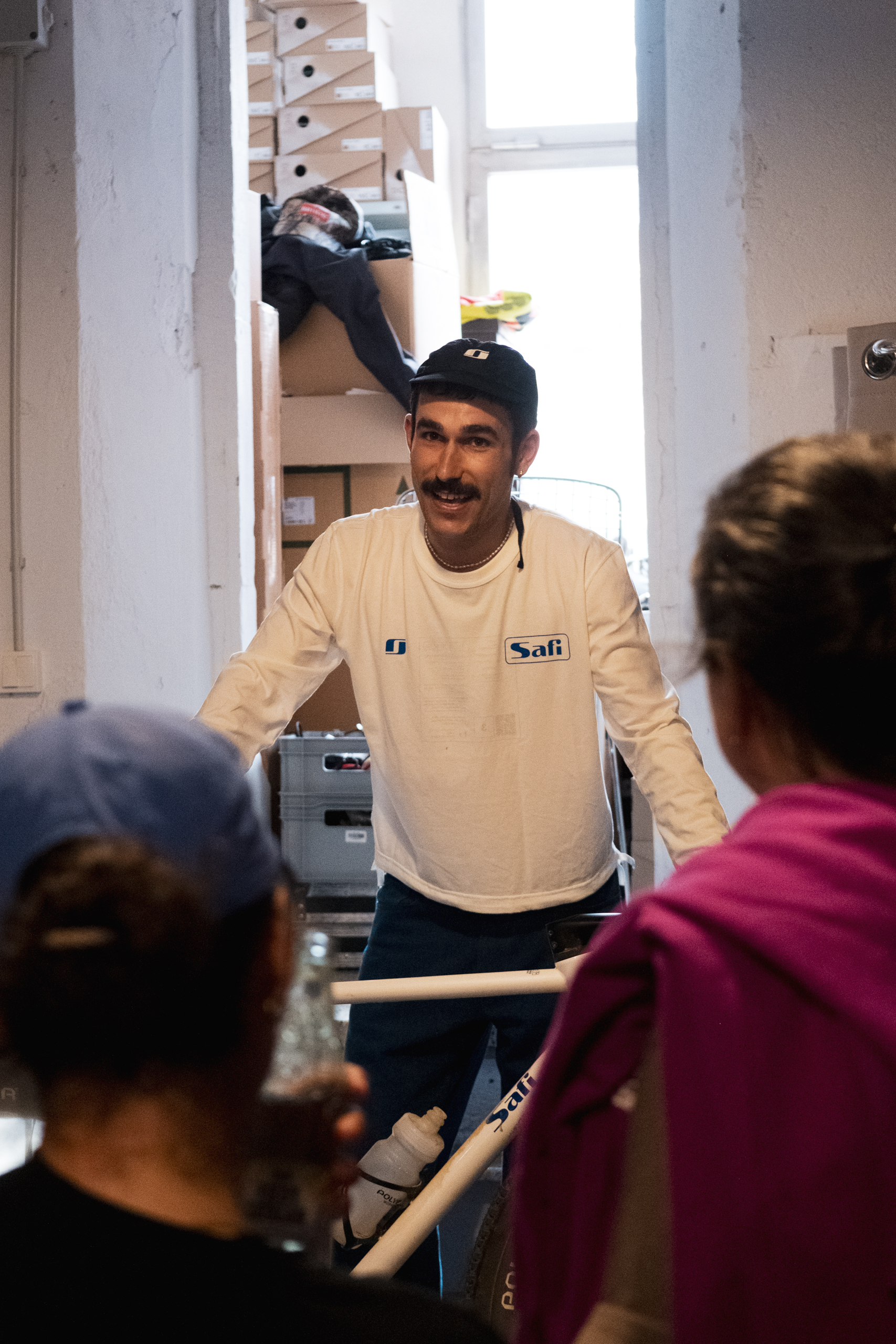
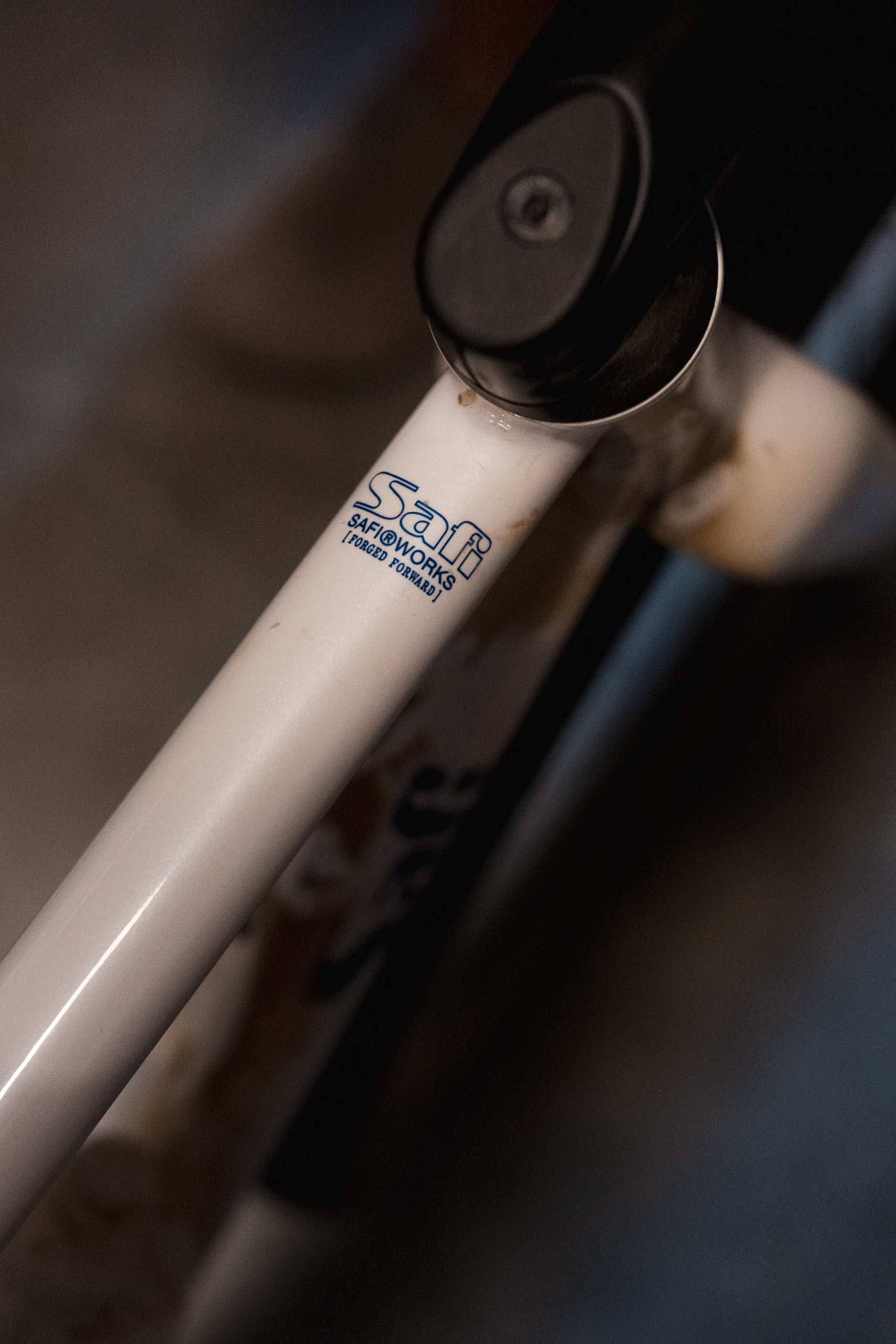
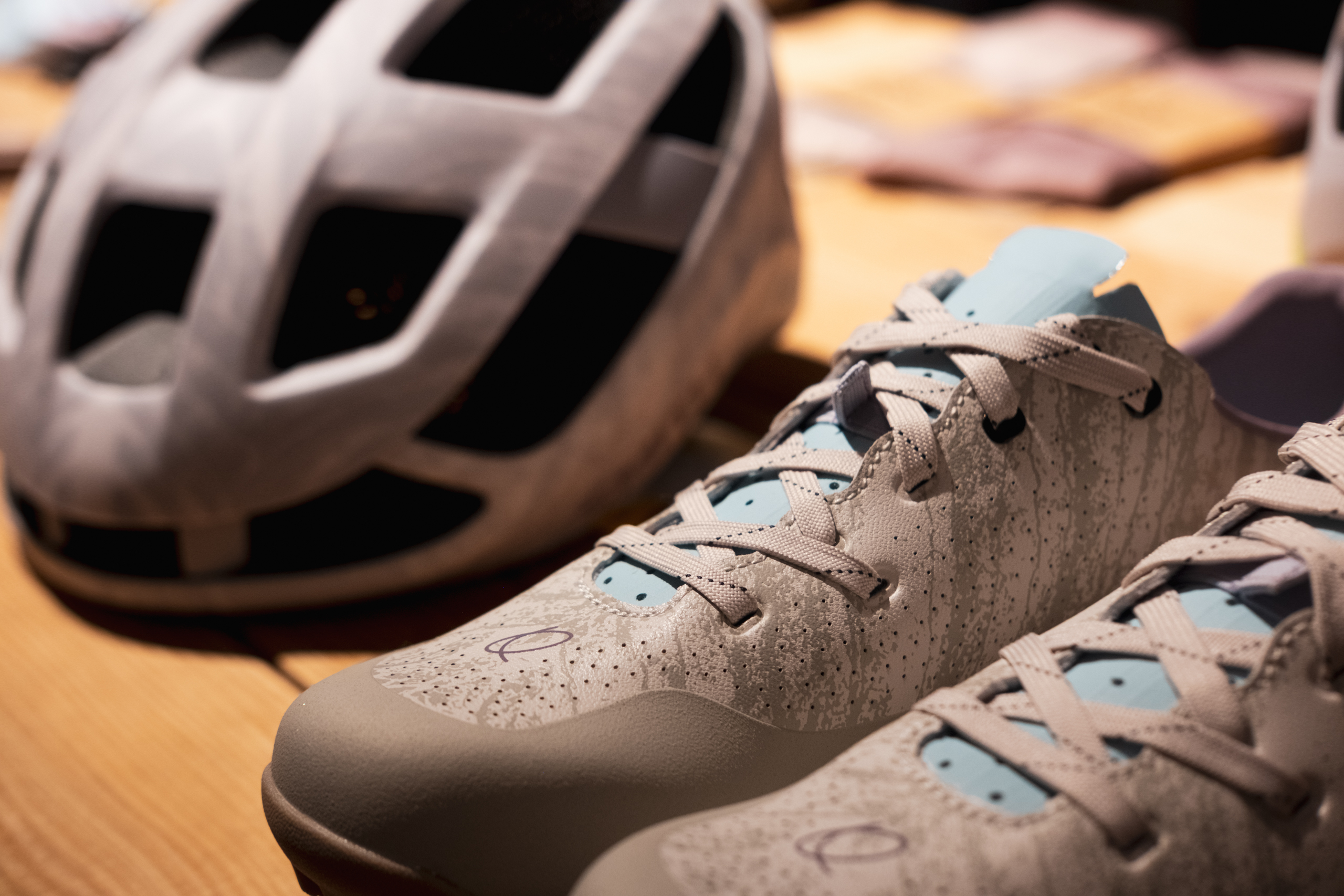
As a store that focuses on running but welcomes any like minded brand of the outdoor sports scene, Temple Running was during The Traka week the “basecamp” where Ndlss, Polymer Workshop and Safi Works came together to showcase a collection of components, frames, and cycling apparel. Jimbo from Safi presented the relaunch of his bike brand, and the place was the meeting point for informal gatherings across the week.
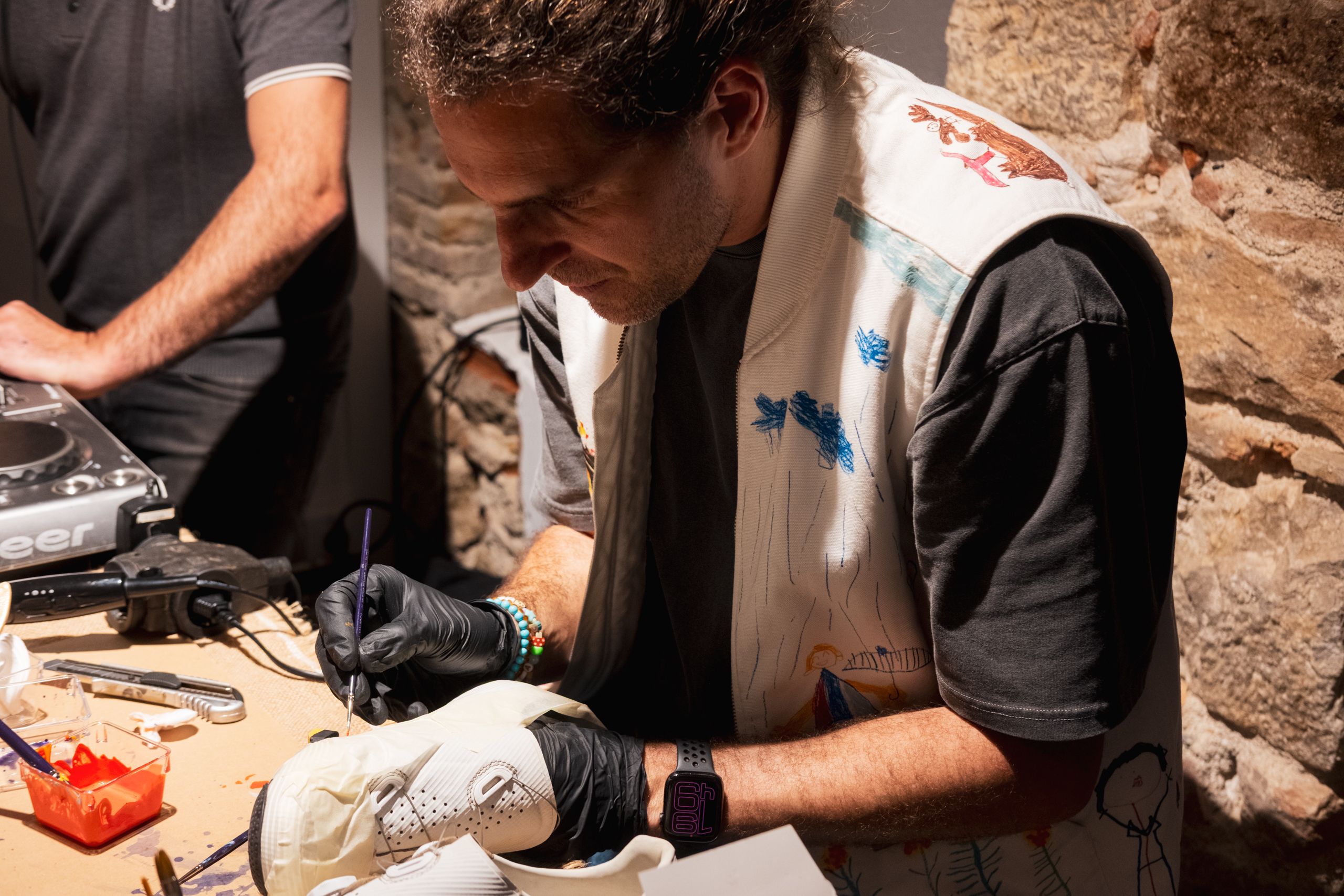
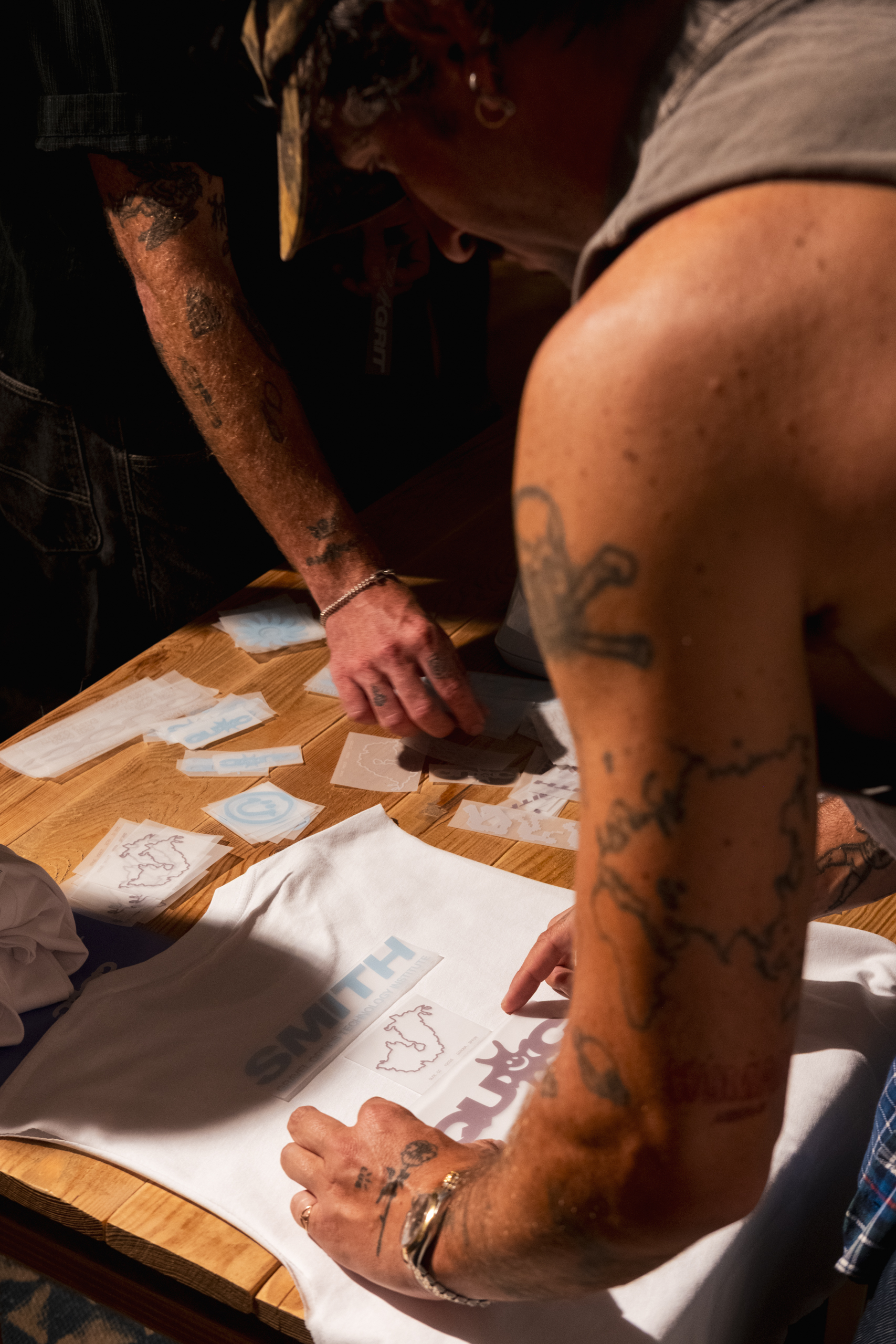
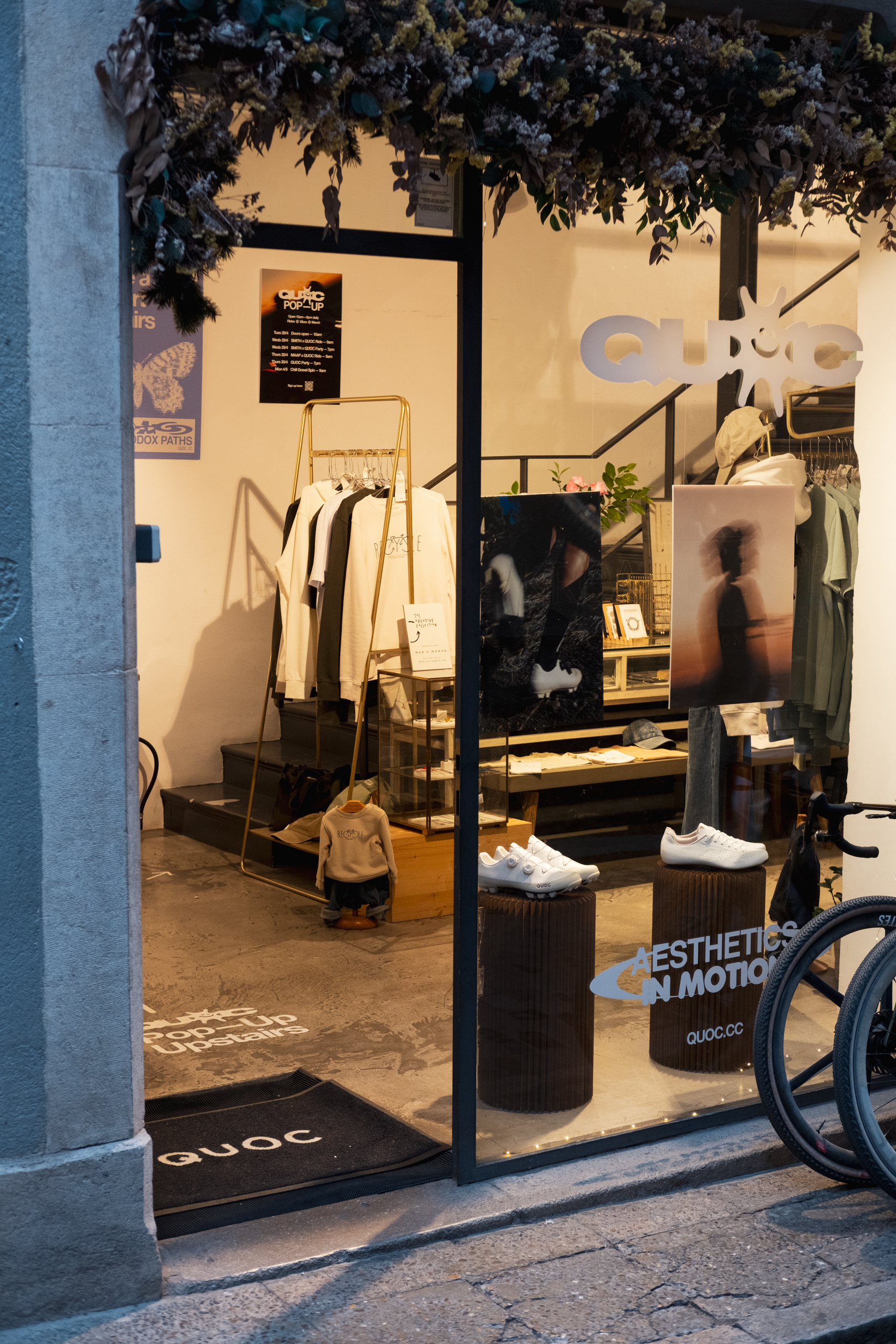
The QUOC pop-up became a true hub for community fostering and brand activations, as social rides and parties were combined on a packed agenda to target all the spectrum of gravel enthusiasts. Either on its own or together with brands like SMITH, MAAP or Chamois Butt’r, several clever activities were organized with the needs of the athlete in mind, including a post race express massage free of charge.
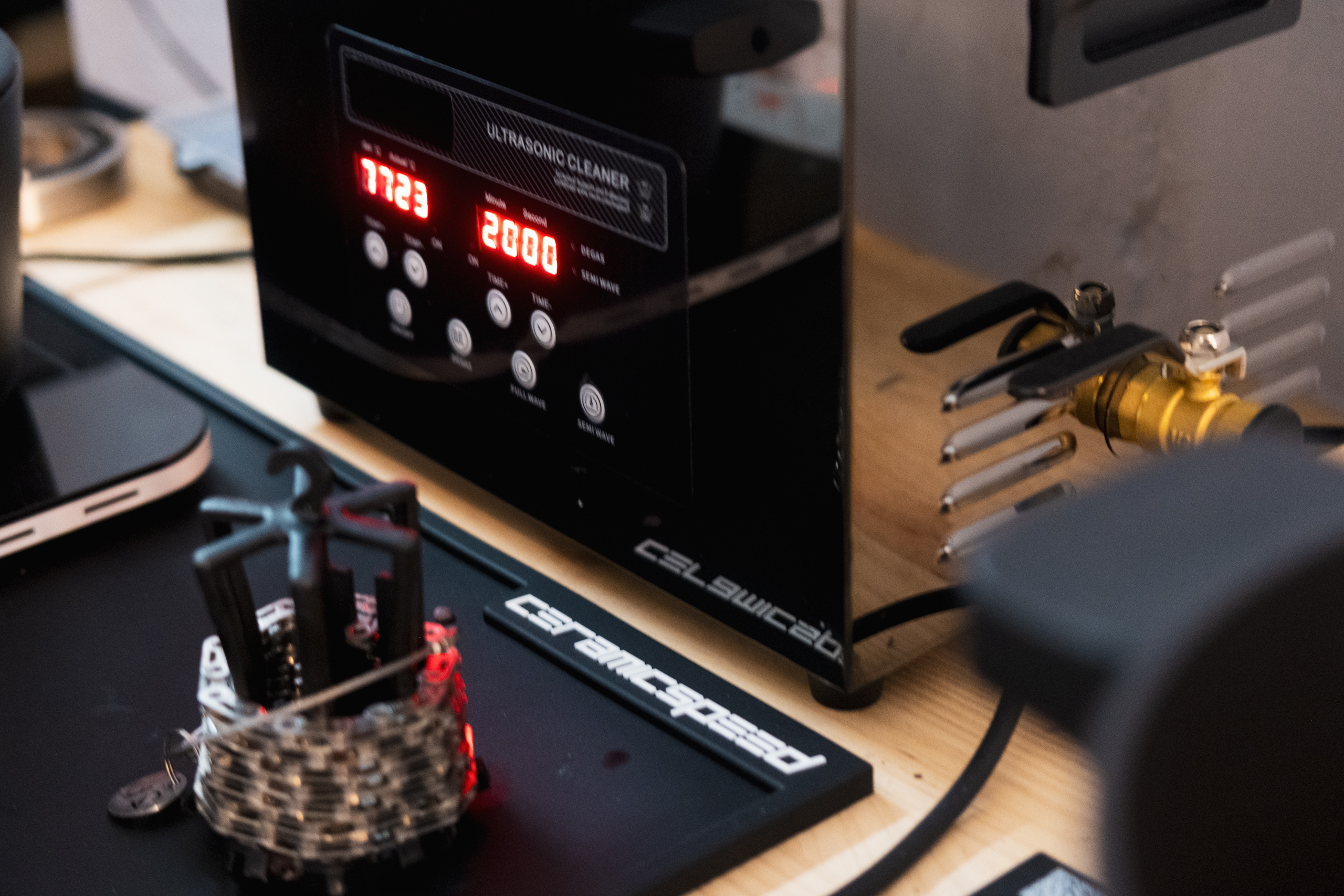
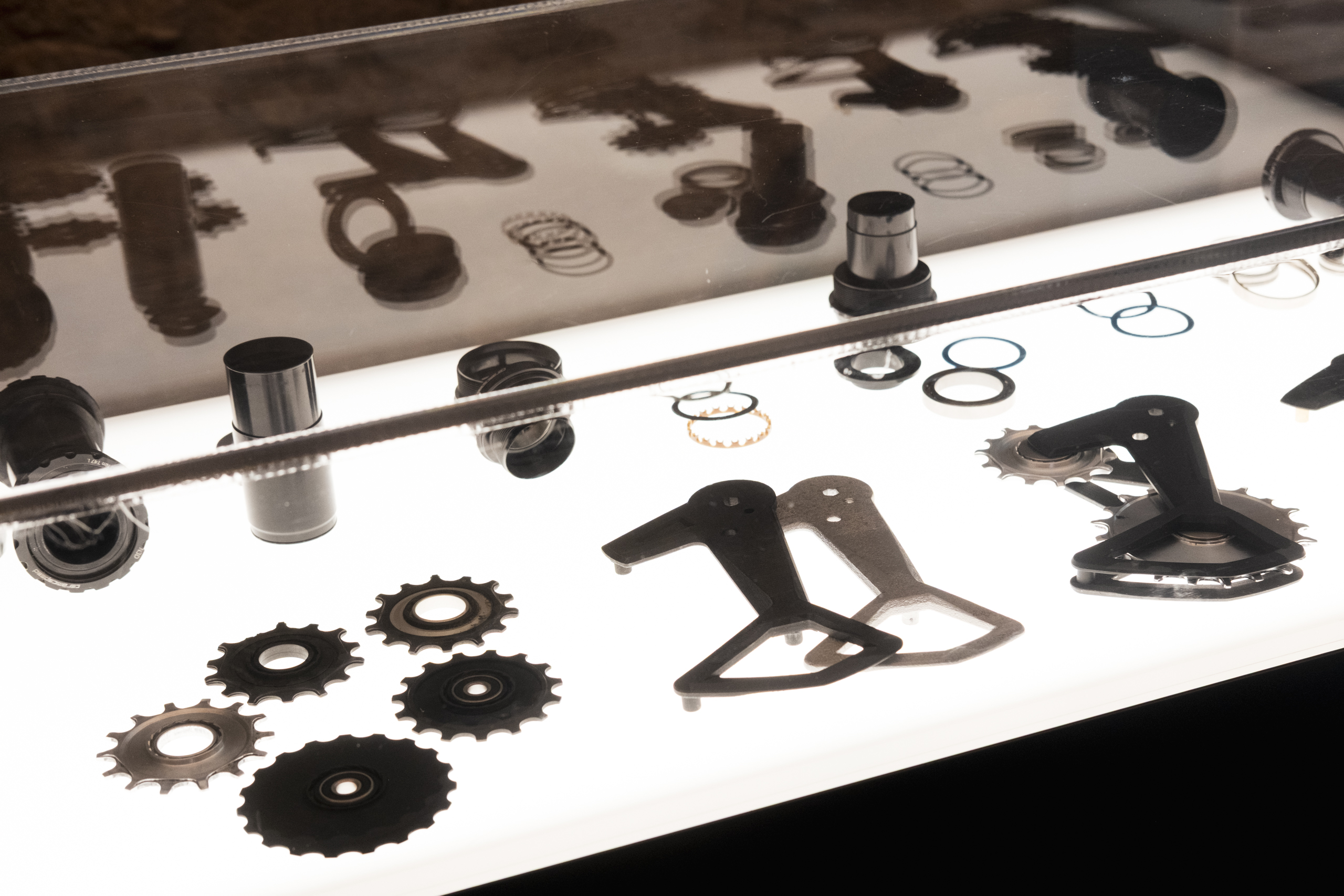
Another non-lucrative service we would like to highlight is the chain wax lab by CeramicSpeed. Those participating in any of the distances at The Traka could pass by the temporary space of Danish brand to get a hot wax treatment for their chain ahead of the race.
This shift reflects a broader change in how the industry engages with events. Presence alone is no longer enough. Brands are looking to create experiences that hold attention and foster connection, using the density of the Traka week to build relationships that extend beyond a single activation.
The new paradigm in product launches
One of the clearest indicators of this shift is how brands are choosing to introduce new products. Where the industry once relied heavily on traditional trade shows such as Eurobike, the focus has increasingly moved toward key moments in the racing calendar. The Traka has become one of those moments.
The reasoning is straightforward. During this week, Girona concentrates not only riders but also media, photographers, and industry figures. That density creates an environment where new bikes and components can be presented in context, tested immediately, and discussed within a highly engaged audience.
Some brands opt for open events, inviting riders to see and ride new equipment directly. Others organize presentations aimed at media, often under embargo conditions while products are still weeks away from public release. In both cases, the launch becomes part of the riding experience rather than a standalone announcement.
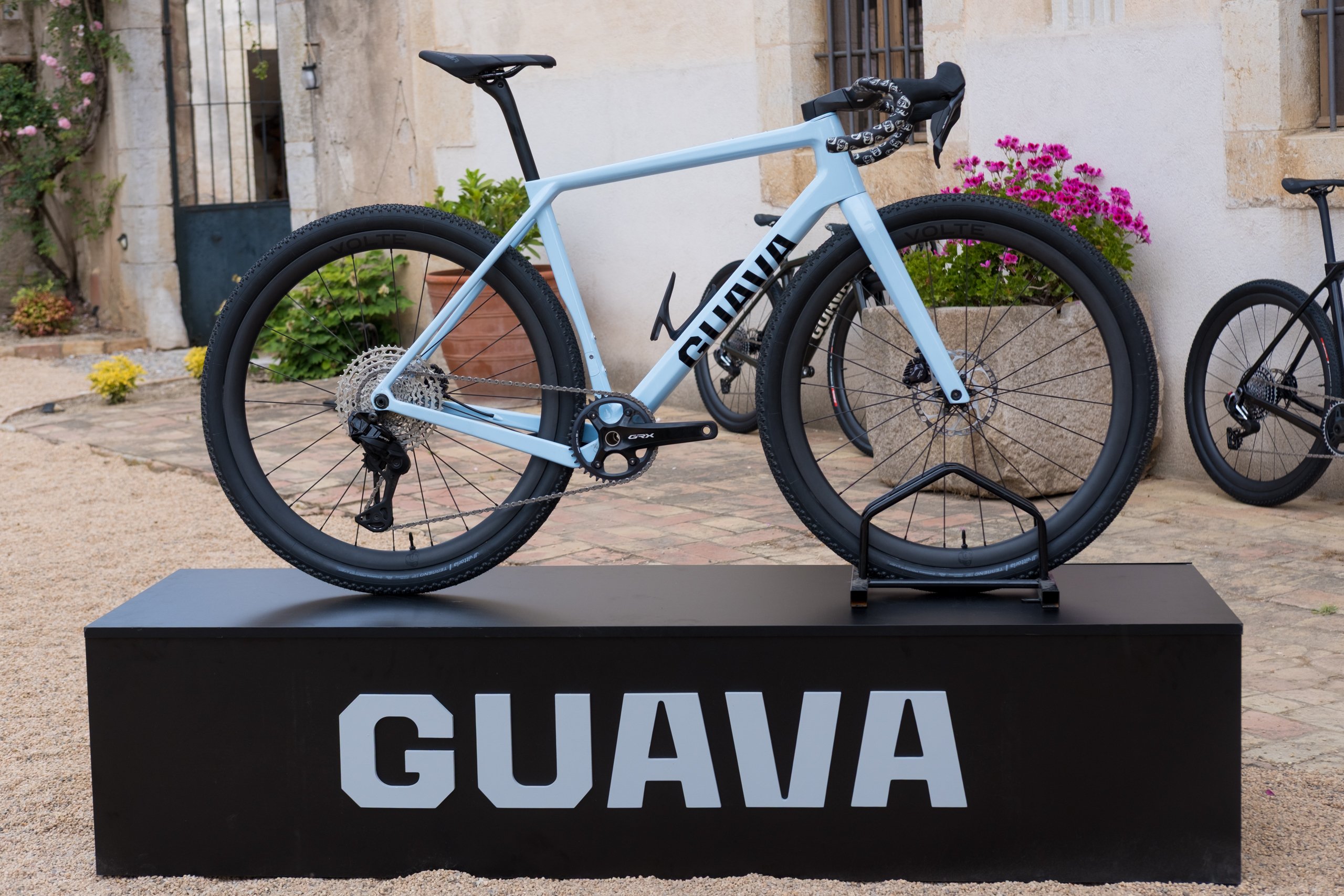
Guava organized a press event to present the bike they have just added to their portfolio, the ACE. This model evolves the ride experience of the original Spot, with the aim to be faster and more responsive, without losing the fun side that characterizes the brand from Barcelona.
The new frame is approximately 300 grams lighter, and tire clearance now sits at 54mm. A new proprietary 2-piece cockpit allows riders to choose any combination between their four stem lengths and two handlebar widths on offer.
Now they can offer a product that fulfills the needs of gravel riders that want to go faster, and as the best example, the day after the official launch Ben Perry finished 4th in The Traka 360.
The most relevant, official launch during the week was probably the BMC Kaius 01, the bike we then tested at The Traka 200, with a follow-up review coming in the next few days. Additionally, Factor unveiled the Sarana bike at the same time their sponsored rider Victor Bosoni was approaching the finish line of The Traka Adventure with the fastest time.
Balancing identity and scale
As the event grows, the question of identity becomes more pronounced. There is an ongoing tension between preserving the character that defined earlier editions and accommodating the scale that now defines the present one. It is a familiar dynamic in cycling, but here it feels particularly visible because of how quickly the transformation has taken place.
For now, that balance appears to hold. The Traka continues to offer moments that feel personal and unstructured, even as the broader framework becomes more organized and more visible.
An experience that extends beyond the race
Crossing the finish line no longer defines the end of the experience. Many riders remain in Girona for days after their event, taking part in rides, attending gatherings, or simply staying within the atmosphere that has built up over the week. The structure of the event encourages that continuity, but it is the collective presence of riders and brands that sustains it.
In that sense, The Traka has moved beyond its original definition. It remains a race of considerable difficulty and appeal, but it now functions equally as a meeting point and a platform. The growth is not only in size, but in scope, and it suggests a direction that other events are likely to follow.
What happens here over the course of a week offers a clear indication of where gravel cycling stands today. It also hints at how it may continue to evolve, shaped by the same forces that are currently redefining The Traka itself.