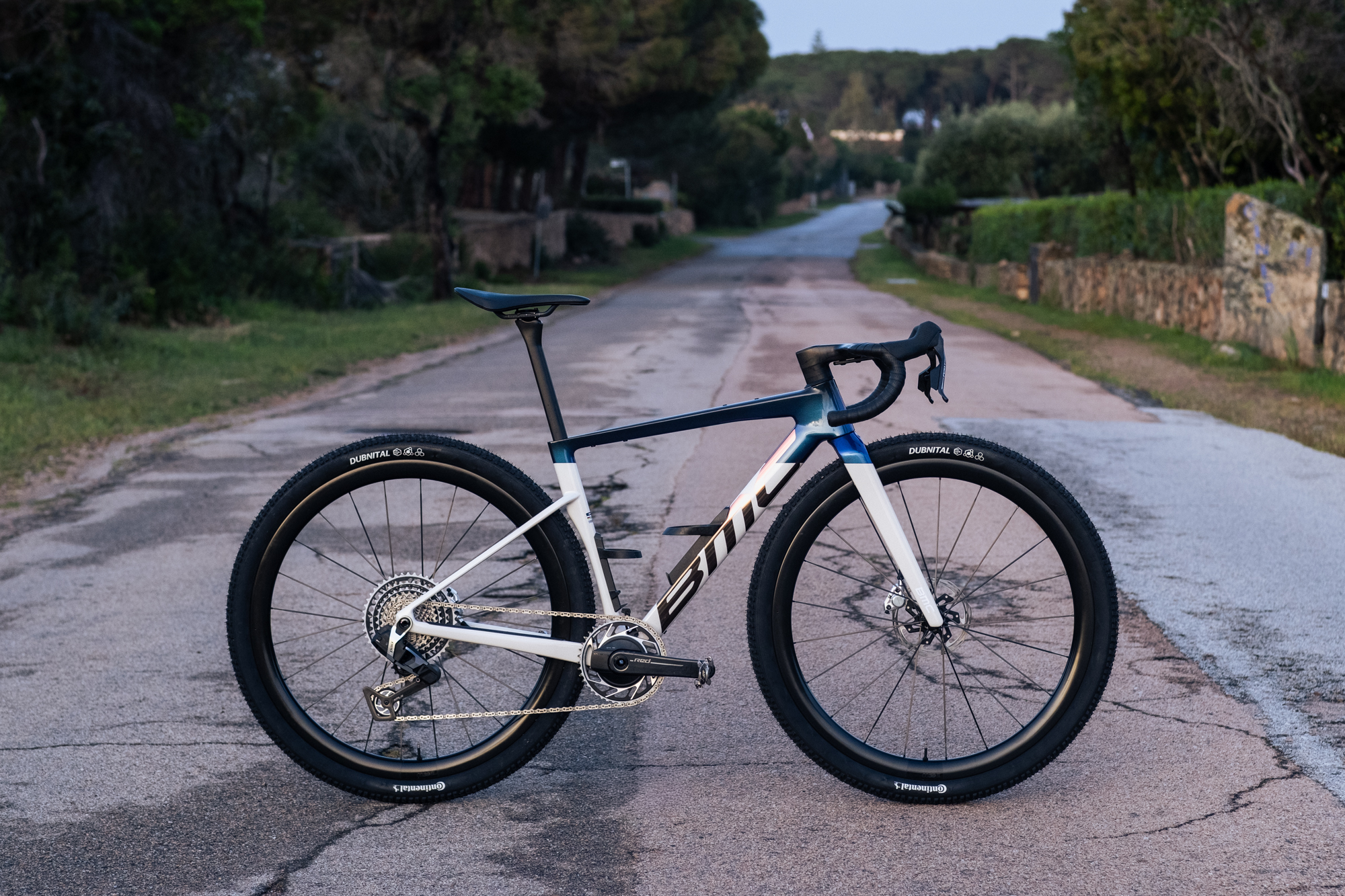
When we received BMC’s invitation to attend their latest presentation, the arrival of the new Kaius was an open secret. Given the excellent results of its predecessor, expectations were high across the attending media.
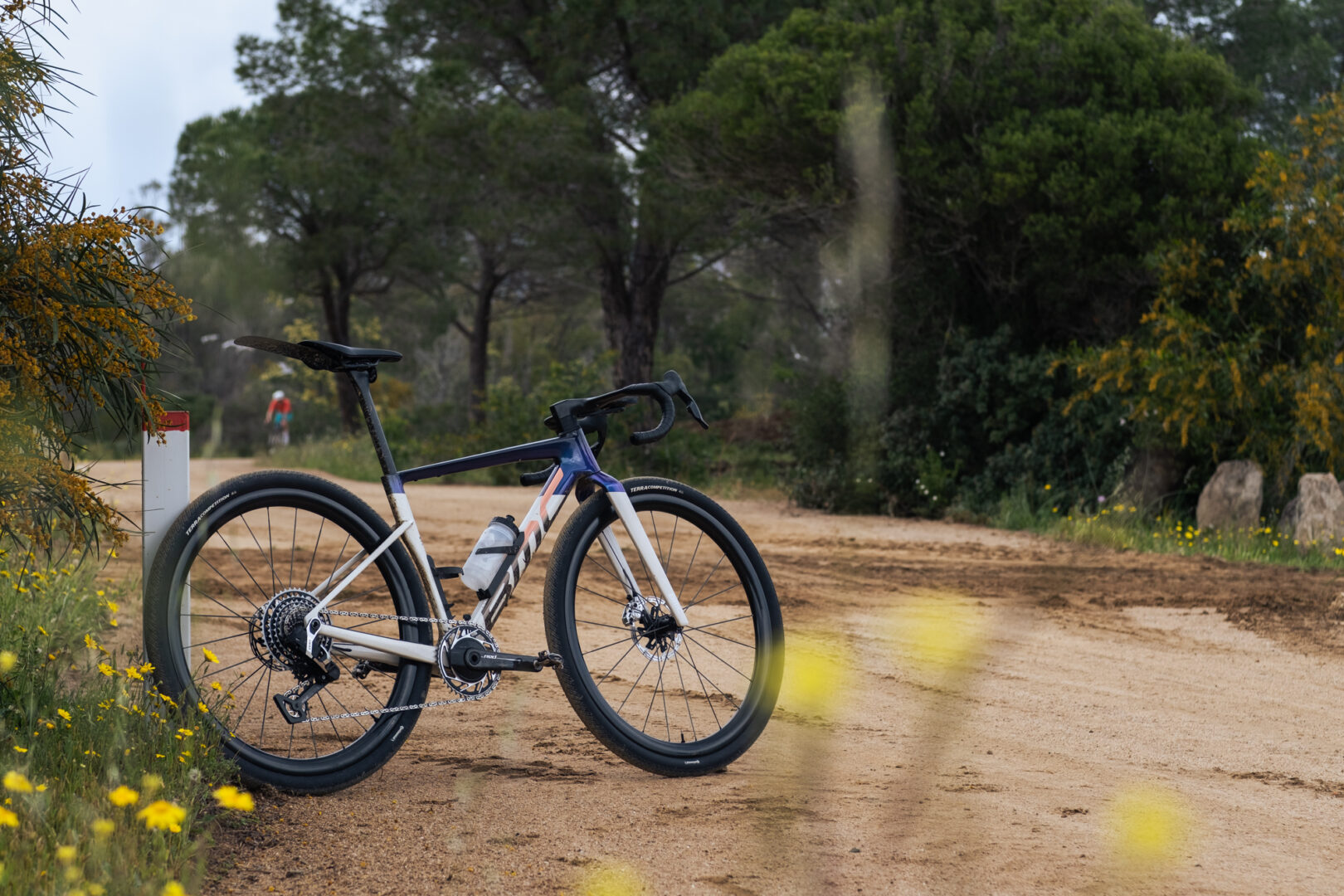
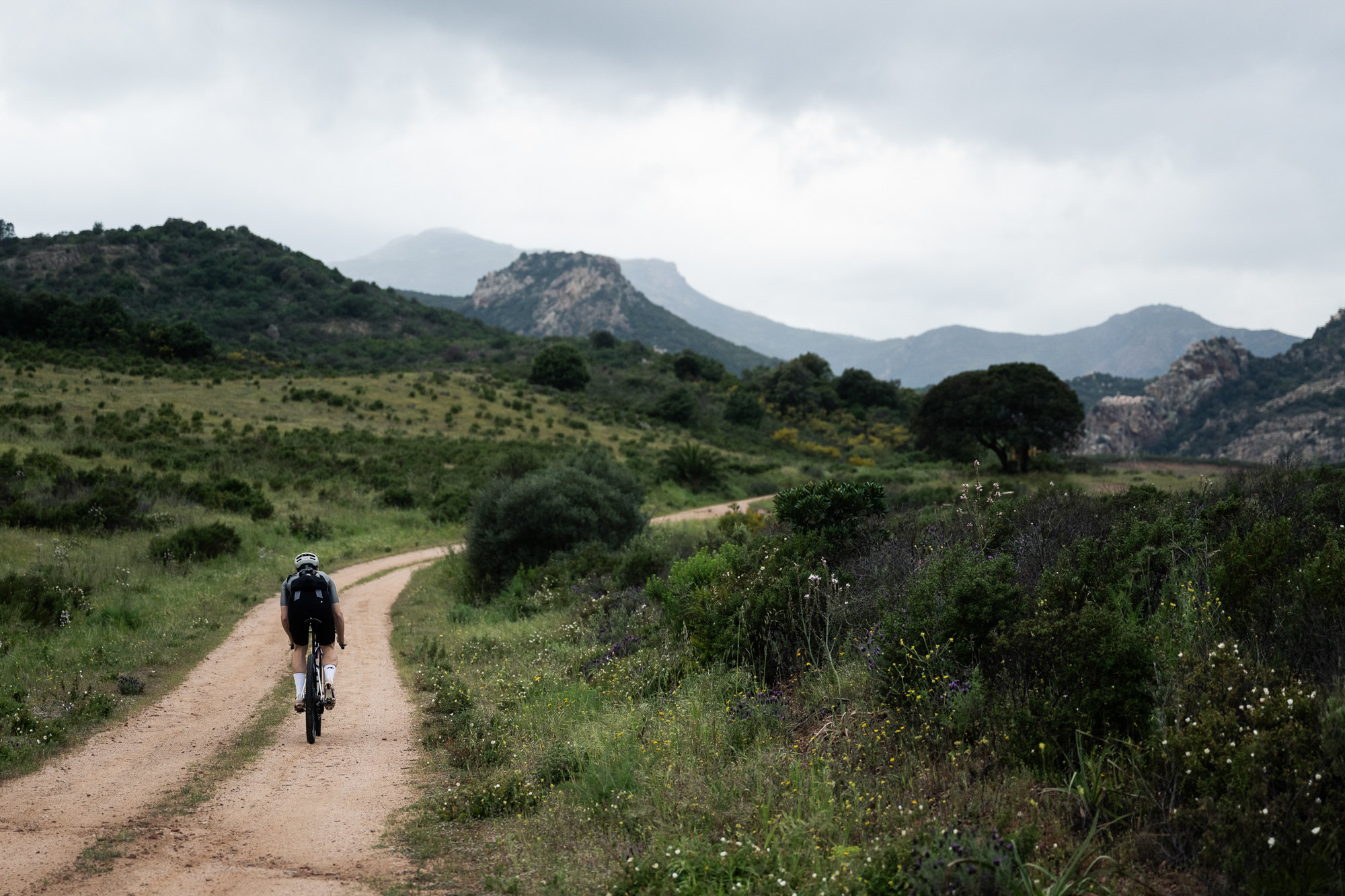
We traveled to Sardinia, Italy, to experience the new BMC Kaius 01 firsthand. The island is a perfect setting for a product test like this, especially at this time of year, when it’s not yet peak tourist season. A wide variety of trails to explore, covering all types of terrain, from smooth, rolling paths to more technical ones, where mountain bike skills come in handy. A very attractive landscape with a wild edge, perfect for getting the most out of the bike.
Gravel cycling is evolving fast, and brands are trying not to fall behind the market. Faster, more demanding, more competitive. The new Kaius is born precisely from this evolution, with a design that aims to go a step further: to be faster, more efficient, and, above all, more capable on any terrain. Achieving this and, furthermore, reducing the weight of its previous version, is a remarkable accomplishment.
Faster, more capable: the evolution of the Kaius
If there’s one thing that defines this new generation, it’s balance. BMC has focused on three key pillars: aerodynamics, stiffness, and weight. The interesting thing isn’t just that there are improvements in all of them, but that they’ve done so without compromising the overall performance. In fact, compared to its predecessor, the current Kaius is 63 grams lighter. That might not sound like much in another context, but considering the improvements made to this new bike, the difference is significant.
“The previous Kaius was already a fast bike, but this new one is on another level: stiffer, more aerodynamic, and overall, faster. It’s hard to imagine how much further they can improve it.” —Roman Holzer, rider of BMC Factory Racing
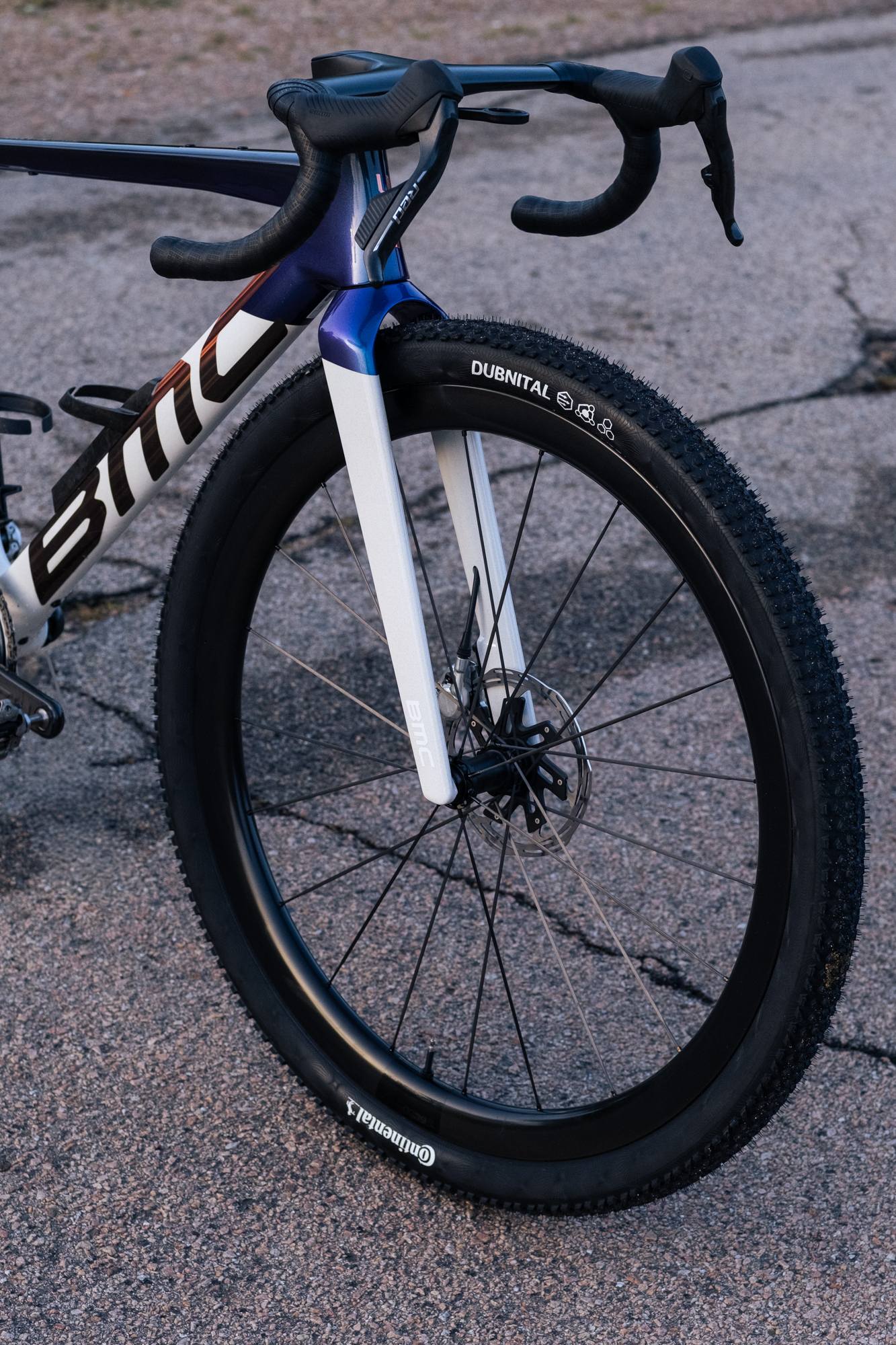
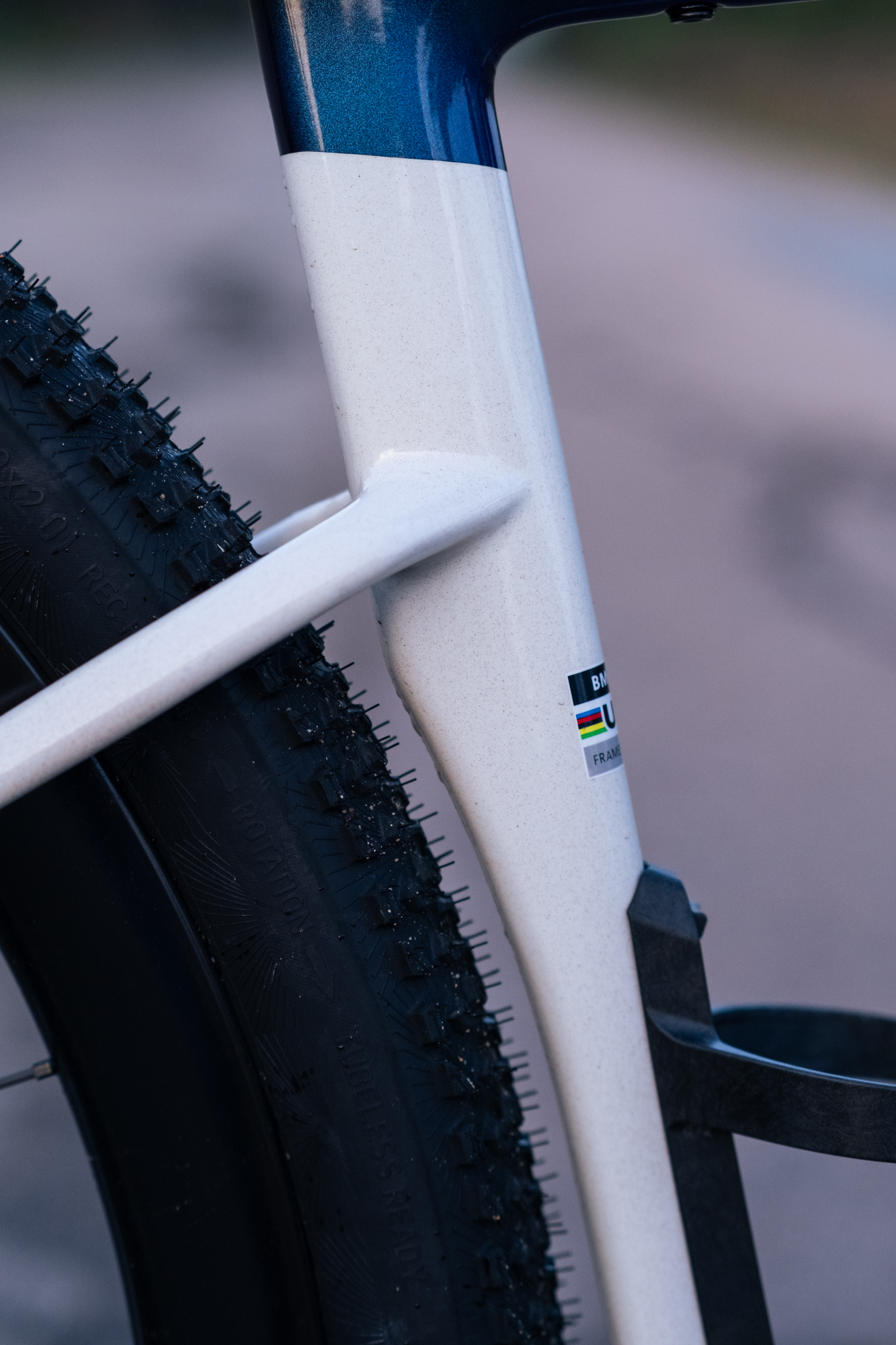
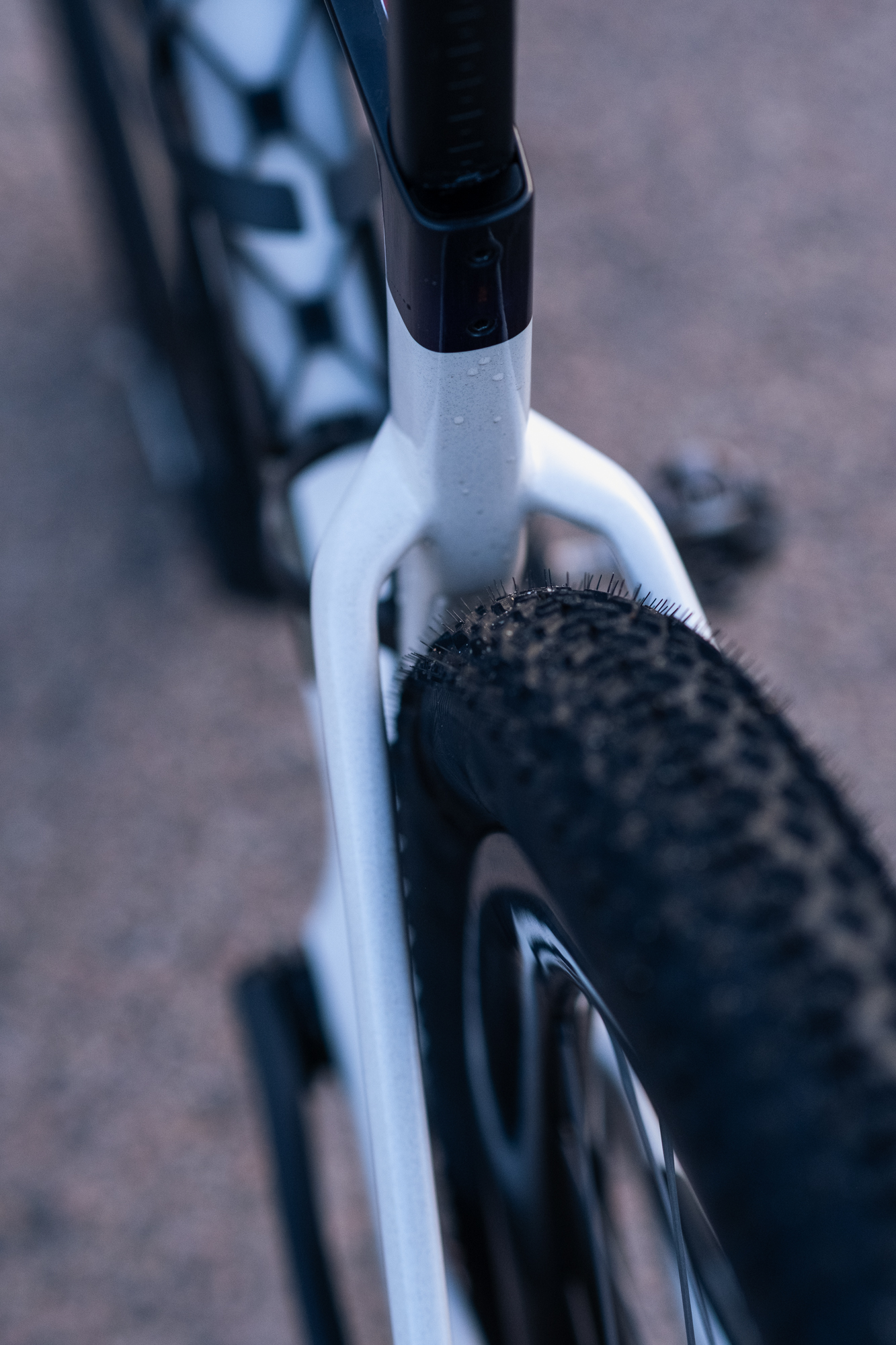
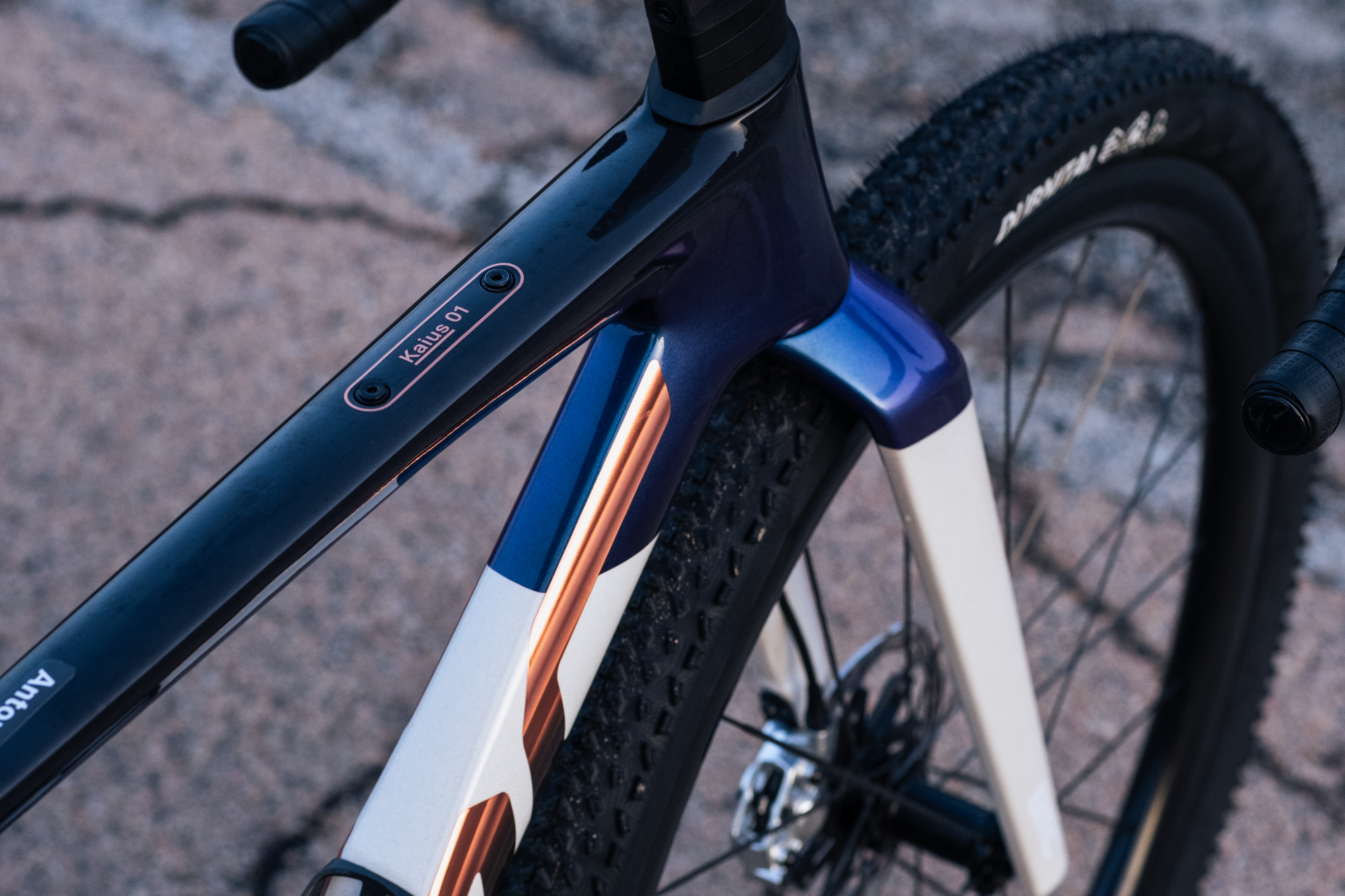
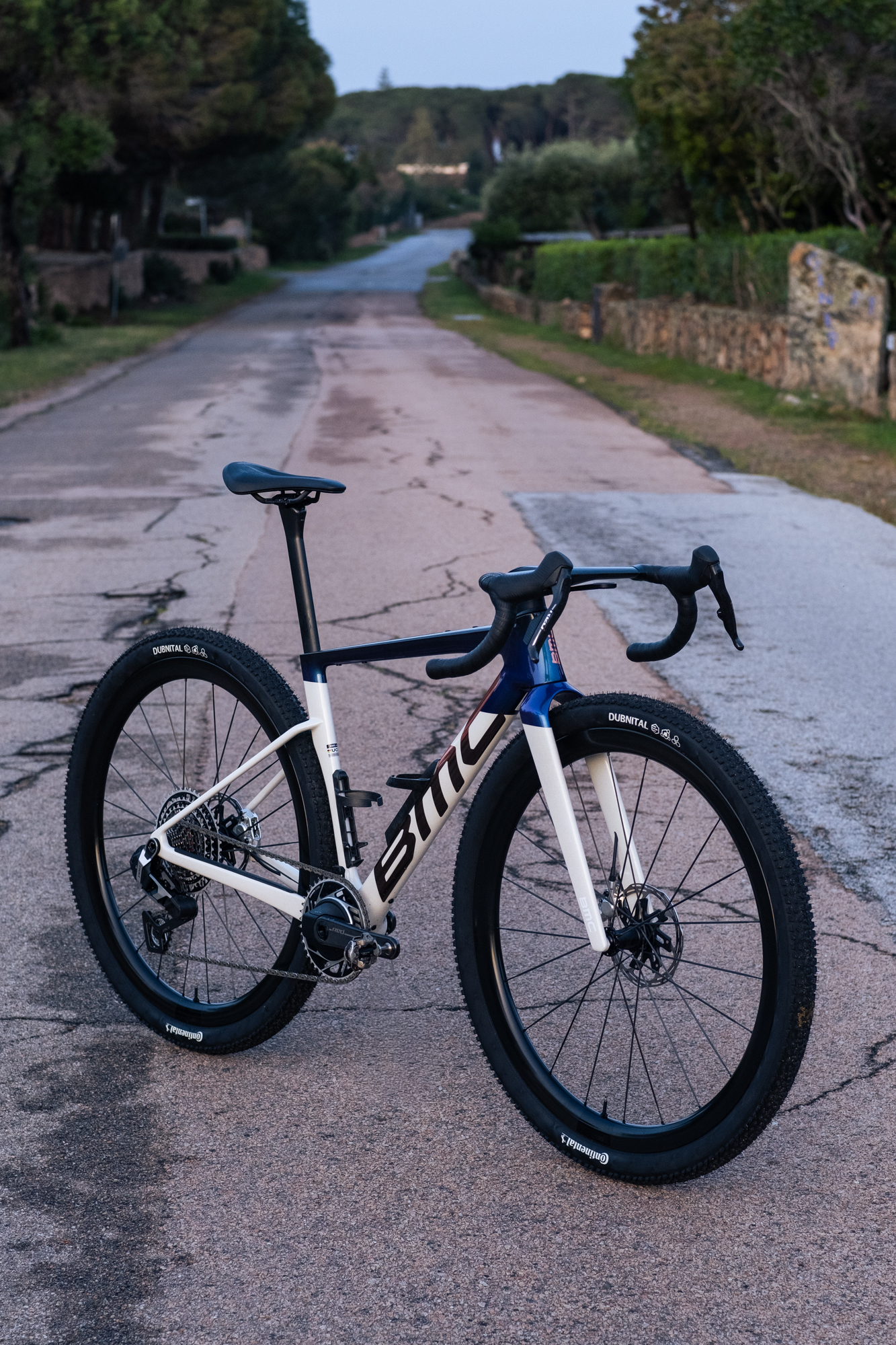
One of the most obvious changes is the increased tire clearance. The Kaius now features a new fork that allows tires up to 52 mm wide while maintaining the ISO standard of 6 mm of clearance, resulting in greater safety in real-world conditions without compromising performance.
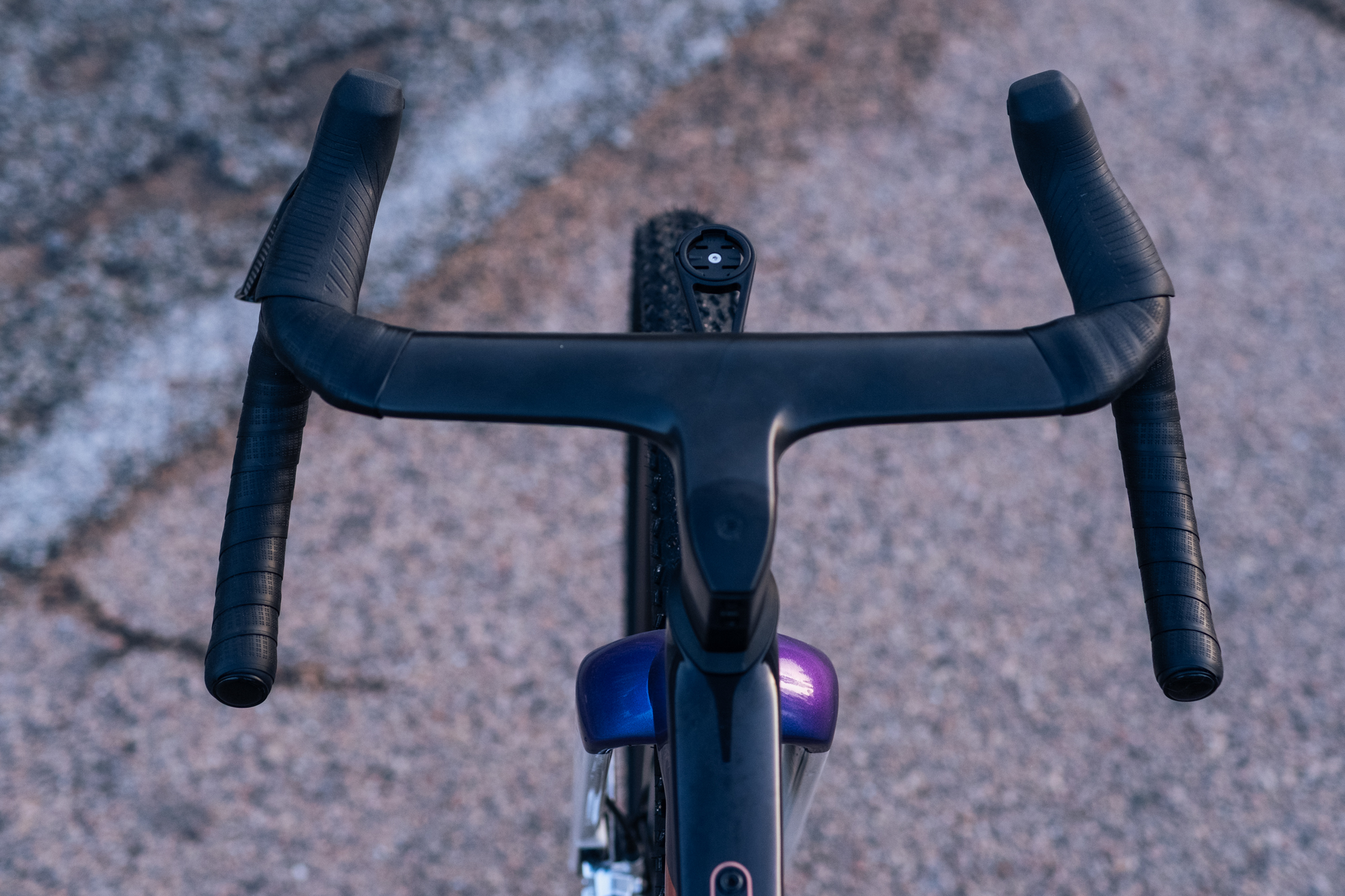
Another key feature is the new cockpit introduced by BMC a few months ago. A fully integrated, aerodynamic, and aesthetically clean system. Its greatest strength lies in its ease of maintenance. The new design allows for cable routing with minimal disassembly. Furthermore, it’s available in different stem widths and lengths, facilitating a more precise fit at the time of purchase.
The geometry has also evolved, albeit subtly. Based on rider feedback, adjustments have been made to the reach, stack, and bottom bracket height to achieve a more aggressive riding position without sacrificing stability. In addition, riders can choose from various seatpost setback options.
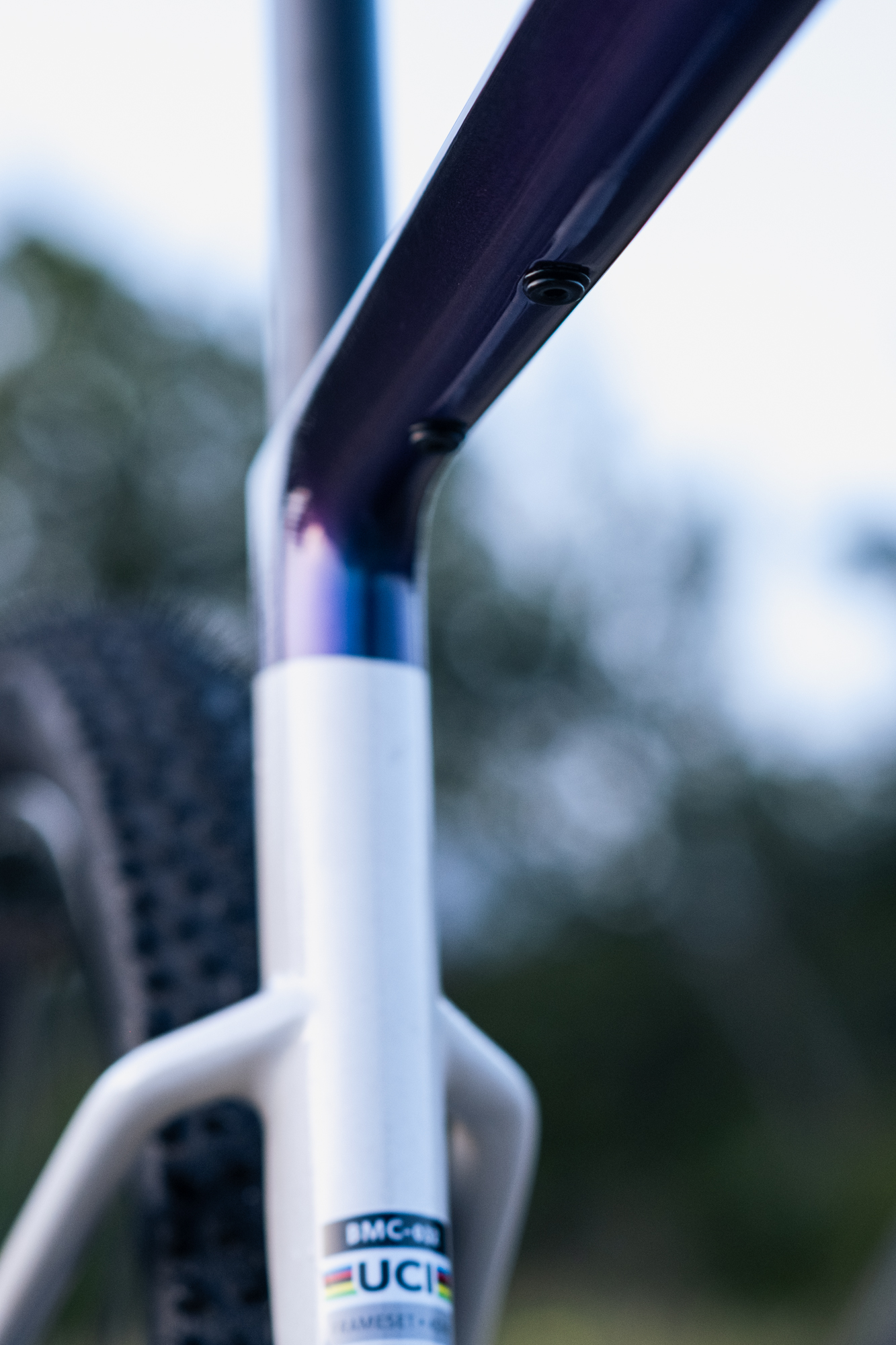
The seatpost itself is another element that makes a difference. Beyond its aerodynamic profile, it provides extra comfort thanks to its controlled-flex design and undoubtedly helps smooth out road imperfections.
“The riding position remains aggressive, but it’s now more balanced. Combined with the seatpost flex, the bike is more comfortable over long distances without sacrificing speed.” —Roman Holzer
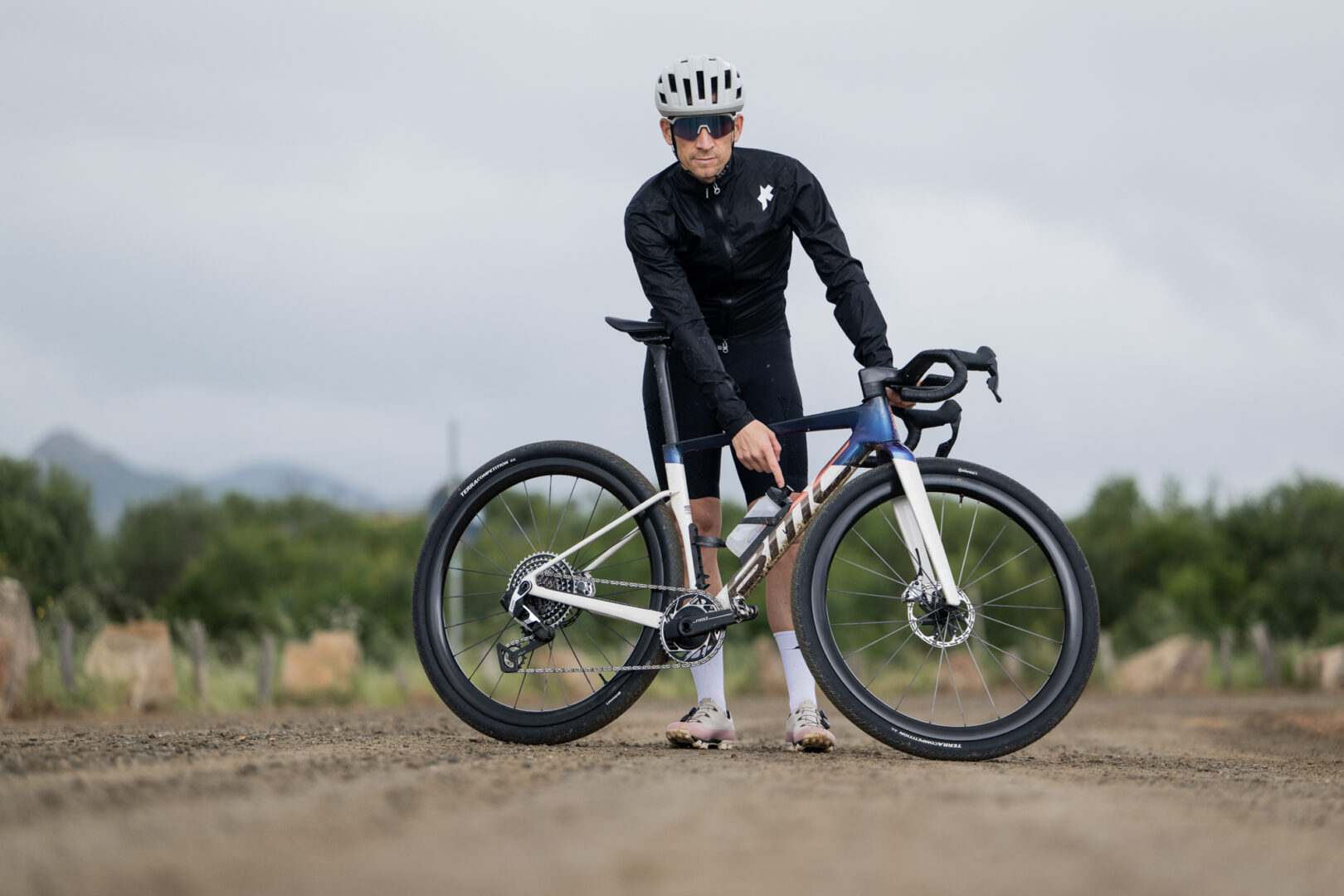
In terms of practicality, the Kaius also takes a step forward. It integrates up to five mounting points: two for the brand’s signature bottle cages, one near the bottom bracket, another on the top tube, and an innovative one on the bottom of that same tube. Regarding the latter, it comes with a plate that, along with zip ties, allows for attaching a wide variety of accessories. Versatile solutions designed for competition, but also useful on long rides where every detail counts.
Along the same lines, details like the frame protection with a specific sheet against rock impacts reinforce the idea of a bike prepared for real-world conditions, not just for showing off at the start line.
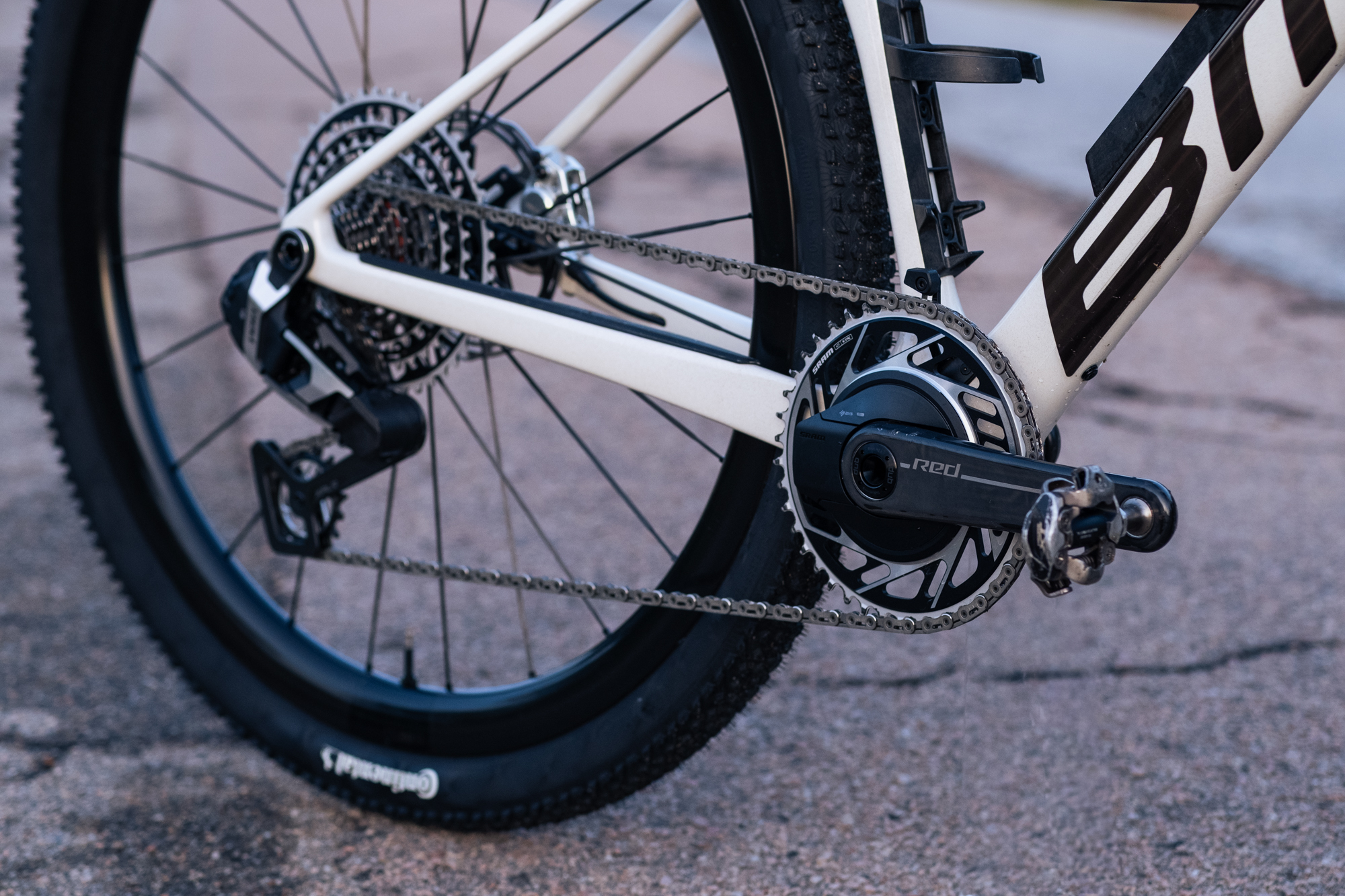
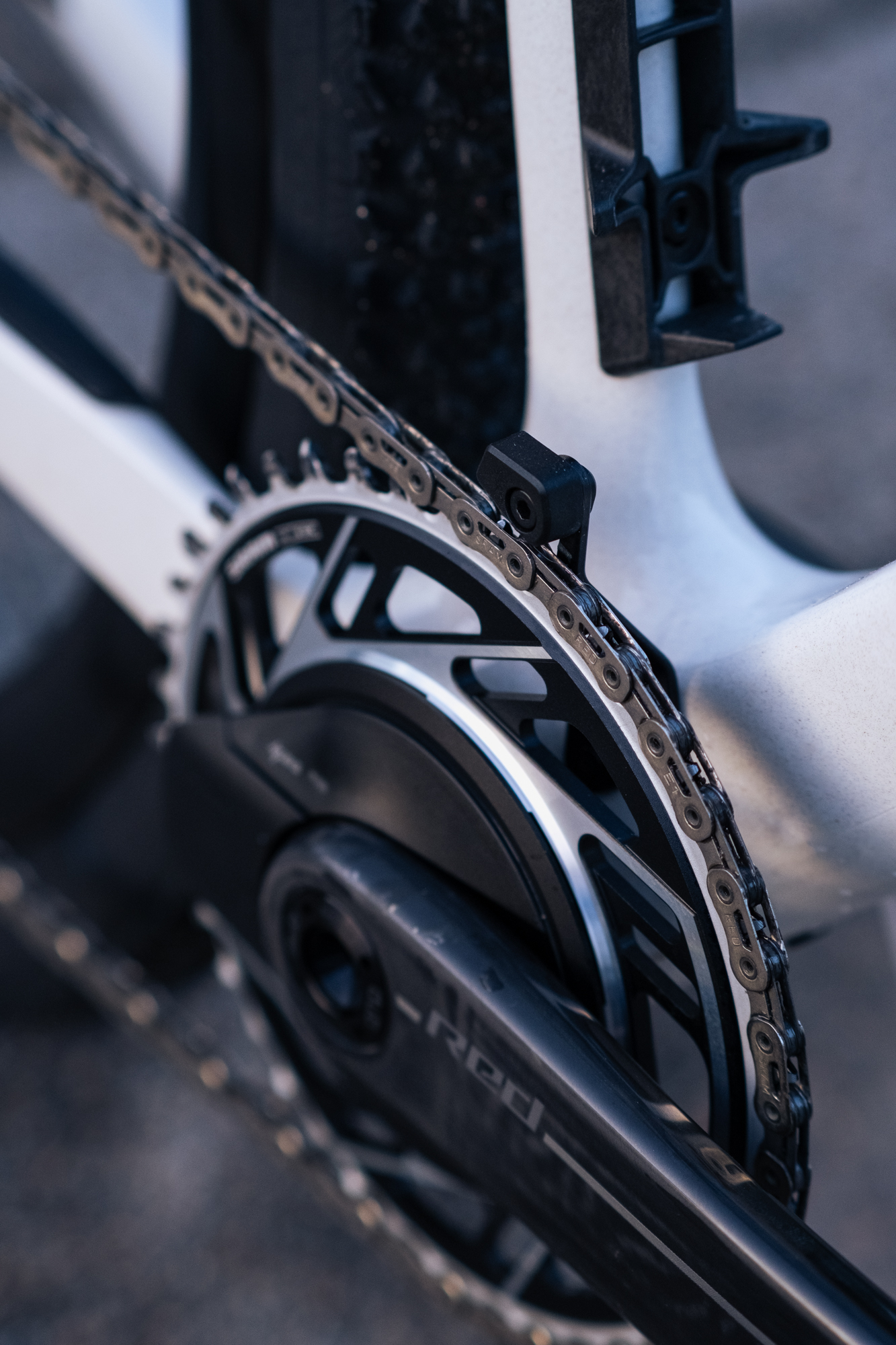
Focusing on the drivetrain, the commitment is clear: only electronic configurations and exclusively a single chainring. The frame is optimized for a wide range of gearing (chainrings from 32 to 50) and uses a T47 standard with a wide axle (85.5 mm), compatible with both Shimano and SRAM. It’s a performance-focused solution, though it limits its versatility for those seeking a more hybrid use on the road and gravel.
Overall, it’s not a radical, disruptive revolution but a very well-thought-out evolution. The kind that feels more real on the bike than on paper.
The most anticipated moment
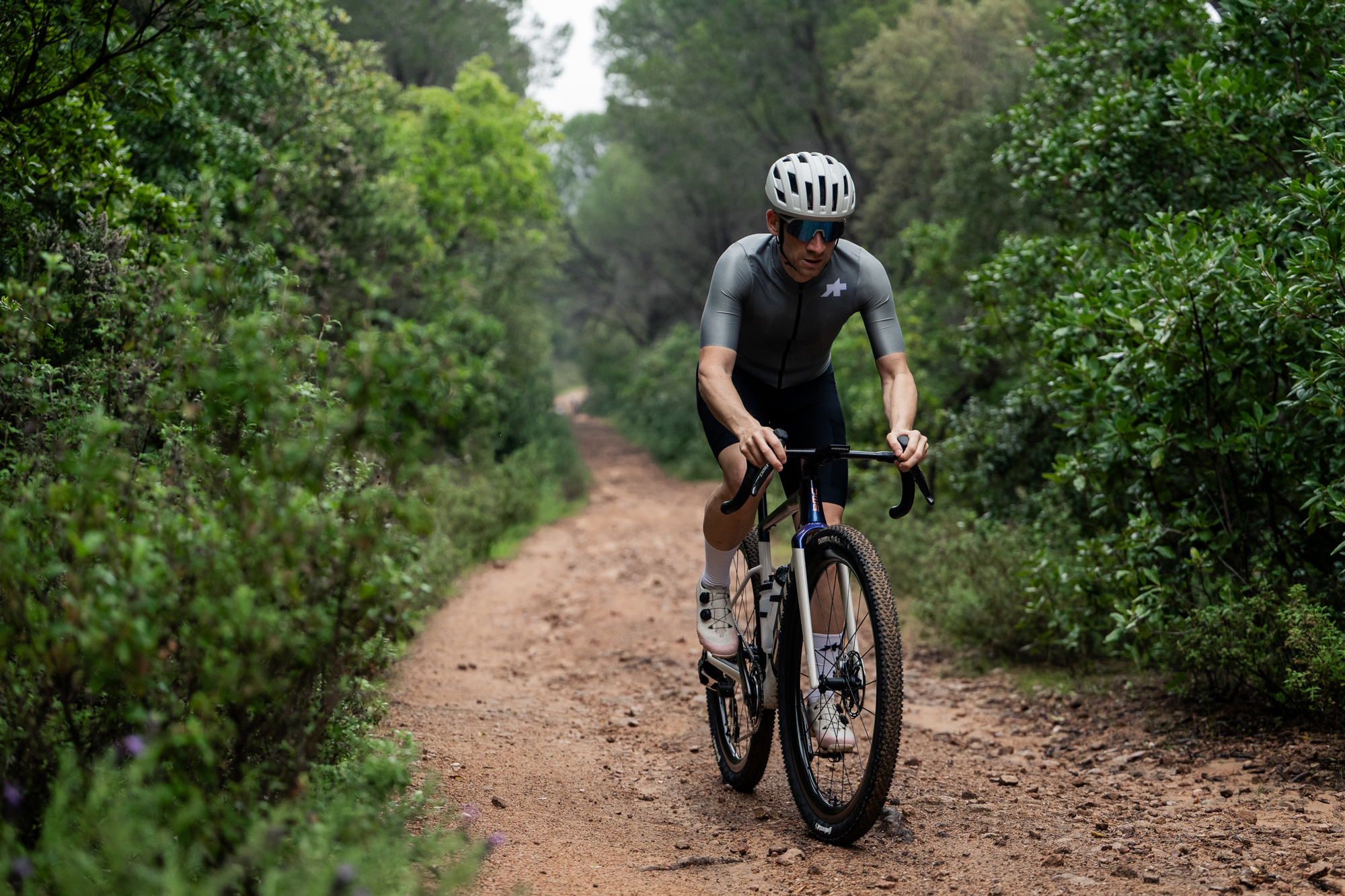
For several days in Sardinia, we tested it in all kinds of scenarios: fast tracks, technical sections, and rough terrain where the bike really has to show what it’s made of.
We tested it with two tire configurations: the more versatile Continental Dubnital (52mm) and the clearly fast-focused Continental Terra Competition (45mm).
“The choice of tire is one of the most important factors. You can completely change the character of the bike with just that, and the new tire clearance gives you many more options depending on the terrain.” —Roman Holzer
And this is something we clearly experienced during the test. The change between the two configurations completely transforms the riding experience.
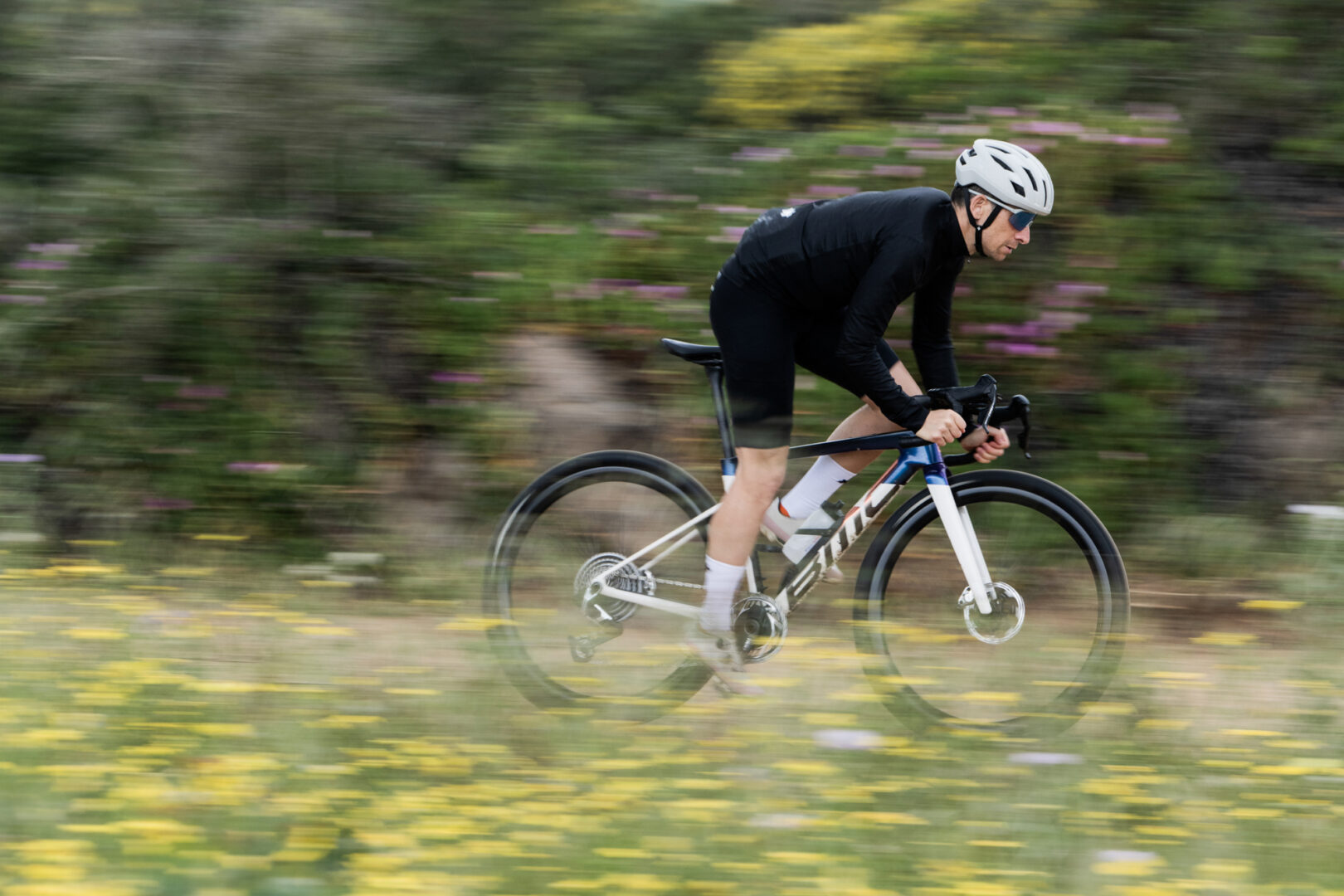
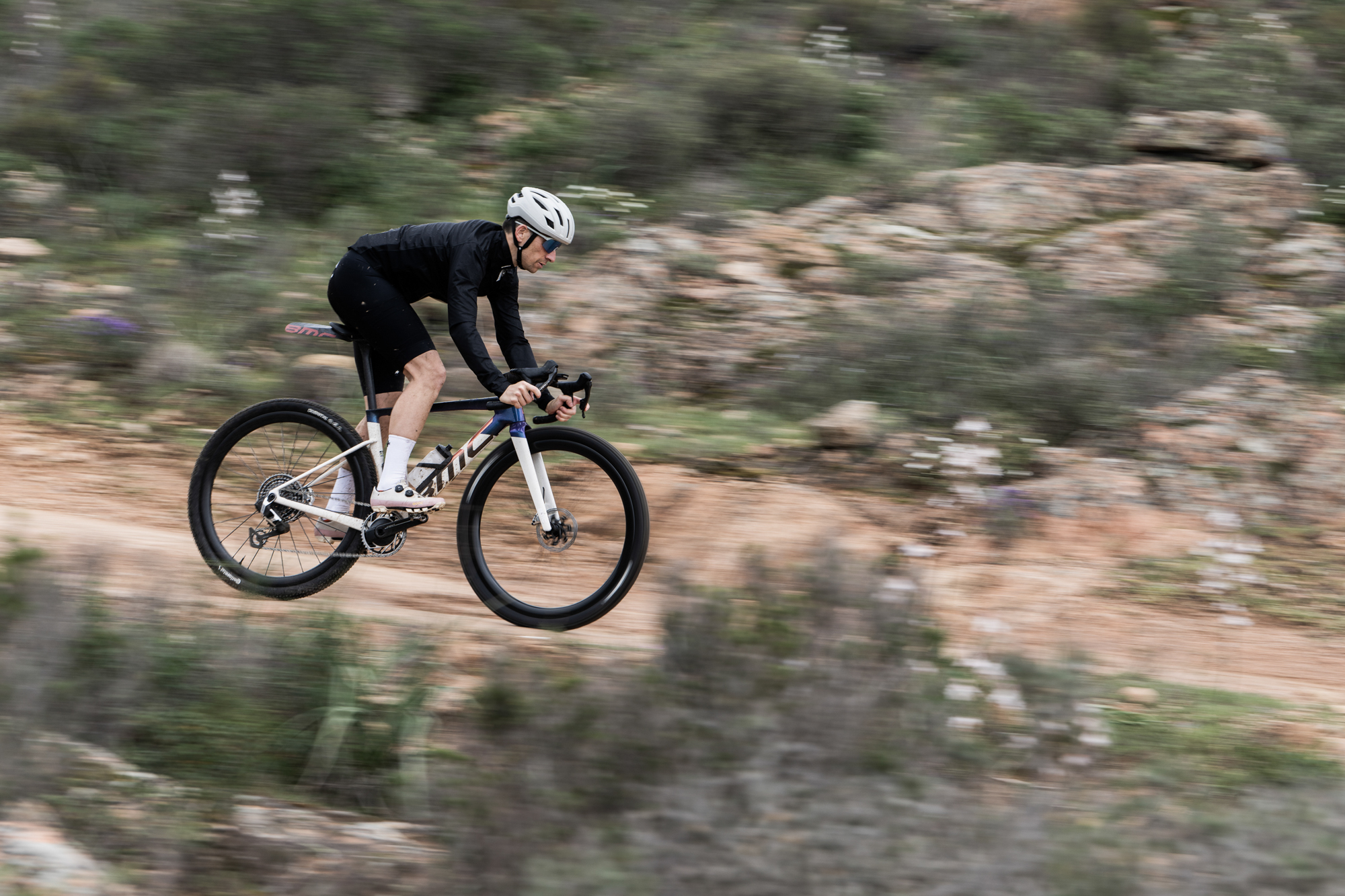
The first thing that stands out is the speed. It’s a bike that invites you to ride fast, maintains momentum very well, and delivers consistent efficiency. But it also surprises with its stability in technical sections and its ability to absorb bumps.
The combination of stiffness and a certain amount of controlled flex—in which the seatpost plays a key role—allows you to maintain traction and comfort even when the terrain gets challenging. It responds powerfully on climbs and, on flat terrain, showcases all its aerodynamic engineering. It is, without a doubt, a bike designed for competition.
Uncompromising competition
The new BMC Kaius 01 isn’t trying to please everyone. And that’s precisely what makes it interesting.
“It’s clearly a race bike, one of the fastest in the gravel world, but at the same time, it’s more forgiving and accessible to a wider range of riders.” —Roman Holzer
More tire clearance, full integration, practical solutions, and a clear focus on speed. It all adds up in a bike that delivers performance with every pedal stroke. That said, this focus also means sacrificing some versatility. But if you’re looking for pure performance, few options are at this level right now.
After riding it in Sardinia, the conclusion is clear: gravel riding continues to evolve towards faster, more demanding terrain… and this Kaius is already playing in that league.