The new ENVE G SES Wheel Line represents a faster take on gravel
Estimated reading time: 4 minutes
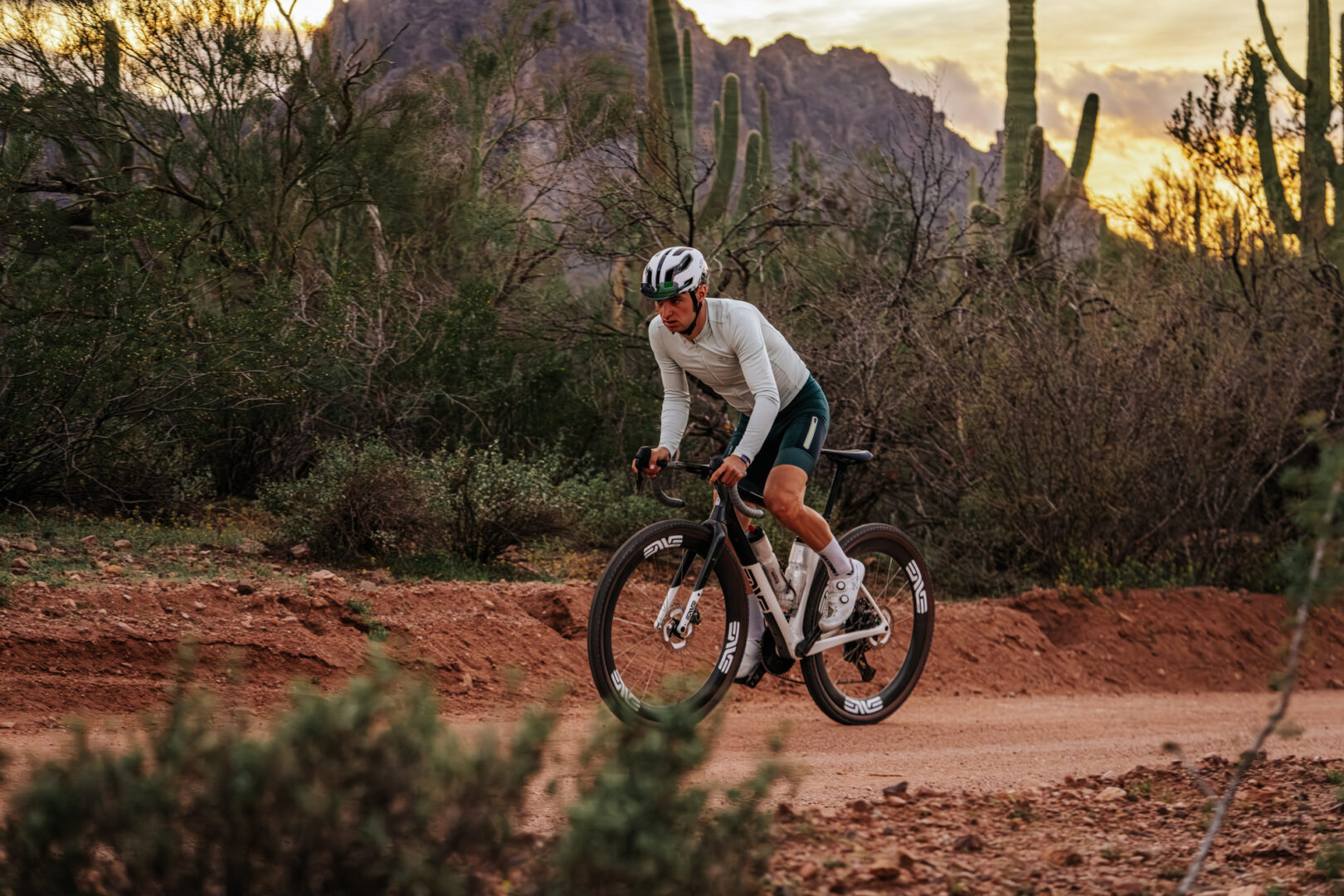
Ever since ENVE launched its first dedicated gravel wheels back in 2018, the discipline has changed dramatically. What started as an extension of adventure riding, deeply rooted in exploration, has evolved into a much faster, more technical and competitive scene; one where aerodynamics are beginning to matter just as much as durability or control. That shift is precisely what inspired the new ENVE G SES range, a wheel family developed to meet the demands of modern gravel riding.
The American brand—whose components are still manufactured in Ogden, Utah—explains that much of the development behind this new line took place alongside athletes competing in some of the biggest gravel events on the international calendar. The starting point was clear: speeds keep increasing, and that inevitably leads riders toward higher-volume tyres, not only for comfort and control, but also to reduce puncture risk and better absorb impacts on increasingly aggressive terrain.
Aerodynamic optimization in three versions
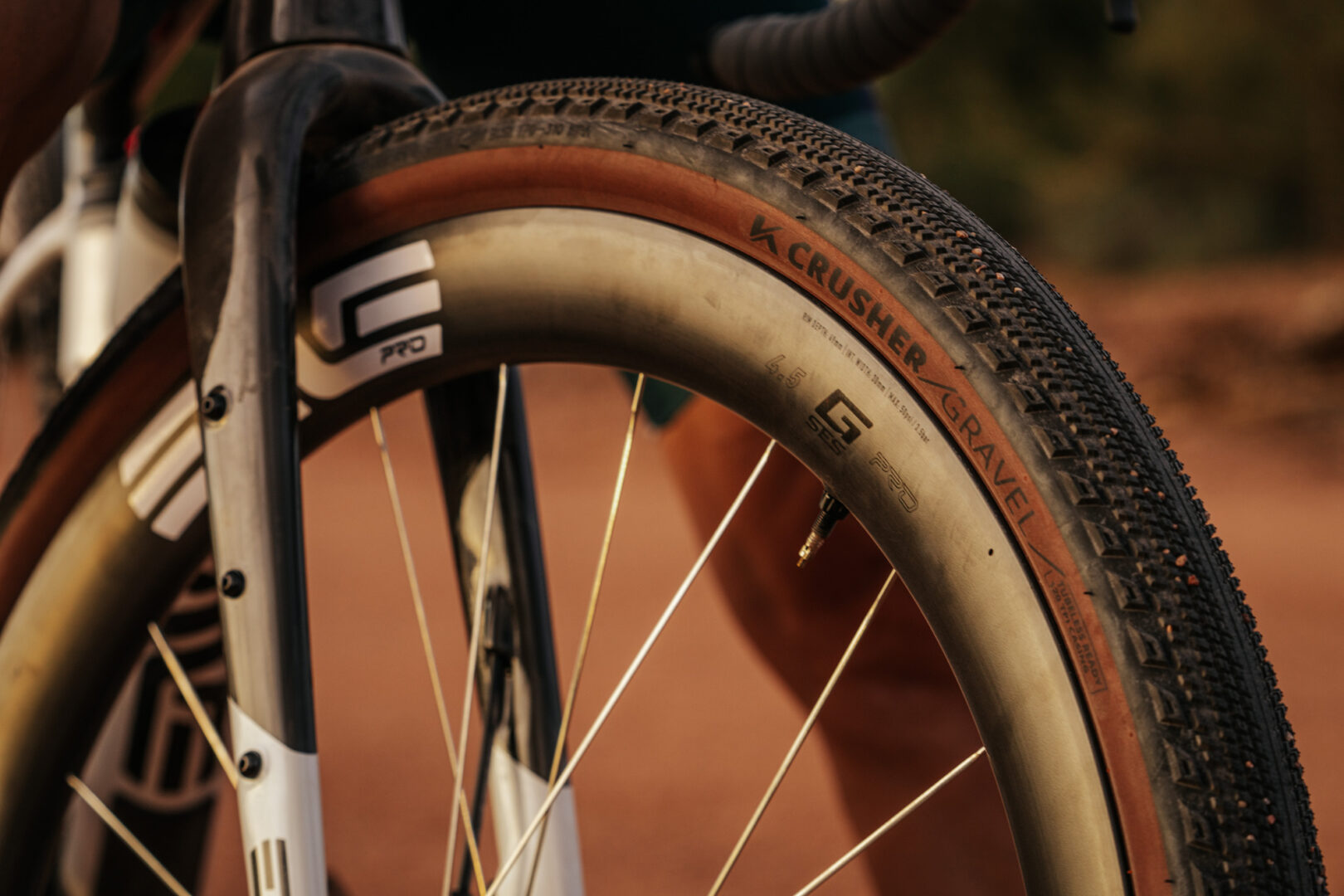
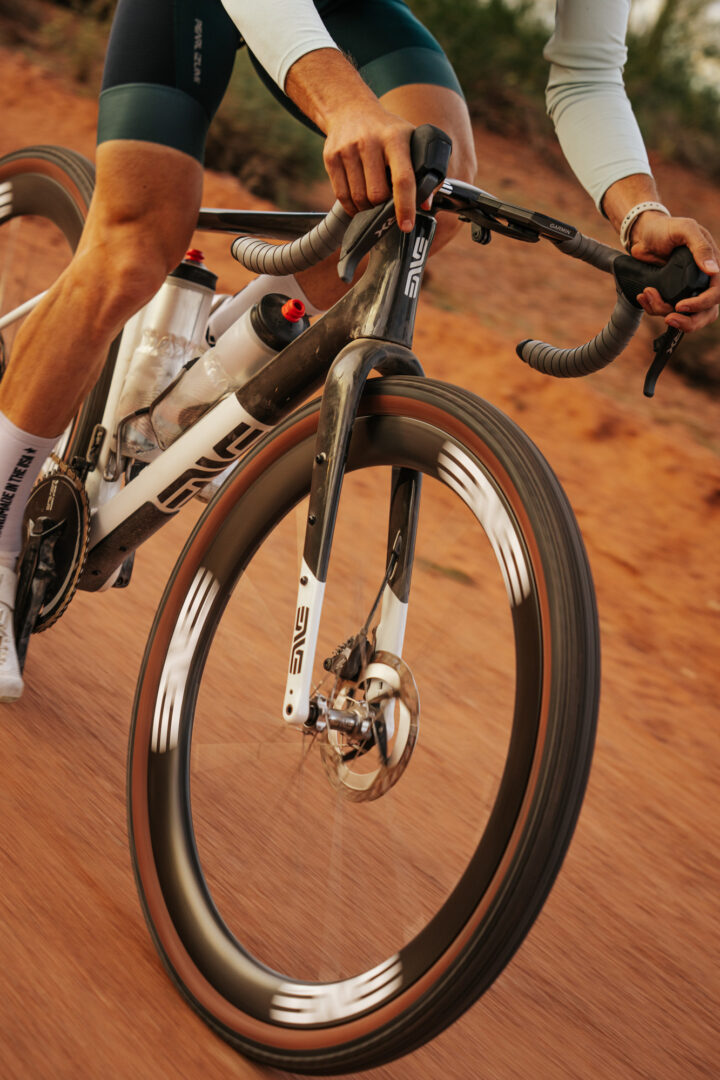
According to ENVE, that evolution also creates a major aerodynamic opportunity. The brand set out to explore how far it could optimize a wheel-and-tyre system specifically designed around modern high-volume gravel tyres. The result is three new models with distinct personalities: the radical ENVE G SES 6.7 PRO (1,580g), alongside the more versatile ENVE G SES 4.5 PRO (1,480g) and ENVE G SES 4.5 (1,565g).
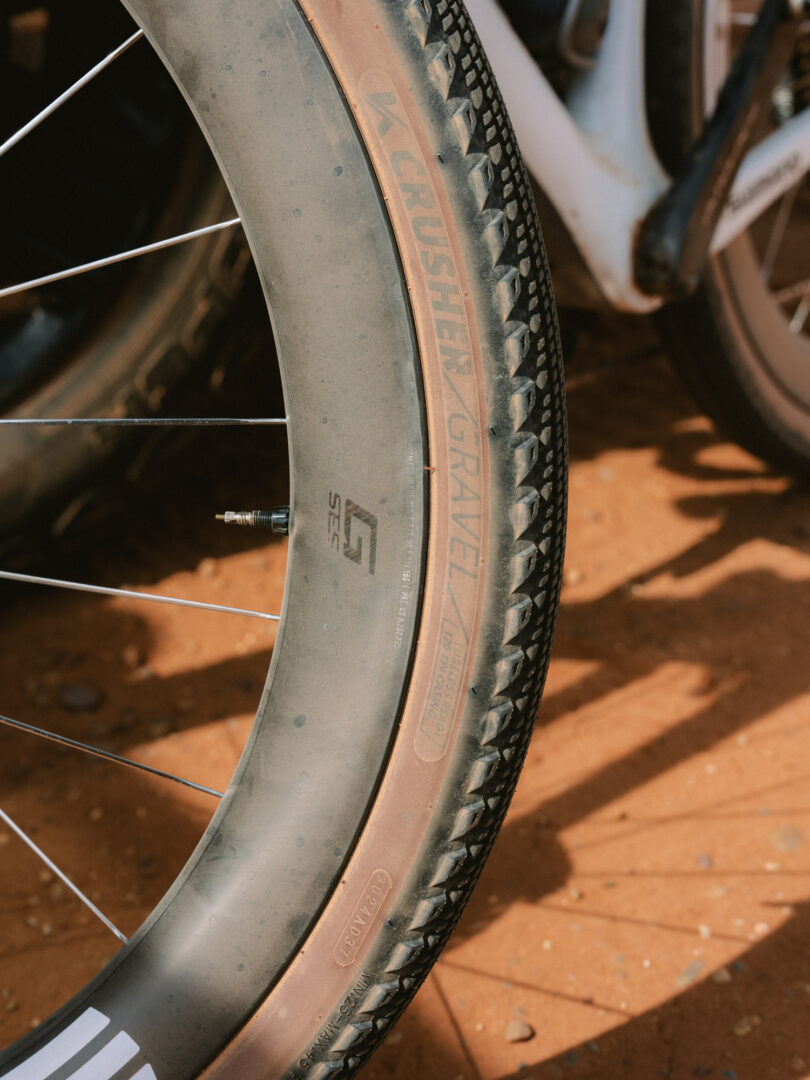
The 6.7 PRO stands as the most extreme option in the lineup, featuring 60 mm front and 67 mm rear rim depths, combined with a generous 35 mm internal width designed for tyres between 44 and 52 mm. According to ENVE, this configuration delivered the best results in the wind tunnel. However, due to the challenge of keeping weight competitive with such deep rims, the model is only available in PRO specification, equipped with the brand’s lightest components: PRO Innerdrive hubs, an ultralight 40-tooth ratchet system, and ceramic bearings.
Below it sit the G SES 4.5 models, available in both standard and PRO versions. Both share the same rims—49 mm deep at the front, 55 mm at the rear, with a 30 mm internal width—but differ in hub and spoke nipple specification. While the PRO version uses the same hubs and ceramic bearings as the 6.7 PRO, the standard G SES 4.5 features Premium Innerdrive hubs with stainless steel bearings and brass nipples, offering a more accessible option without compromising the aerodynamic performance of the system.
All three wheelsets follow the same design philosophy as the road-focused SES wheels that helped establish ENVE at the highest level of performance cycling. Front and rear rims use differentiated profiles, each specifically optimized for airflow, stability and efficiency according to its position on the bike. The brand also maintains its focus on rim-and-tyre integration, increasing internal rim width as tyre volume grows in order to smooth the aerodynamic transition between both elements.
Speed and reliability built on years of experience
According to ENVE’s own data, the gains become especially relevant with modern gravel tyres. At 32 km/h, the system saves around 8 watts compared to a conventional setup, while at 48 km/h the difference can reach as much as 25 watts. The brand also points out that tyre tread has a much smaller aerodynamic impact at lower speeds than it does once pace increases, something particularly relevant in today’s gravel racing landscape.
Still, aerodynamics have not displaced gravel’s traditional priorities. Durability and impact resistance remain key pillars in the development of the G SES range. ENVE has transferred part of the technology used in its M Series mountain bike wheels, including the Wide Hookless Bead technology, designed to reduce pinch flats through a wider, blunter rim edge capable of dissipating impact energy more effectively.
The entire range has been developed under dedicated off-road testing protocols and validated according to the brand’s own tyre retention standards, drawing on nearly two decades of proven experience developing carbon wheels for the most demanding conditions.