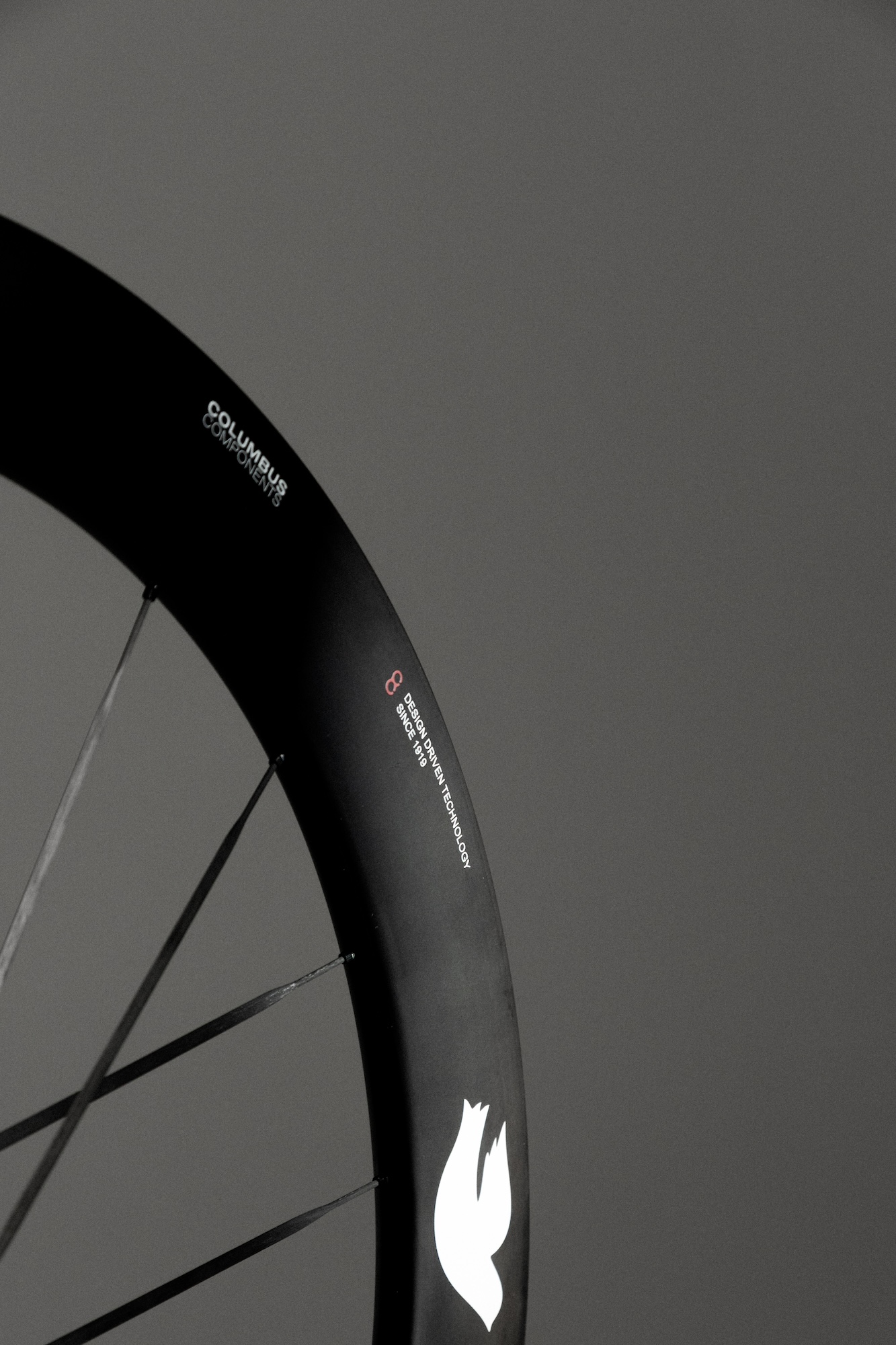
Columbus enters the wheel game with a carbon range
Estimated reading time: 3 minutes
Columbus has spent more than a century shaping the bicycles around us, from the steel tubes that established its name to the carbon components that have gradually expanded its reach. Now, the company from Milano is turning its attention to one of the most important pieces of the modern bicycle: the wheel.
The new range marks Columbus Components’ first move into performance wheelsets, bringing three distinct approaches to carbon wheel design under the Cento, Spirit and Gara names. It is another step in the company’s broader evolution from tubing manufacturer towards a more complete component brand.
We recently had the chance to see that evolution first-hand during our visit to the Columbus factory, where the combination of traditional Italian manufacturing heritage and modern composite engineering was particularly evident. The new wheels feel like a logical continuation of that process rather than an isolated product launch.
Three takes on the carbon wheel
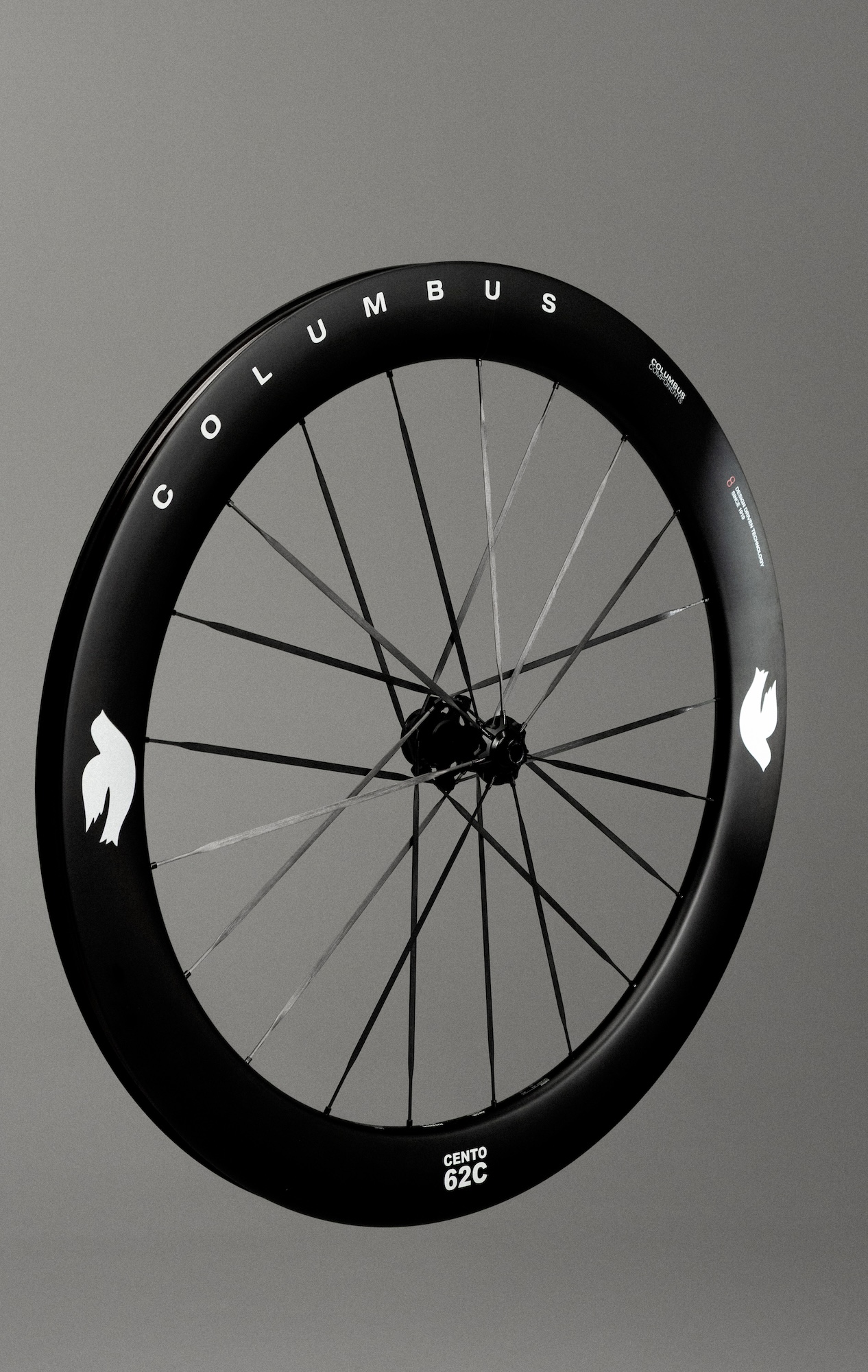
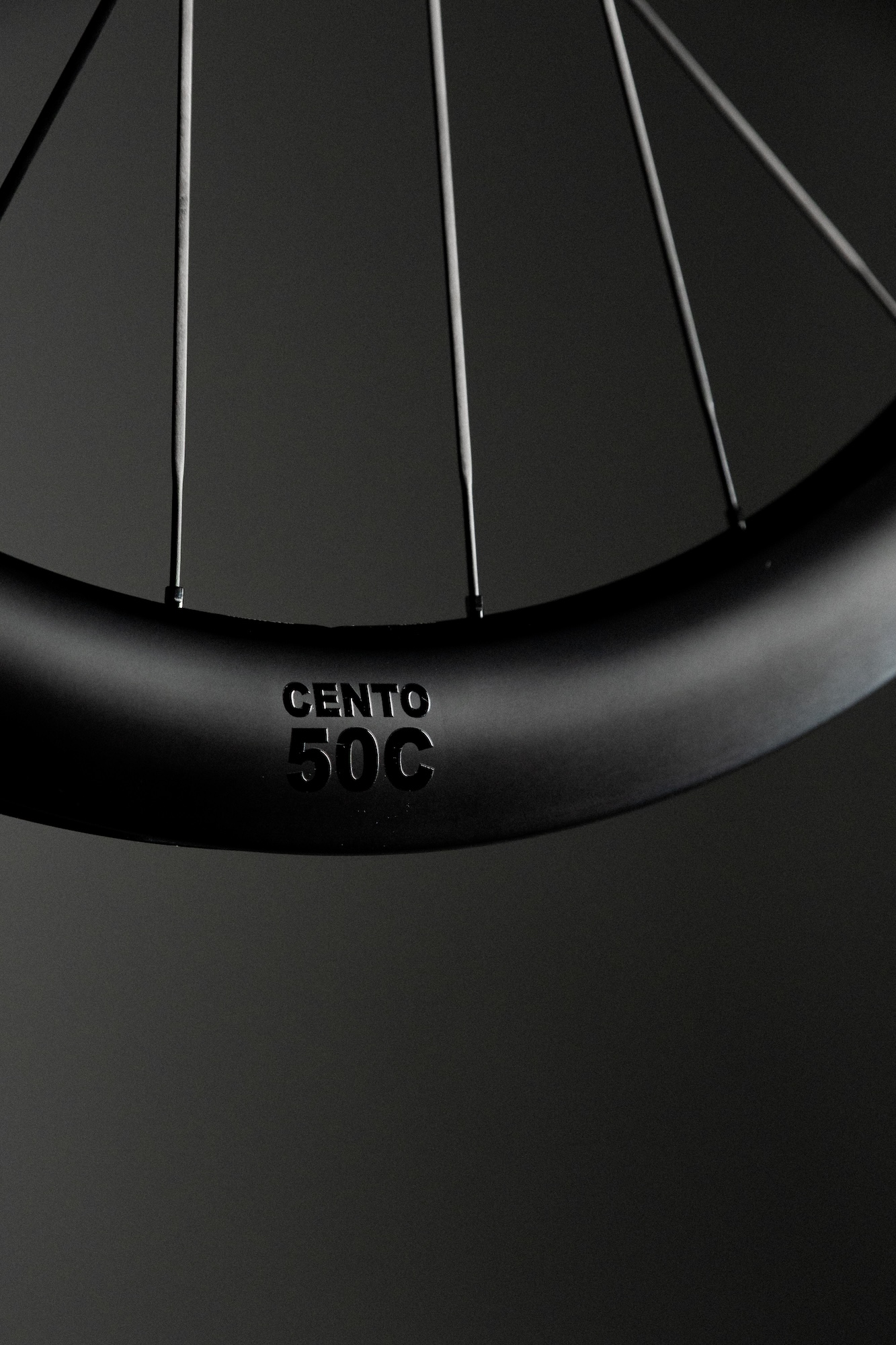
The Cento is the most versatile of the new designs, available in both 50 and 62 mm depths. Both versions use a 23 mm internal, 30 mm external hooked rim and are built around Columbus’ new hub, with ceramic bearings and carbon VONOA spokes. At 1,440 grams, the Cento 50 is intended as the all-rounder, while the 1,470-gram Cento 62 pushes the concept towards flatter roads and faster racing.
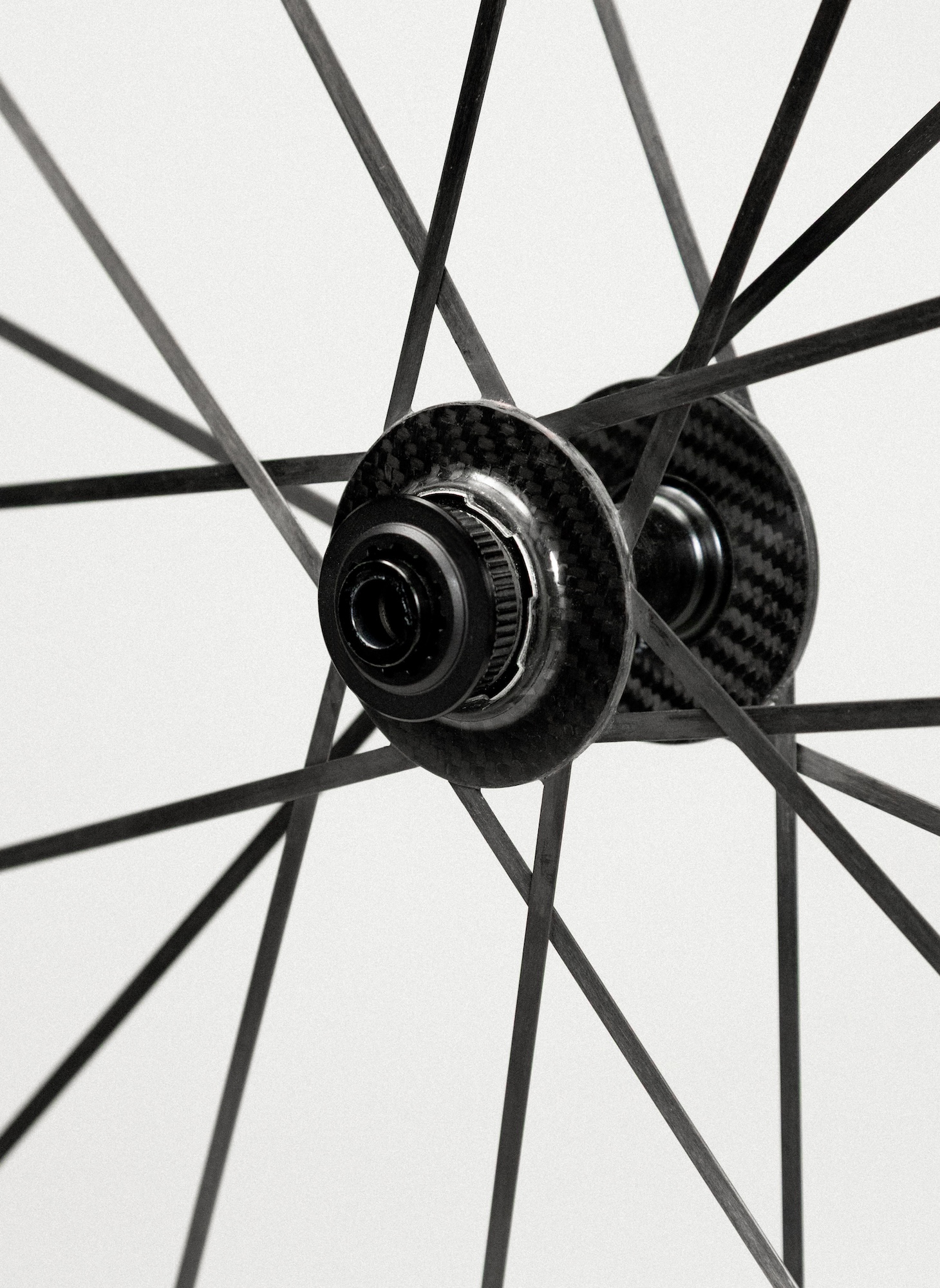
At the other end of the spectrum sits the Spirit 50, Columbus’ lightest wheelset to date at 1,249 grams. Its defining feature is the Integrated Aero HUB, a monocoque construction in which the carbon spokes are integrated directly into the hub flanges. With hidden nipples and a 50 mm rim, it is designed around the familiar balance between low weight on the climbs and aerodynamic efficiency once the road points downwards.
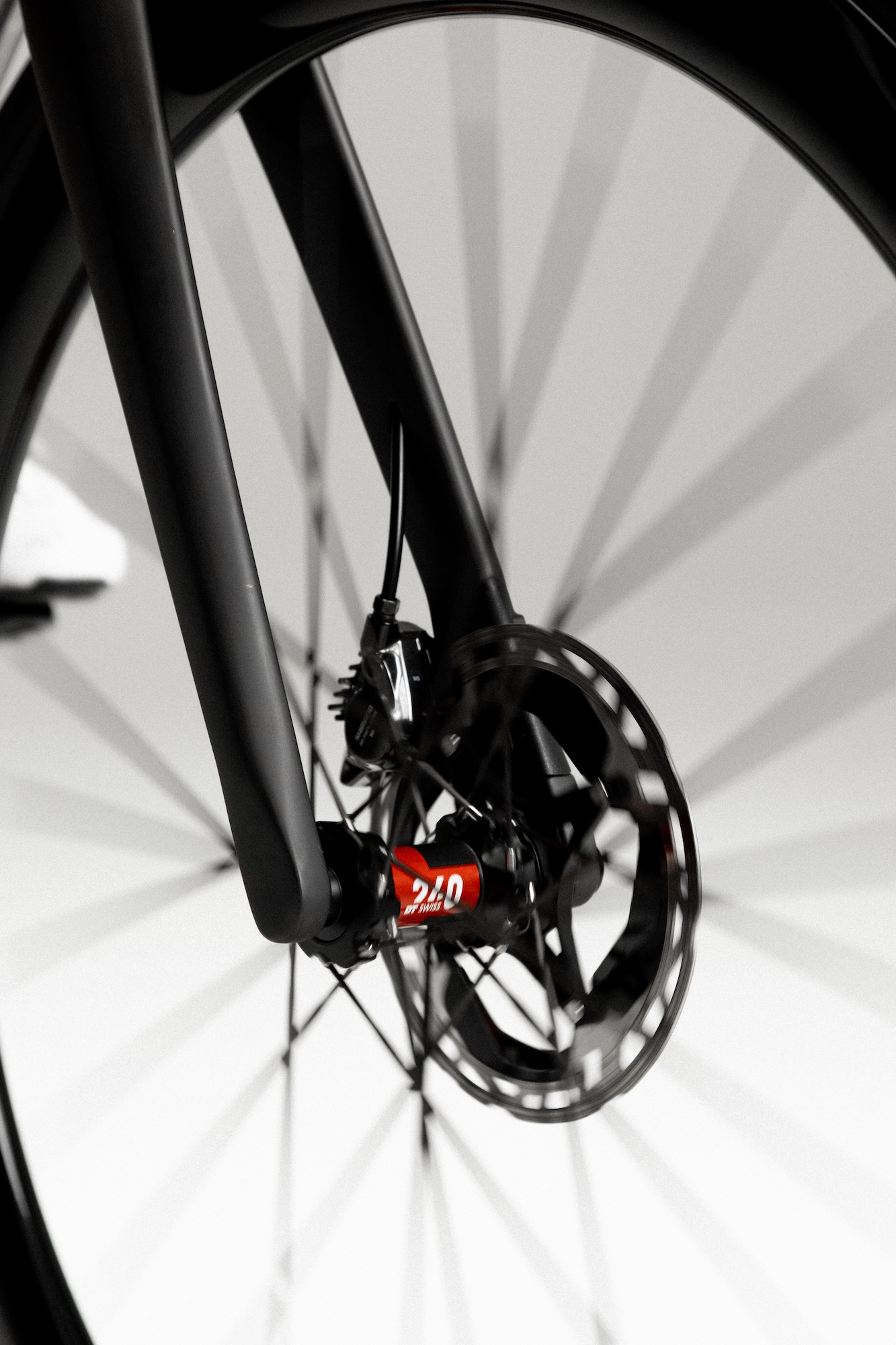
The Gara 50 takes a different approach. Developed in collaboration with DT Swiss, it combines a Columbus carbon rim with a DT Swiss 240 hub and Ratchet EXP system. Weighing 1,315 grams, it is positioned as the endurance option, with Columbus focusing as much on long-distance durability and comfort as outright race performance.
Across the range, Columbus has opted for hooked, D-shaped carbon rims designed around the 28–30 mm tires that have become increasingly common on performance road bikes.
For a company whose history is so closely tied to the foundations of the bicycle itself, entering the wheel market feels significant. Having seen the people, processes and engineering behind Columbus Components at its Milan factory, these wheels look less like a sudden expansion of the catalogue and more like another piece of a much larger project: bringing Columbus’ particular interpretation of Italian engineering to every part of the bike.