Grand Tour of Catalonia: the many faces of a territory
2500kms
Distance
45000
Total ascent
2500kms
Distance
45000
Total ascent
Estimated reading time: 6 minutes
Not all journeys begin when you hop on a bike. Some start earlier: when you look at a map, when you connect the dots, when you sense that the real appeal lies not only in the destination, but in everything that happens along the way.
The Grand Tour of Catalunya Gravel is something like that. It connects places, certainly, but it is also very much about ways of moving, of traveling, and of building a narrative. Rather than a collection of routes, it’s a way to explore and understand the region. At the heart of this idea is the Catalan Tourism Agency’s desire to transform Catalonia into something more than just a destination; an experience discovered with each pedal stroke, unhurried and without a single predetermined path.
From tourist itinerary to gravel experience
The Grand Tour of Catalunya originated in 2020, when it was conceived as a grand circular route to explore Catalonia by motor vehicle, highlighting its main cultural, scenic, patrimonial, and gastronomic landmarks. An itinerary designed from the traveler’s point of view, always prioritizing the best option in terms of safety, terrain, and scenery.
Adapting the route for gravel riding doesn’t change the essence of the original idea; it simply redefines it. The result is a perfect balance between cycling paths, gravel roads, and secondary roads.
A journey of many journeys
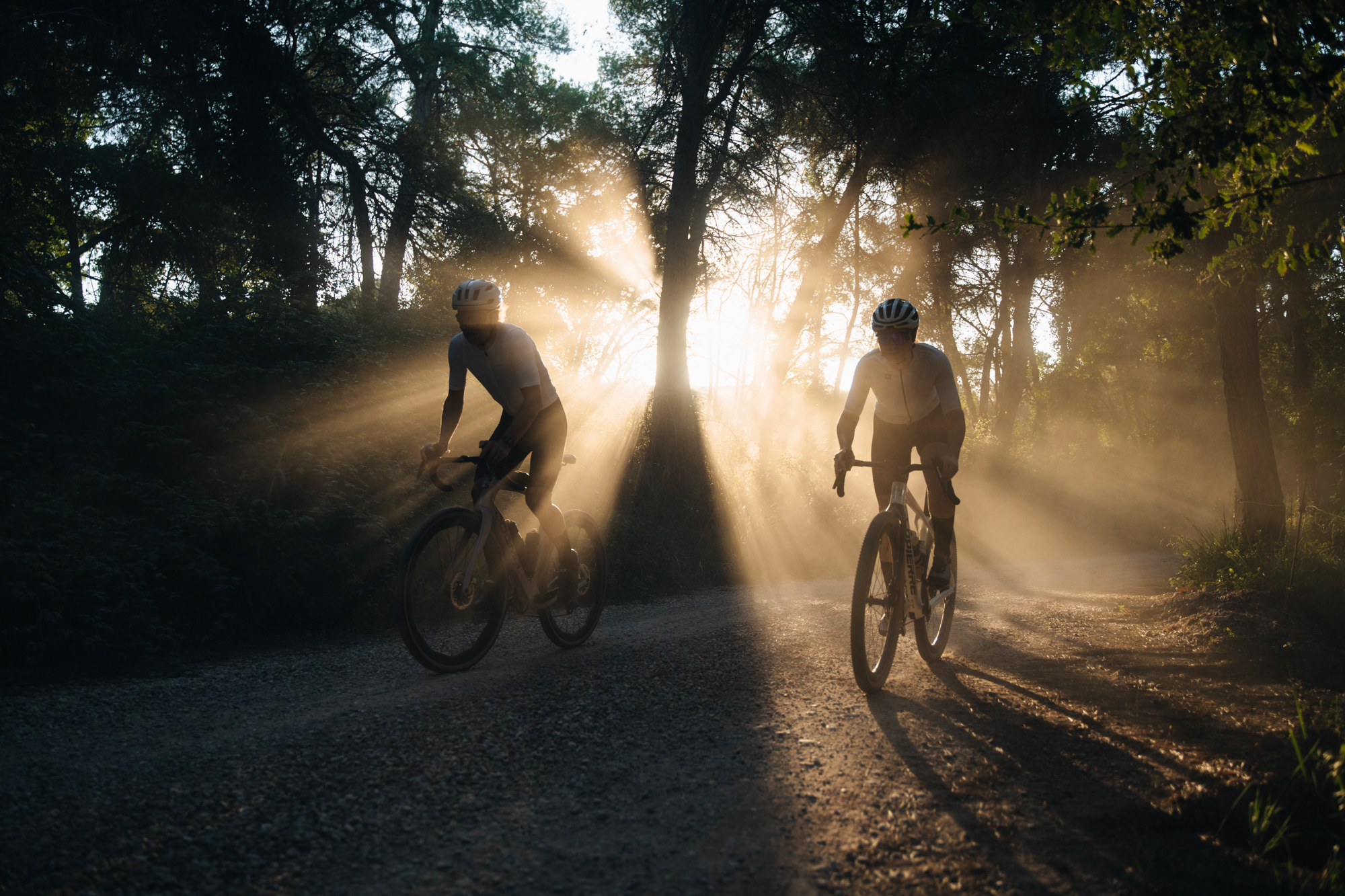
There’s a concept that forms one of this project’s pillars: there’s no single way to ride it. The Grand Tour of Catalonia Gravel is conceived as an open route. A complete journey, indeed, but also one that can be broken into smaller parts. Each cyclist decides the pace, the time of year, and even the direction of the journey.
It is, in a way, a journey with many stories within. A structure that allows for multi-week treks as well as shorter getaways, personal reinterpretations, or more leisurely approaches. The route ceases to be a fixed line and instead allows each rider to build their own relationship with it.
Beyond the route
On paper, the numbers are impressive: nearly 2,500 kilometers and more than 45,000 meters of elevation gain, organized into five major sections and 42 stages. But to reduce it to numbers would be to barely scratch the surface.
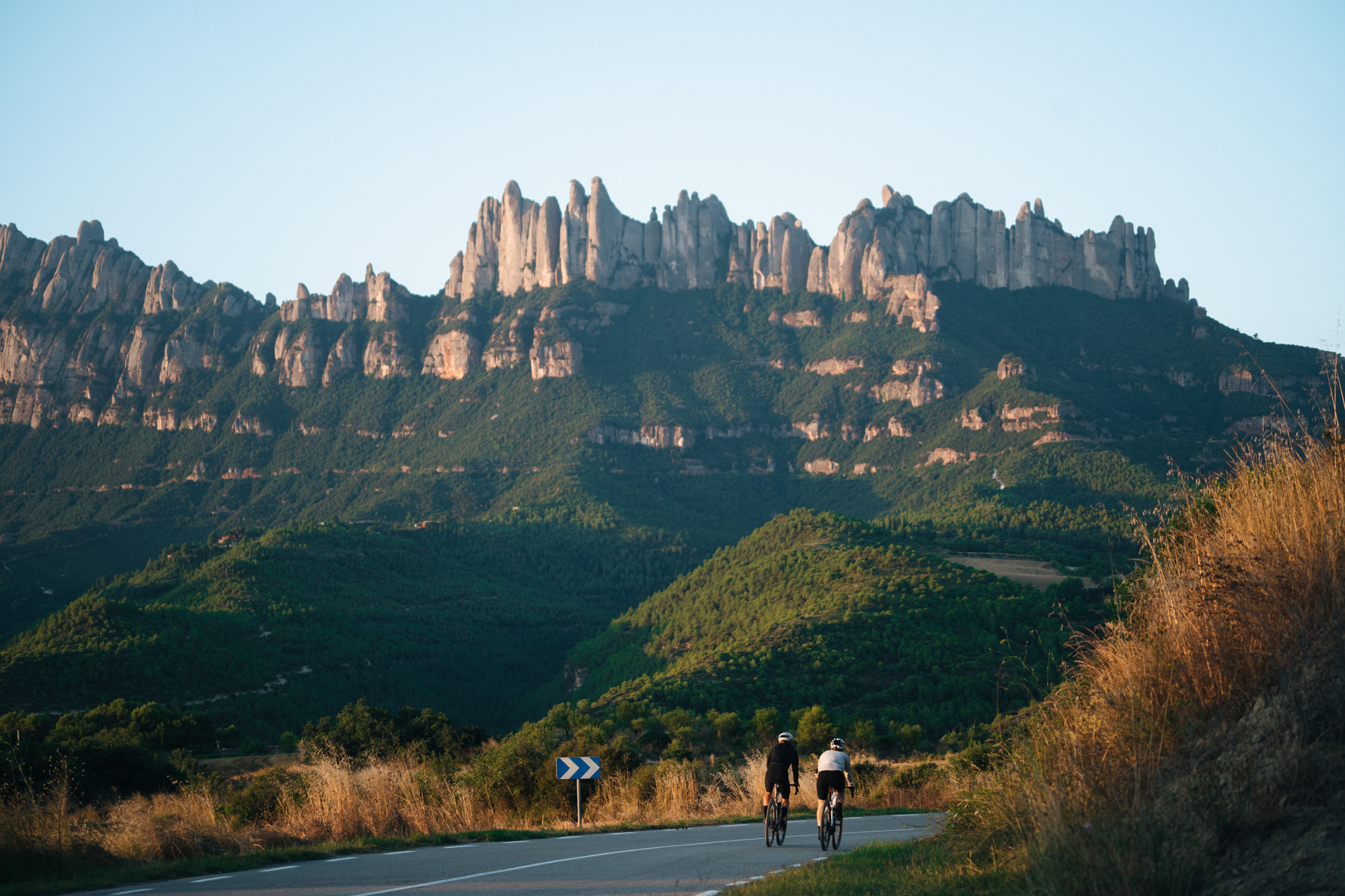
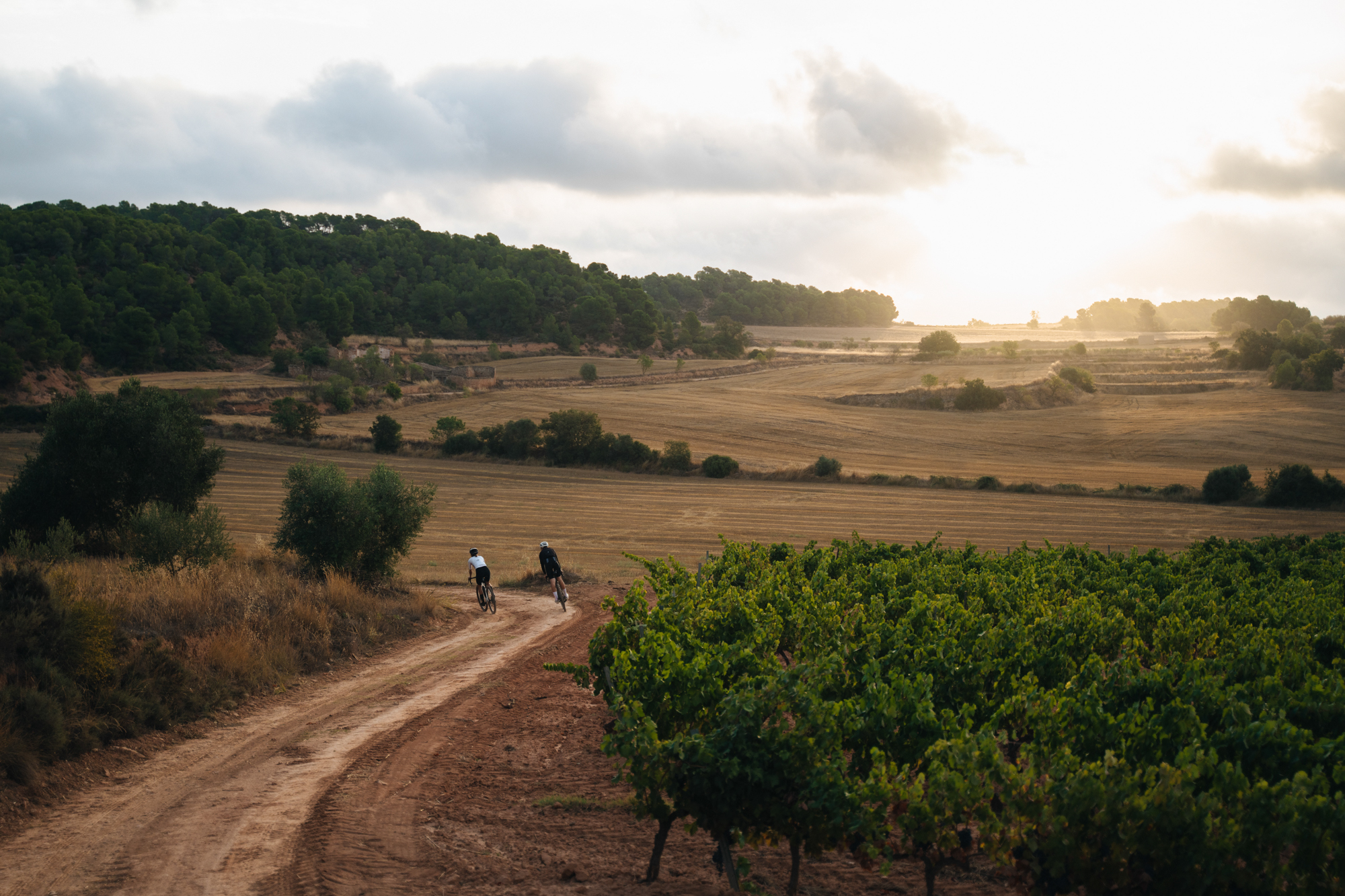
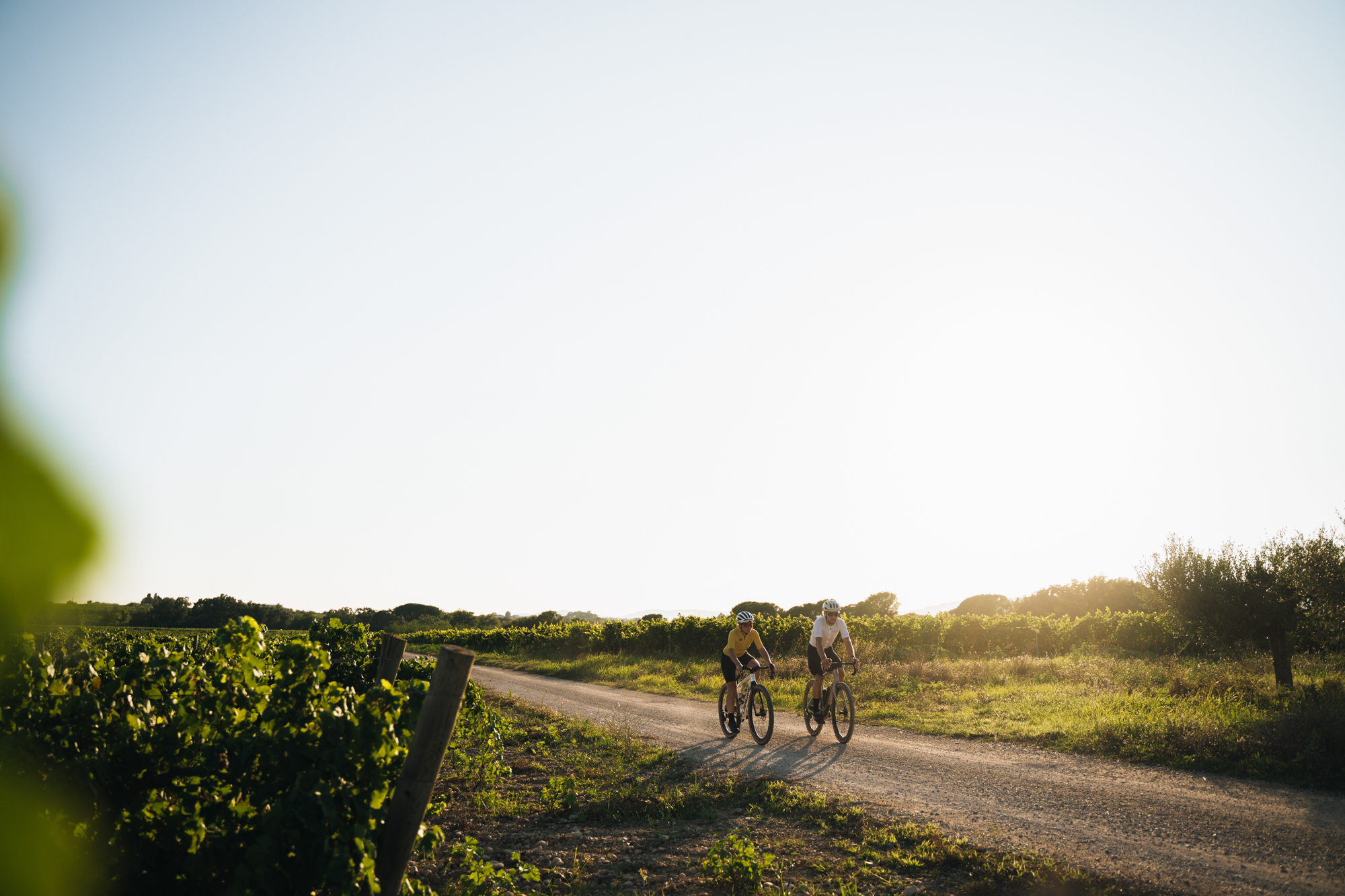
The route traces a path that crosses Catalonia in every direction. Starting from Barcelona and heading south, and after passing through the surroundings of the “magic mountain” of Montserrat, it reaches Tarragona. From there, the route leads us to one of the most unique places in the region: the Parc Natural del Delta de l’Ebre, with its rice fields and endless beaches. It then turns inland towards Lleida, crossing natural parks, vineyards, and other distinctive corners of the territory.
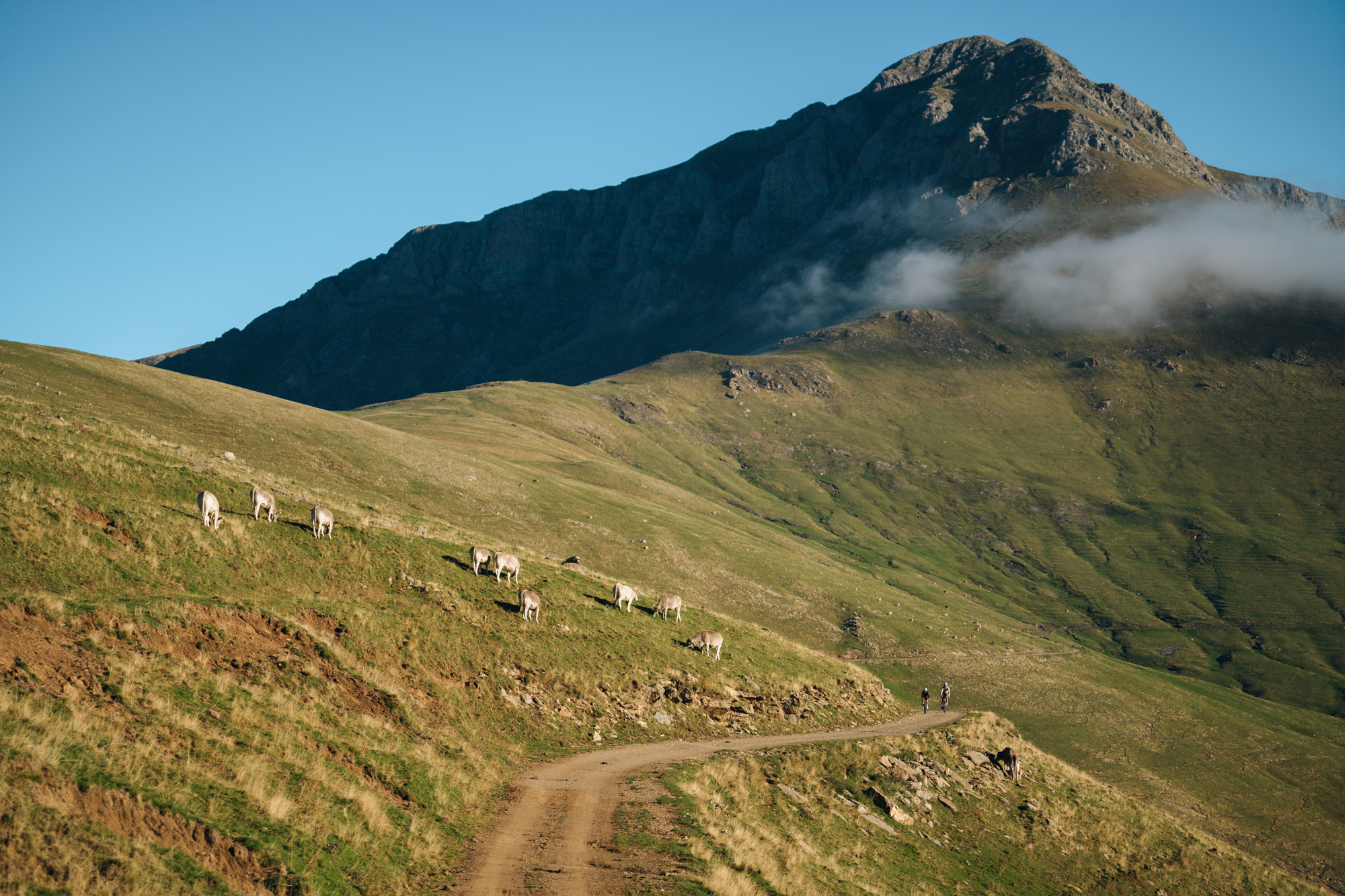
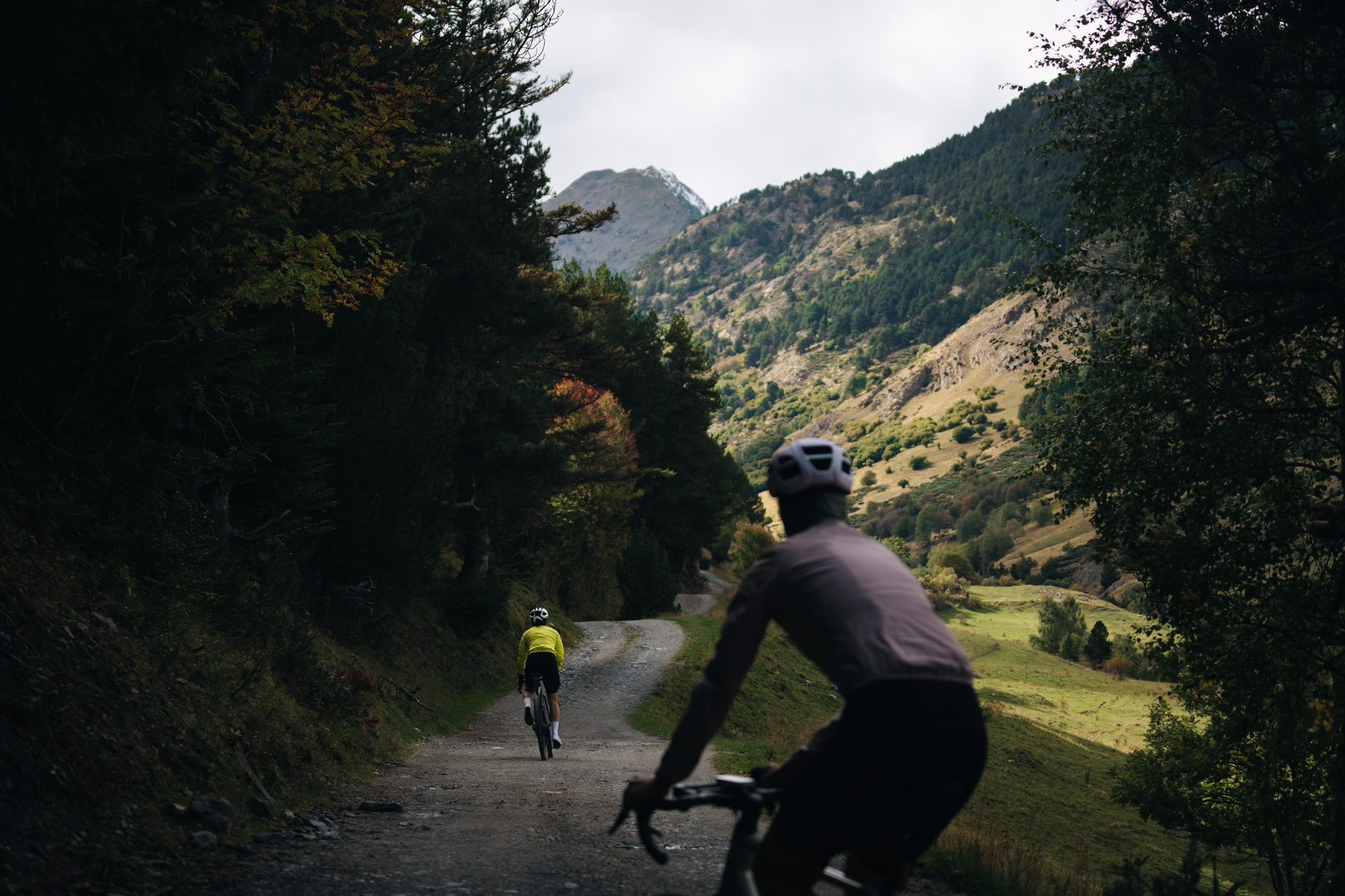
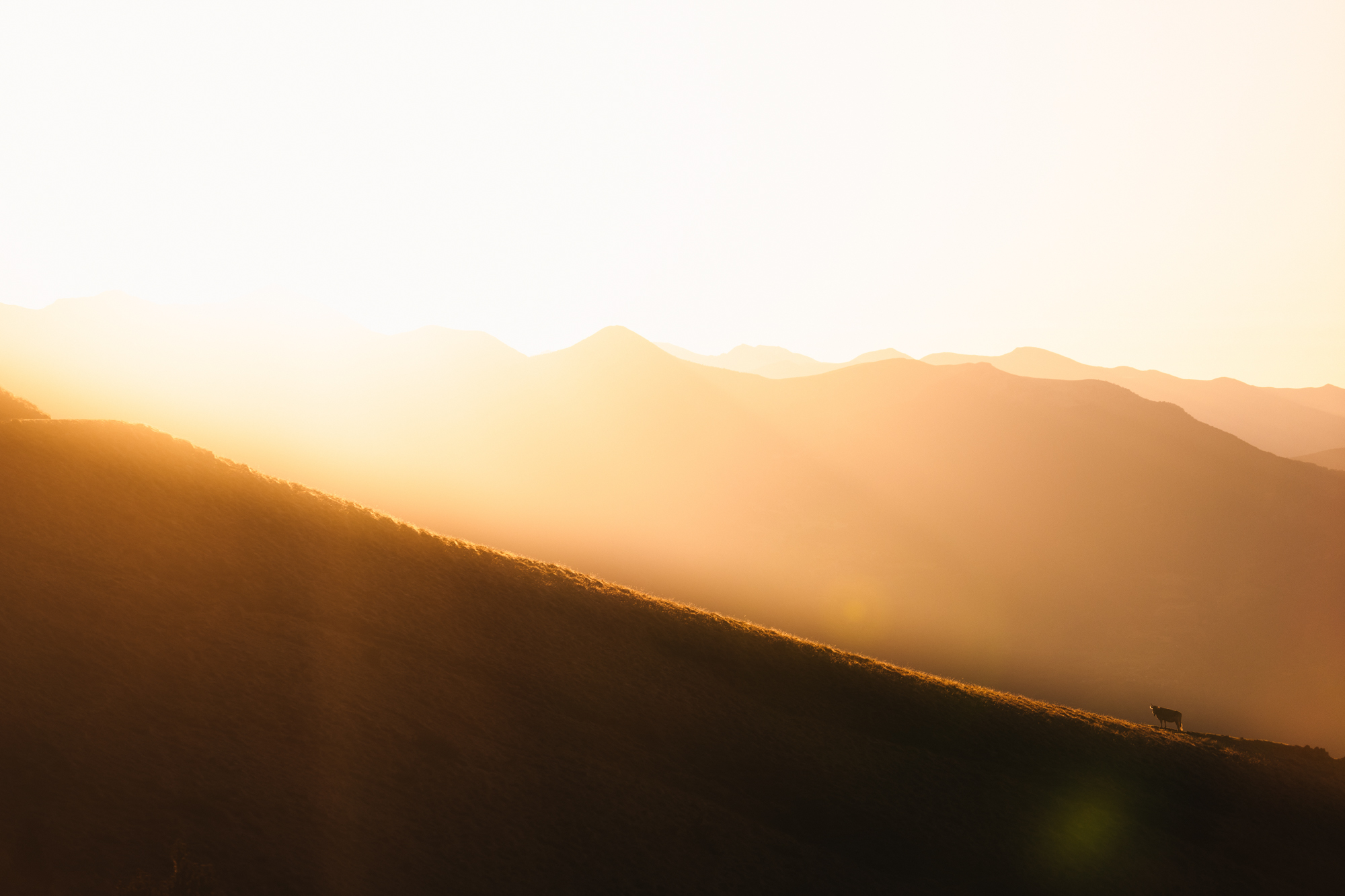
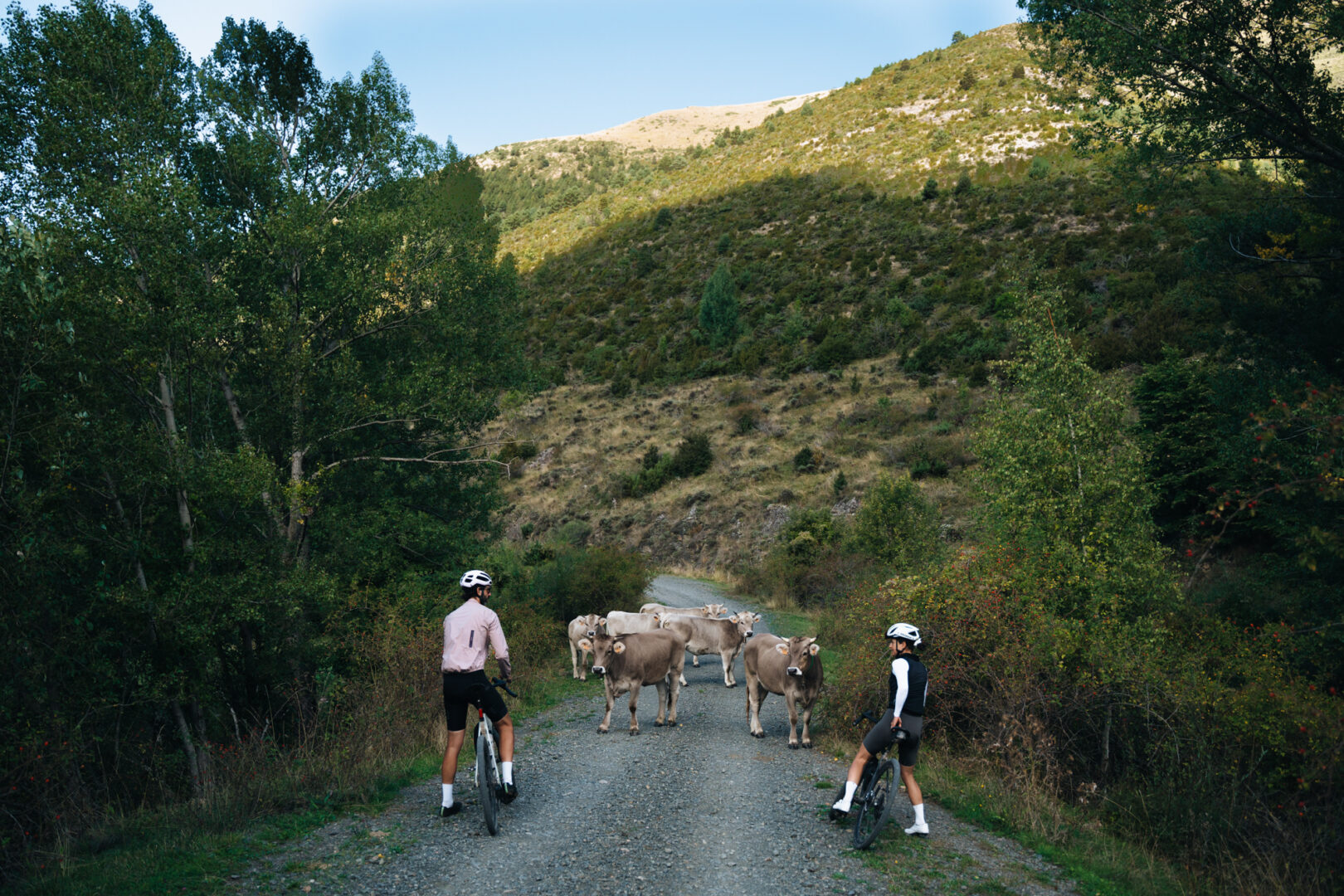
Once in the city of Lleida, we enter the high mountain area, crossing the impressive Serra del Montsec, with the Pyrenees as our next destination. The route passes through some of the most charming places in this mountain range, such as the towns of Taüll and Vielha, until reaching La Seu d’Urgell. From there, we head east towards the province of Girona, but not without first visiting the Pedraforca massif and the Cerdanya valley.
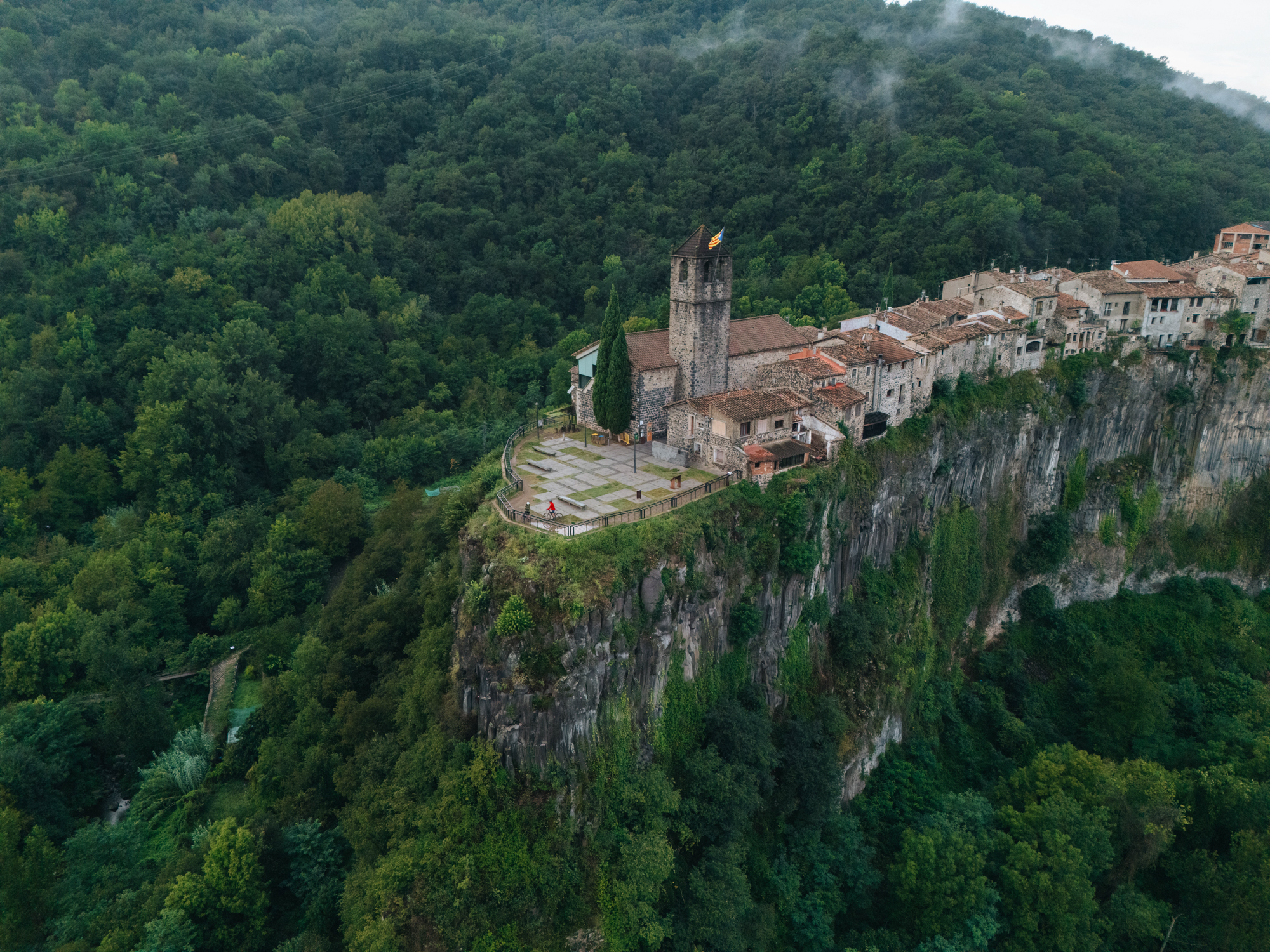
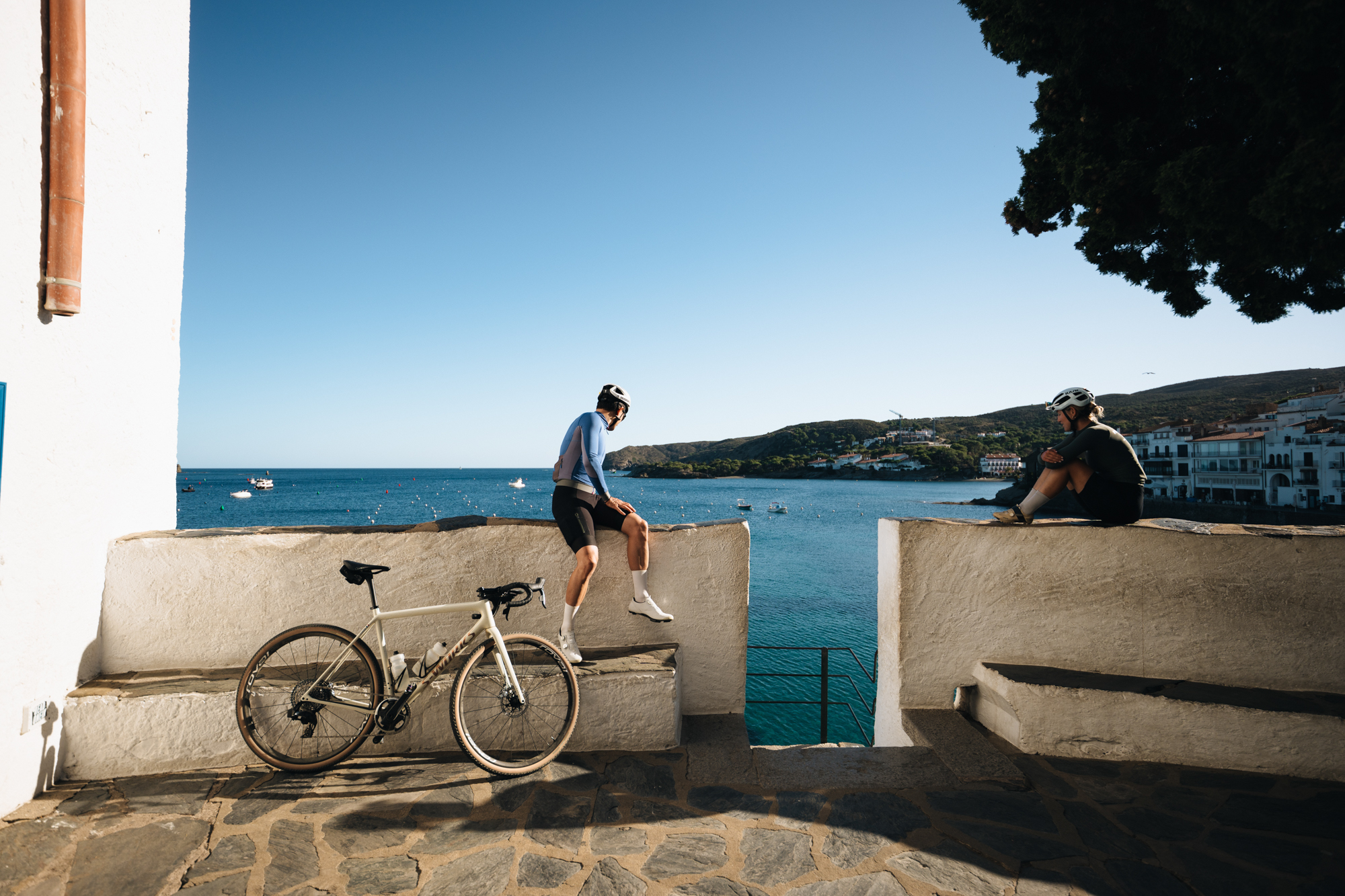
The Grand Tour continues towards Figueres, crossing the volcanic area of Olot and the famous Estany de Banyoles. Another jewel along the way is the picturesque village of Cadaqués and the Parc Natural del Cap de Creus, the easternmost point of the Iberian Peninsula, and an unforgettable place.
From there, the return to Barcelona begins, passing through the Empordà region and the Parc Natural del Montseny, two further highlights of this major project, completing the full circle.
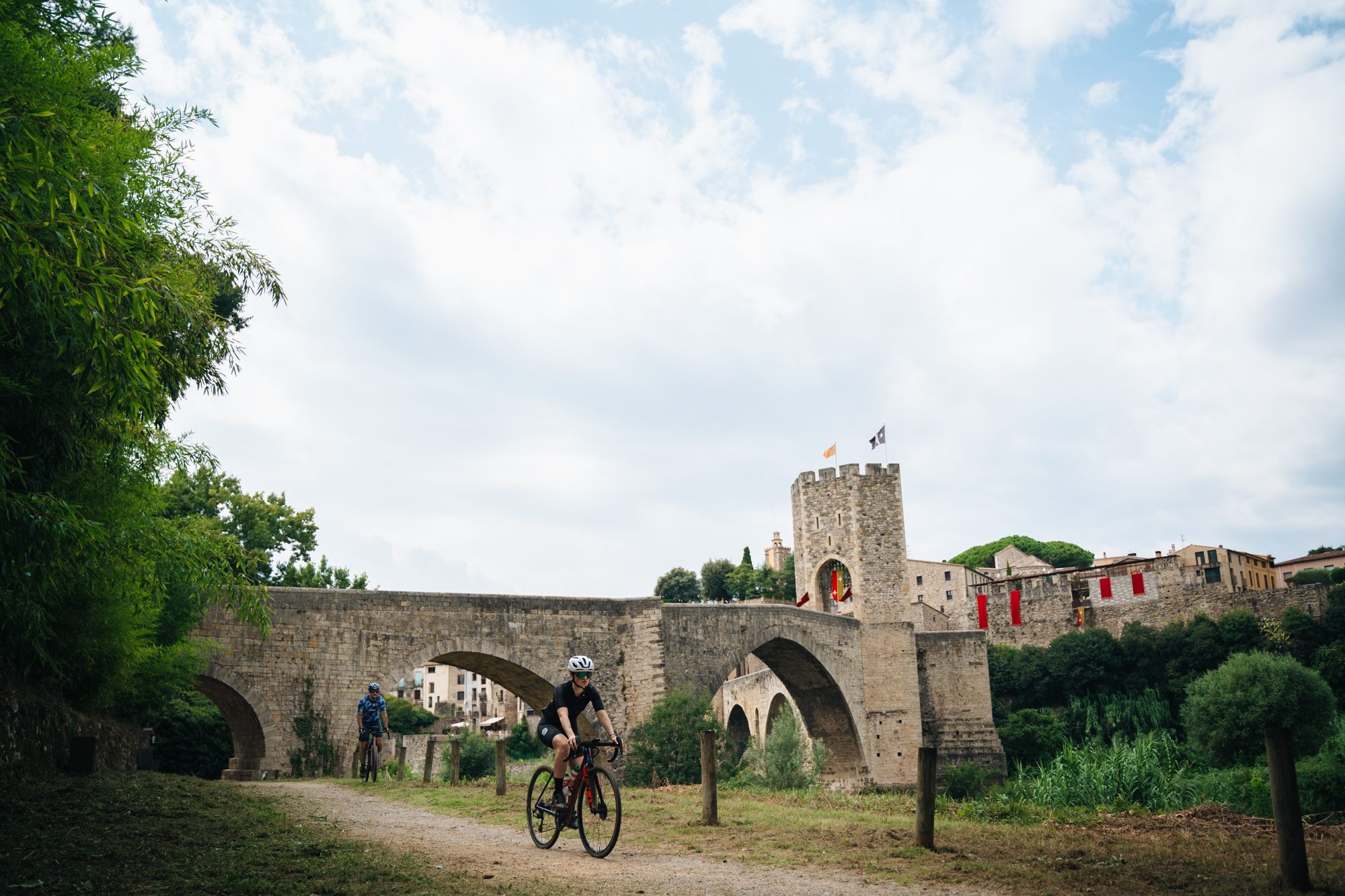
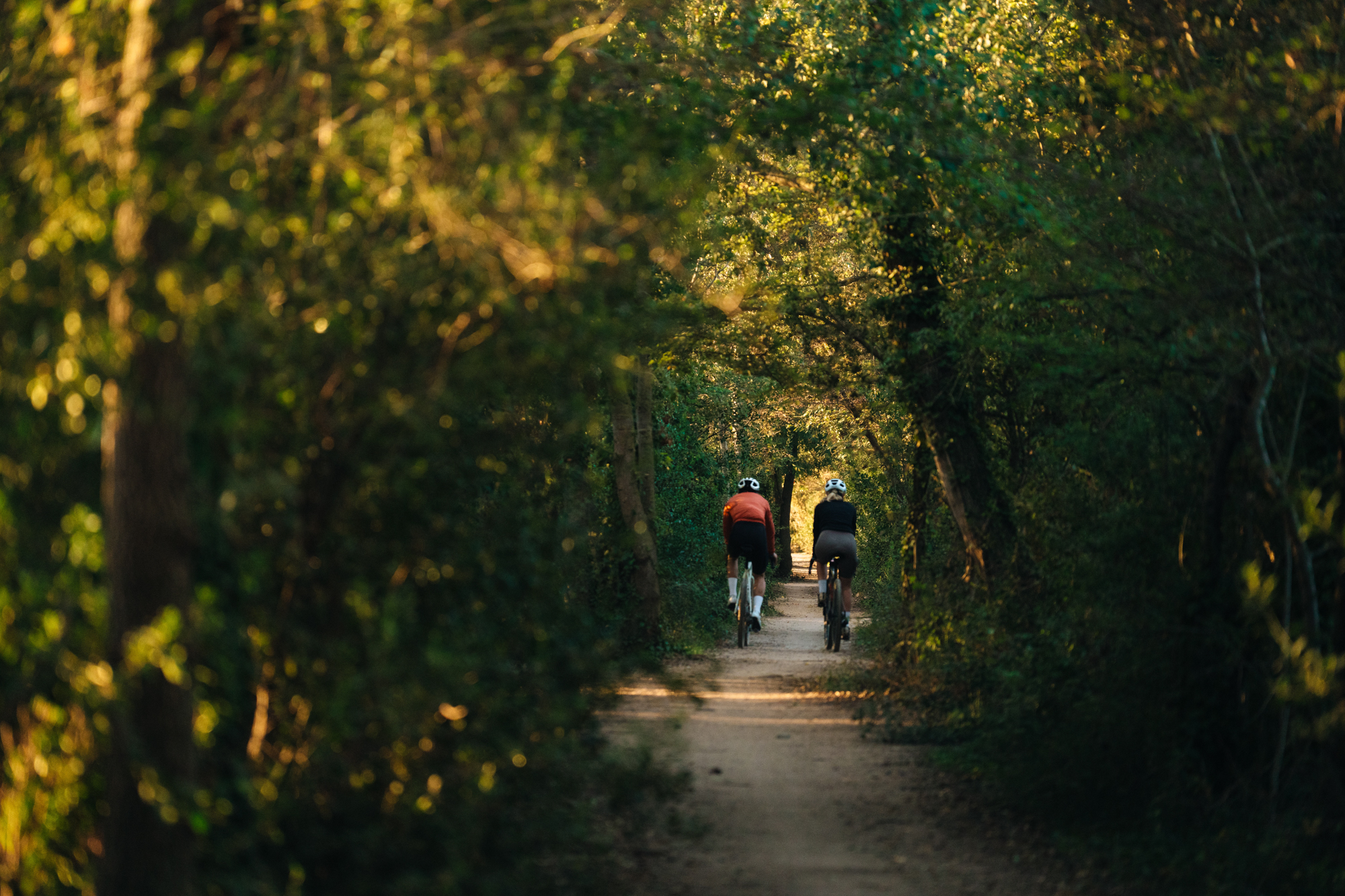
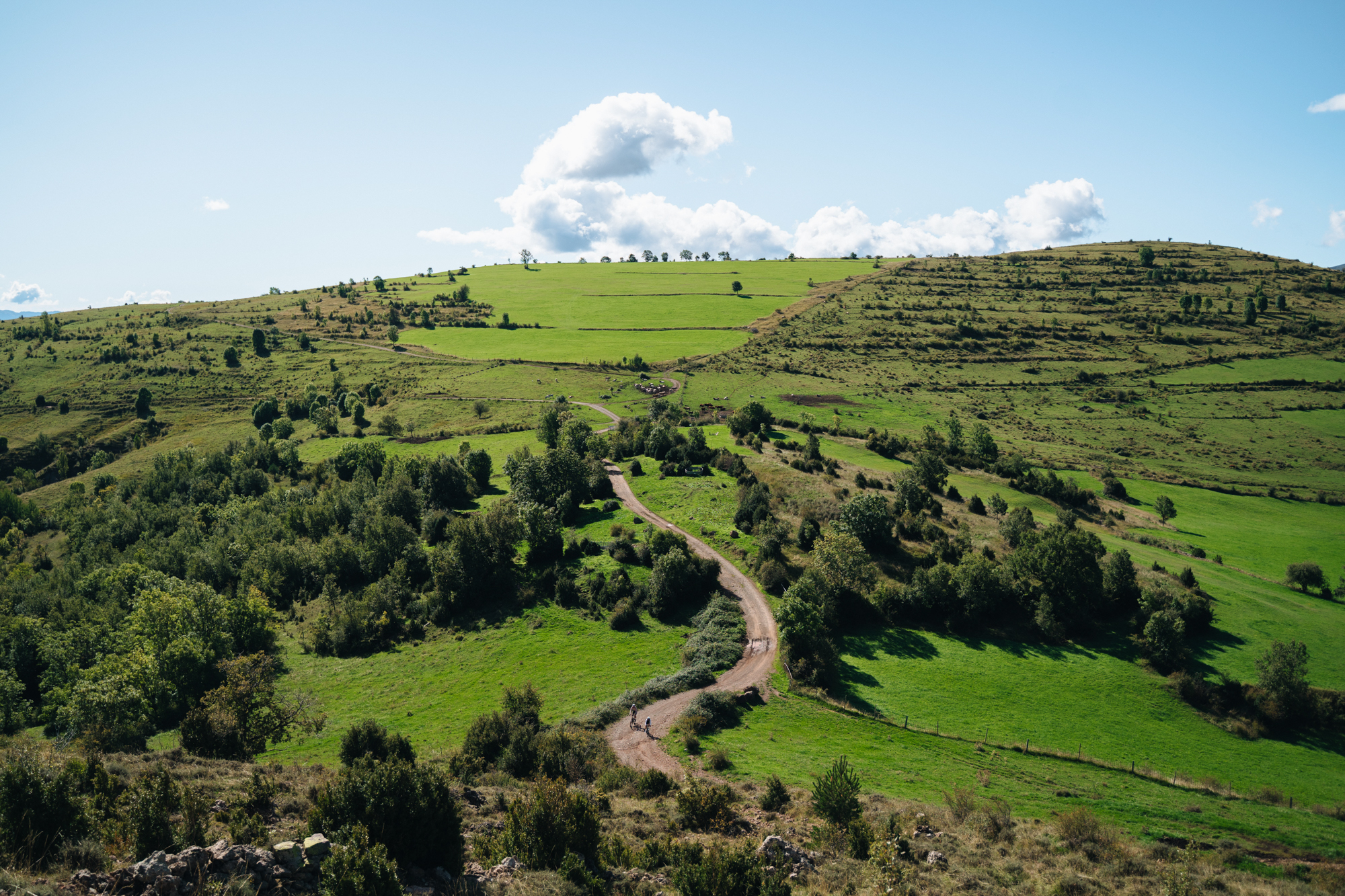
There are stages where the terrain is quite smooth and others where distance ceases to matter, and the high mountain scenery completely absorbs you. Some days are spent riding along the coast, accompanied by the sea breeze; others are spent exploring the region’s countryside and discovering beautiful villages.
What truly defines the journey is the constant transition: the shift from coastal to continental, from agricultural to alpine, from urban to rural. Few routes offer such marked diversity within such a small area.
Experience as a focus
What sets this project apart from other major routes is the intention behind its design. It’s not a route conceived to seek out constant challenges or push cyclists to their limits. The traveler’s experience, contact with the local life, and the continuity of the route are paramount to an epic journey.
The main goal of the design is to place the landscape front and center. The sections were chosen not only for their feasibility but also for their ability to showcase the region. The route doesn’t simply cross Catalonia; it reveals it.
This balance among functionality, safety, and scenic value turns the itinerary into something more than a collection of stages. It’s a design meant to be experienced, not just completed. And those who have already ridden parts of the route agree on one idea: it is not a route whose essence can be fully explained from the outside.
“I thought the weight of the route would lie in the kilometers, but what surprised me most was the constant variety,” María Salvo commented after completing several sections. “The landscape changes every day, but so does the way you experience it.”
Other cyclists, however, highlight the sense of continuity. Not as monotony, but as a guiding thread. As if, despite the differences in landscape, an internal feeling that everything belongs to a single story arises.
At a time when tourism tends to concentrate on specific destinations, this kind of initiative offers a way to spread attention more evenly, connect different areas, and encourage people to look beyond the obvious.
In this sense, the role of the Catalan Tourism Agency is not limited to promotion. There is a broader intention: to build a relationship with the territory that can be explored, interpreted, and ultimately, embraced by those who experience it.
In short, a route can be more than just a route.
Perhaps, in fact, the most interesting thing about the Grand Tour of Catalunya is not completing it. Some routes end, others simply begin each time you return to them. Like a framework. Like an invitation.