One of the defining characteristics of Italy is its diversity. From region to region, the scenery, landscapes, cuisine and architecture change dramatically. This impression is reinforced with every visit, and Friuli-Venezia Giulia proved no different. The region tucked away in Italy’s north-eastern corner, stretching between the Adriatic Sea and the Alps and bordering with Slovenia and Austria, revealed many hidden gems, both on and off the bike, that FVG Bike Trail is aiming to showcase to its participants. Following two successful editions, the bikepacking event returns on 3rd September 2026, starting from Udine.
A non-competitive introduction to bikepacking
Perhaps due to its borderland location, it long remained relatively unexplored even by many Italians. “For many, Udine was just a highway exit sign on their way to Austria or Slovenia,“ says Giacomo Miranda, the co-founder of FVG Bike Trail. Seeking to change that perception, he launched the event in 2024 to showcase his home region through bikepacking.
FVG Bike Trail is not a race, but a self-supported journey through a region rich in natural beauty, culture and gastronomy. The philosophy of the event is built around discovering Friuli’s still overlooked gravel roads, quiet backroads and rich cultural heritage, encouraging participants to experience the region at their own pace rather than chase a finishing time.
As with previous editions, the route takes on a new shape each year. For 2026, participants will ride a new loop starting and finishing in Udine, venturing through the north-western reaches of Friuli-Venezia Giulia, from the historic towns of Gemona and Venzone to the forests, rivers and mountain landscapes further west. Alongside the two established gravel routes, the organizers are introducing two road alternatives for the first time. While tailored to different bikes and ambitions, all four routes share much of the same territory, creating opportunities for riders to cross paths and experience the region together.
With routes ranging from 200 to 400 kilometers, FVG Bike Trail appeals both to riders looking for their first bikepacking adventure and to seasoned cyclists seeking a deeper exploration of Friuli. The shorter options are designed to be completed in one or two days, while the flagship routes offer up to four days of riding and more than 6,000 meters of climbing.
To get a better understanding of what makes the event special, we joined the organizers for a two-day preview of selected sections from both the gravel and road routes. It quickly became clear that FVG Bike Trail is about far more than simply linking together scenic roads and trails.
Quiet roads and subtle gravel paths
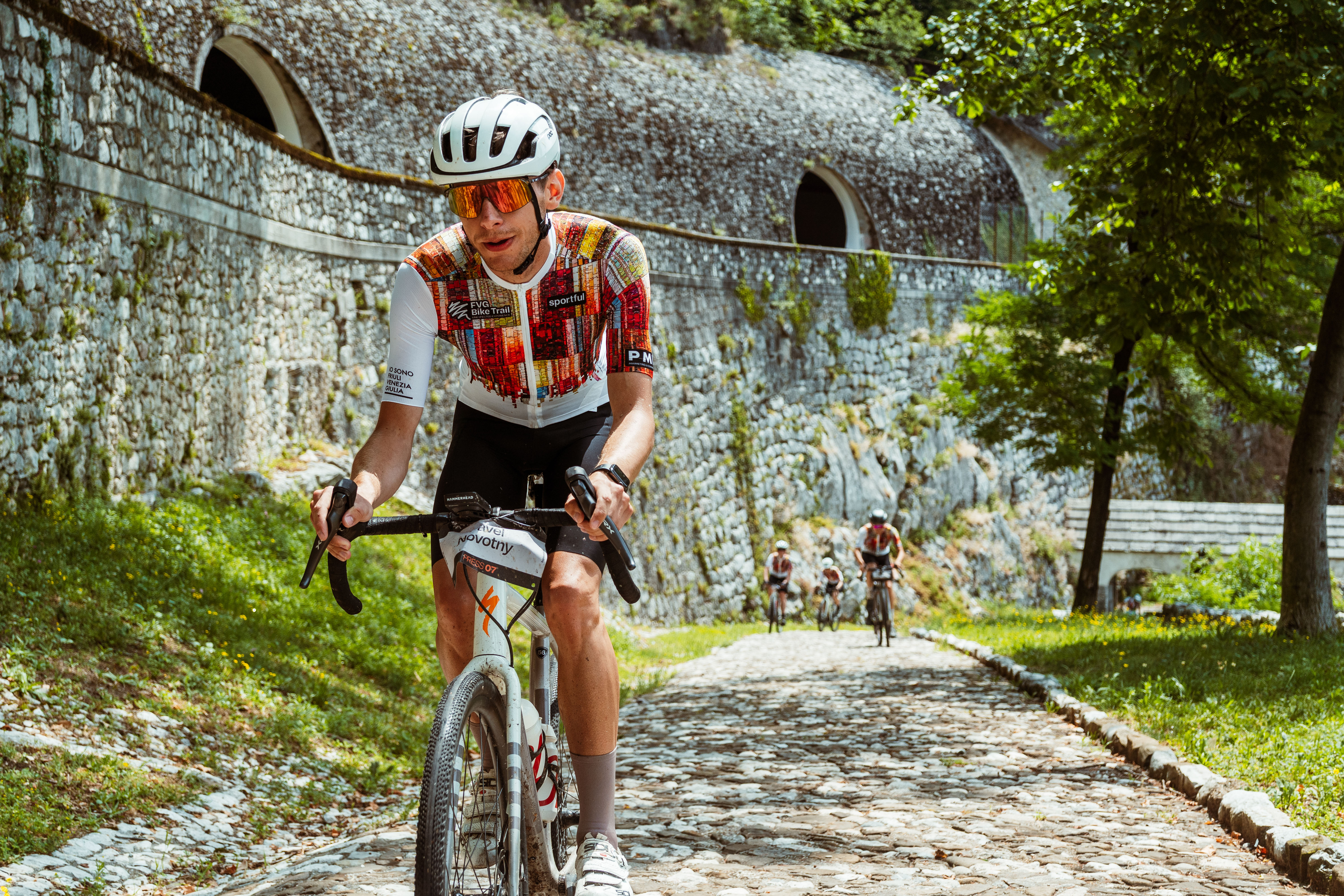
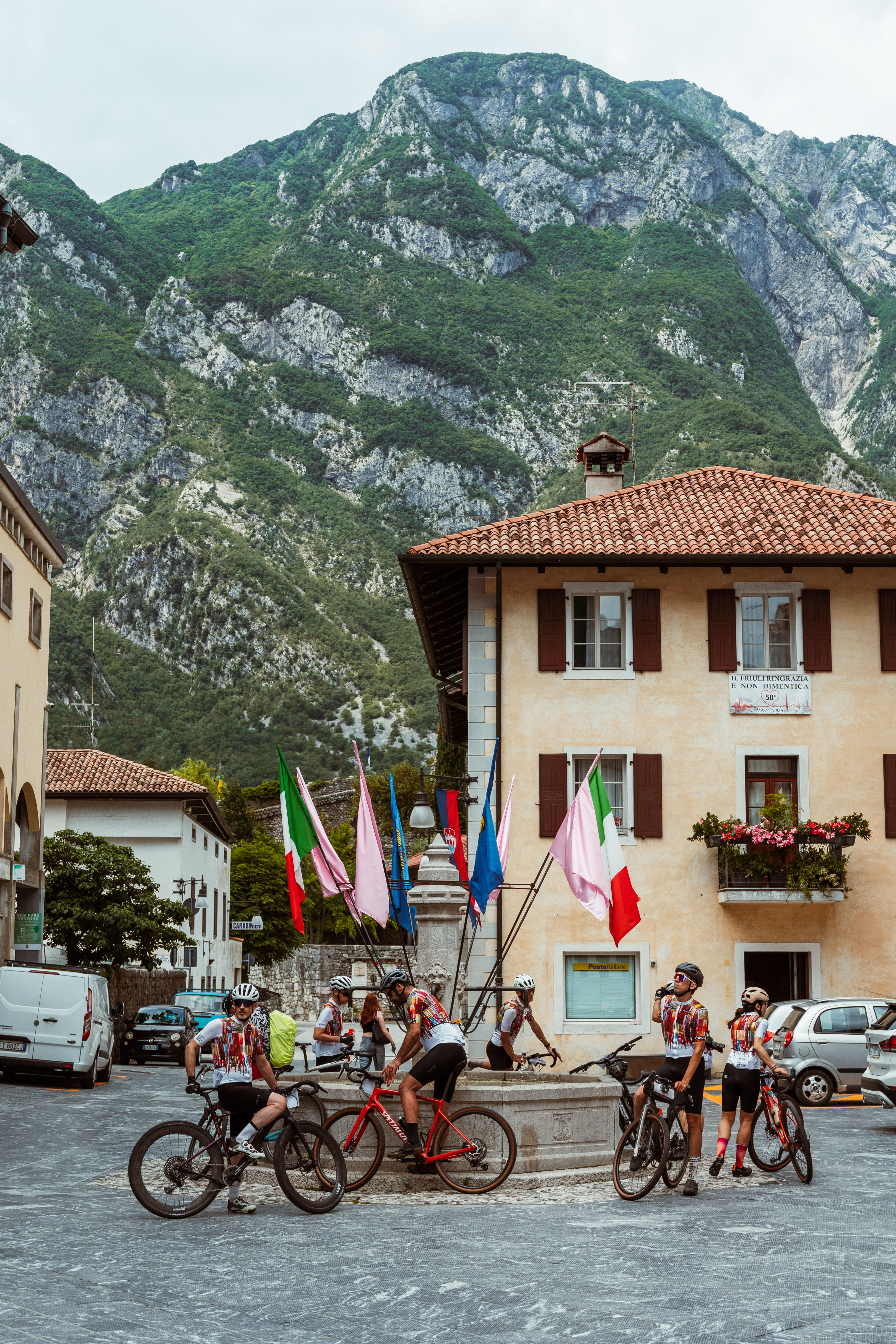
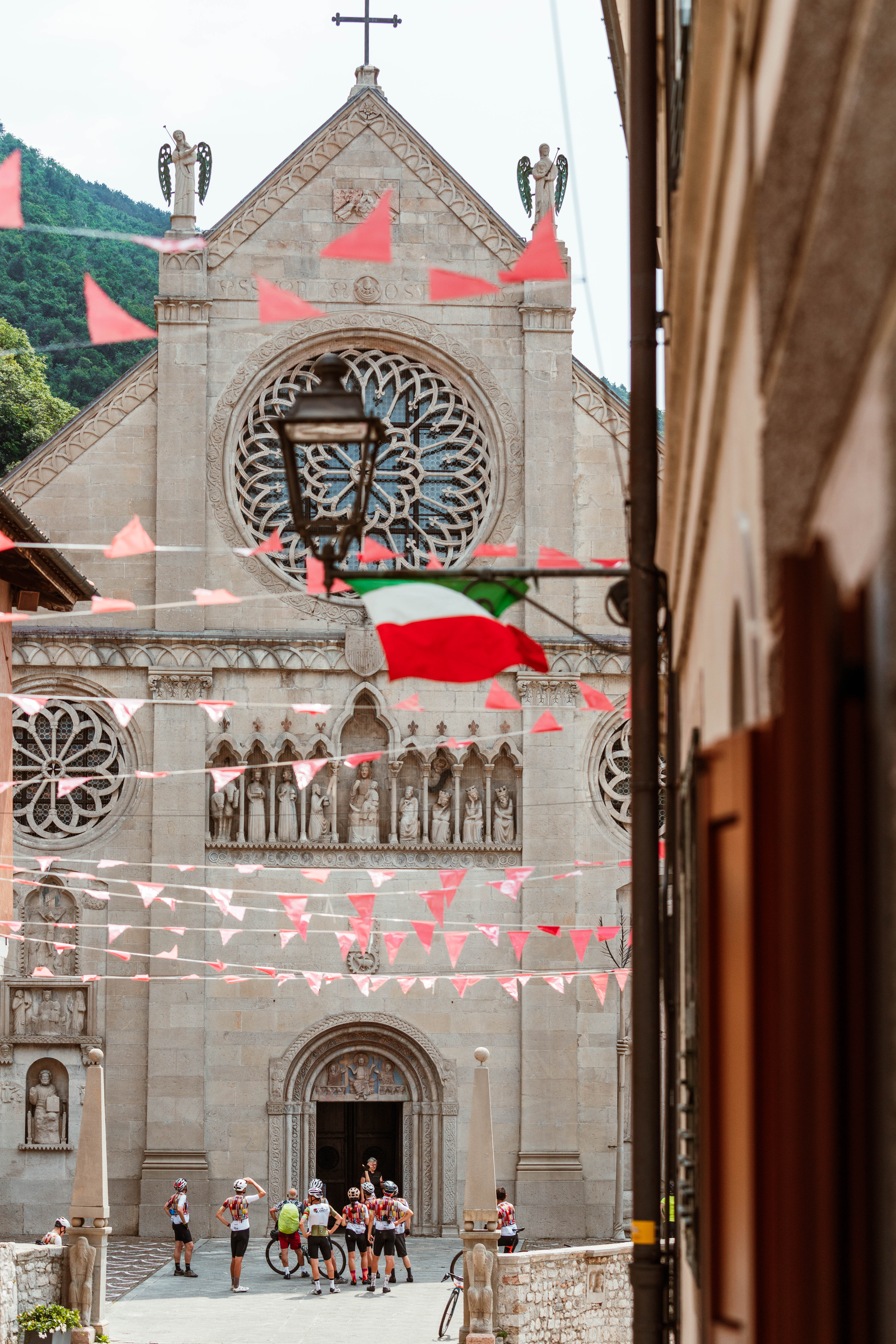
We set off the first day from Udine and passed through the historic towns of Gemona and Venzone towards San Daniele del Friuli. That section of the route carries additional significance as 2026 marks fifty years since the devastating Friuli earthquake. By passing through two of the towns most affected by the disaster, FVG Bike Trail pays tribute to the region’s resilience and remarkable recovery.
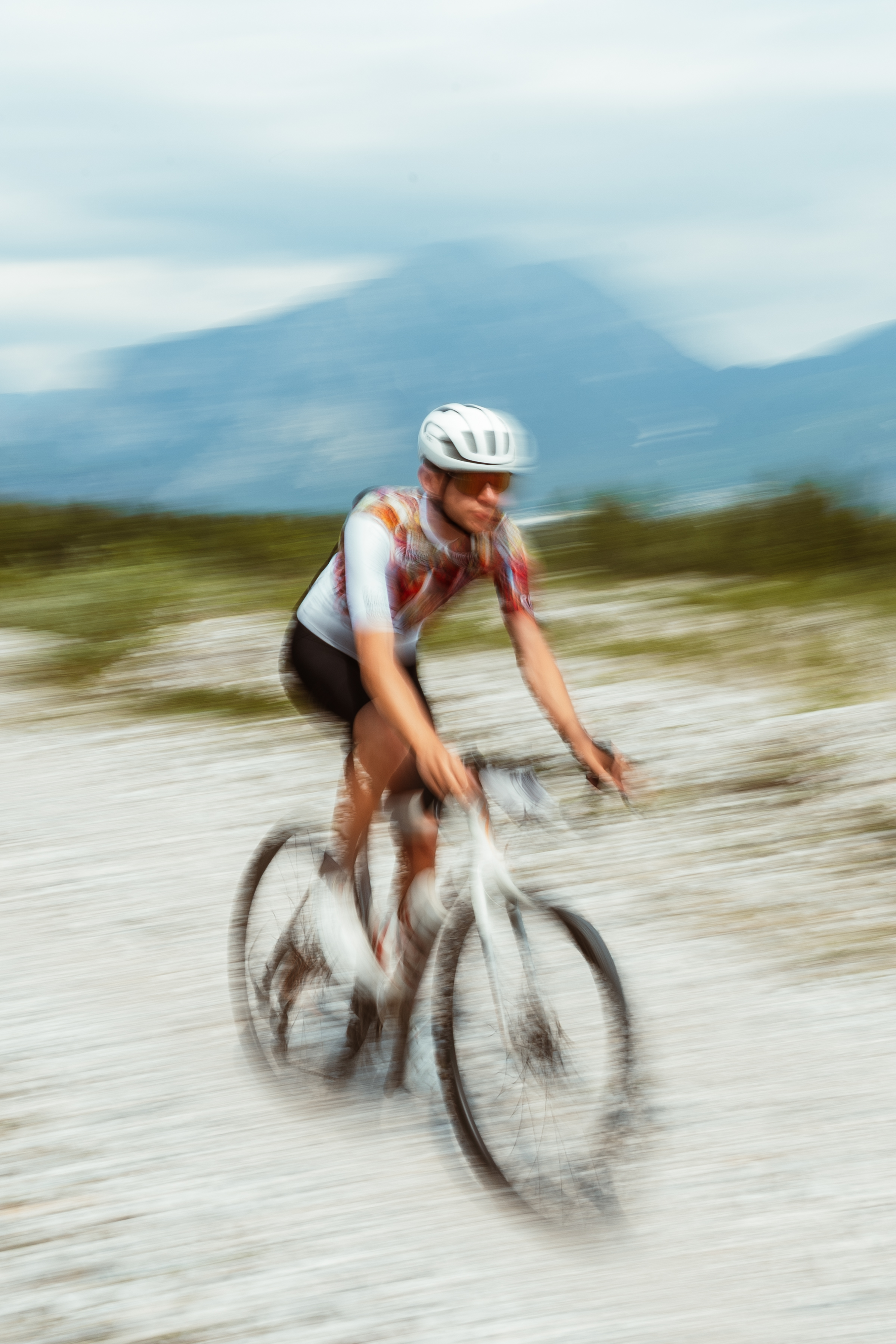
If there was one word to describe the gravel trails in Friuli, it would be subtle.
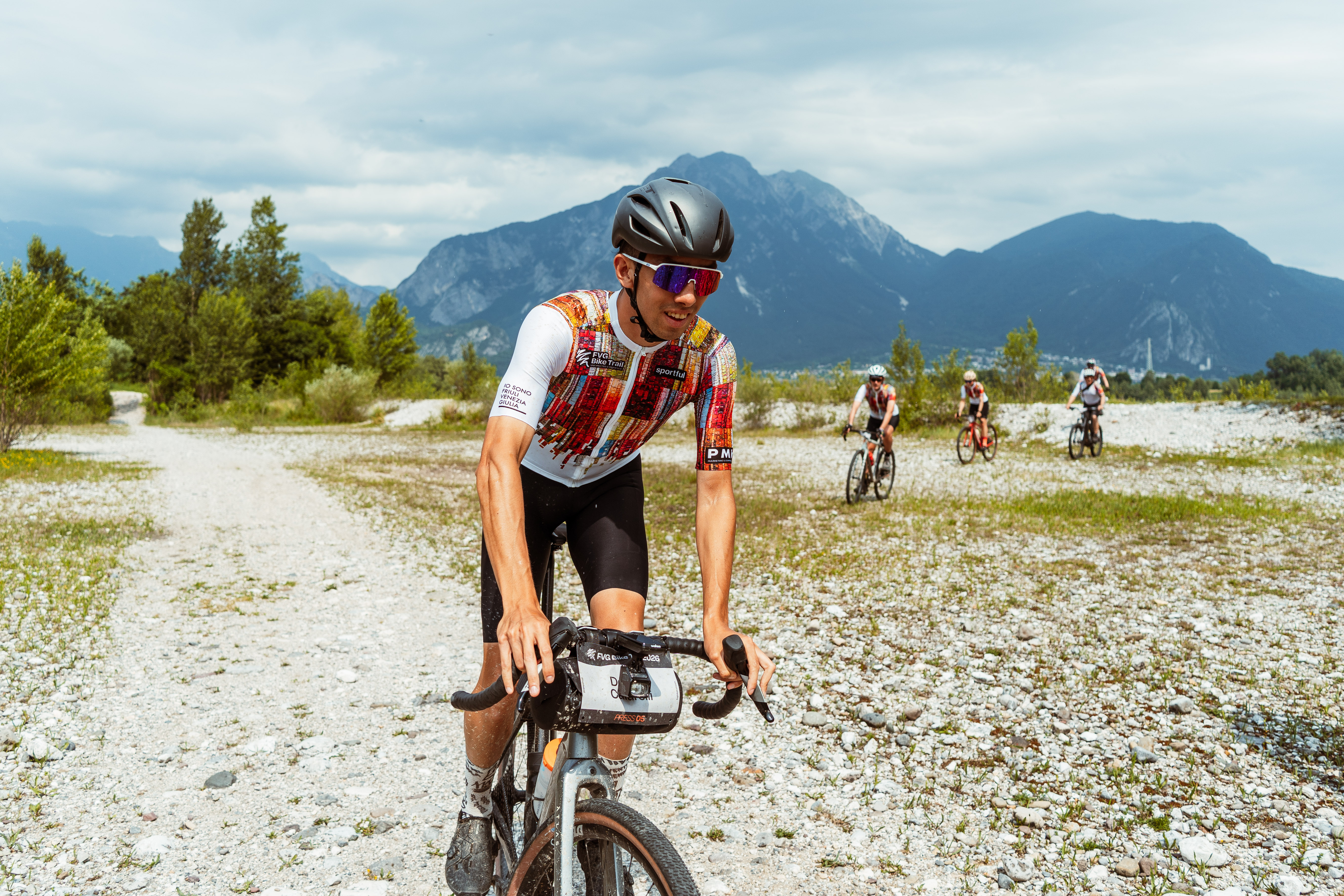
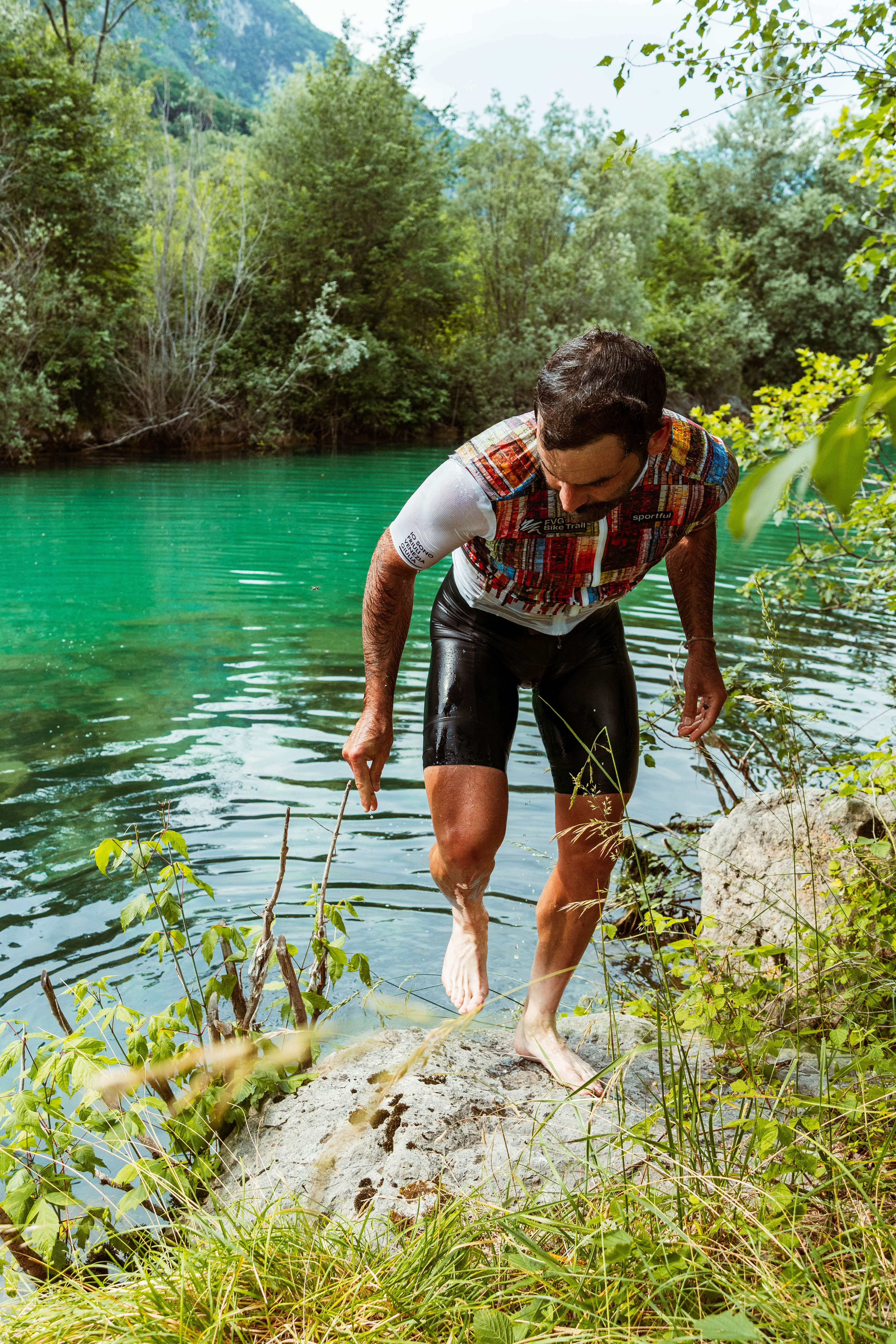
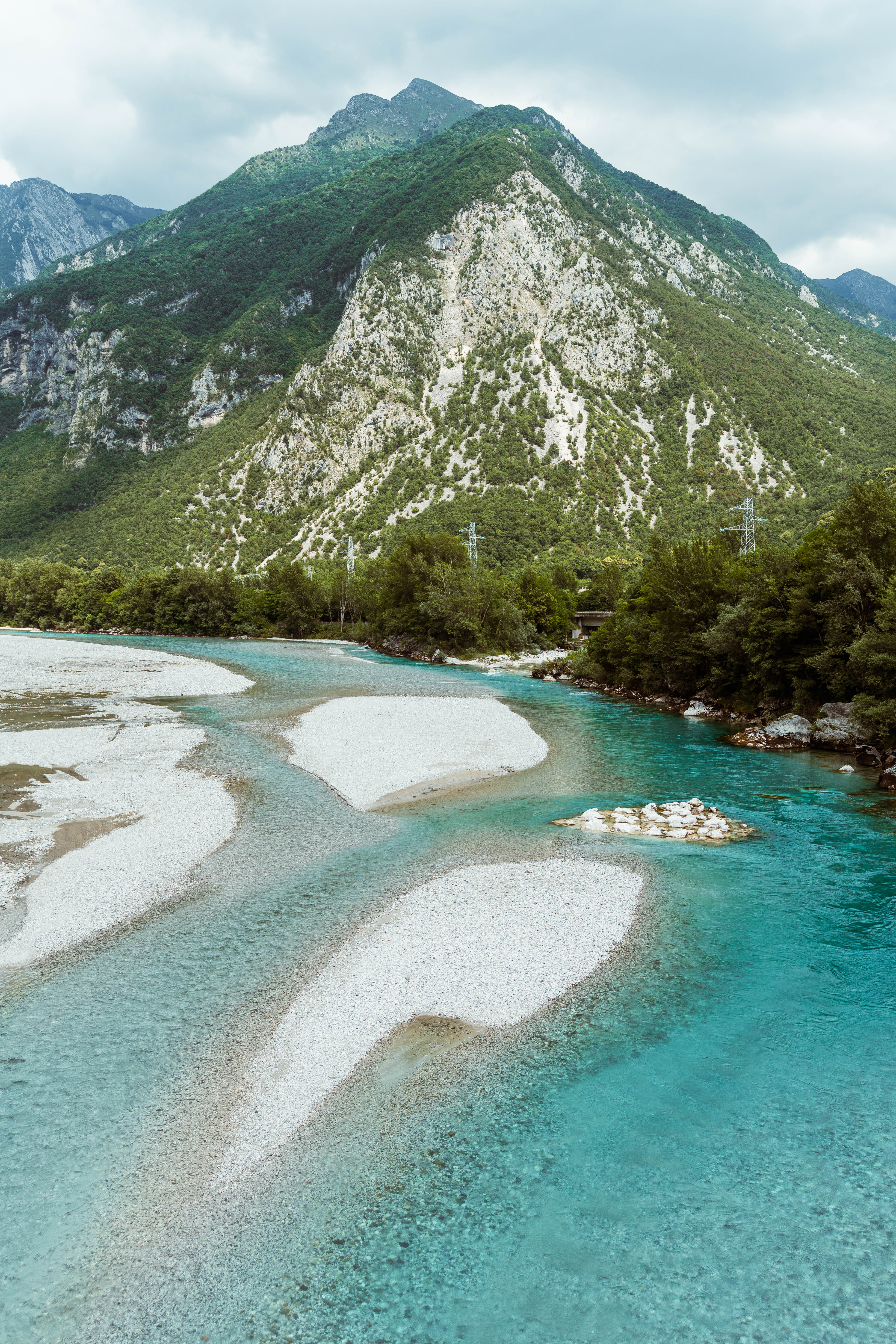
Here and there we took a turn off the tarmac road onto a path which would otherwise remain unnoticed, taking us along vineyards, forests, always with the view of the Alpine peaks rising on the horizon. On one of those gravel paths, we suddenly found ourselves on a beautiful, raw stretch alongside the mighty Tagliamento River, inviting for a dip in the fresh water.
In Tuscany, for example, you ride gravel because it is famous. In Friuli, you ride gravel because it takes you somewhere unexpected.
Perhaps that’s what makes gravel riding in Friuli so rewarding. Rather than following roads that have already earned legendary status, you find yourself discovering places you would never have intentionally searched for. In fact, even many local participants of the previous editions acknowledged that they did not know about many of those trails, despite passing by them frequently, as Giacomo told us.
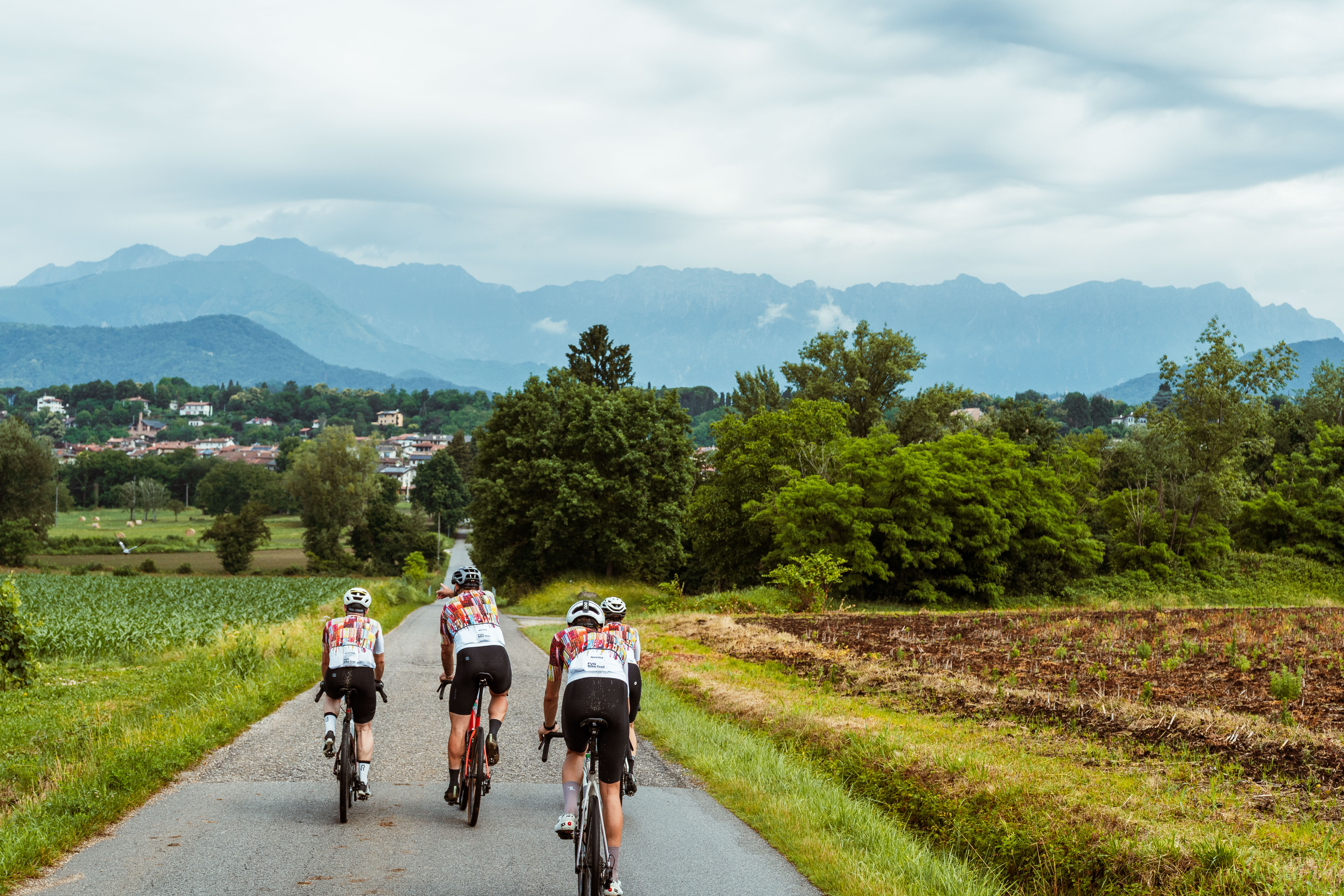
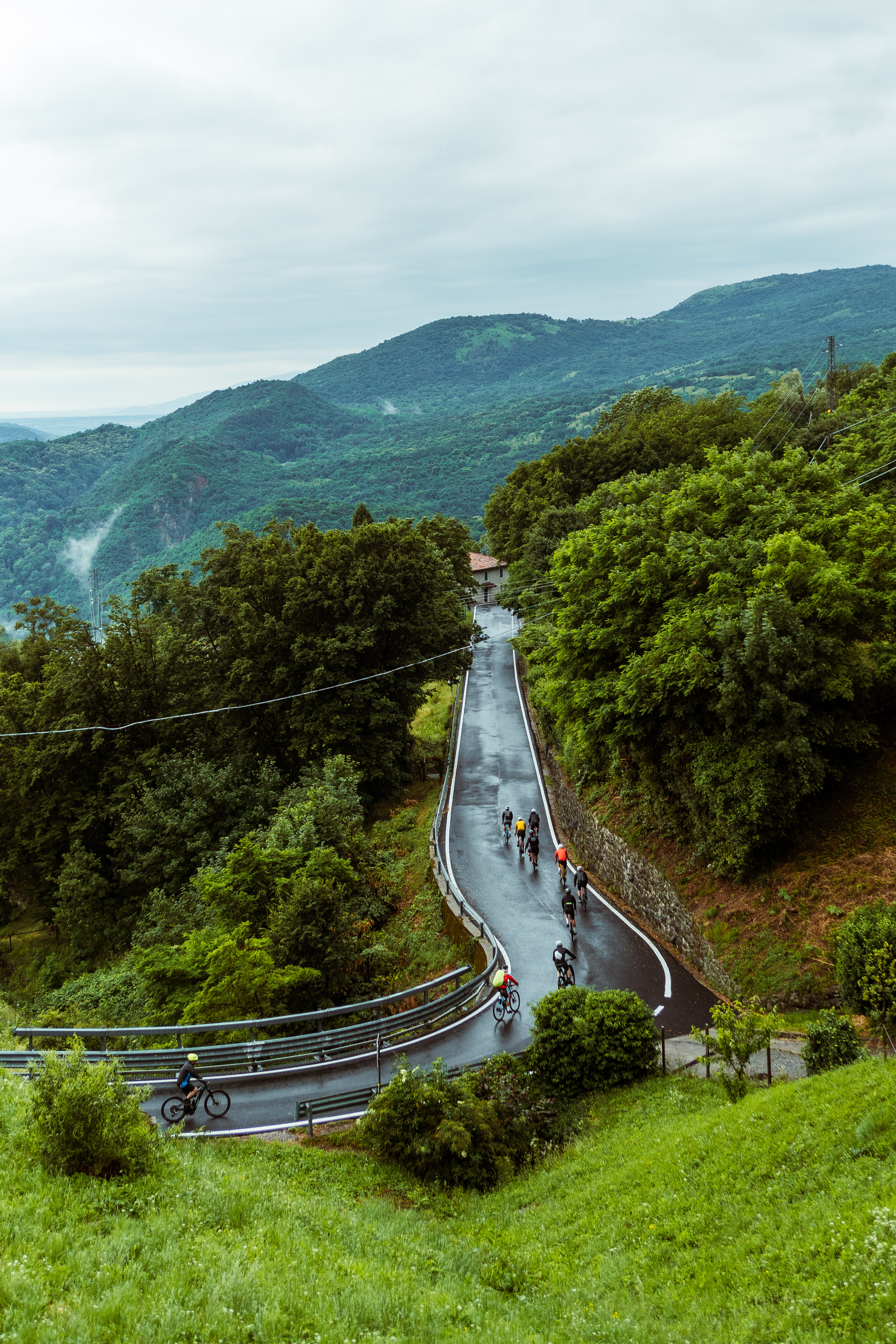
On the second day, we explored some parts mainly of the event’s road course, specifically the section between San Daniele and Spilimbergo. The route took us to some quiet roads through forest hills, touching the foot of the Alps. Clauzetto, a little town on top of a climb was especially remarkable, offering views towards the Adriatic coast in one direction and the Alps in the other, with the massive Tagliamento River in between.
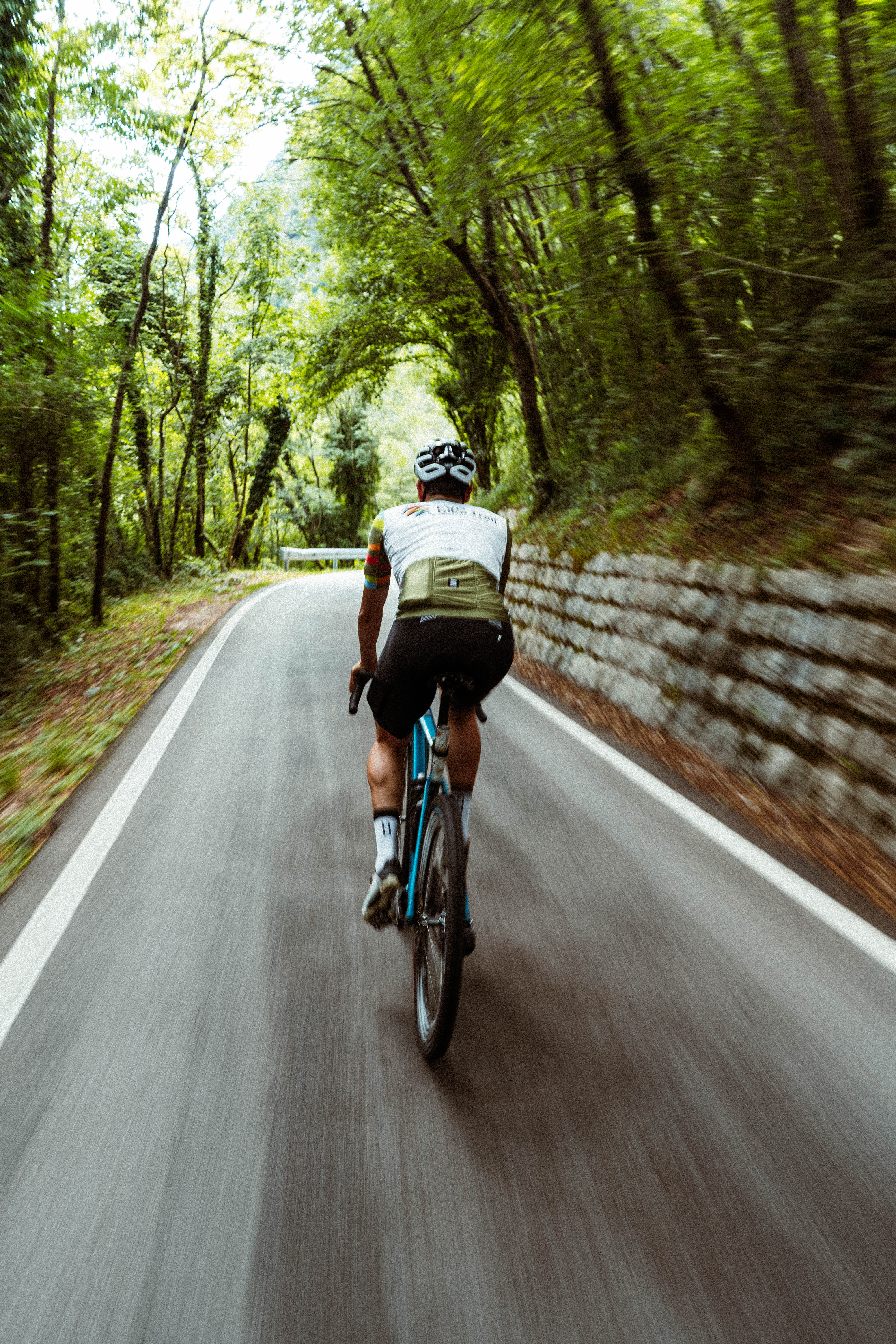
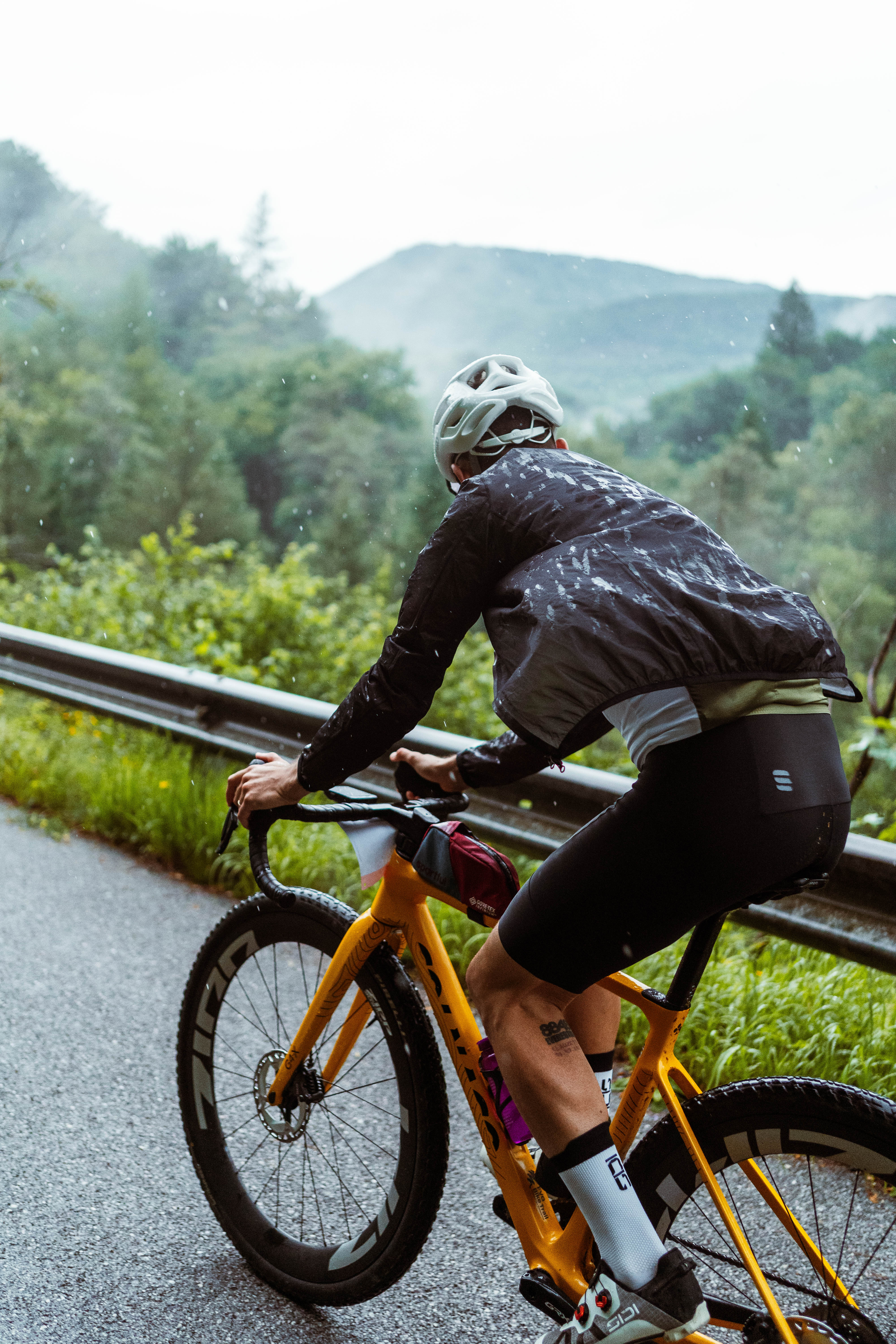
Given that the countryside of Friuli is sparsely inhabited, we barely met any cars throughout the whole day, making the roads even more enjoyable, both to slow down for a moment to embrace the views, or to enjoy a winding descent on a smooth tarmac from Clauzetto towards Spilimbergo without any traffic. The foggy and rainy conditions underlined the mystical atmosphere of this part of the quiet region as we hardly crossed paths with anyone.
Culture beyond the ride
After two days spent moving between forests, historic towns and the recurring presence of the Tagliamento River, it became impossible to ignore how deeply culture is woven into everyday life in Friuli. Much like the landscapes themselves, the region’s traditions reflect a unique blend of Italian, Austrian and Slovenian influences, creating an identity that feels distinct from the rest of the country.
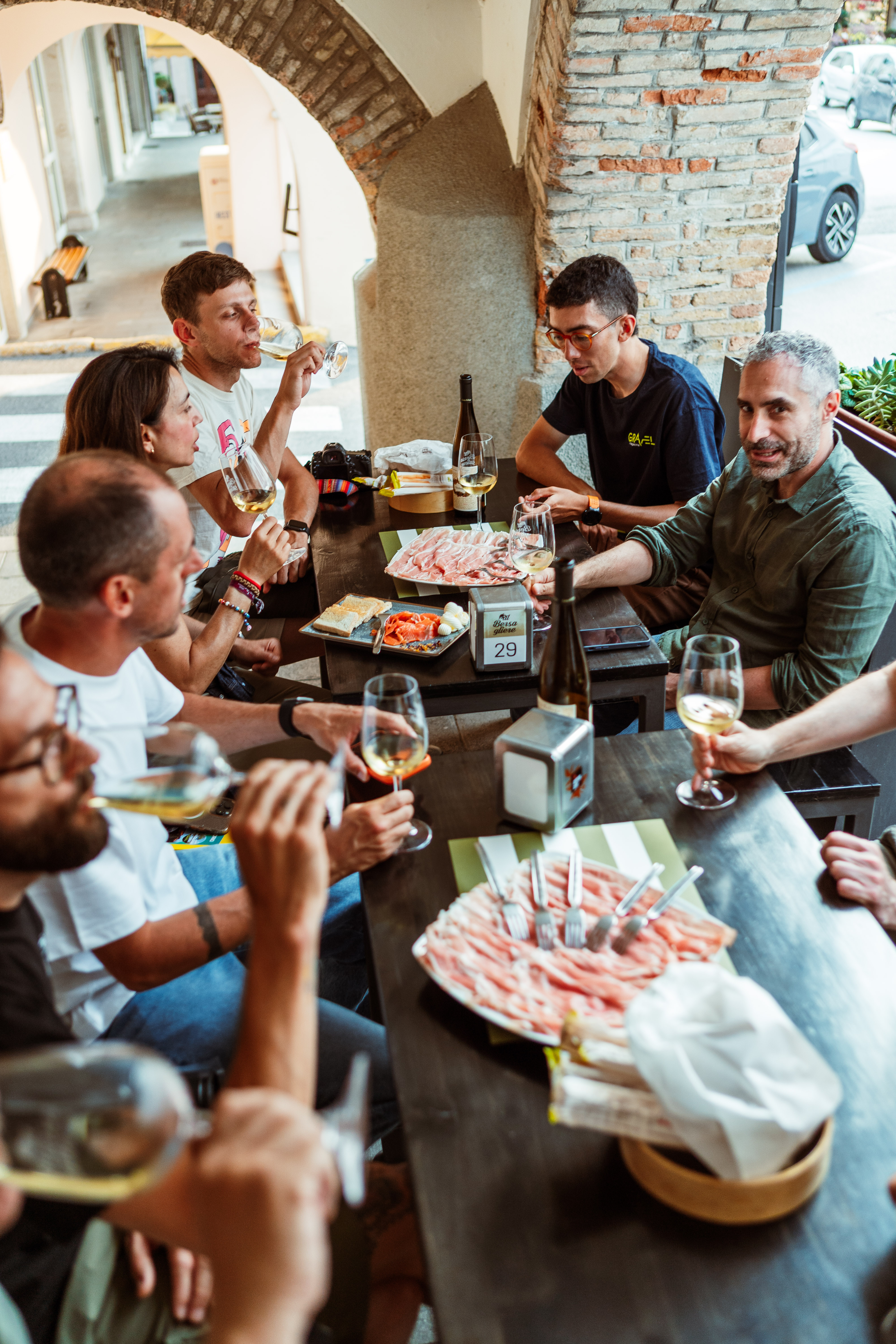
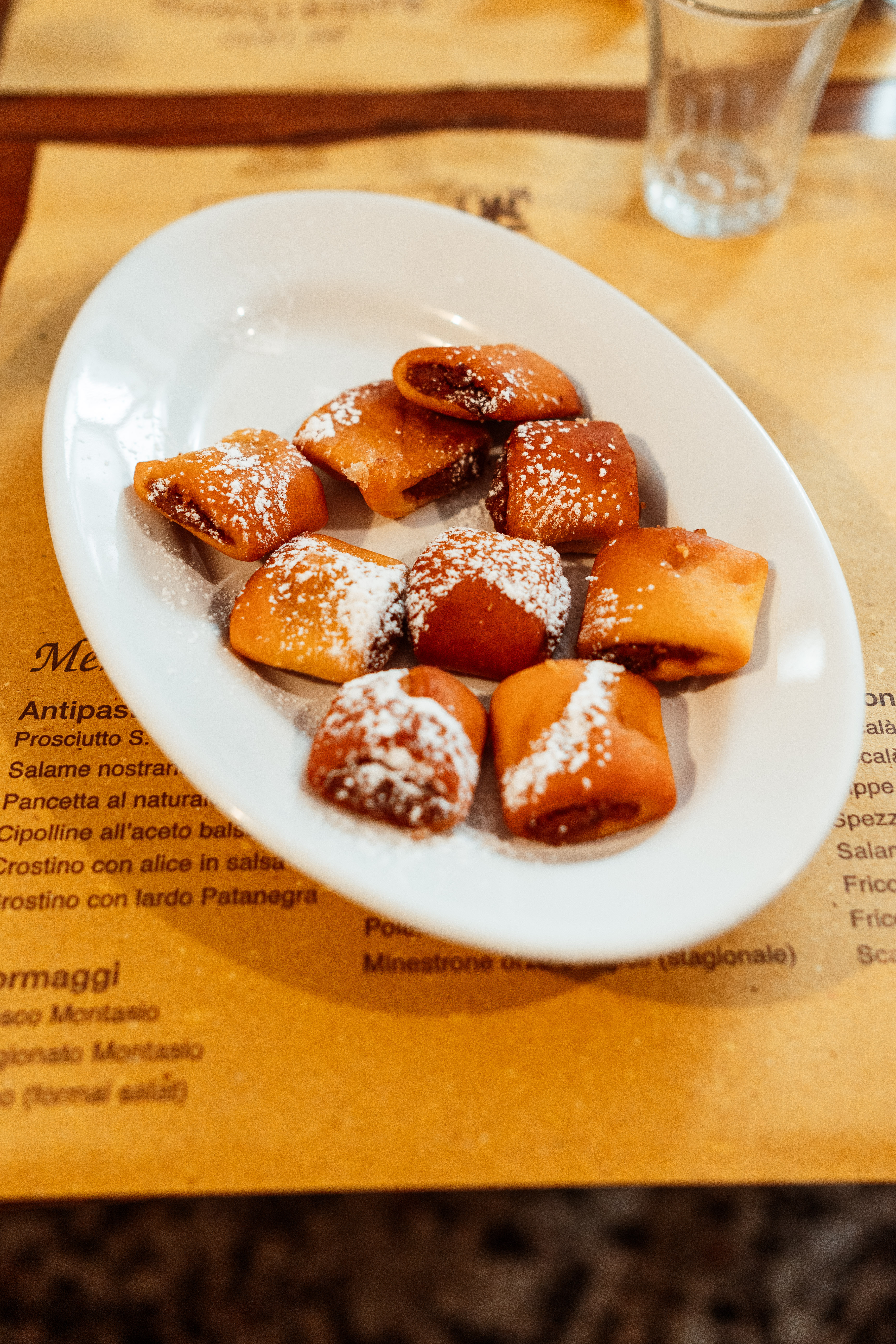
From a gastronomic perspective, the route offers plenty of opportunities to discover local flavours. Several businesses along the course focus on slow food dining and high-quality regional products. Riders passing through San Daniele del Friuli can also taste the town’s famous Prosciutto di San Daniele, one of the region’s most iconic culinary specialities. Also, one must not skip the delicious pastry strucchi or gubana on their coffee stop, or the frico, a kind of cheesy tortilla de patatas, to fuel their ride.
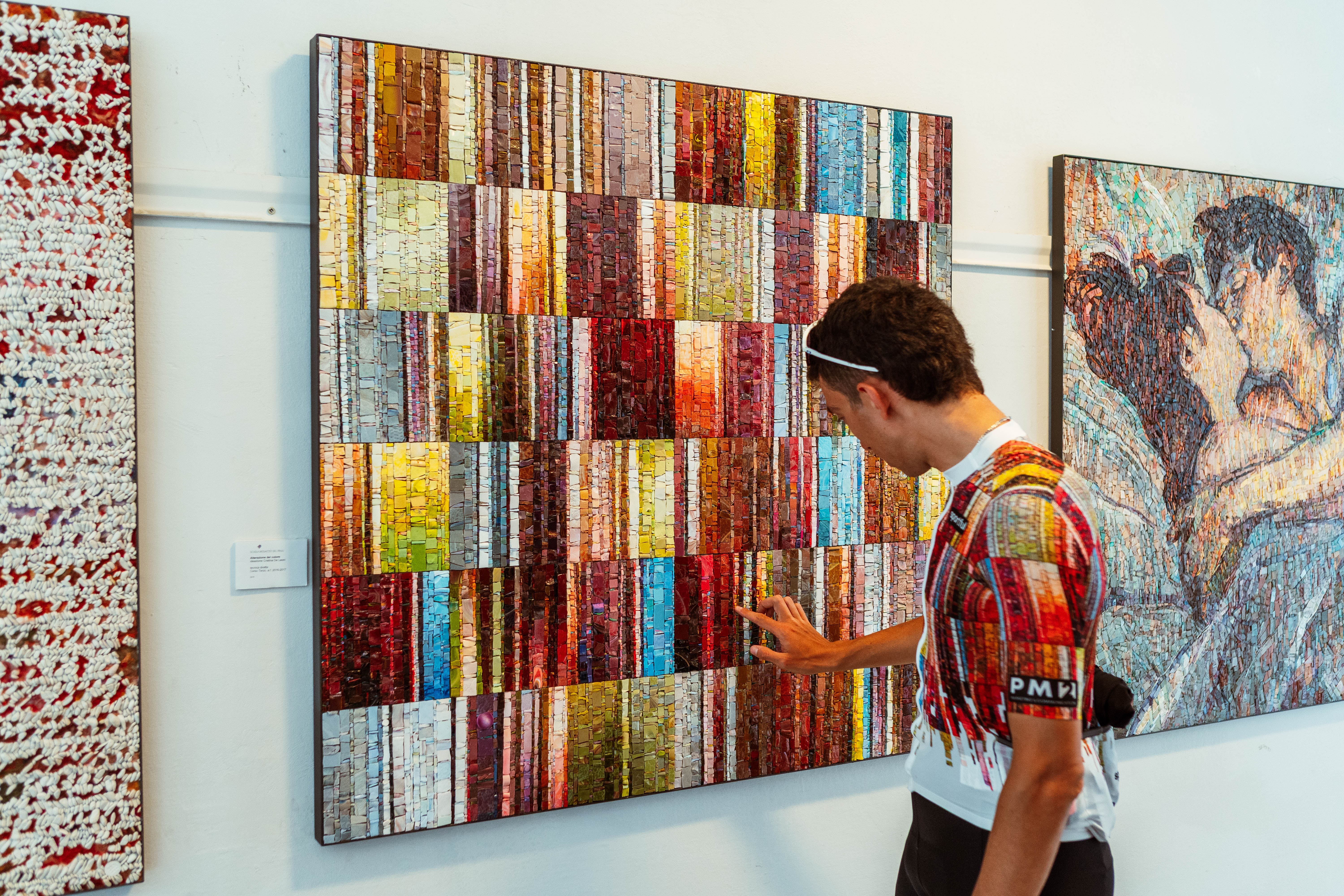
To further connect the event with the region, the organizers collaborate each year with a local artist or cultural institution to create the official jersey design. For the 2026 edition, they partnered with the world-renowned mosaic school, Scuola Mosaicisti del Friuli in Spilimbergo, drawing inspiration from the mosaic artwork Frammenti d’insieme. The result is a jersey that celebrates one of Friuli’s most distinctive artistic traditions.
The beauty of the unexpected
In a country blessed with countless iconic cycling destinations, Friuli-Venezia Giulia remains refreshingly understated. Its appeal does not lie in famous roads or legendary climbs, but in the sense of discovery that still accompanies every ride.
That is precisely what makes the region such a natural fit for an event like FVG Bike Trail. Rather than simply guiding riders from one landmark to another, it encourages them to slow down, look closer and immerse themselves in a corner of Italy where cycling, culture and everyday life remain deeply intertwined. After two days on its roads and trails, it was difficult not to feel that this is exactly how bikepacking was meant to be.