Testing the new BMC Kaius 01 at the biggest gravel race in Europe
Estimated reading time: 7 minutes
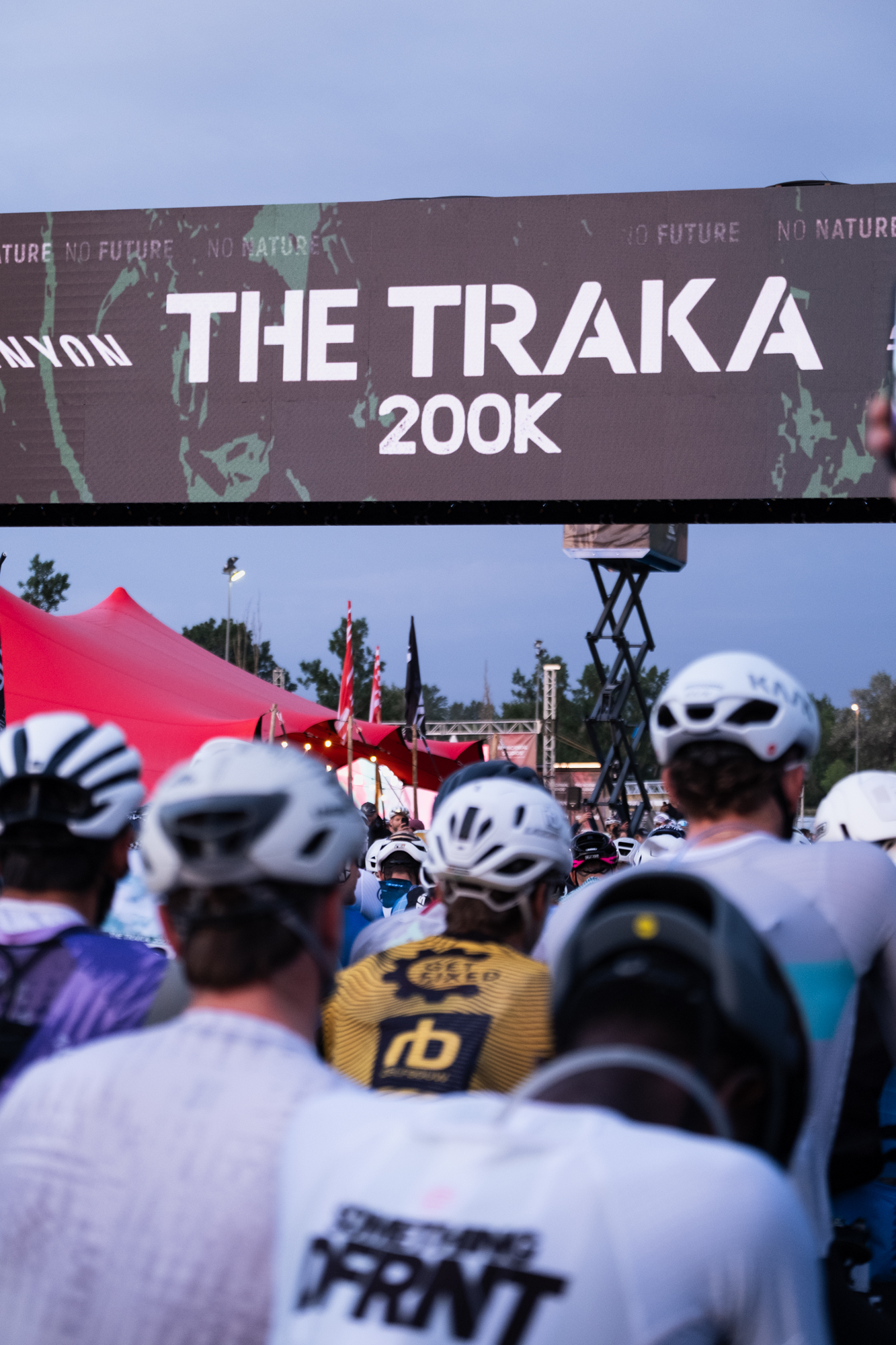
For brands present in gravel, there may not be a more important proving ground than The Traka. What started as a local gravel adventure around Girona has become a global reference point for the discipline, attracting WorldTour professionals, privateers, media crews, and nearly every major cycling brand in the industry. Product launches that once belonged to sterile convention centers and trade shows now happen on dusty roads, under Mediterranean sun, surrounded by thousands of riders who will immediately put those products to the test.
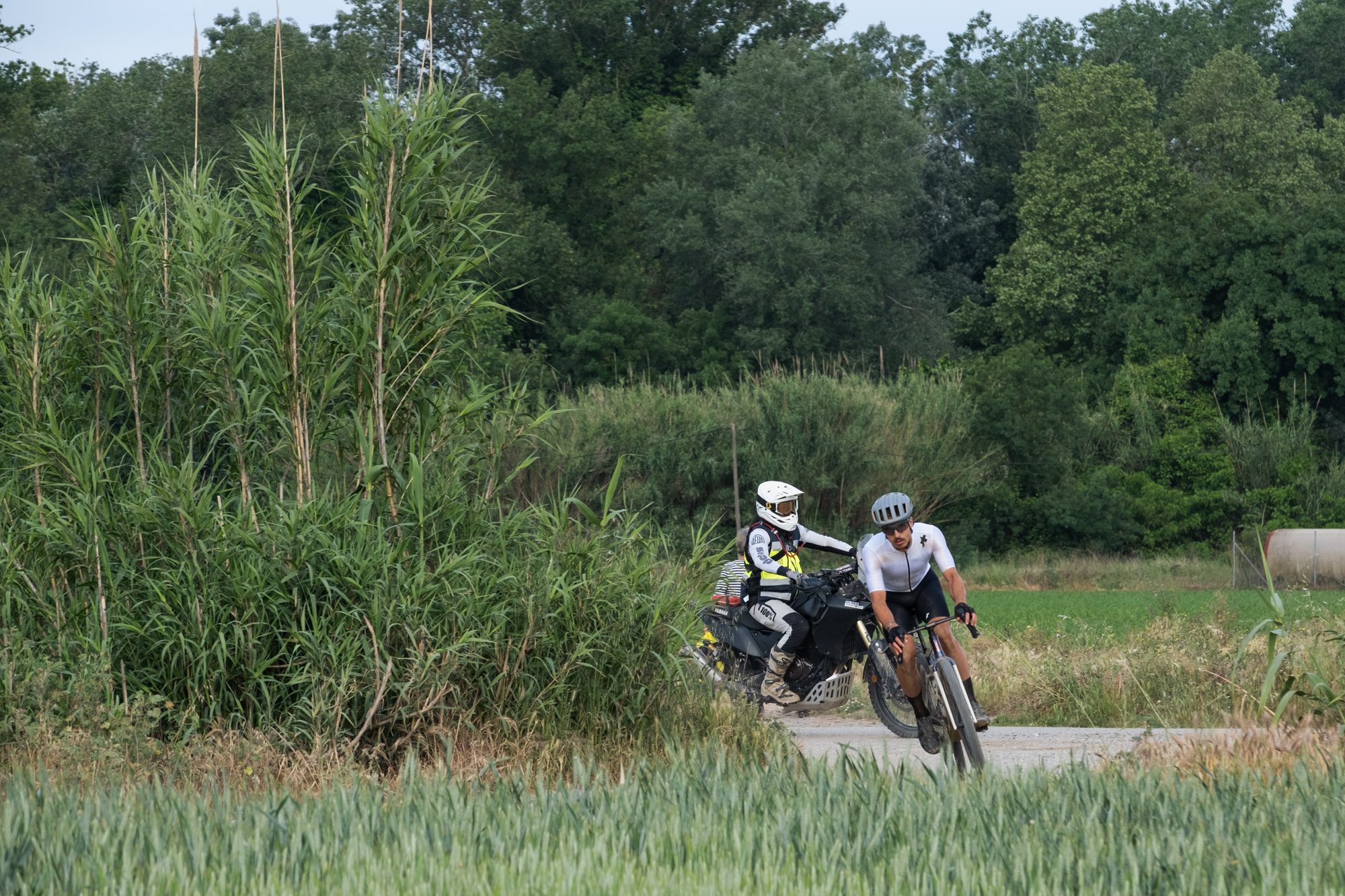
That context matters when talking about the new BMC Kaius 01. BMC did not simply unveil a new gravel bike; it placed it directly into the chaos, speed, and unpredictability of one of the hardest and most competitive gravel races on the calendar. Launching a product that week was risky, but it still stood out.
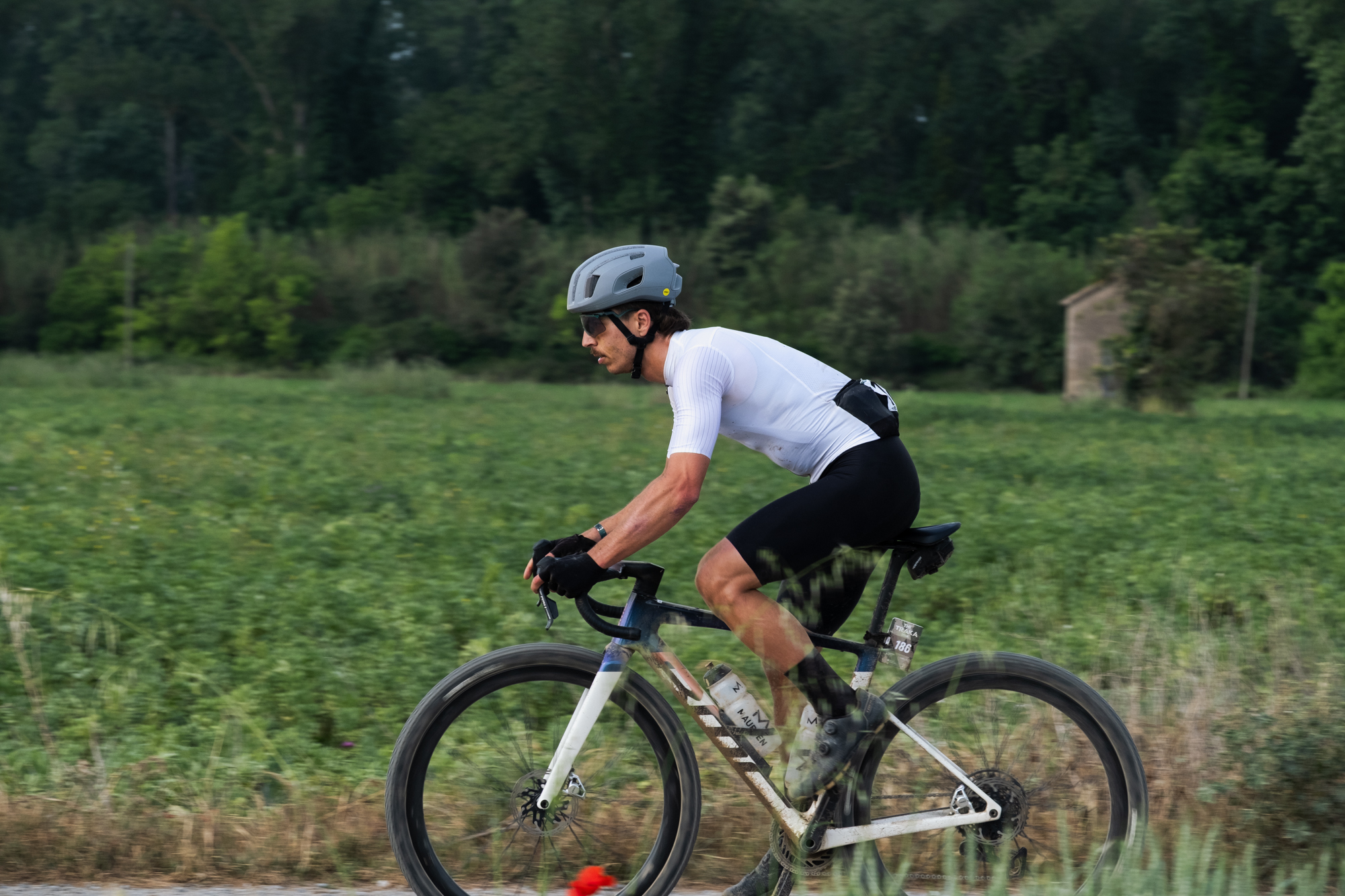
After a first test in Sardinia, we had the opportunity to race the Kaius in the 200-kilometer event taking place in our backyard, and it felt like the purest possible way to understand what this bike was truly built for.
First impressions on the eve of the race
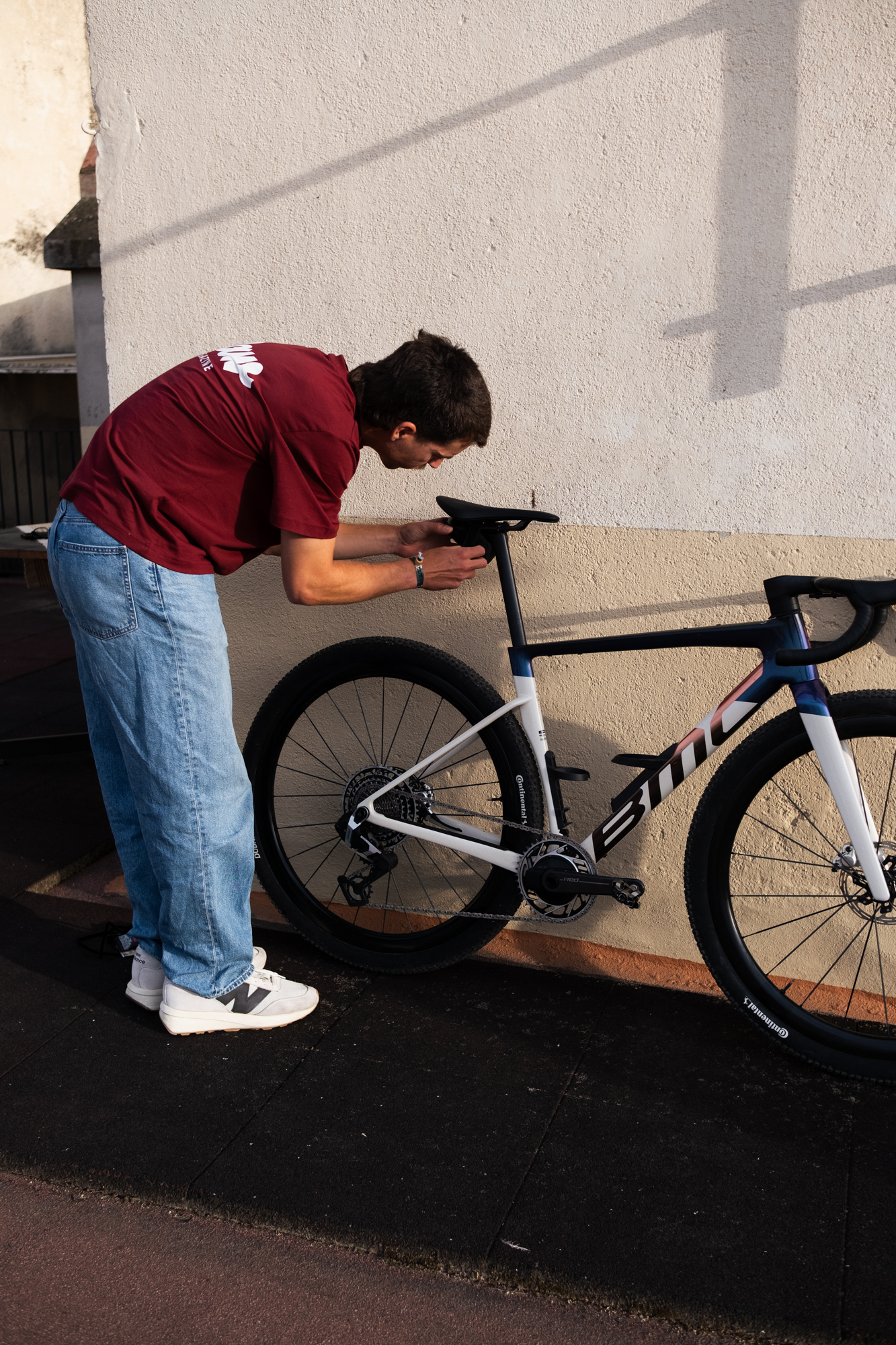
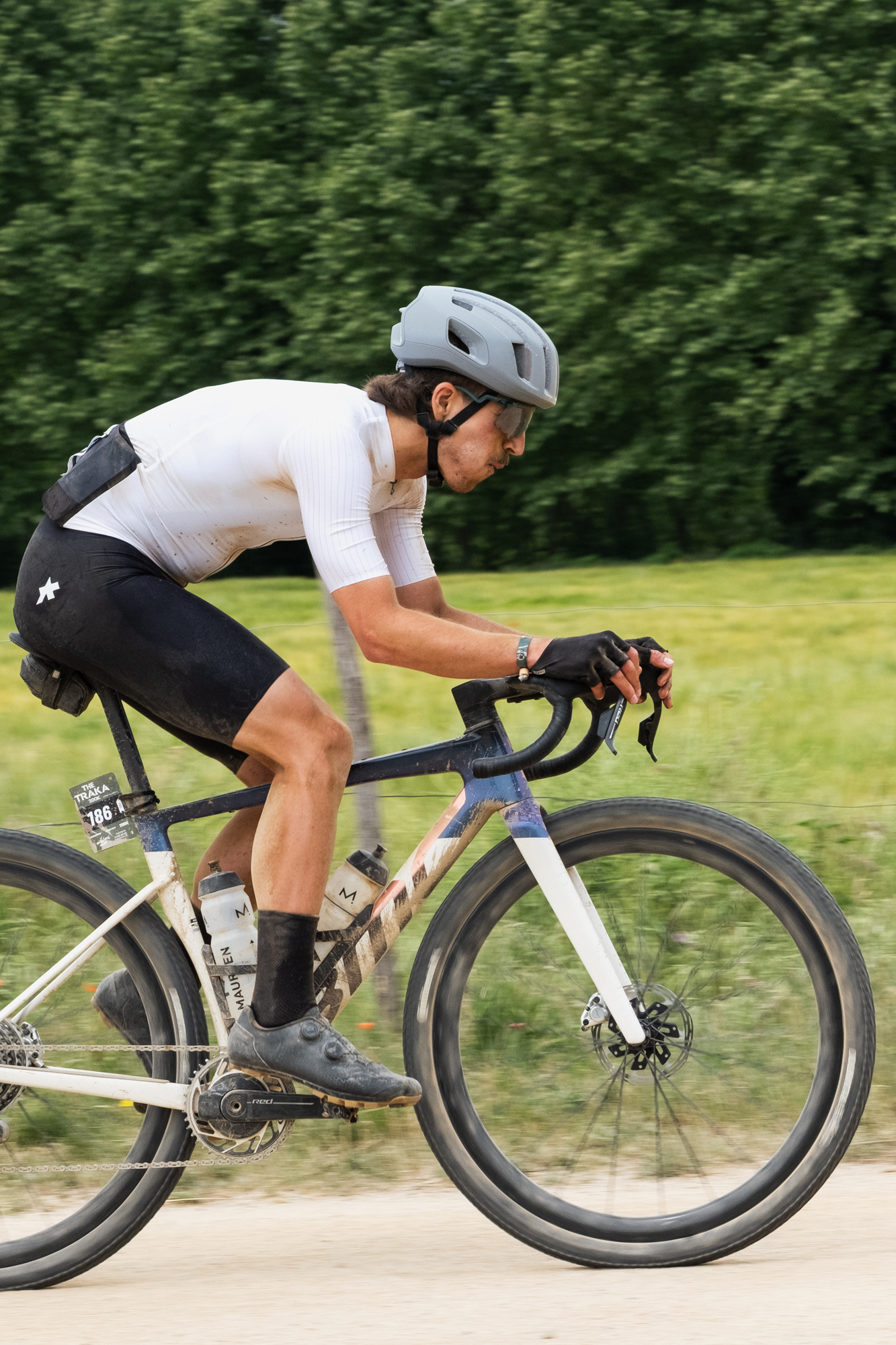
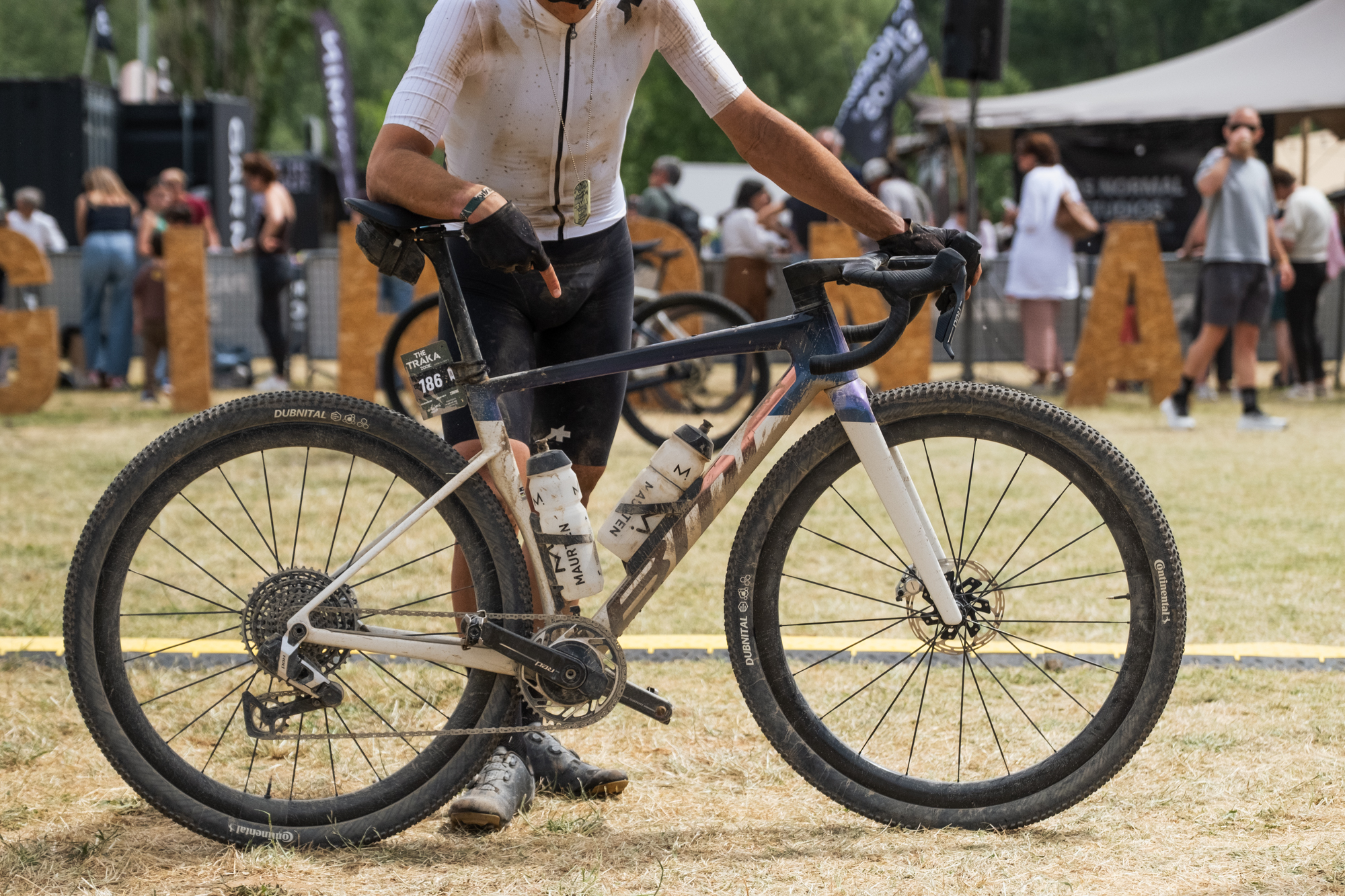
We received the bike only a couple of days before the race. Tire choice immediately became the main discussion point. We could choose between the 50 mm wide Continental Dubnital and the slicker Continental Terra Competition Race Rapid, but eventually decided to race with the more aggressive Dubnital. Was the tread excessive for the course? Possibly. But knowing most sections of the route already, we preferred confidence over marginal rolling resistance gains.
The default 42T chainring paired with the 46T sprocket of our SRAM Red XPLR AXS was already good for us. On paper, it looked like the ideal setup for the brutally steep climbs characteristic of Girona gravel racing, where maintaining cadence often matters more than outright speed. The CG 39 SL Carbon, which are not excessively promoted by the brand despite their interesting features, were the wheels we were going to race with.
The day before the start, we went for a short and controlled shakedown ride. The goal was not to test fitness, but to understand the bike: position, handling, responsiveness, tire pressure. Still, curiosity quickly took over.
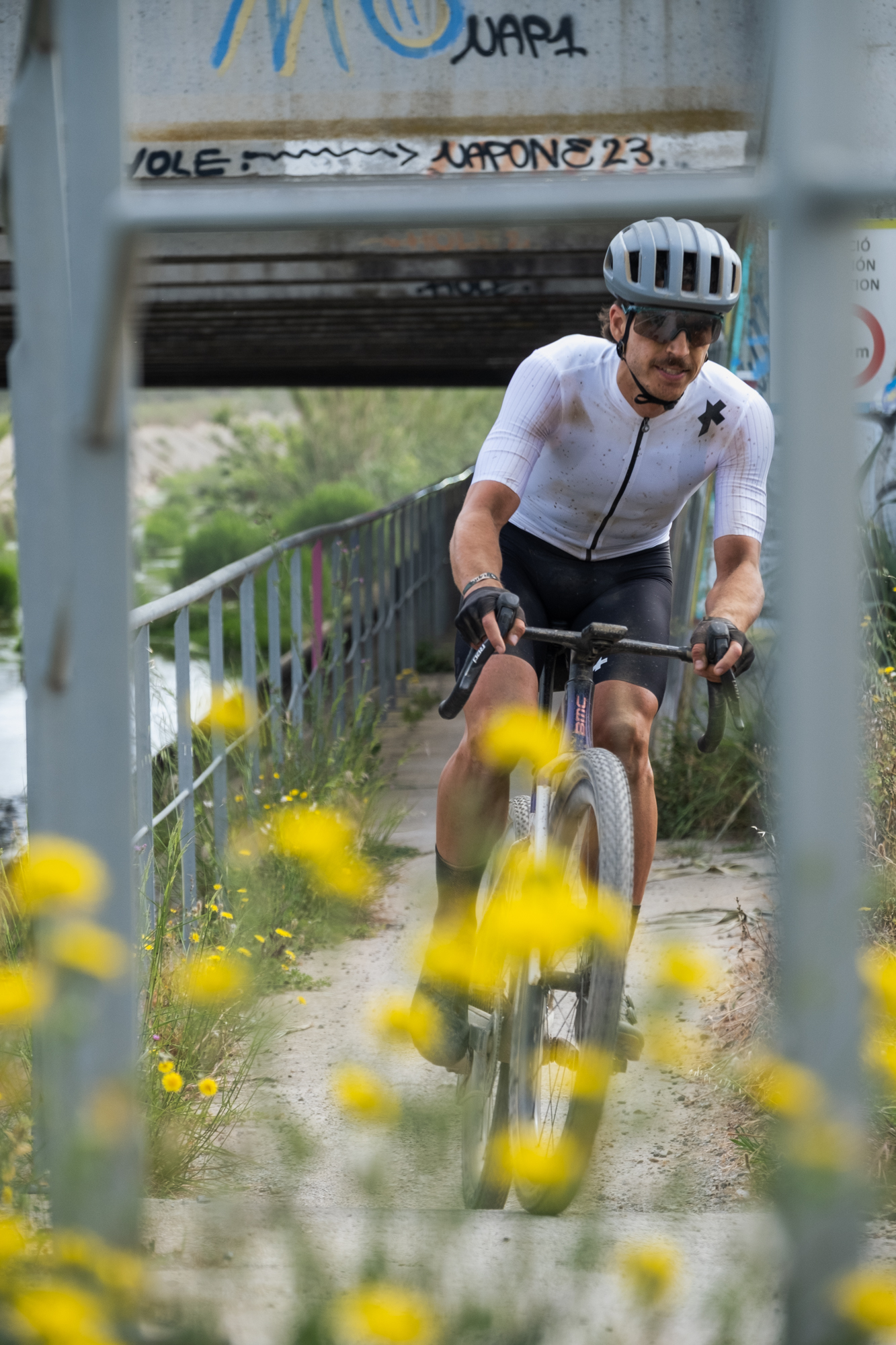
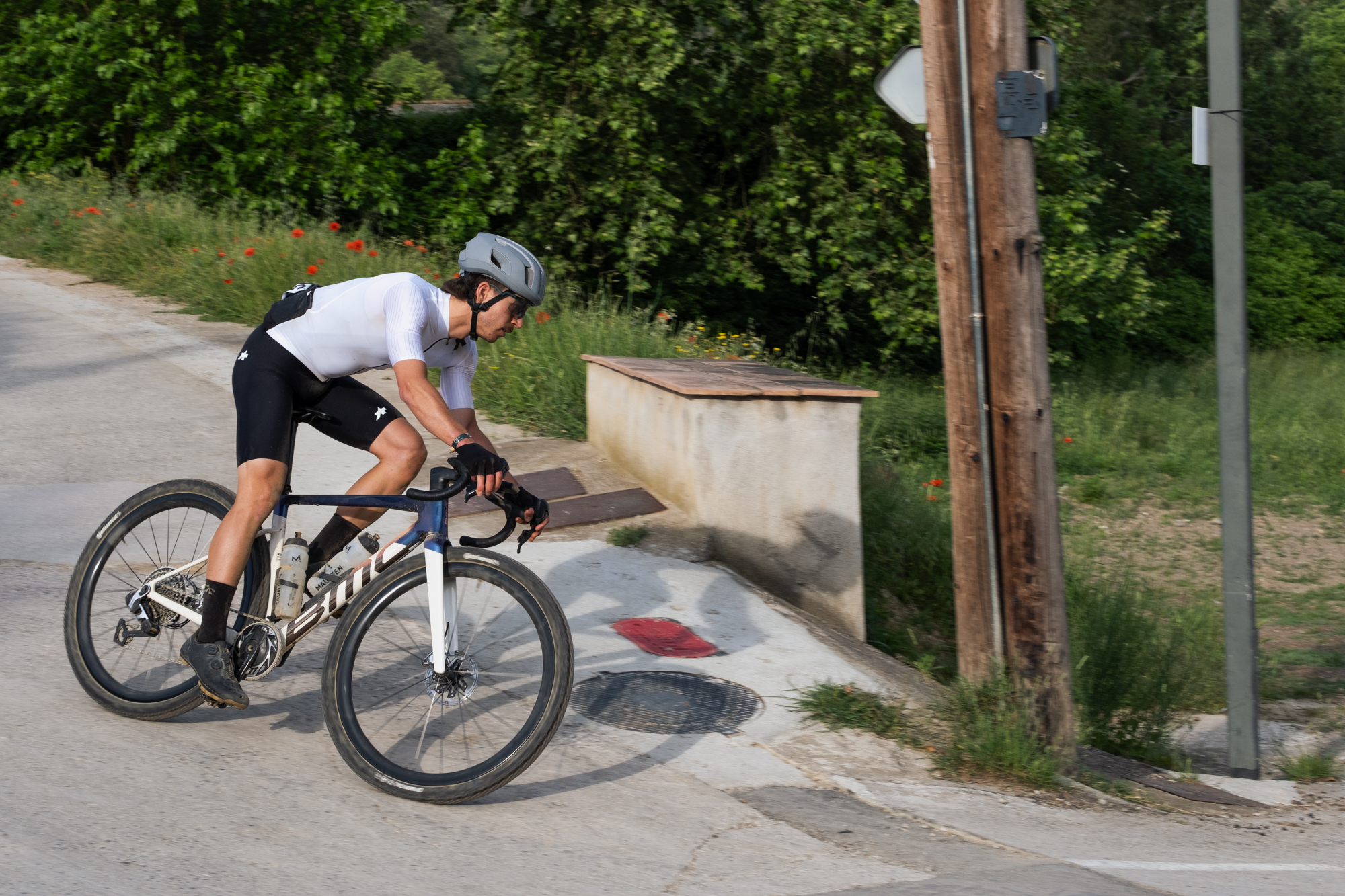
After spinning easily on flatter roads, we headed toward a descent we knew almost too well. A short but technical segment filled with changing lines, tight corners, loose rocks, and awkward braking zones. We climbed to the top at recovery pace, then let the bike run on the way down. Thirty seconds disappeared from a previous four-minute personal best.
That result cannot be attributed to a single component. It was not just the frame, nor just the wider tires. It was the sensation of everything working together: stability without sluggishness, speed under control.
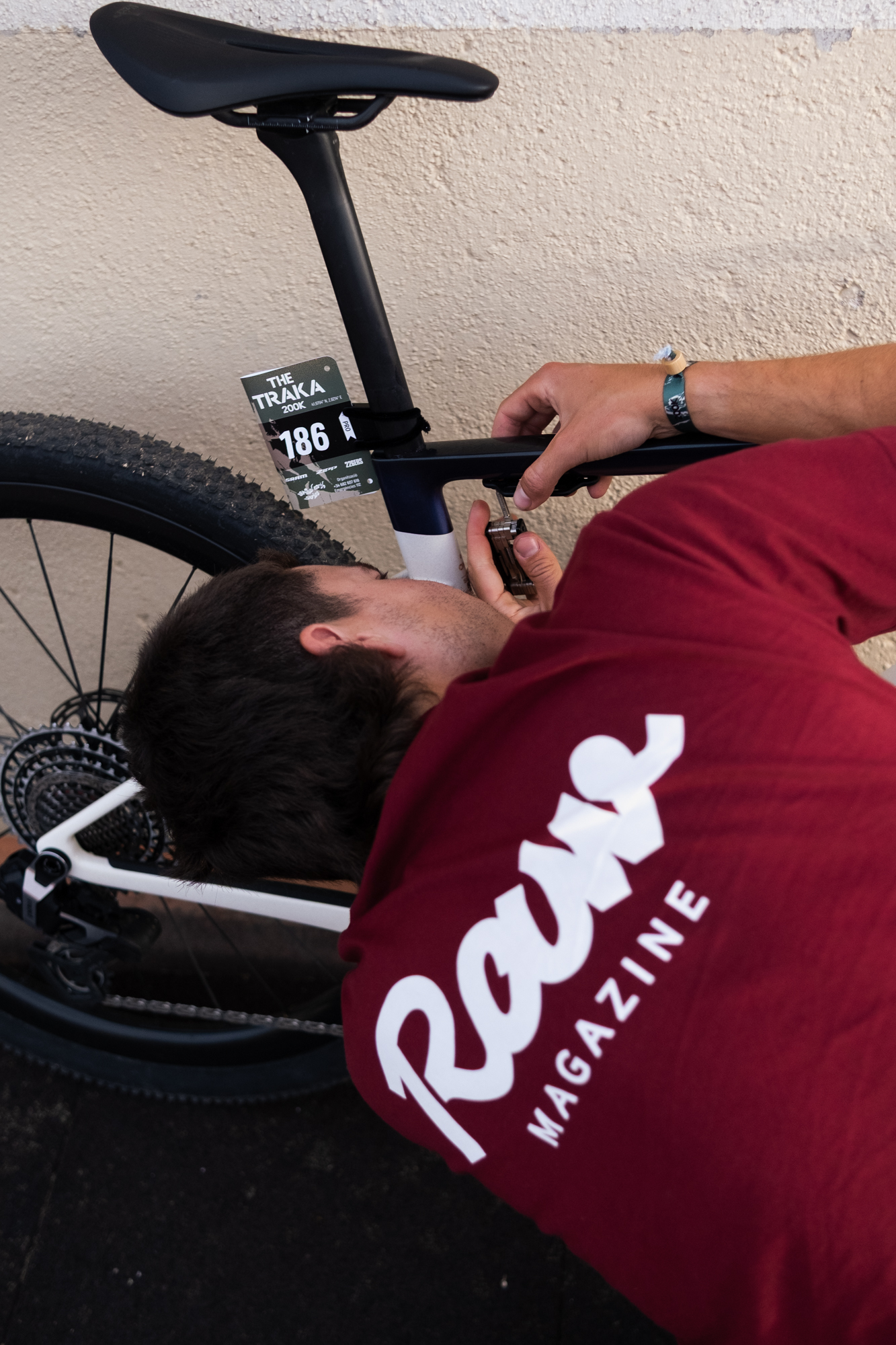
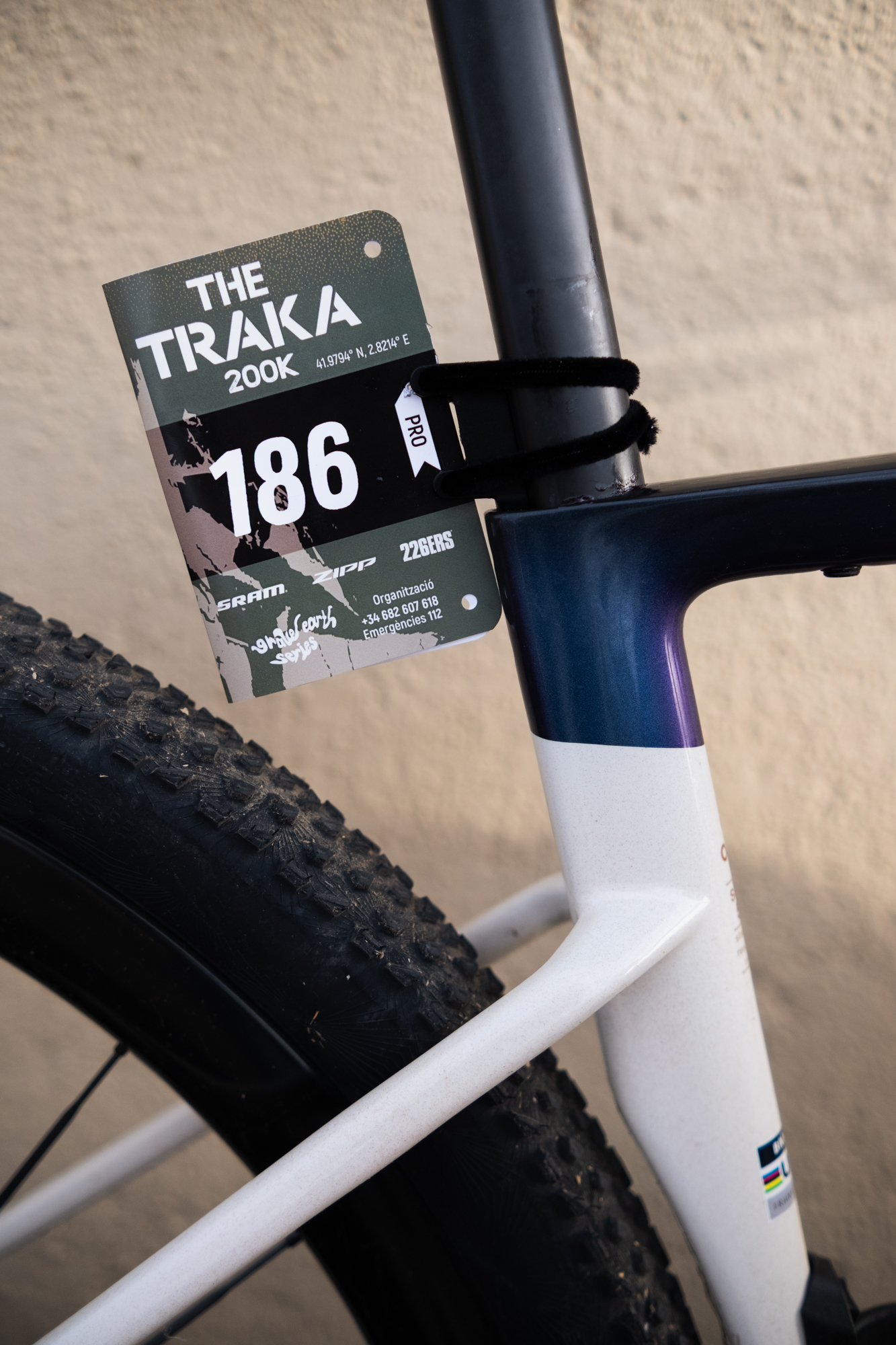
We returned home full of confidence and with that dangerous feeling every cyclist knows: wanting the race to start immediately. Even details like the number plate holder we were given by BMC, perfectly integrated into the SP AS 10 seatpost, reinforced the impression that every element of the Kaius had been designed with racing in mind.
The perfect testing ground
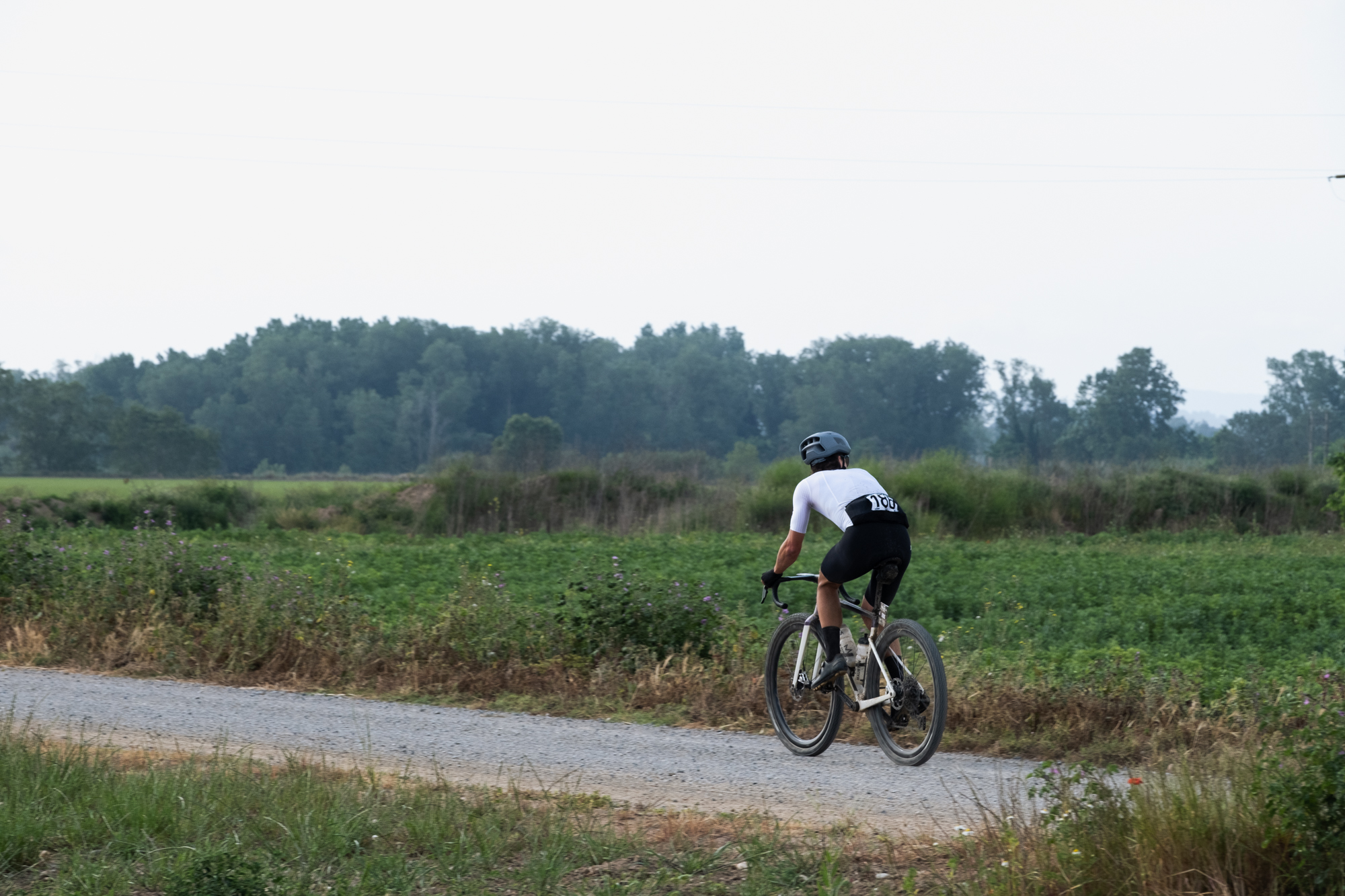
The Traka 200 course has everything gravel racing can throw at a bike: fast dirt roads, rough sectors, punchy climbs, long drags, technical descents, and endless accumulated fatigue. It was the ideal environment to evaluate the Kaius properly. Because we had ridden virtually the entire route in sections during the previous weeks, we also had reliable points of comparison against our own equipment and historical performances.
Rather than comparing ourselves with the professional of the front group, we sticked to an analysis of our relative performance. It was at the second gravel climb of the day where we found ourselves alone and could start focusing on the features of the Kaius, and it quickly delivered an interesting benchmark.
We had ridden that climb multiple times at high intensity in the weeks leading to the event, and despite no drafting advantage, we once again improved our best time for nearly identical power output. That kind of gain is difficult to ignore. Whether it came from lower system weight, improved rolling efficiency, geometry, or simply better confidence on loose terrain, the result was there.
The downhills, ranging from smooth paths to technical bits, still felt rough despite our tire width and low pressure. We were not expecting a red carpet on the way down, but it was a reminder that racing bikes, with a carbon layup oriented more towards power transfer than impact resistance, sacrifice the ride feel in specific situations for the sake of overall performance.
Later in the race came Els Metges, the defining climb of the second half. By then fatigue had fully settled into the legs, yet after reviewing the data post-race, we realized we had come surprisingly close to matching a previous personal best set in a much fresher state. That may have been the most convincing indicator of all.
Where race bikes make sense
After Els Metges, the course turns into a long exercise in survival. The elevation profile becomes friendlier, but the accumulated fatigue transforms every flat section into a battle against cramping legs and fading concentration.
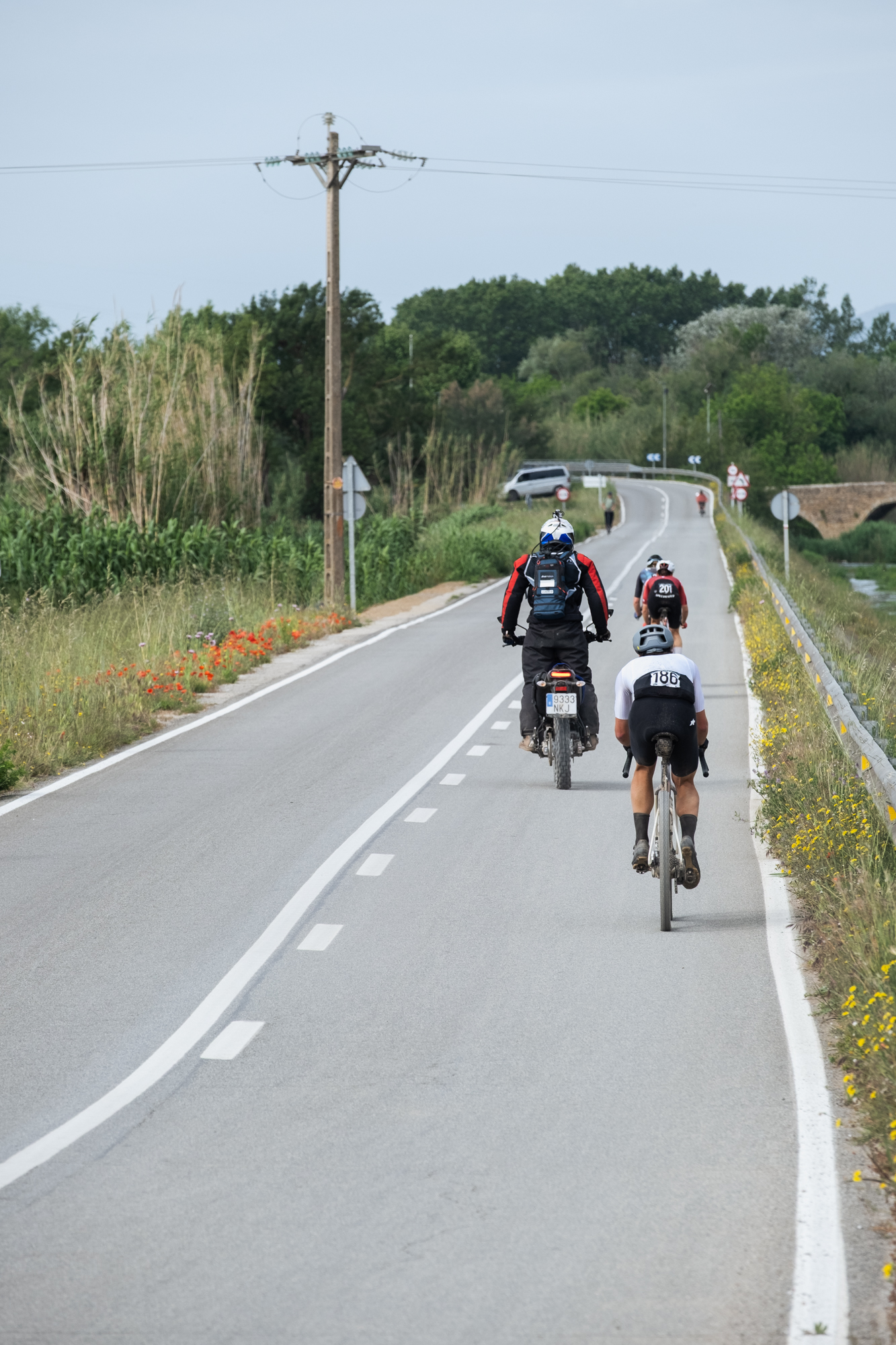
At that point, it became impossible to objectively evaluate the bike anymore because physically we were simply hanging on. But the Kaius still offered a clear reminder of its potential when the first riders from the open category came flying past us at astonishing speed.
Among them was our friend Tristan Cardew, also racing aboard the Kaius. Watching riders maintain those speeds over rough terrain confirmed exactly what BMC intended this bike to be: not an adventure bike adapted for racing, but a pure racing machine built specifically for modern gravel.
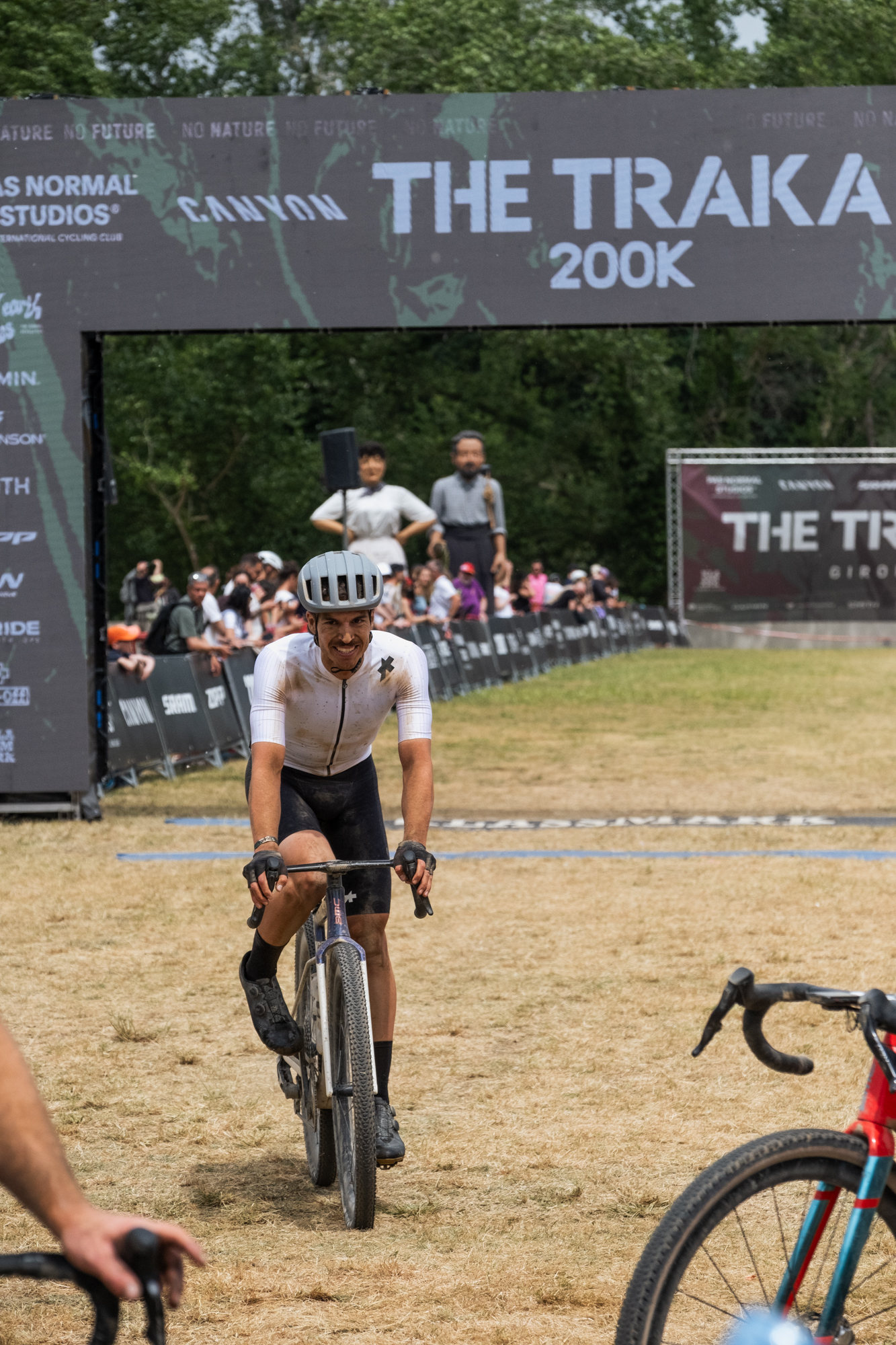
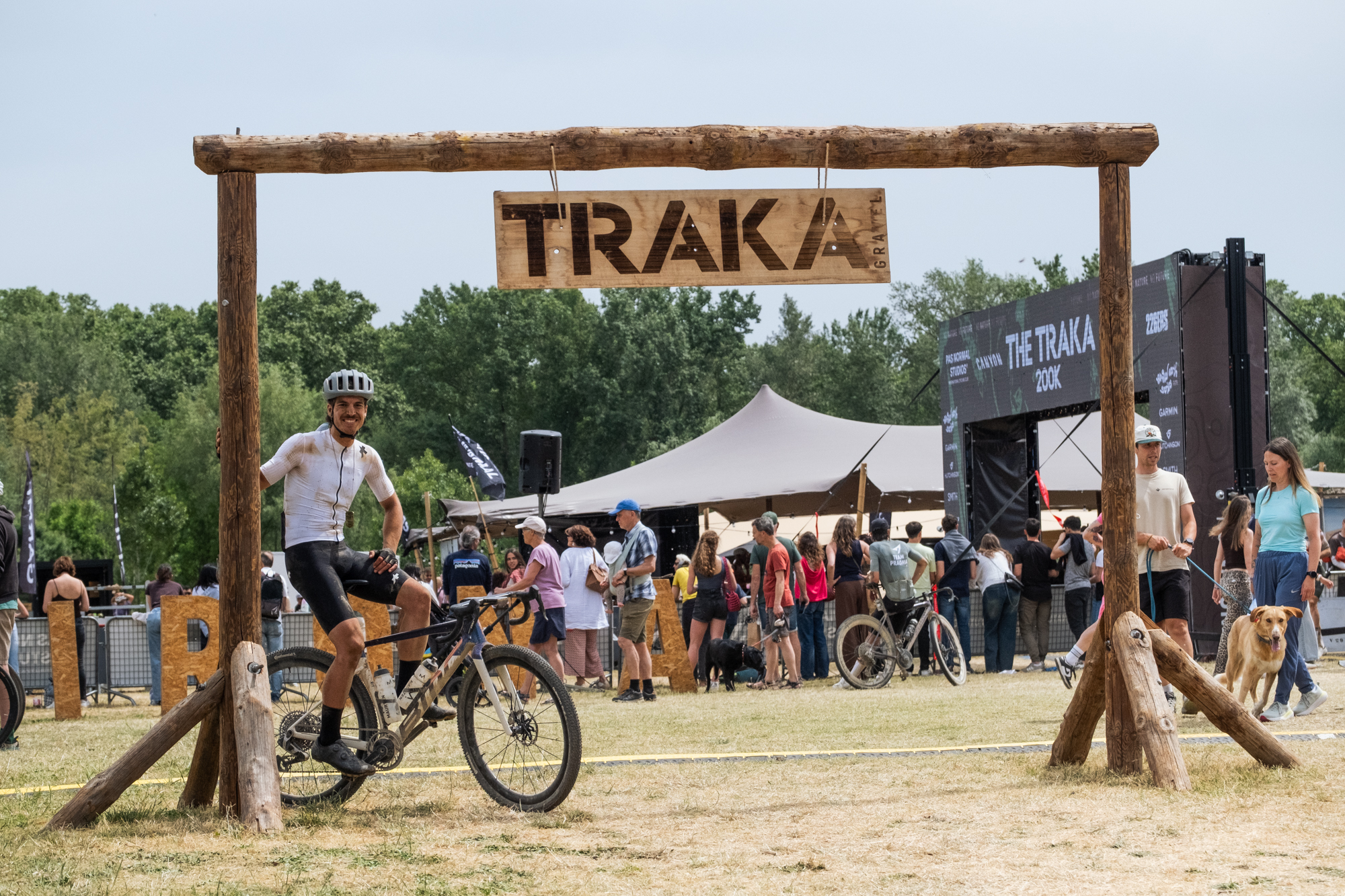
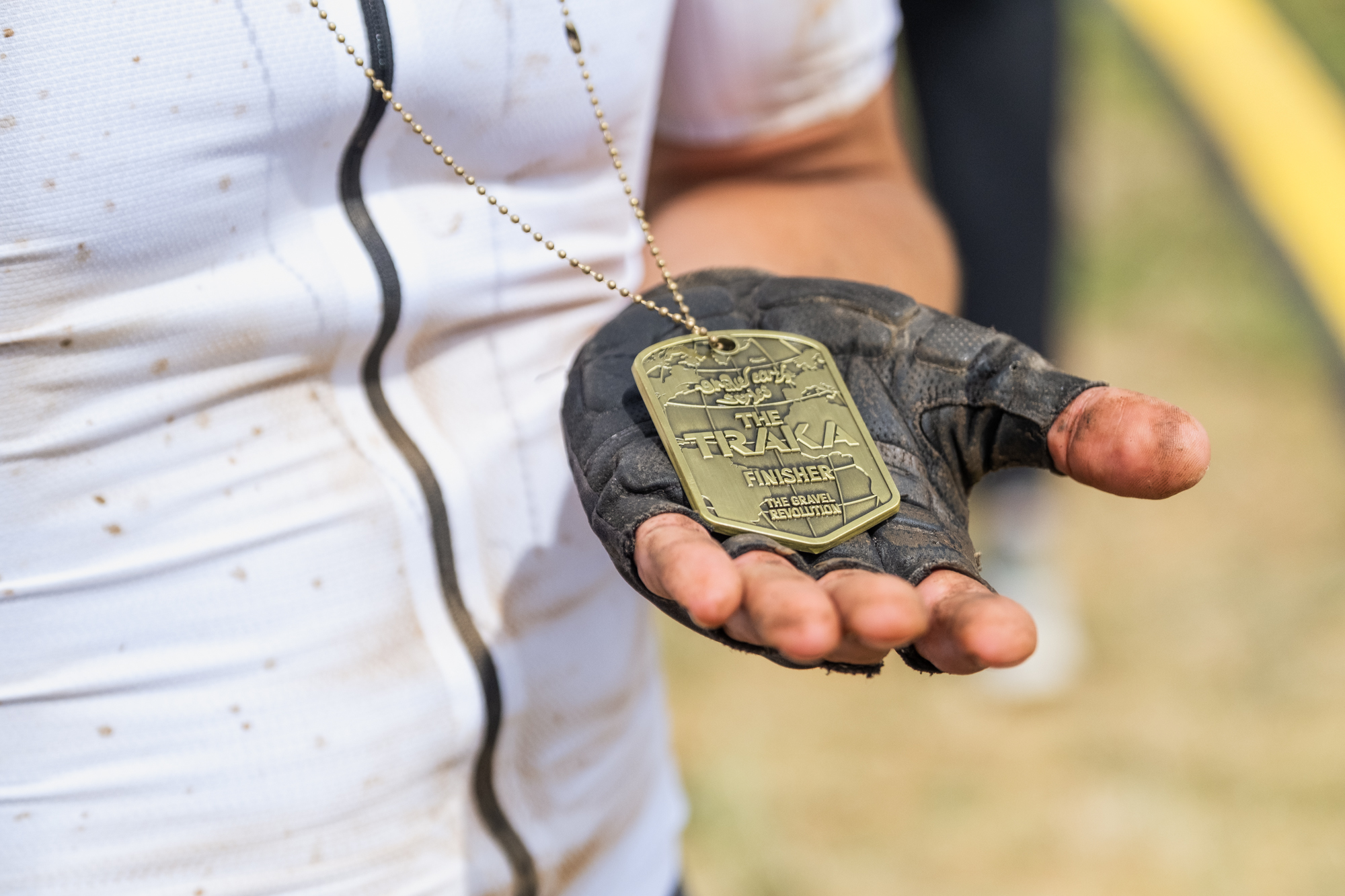
Eventually, covered in dust and somewhere between exhaustion and satisfaction, we crossed the finish line.
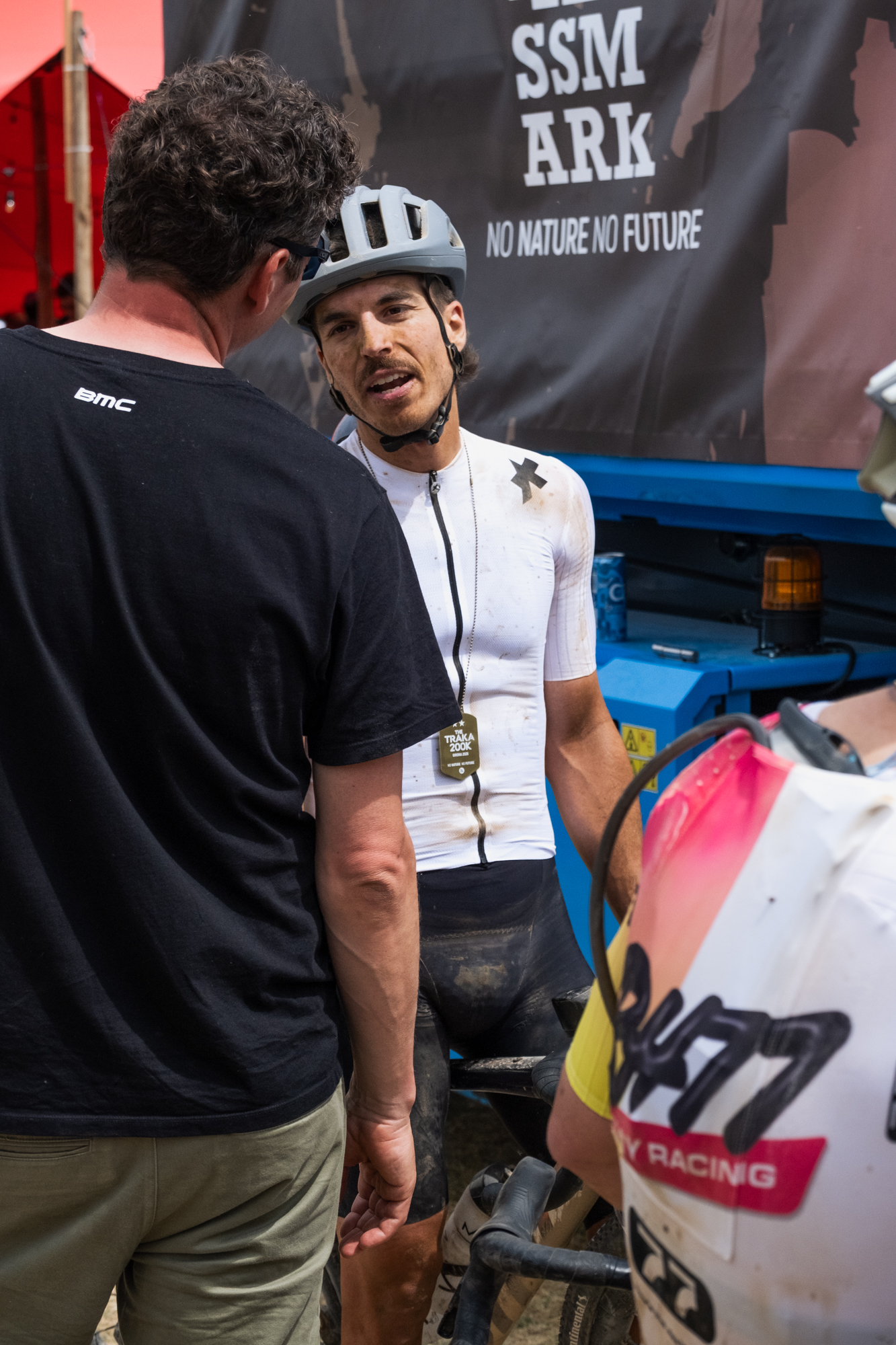
Our feelings about our own performance were mixed. The Traka rarely leaves riders fully content. But regarding the bike, the conclusion felt immediate. We handed the Kaius back to the BMC representatives at the venue almost reluctantly, because once you experience that sensation of pushing a true race-oriented gravel bike at speed, giving it back becomes surprisingly difficult.
Gravel has changed, and so has the Kaius
Looking back after the race, perhaps the most important update on the new Kaius is not aerodynamic shaping or weight savings, but tire clearance.
Modern gravel racing has evolved rapidly. Wider tires are no longer reserved for extreme terrain, but increasingly standard even in fast races. When the previous Kaius launched, its 44 mm tire clearance quickly became a limitation. Riders sponsored by BMC often had to compromise depending on the event.
For example, last year at the inaugural Gravel Burn, Simone Pellaud chose the URS instead of the previous Kaius simply to accommodate the desired tire width. The new Kaius changes that conversation entirely. It now offers even greater tire clearance than the URS, removing what had become the platform’s biggest competitive disadvantage.
Throughout our race, the setup worked flawlessly. The Aerocore Bottle Cages held 750 ml bottles securely over rough terrain, and the bike consistently balanced speed with stability in a way that felt distinctly modern.
Having never tested the previous Kaius directly, the evolution is still visually evident. The geometry appears slightly more relaxed, with a higher stack, shorter reach, and a taller bottom bracket resulting from the increased tire clearance. Those changes may look subtle on a geometry chart, but over 200 kilometers of racing, they become meaningful.
And perhaps that is ultimately the best summary of both the Kaius 01 and modern gravel racing itself. Marginal gains still matter, but only if they help riders stay fast deeper into the race, when fatigue, terrain, and decision-making begin to matter more than raw numbers.
The Traka remains one of the few events capable of exposing whether a gravel bike is genuinely race-ready or simply marketed as such. After 200 dusty kilometers around Girona, the new Kaius felt very much like the former.