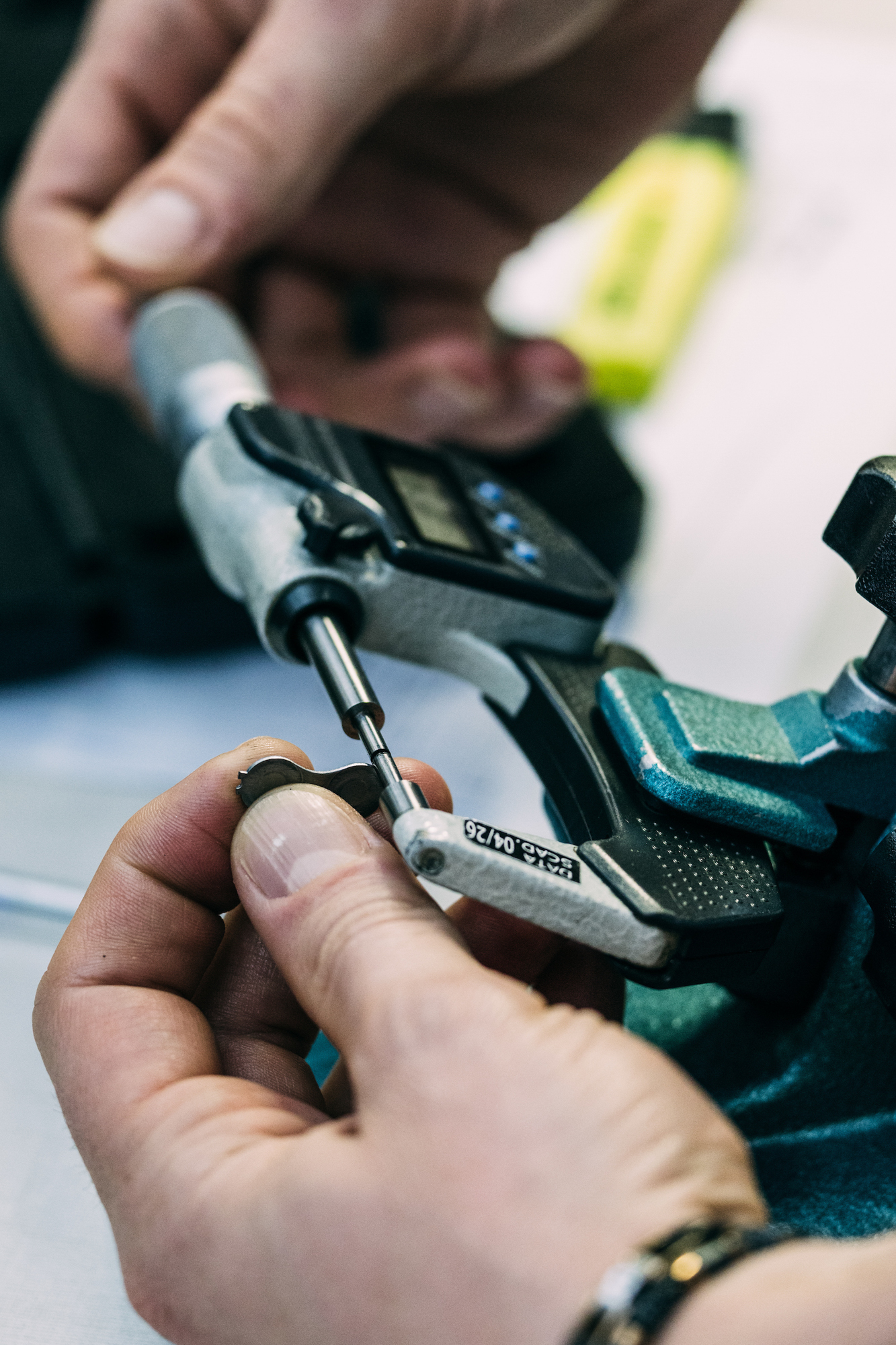
Entering the Campagnolo factory in Vicenza, Italy, is much more than a simple visit to an industrial plant. It’s stepping into over ninety years of cycling history. Here, where every tolerance matters and every tenth of a millimeter is analyzed with surgical precision, you get to understand why the Italian brand, despite the difficulties it has faced in recent months, has been and continues to be an absolute benchmark in the sector.
Founded in 1933 by Tullio Campagnolo, the company has remained in the family for generations. Today, under the leadership of Valentino Campagnolo, the company has maintained that delicate balance between artisanal heritage and advanced automation.
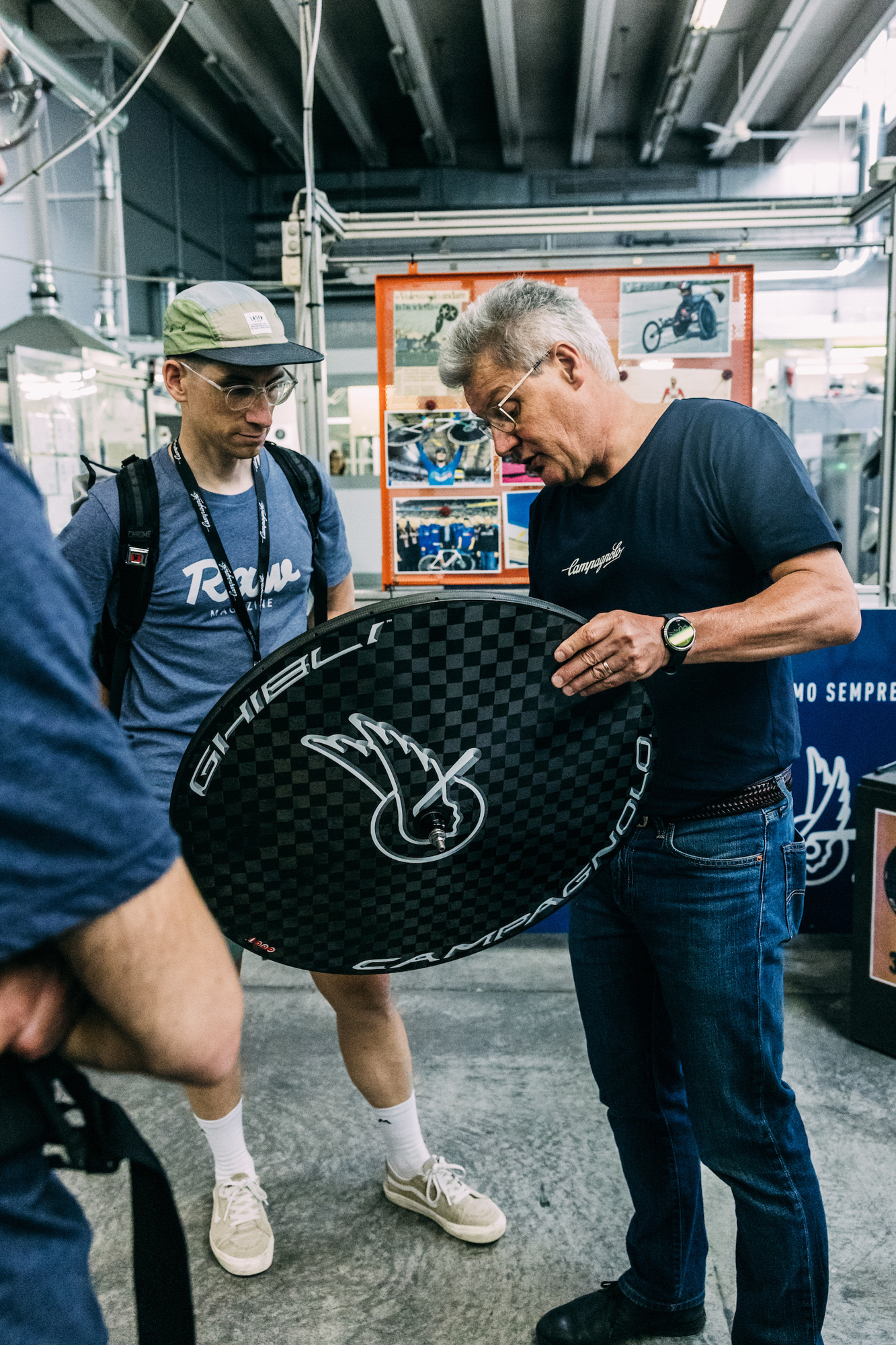
A few months ago, we had the opportunity to visit this cycling icon. It was one of those trips where expectations are high, and the experience exceeds them.
Over 90 years paving the way
Campagnolo’s history is full of milestones that have changed cycling. To name a few: the invention of the quick-release back in the 1930s, the first quick-shift system, and the launch of the first modern wheelset, the legendary Shamal. Over the years, the Italian brand hasn’t followed trends; it has created them.
With more than 3,000 registered patents throughout its history, Campagnolo has contributed to many victories in the major races on the international calendar, especially during the 70s and 80s, when it dominated the sector.
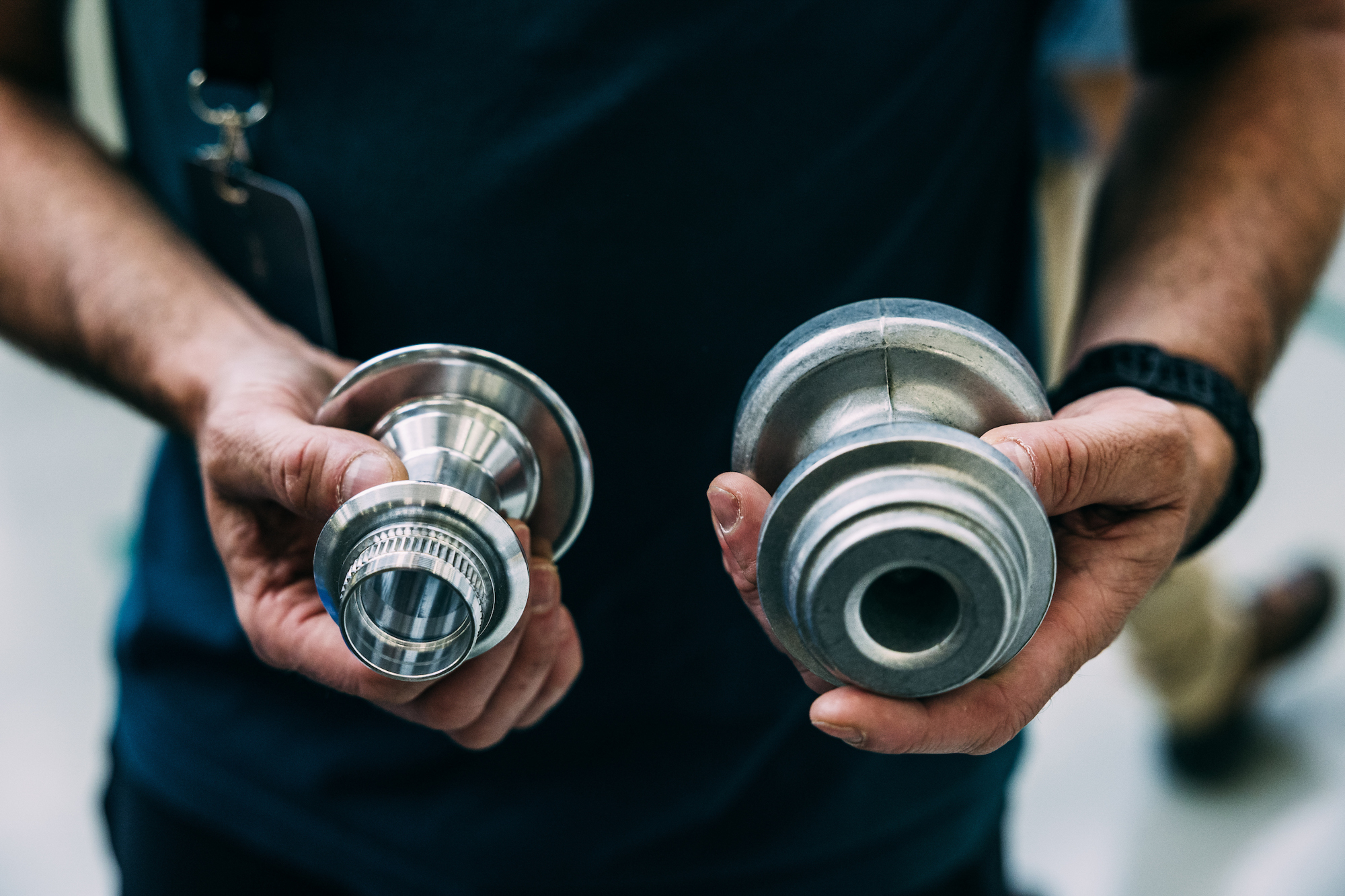
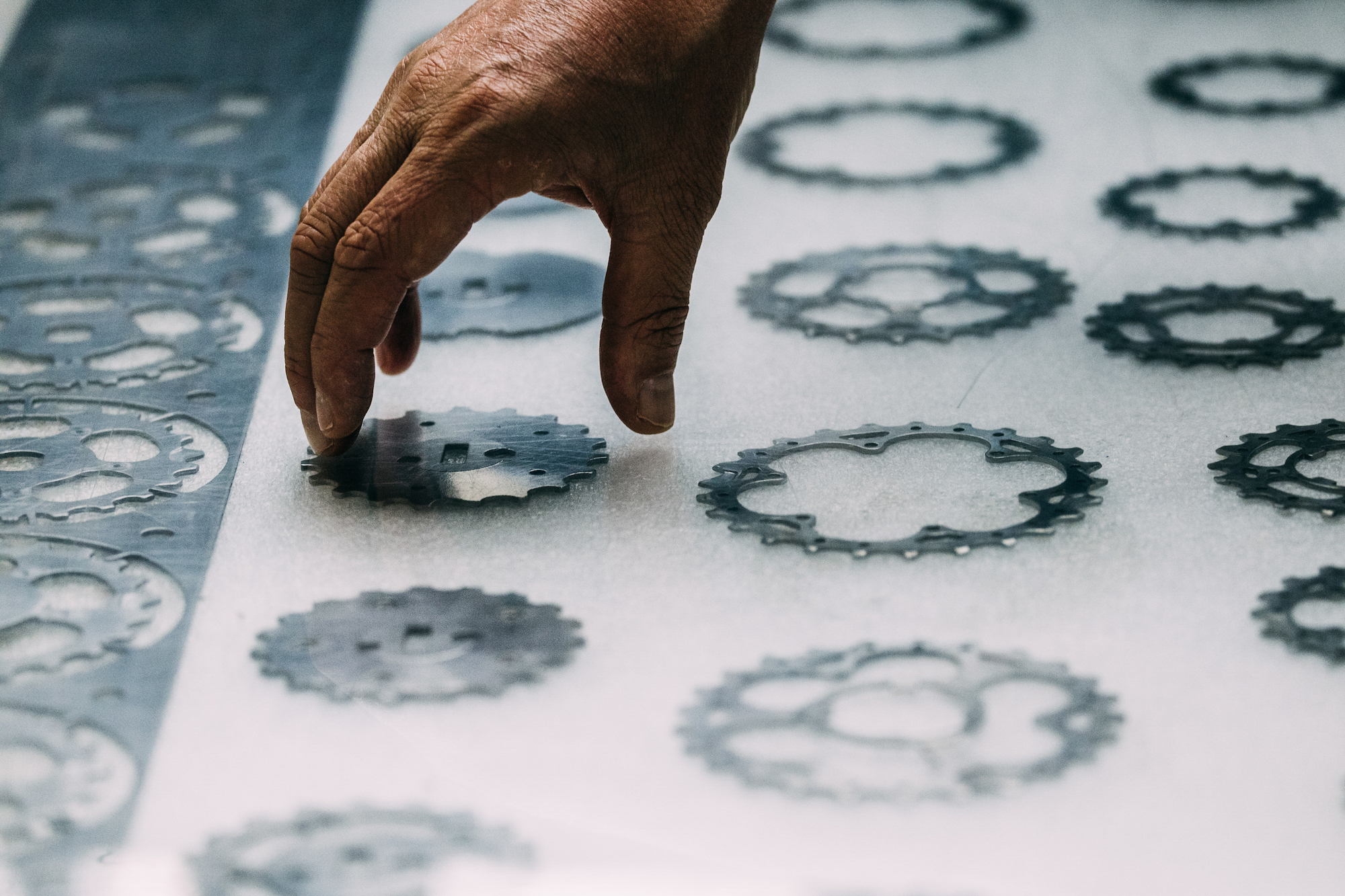
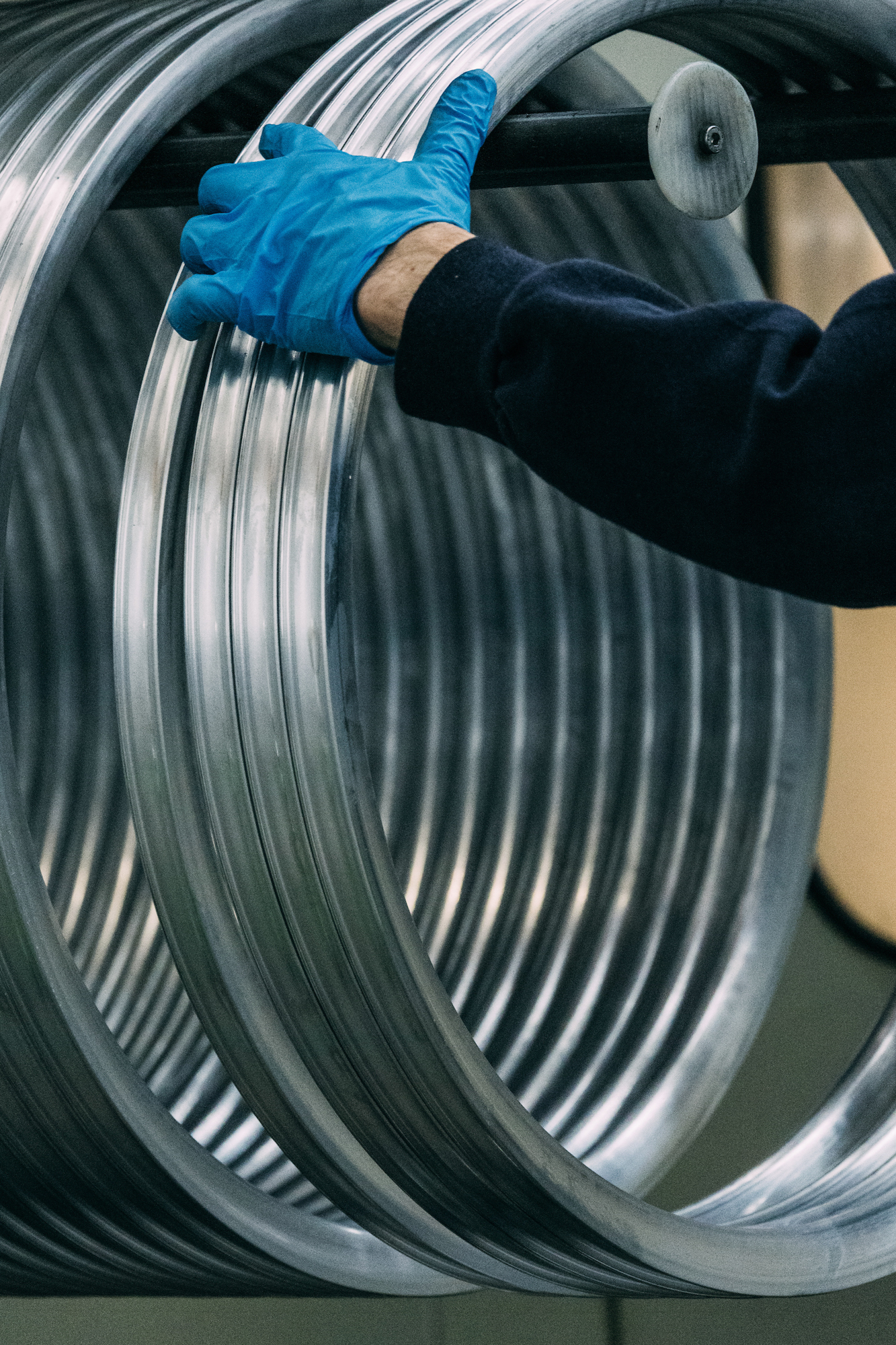
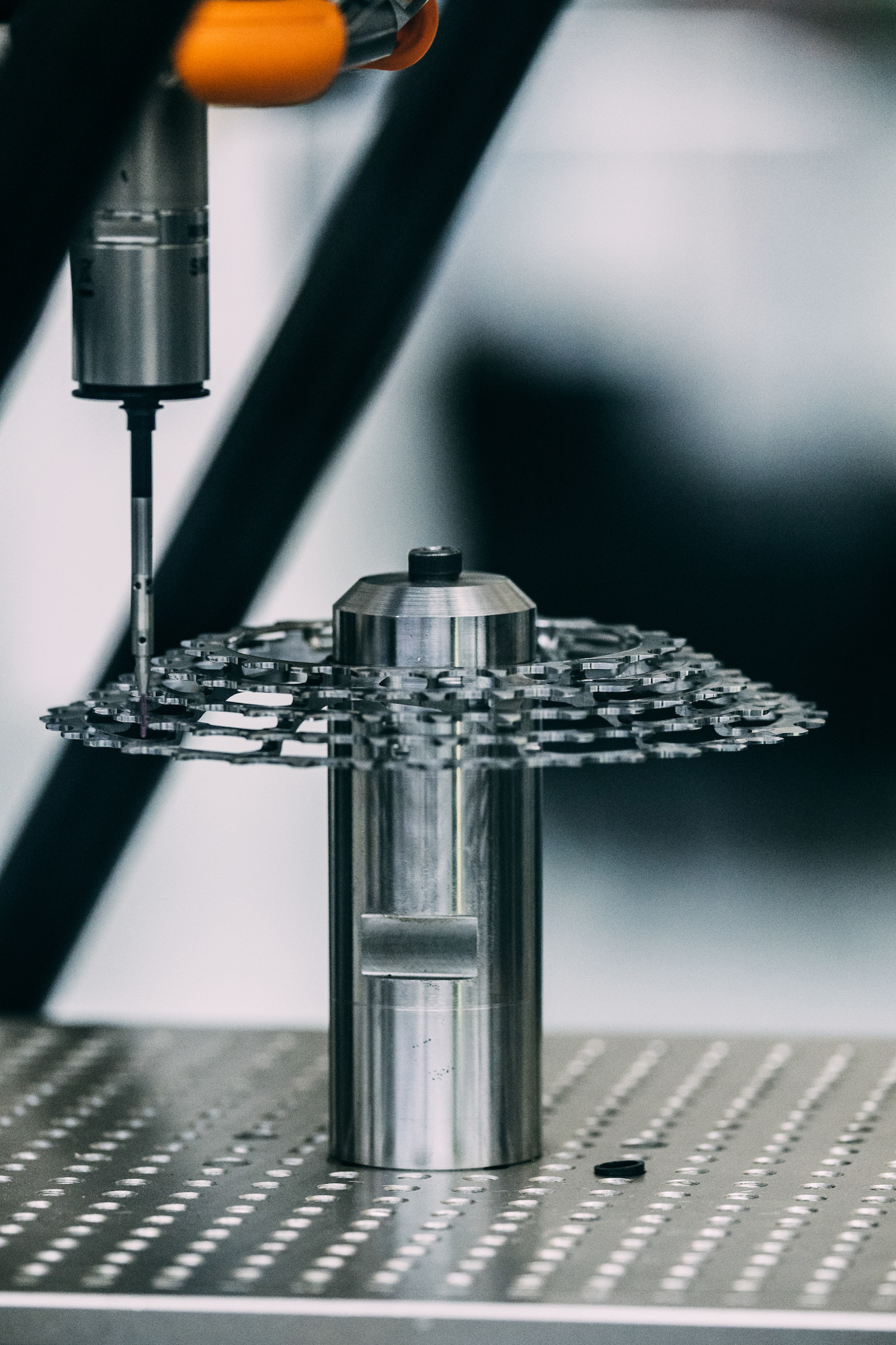
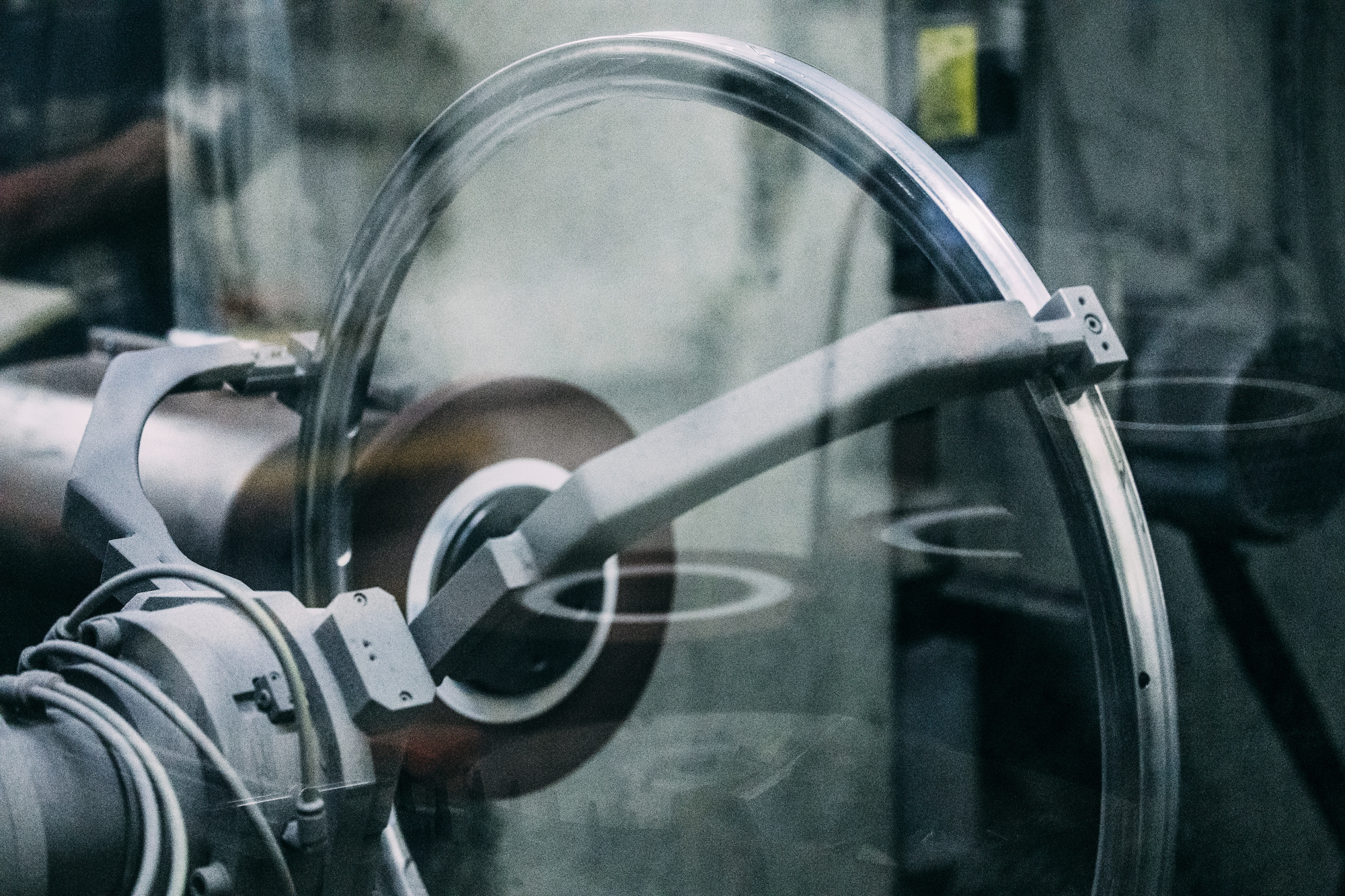
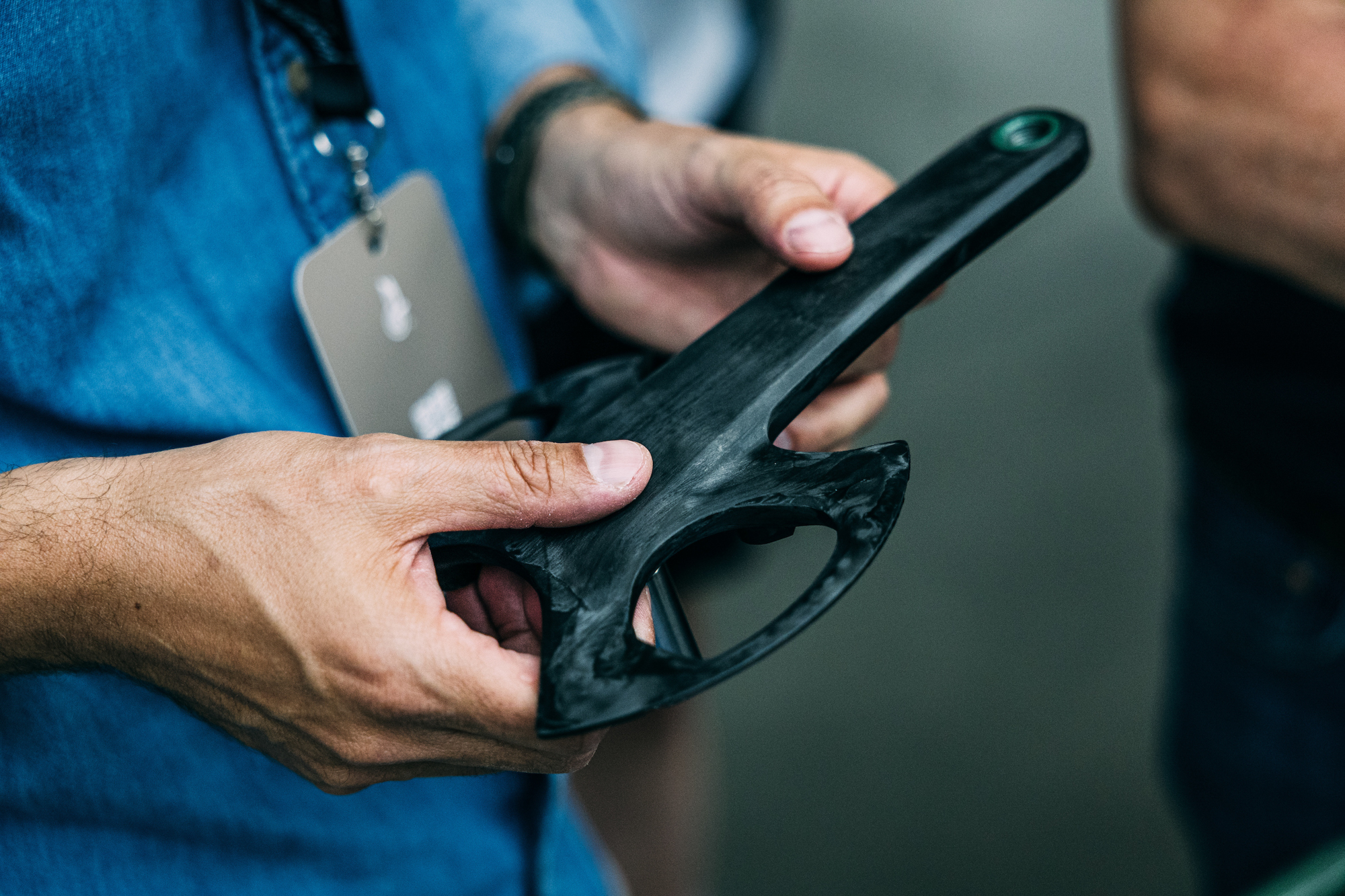
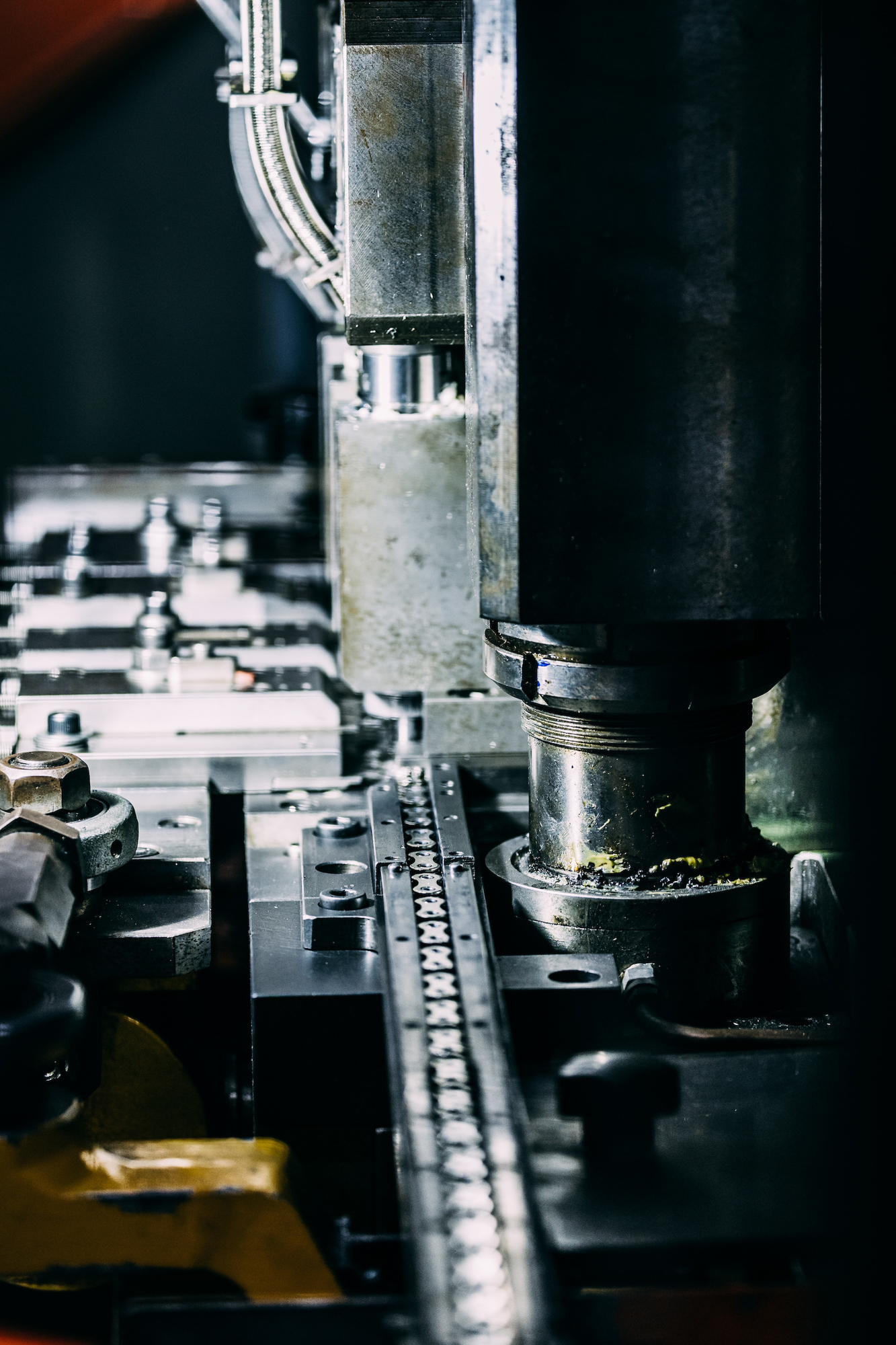
The expectation of seeing what those imposing warehouses concealed behind their doors was quite high. In our minds, we imagined finding an army of artisans crafting each piece in Campagnolo’s product catalog, meticulously hammering metal. We discovered, however, a vast workspace where skilled operators coexisted with enormous machines, now relics but perfectly functional, and a wide array of robots automating part of the manufacturing process. A clear example that tradition and automation don’t compete, but rather complement each other.
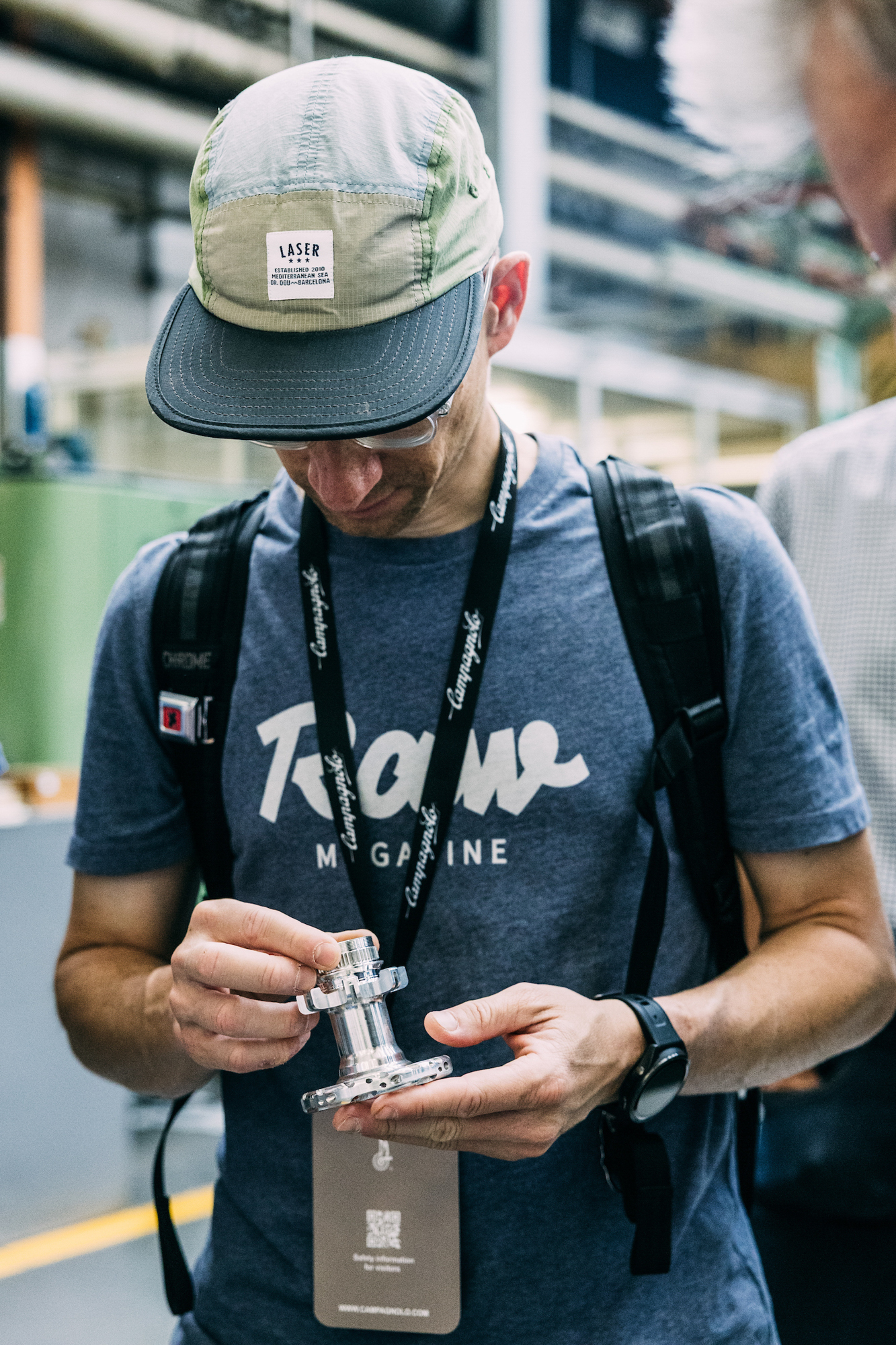
We toured the plant through its different areas, met the people behind each stage of the process, and appreciated the complexity, level of detail, and precision each stage entails. Everything has to mesh perfectly to ensure a high-quality result that meets the company’s standards.
A new strategic chapter
The post-pandemic context hit the entire cycling industry hard. Campagnolo was no exception, but the company has maintained a solid and highly capitalized position, investing decisively in automation and technological development.
The launch of the Super Record 13 in 2025 remains its main focus: a robust project with great potential that forces the rest of the competition to stay on their guard. Perhaps this latest Campagnolo launch has arrived at a time when the two giants, Shimano and SRAM, dominate the market. Even so, we are convinced that the quality, finish, and high performance of this new platform will help the brand regain its rightful position.
The last few months have not been easy for the company, but the recent addition of Matteo Cassina to the Board of Directors marks a new strategic move. With experience in international finance and a deep connection to cycling, he arrives as a tactical opening without abandoning Campagnolo’s identity.
Meanwhile, the decision to reduce investment in ProTour teams wasn’t a withdrawal, but rather a reallocation of resources to product development. The new 13-speed platform, available in 1x and 2x configurations for road and gravel, represents the company’s most ambitious technological undertaking in years.
Family, identity, and future
Campagnolo remains, above all, an Italian family business with global ambitions. In Vicenza, you can feel that quiet pride: it’s not marketing, it’s industrial culture.
In a sector increasingly dominated by multinational conglomerates, the company is committed to maintaining production in Italy, its independent character, and its obsession with detail. The factory is not just a production center; it’s the heart of a philosophy.
After our visit, it’s clear that Campagnolo doesn’t live on nostalgia. It thrives on precision, engineering, and the conviction that performance is a direct result of the meticulous care given to every component.
More than ninety years later, the story isn’t ending; it’s being refined.