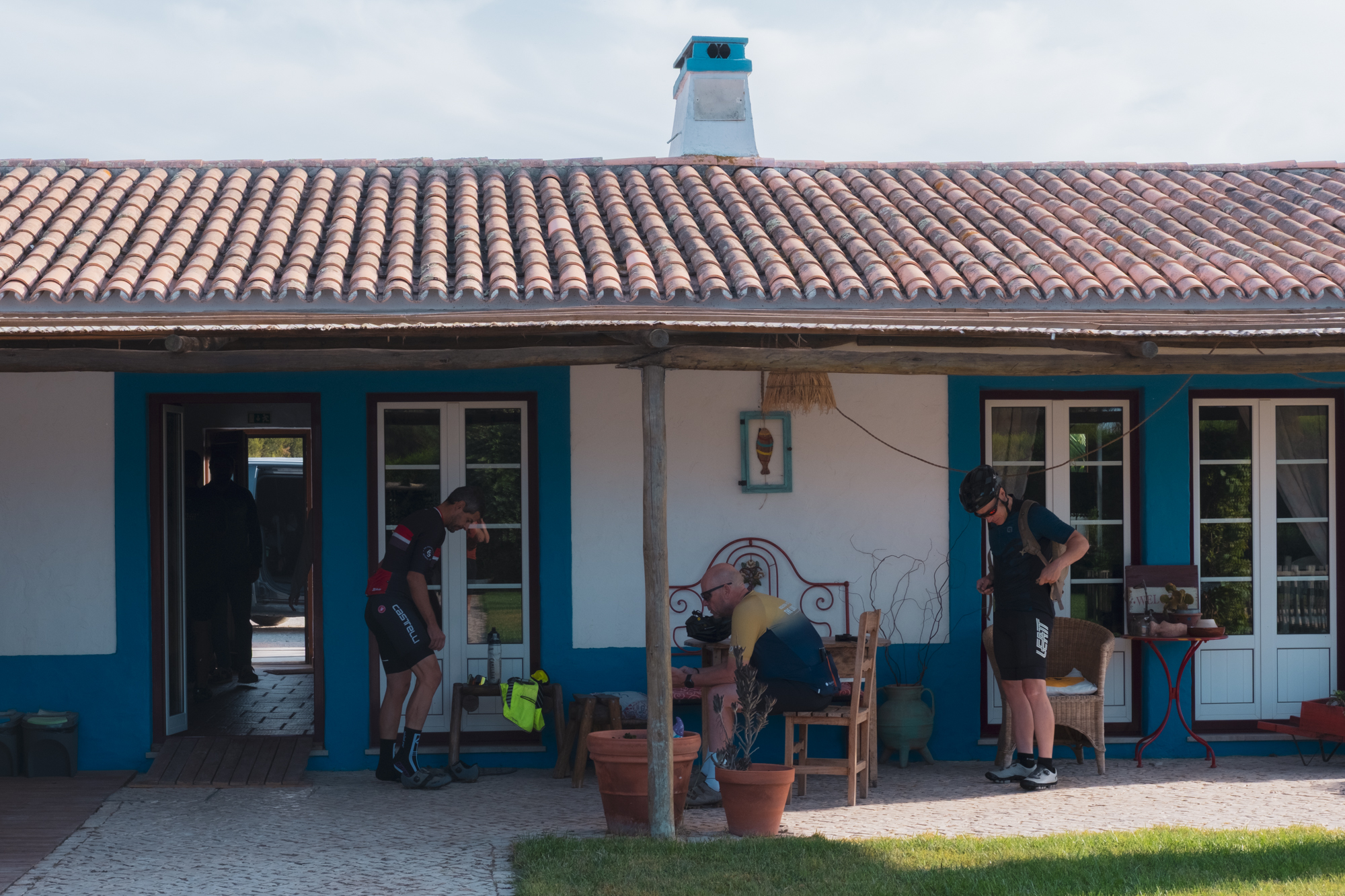
When the days start to shorten and the first cold fronts roll in, the temptation is to hang the bike up until spring. We went the other way. We packed the gravel bikes and headed for the far corner of Portugal to follow the Rota Vicentina, chasing one last stretch of warm weather and a route that would carry us from one place to the next rather than round in circles. Along the way we found more than sunshine: unhurried stops that introduced us to people whose living is tied to the land under our tires.
From A to B, under blue skies
In the south of the Iberian Peninsula, good weather is less a hope than a given. Even so, there is something mood-lifting about rolling out under a clear sky at the end of October. Here, the Atlantic does the work of a thermostat: it softens the summer heat and takes the edge off the winter, so the temperatures never swing to extremes.
The sun was only part of the pull. We wanted to know what kind of terrain we would actually meet, because gravel is a word that gets stretched to sell anything from smooth farm roads to rough off-road tracks. We wanted to sink into Portuguese culture rather than skim past it. And there is a particular pleasure in a route that runs from A to B in an almost straight line: no loops, no doubling back, just the next horizon.
A route built by locals
The Rota Vicentina is not the work of a tourism board. It is run by a private non-profit association of more than 200 members: public bodies, tour operators and local businesses, all of them from the region. The association looks after the route and its promotion, and every member brings their own view on how tourism here should grow.
It began in 2012 with a network of walking trails. The coastal Fishermen’s Trail has since become so popular that the association itself would call it too popular. So the gravel and touring route deliberately turns inland, drawing part of the cycling traffic away from the cliffs and spreading it across villages that see far fewer visitors.
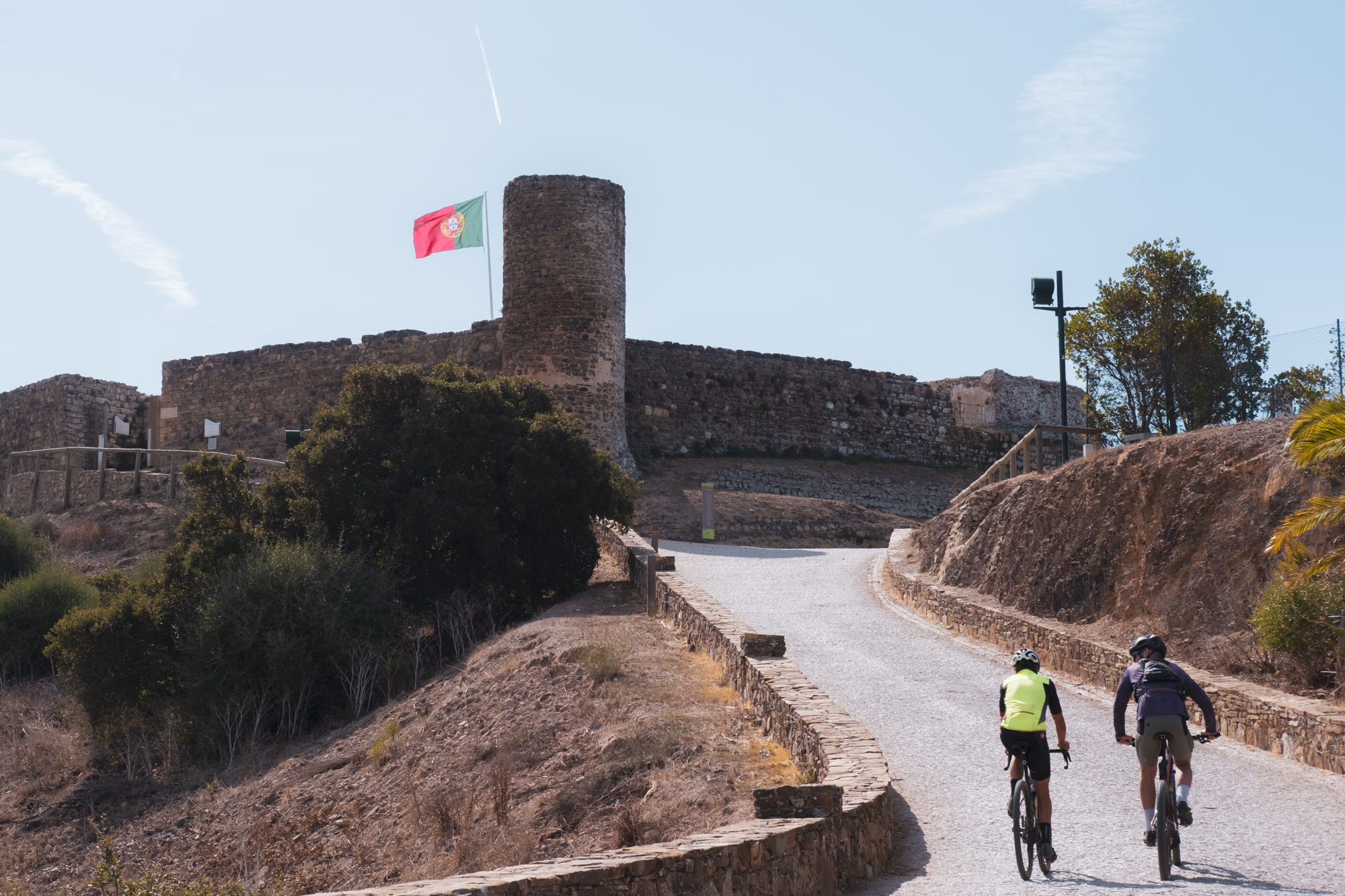
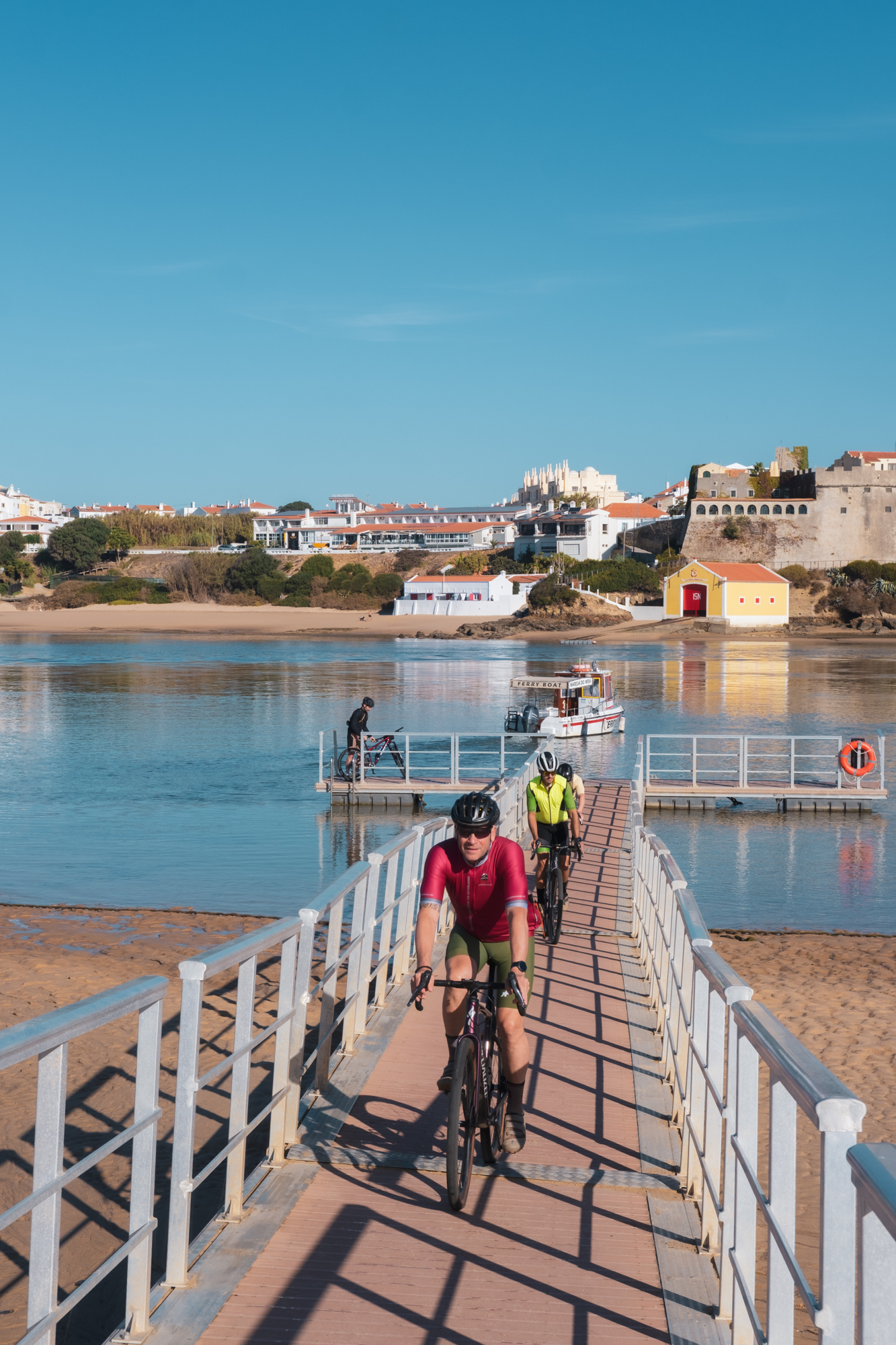
Our own line was a bespoke one, starting from the castle of Santiago do Cacém. It mostly followed the gravel and touring route but stitched in other itineraries along the way, overlapping in places with the Via Algarviana and EuroVelo 1. We didn’t have to carry all our stuff, as we could rely on the services of Vicentina Transfers. Nonetheless, With bags strapped on, you could easily call it a bikepacking route, but the association avoids that label, given that wild camping is not allowed. Their ambition is broader anyway, to widen what visitors come here to do, with a particular eye on inland Alentejo.
Ochre, olive and blue
After the summer, the land wears a muted palette: dark yellow stubble, deep green scrub, bare earth. Against it, the sky and the ocean look almost unreal in their blueness. On one of the mornings we woke at Herdade da Maceira to a fog so thick the far side of the yard had vanished. It did not last. Within minutes of clipping in, it thinned and lifted, as if the day had simply been waiting for us to start.
Later, from the top of one of the hills, we could see a whole web of gravel tracks spreading out in every direction. Some belong to the Rota Vicentina, some are still unexplored, and some cross private land. It was a reminder of how much riding this corner of Portugal still holds.
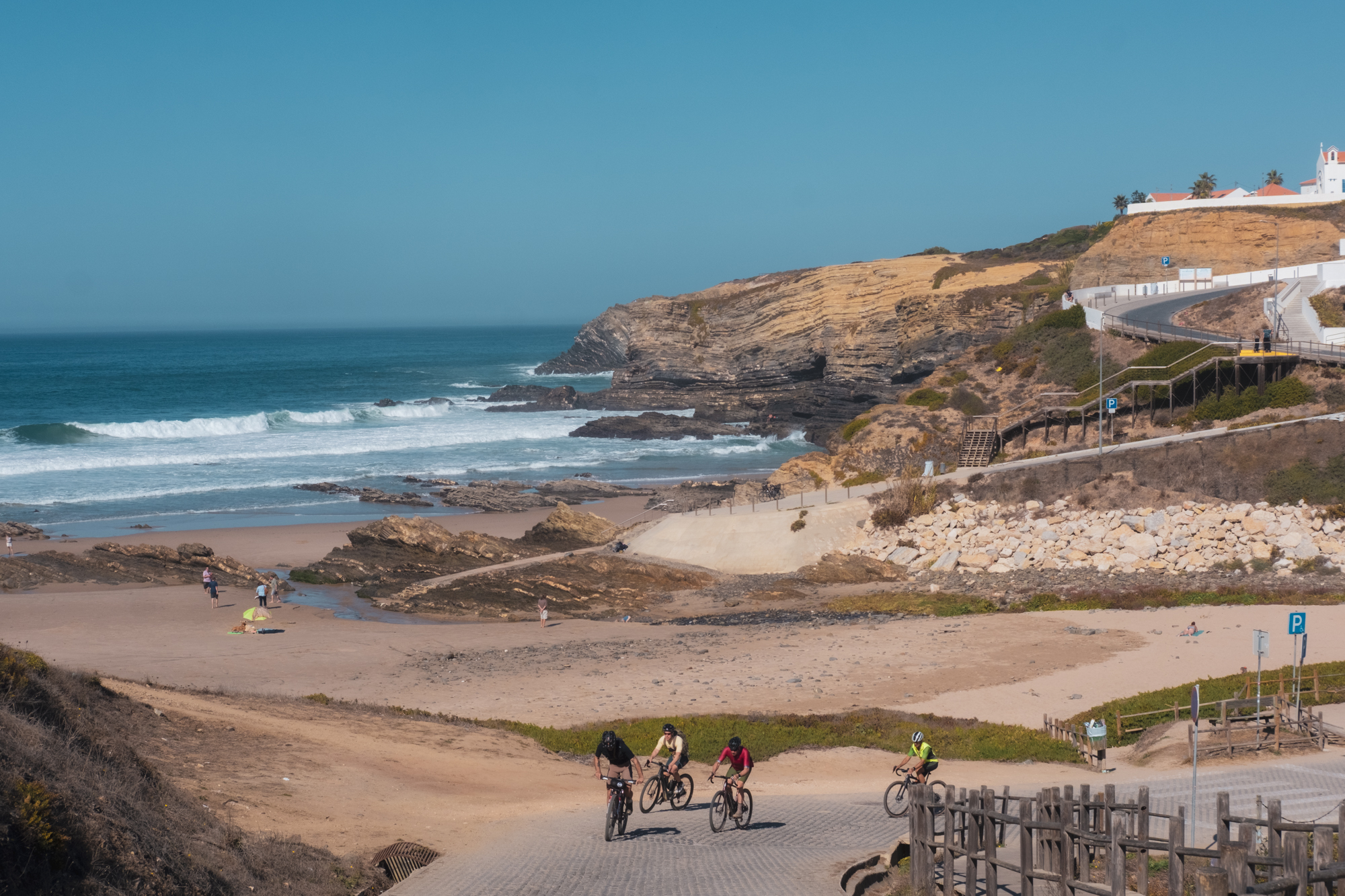
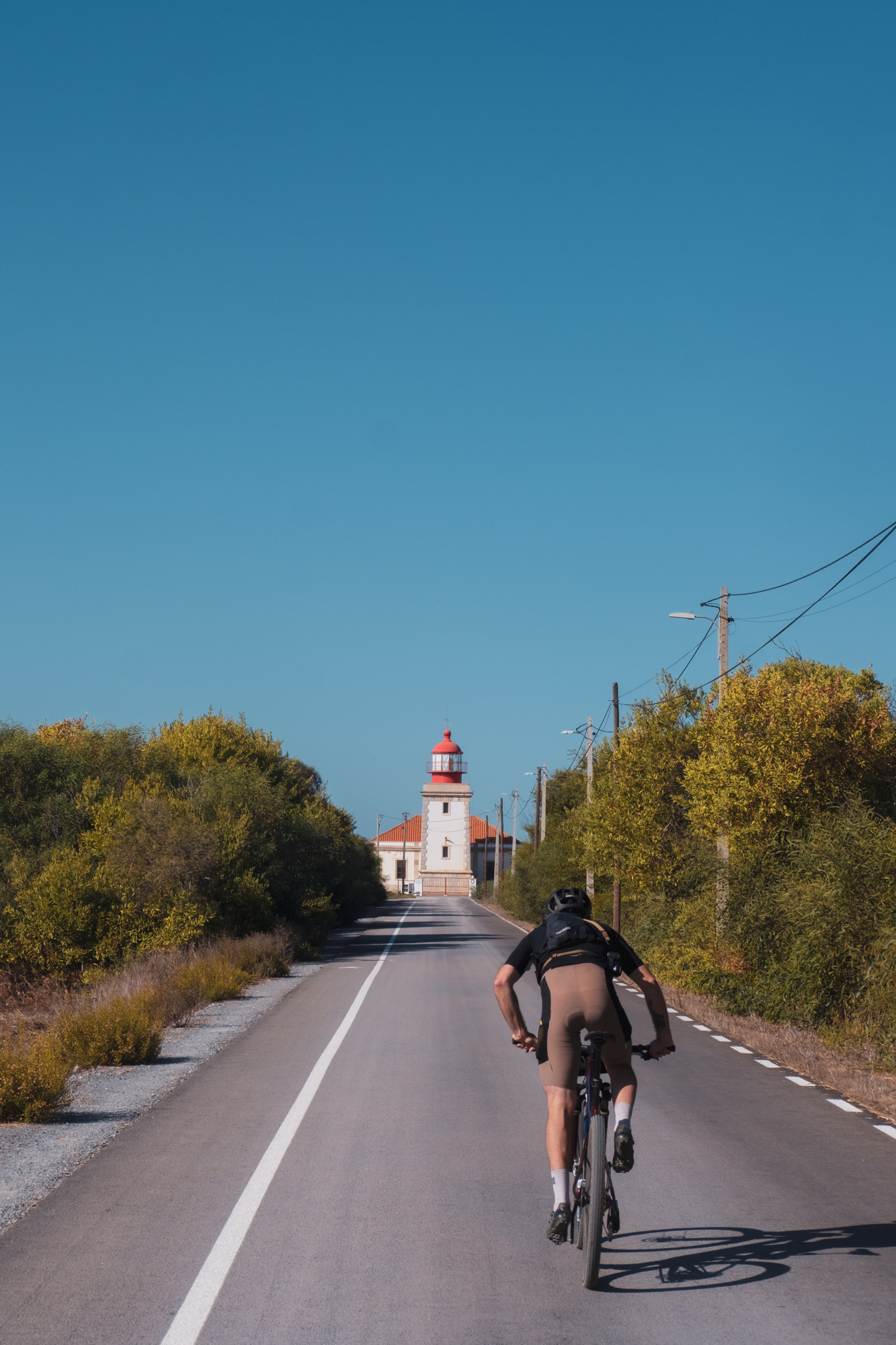
The most spectacular views came where the route brushed the ocean, but the inland stretches had their own quiet beauty. Riders who know Portugal or Spain will find it familiar. For anyone coming from higher latitudes, it feels like another world.
What’s under the tires
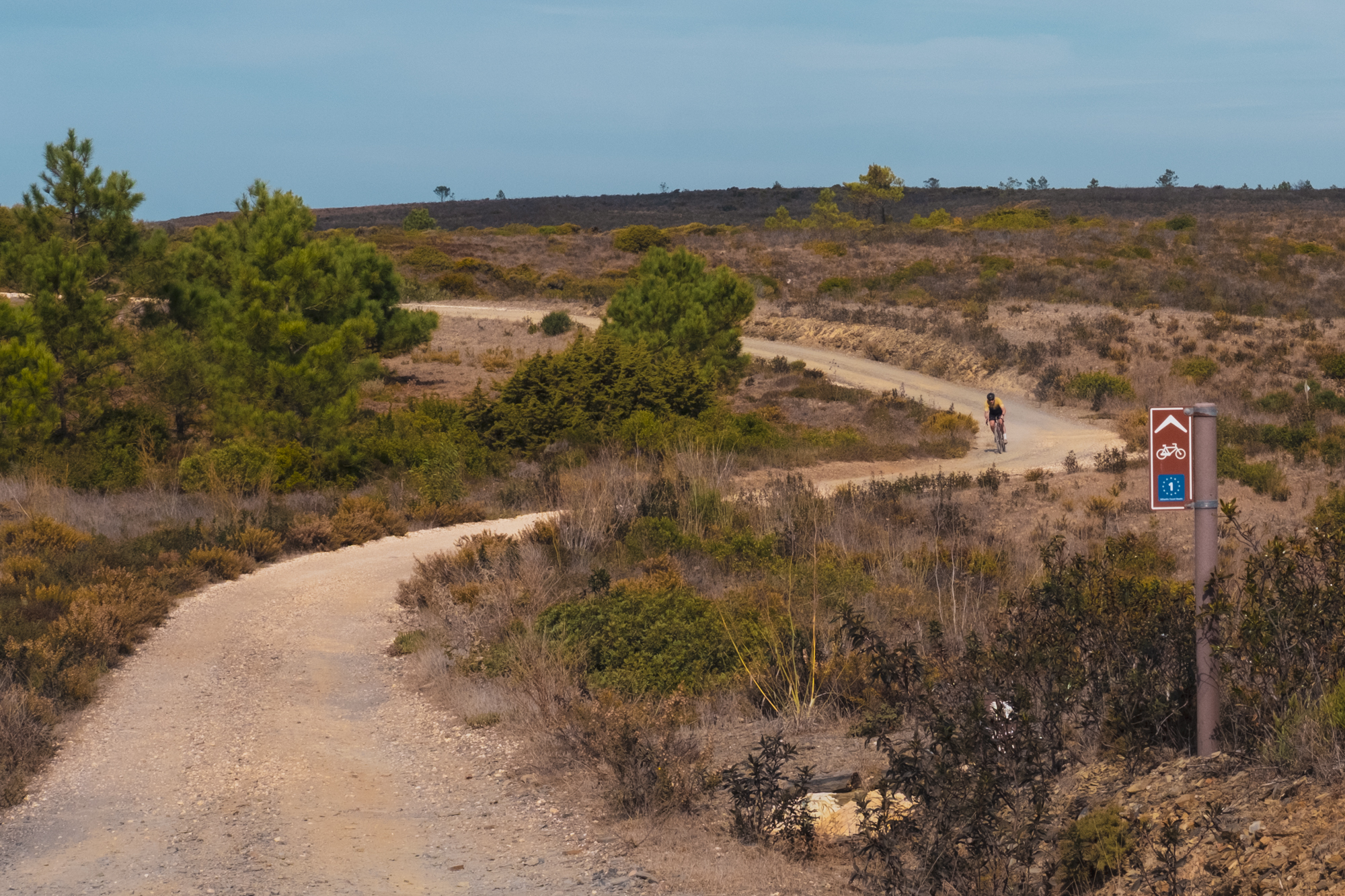
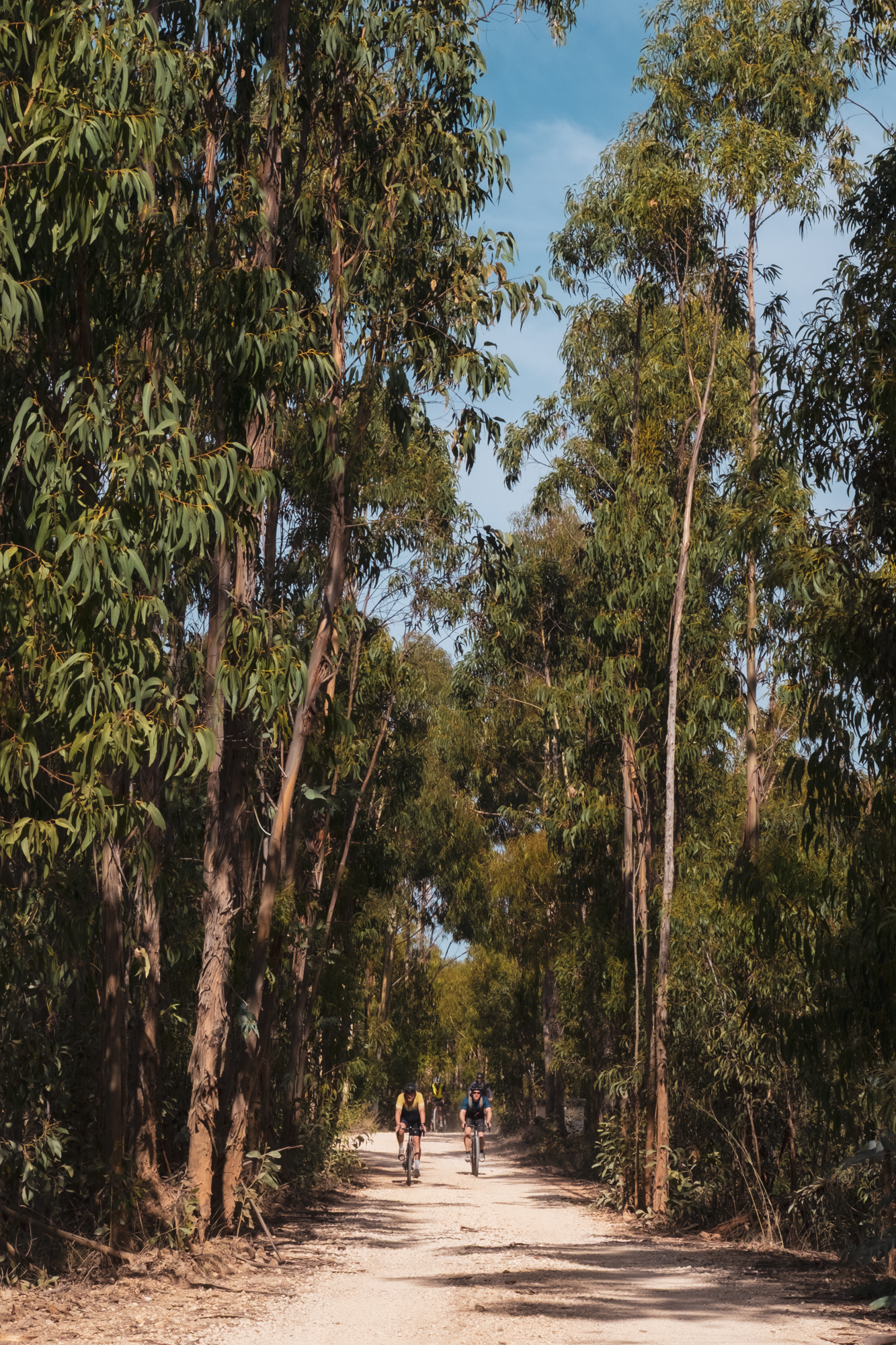
So what did gravel mean here? A bit of everything, and all of it comfortably within reach of a gravel bike. Our bikes were unloaded, but riders carrying bikepacking bags have nothing to fear either.
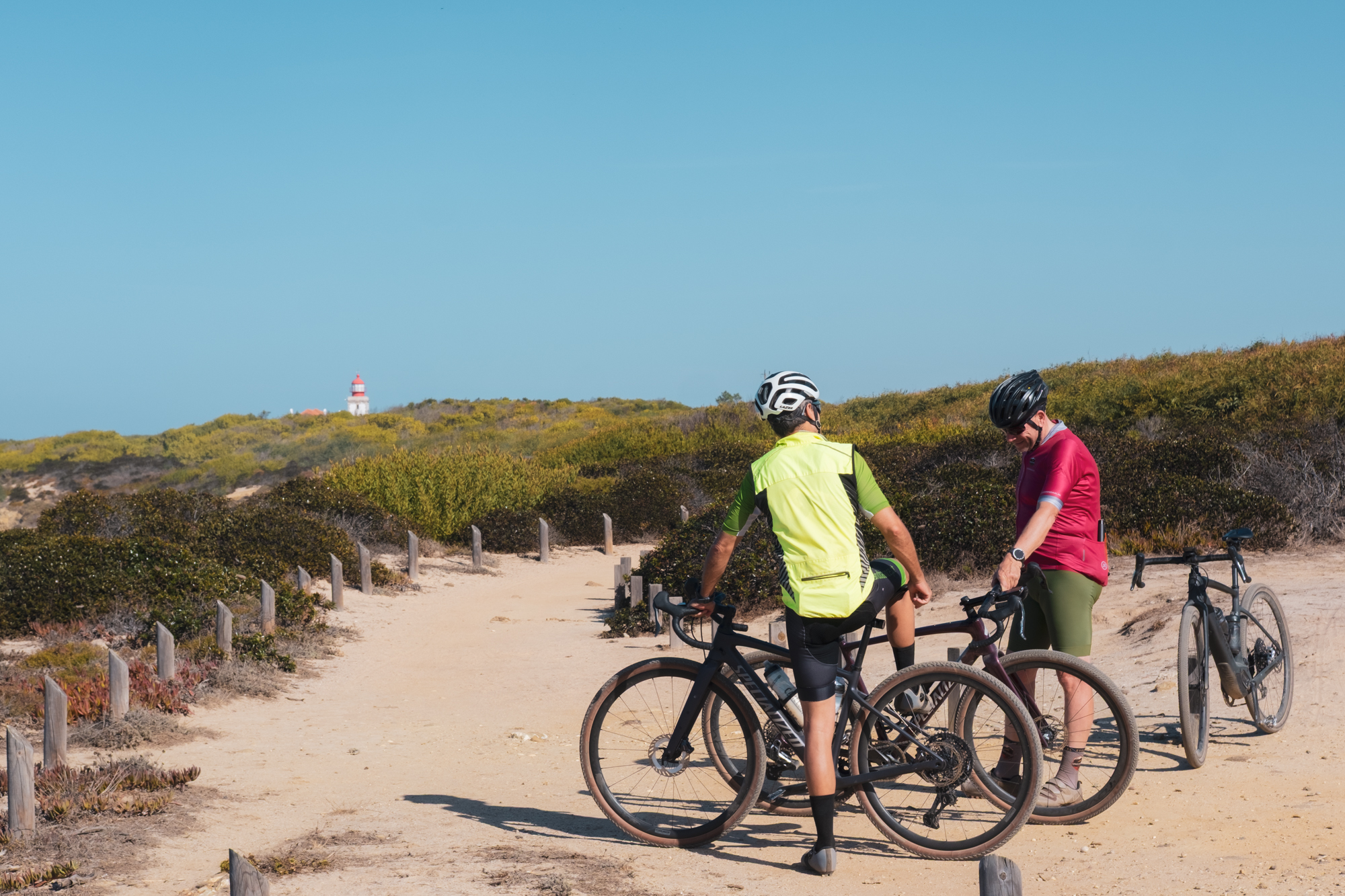
The one surprise was sand. Even a dozen kilometres inland, the coast kept reaching for our wheels, with soft sections that demanded a light touch and a steady cadence. The rest is gentle: there are no big climbs, which also means no rough descents. It is terrain for looking around rather than staring at your stem.
The people along the way
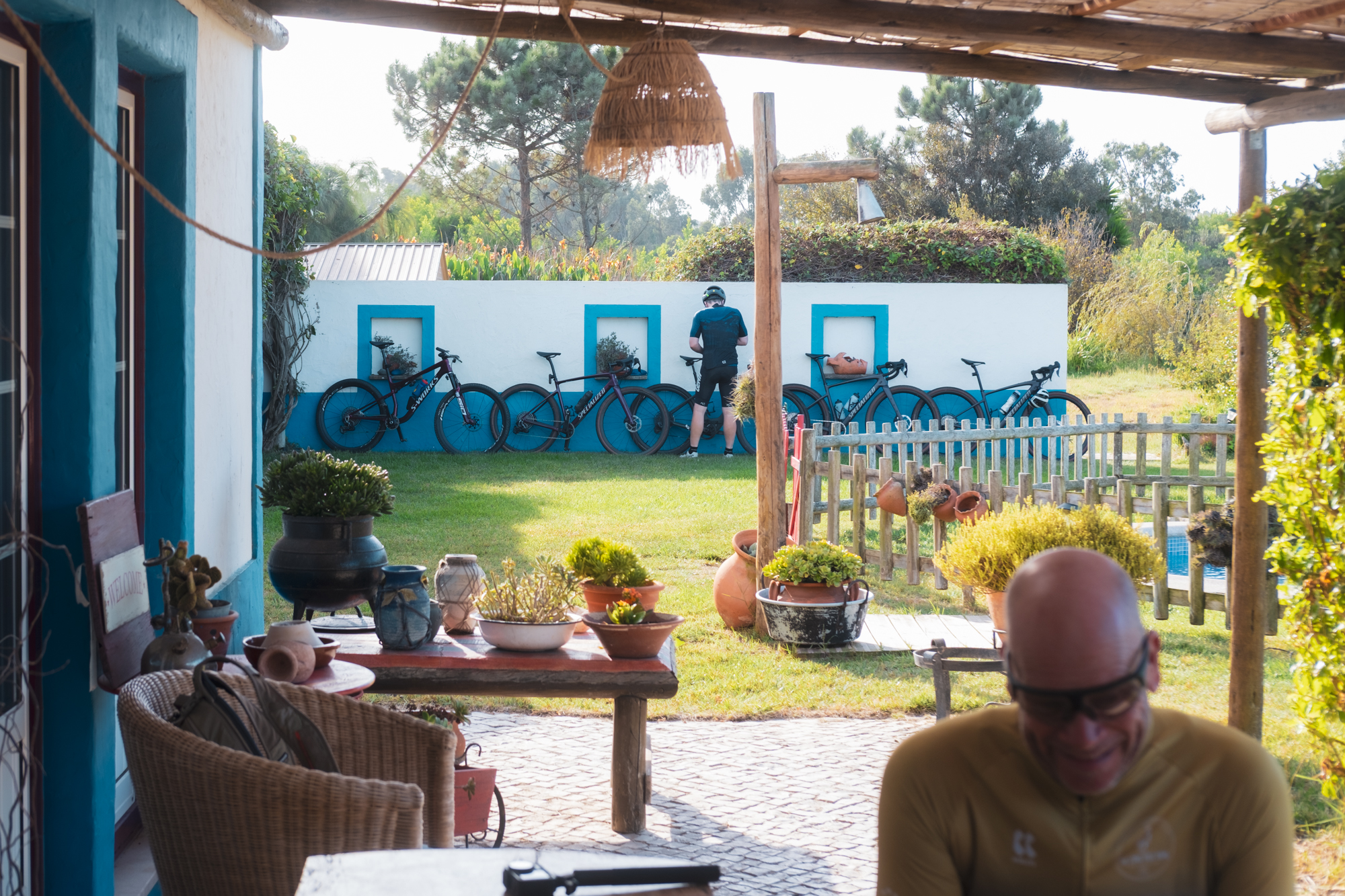
What set this trip apart were the stops. Mid-ride, we would leave the bikes against a wall to visit a local project, or sit down to lunch with someone who had a clear view on how tourism is changing life along the Rota Vicentina.
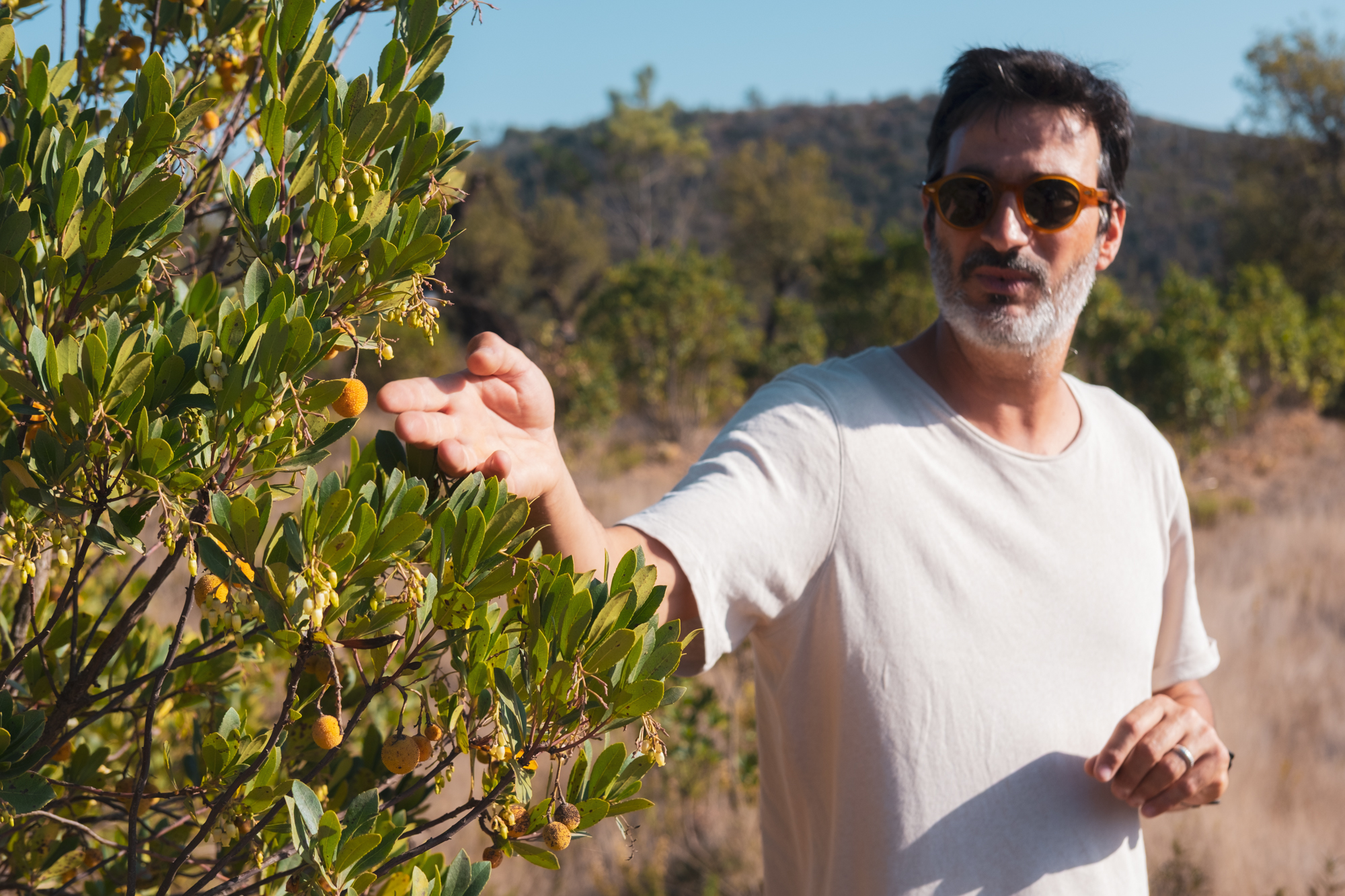
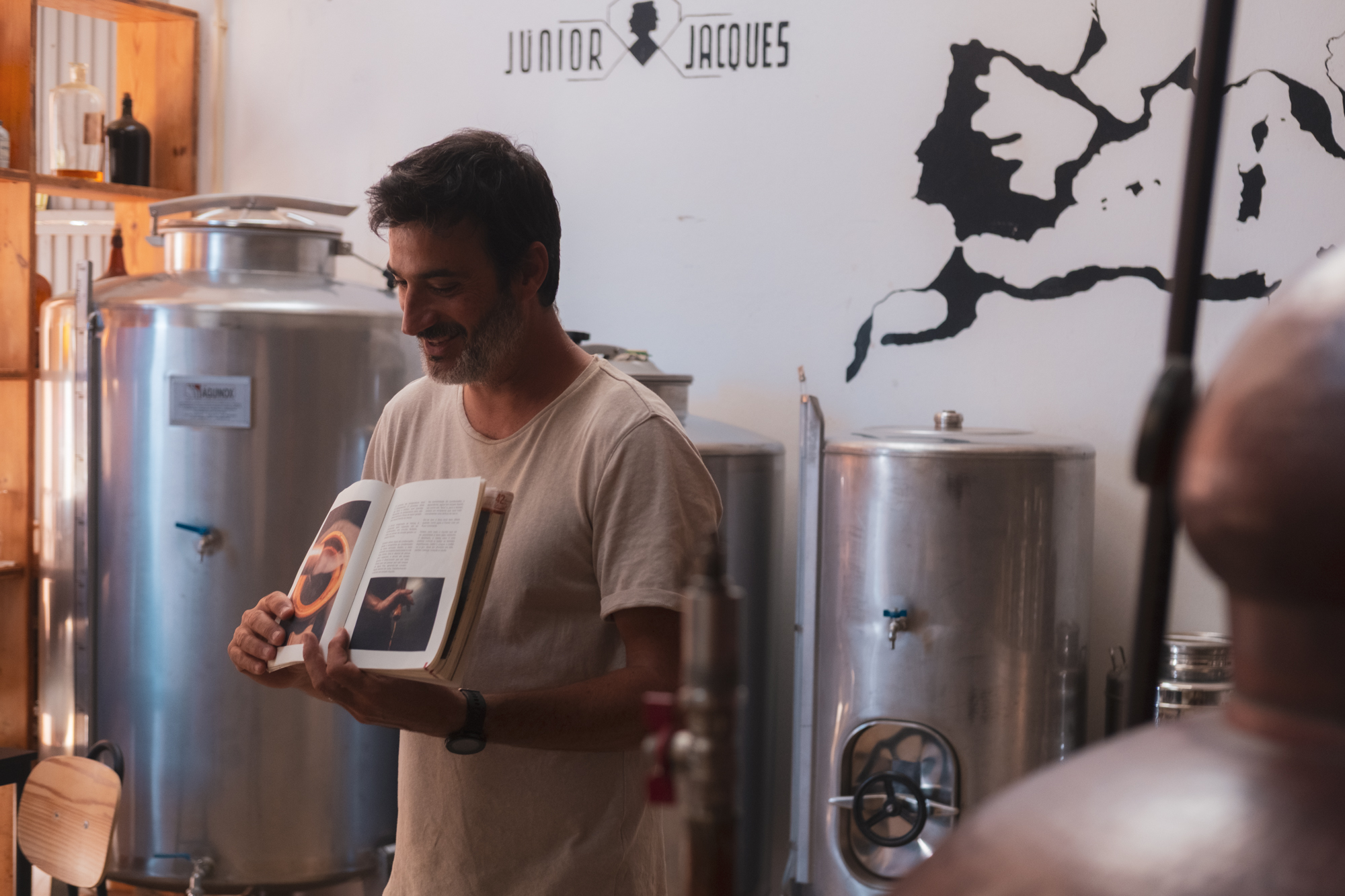
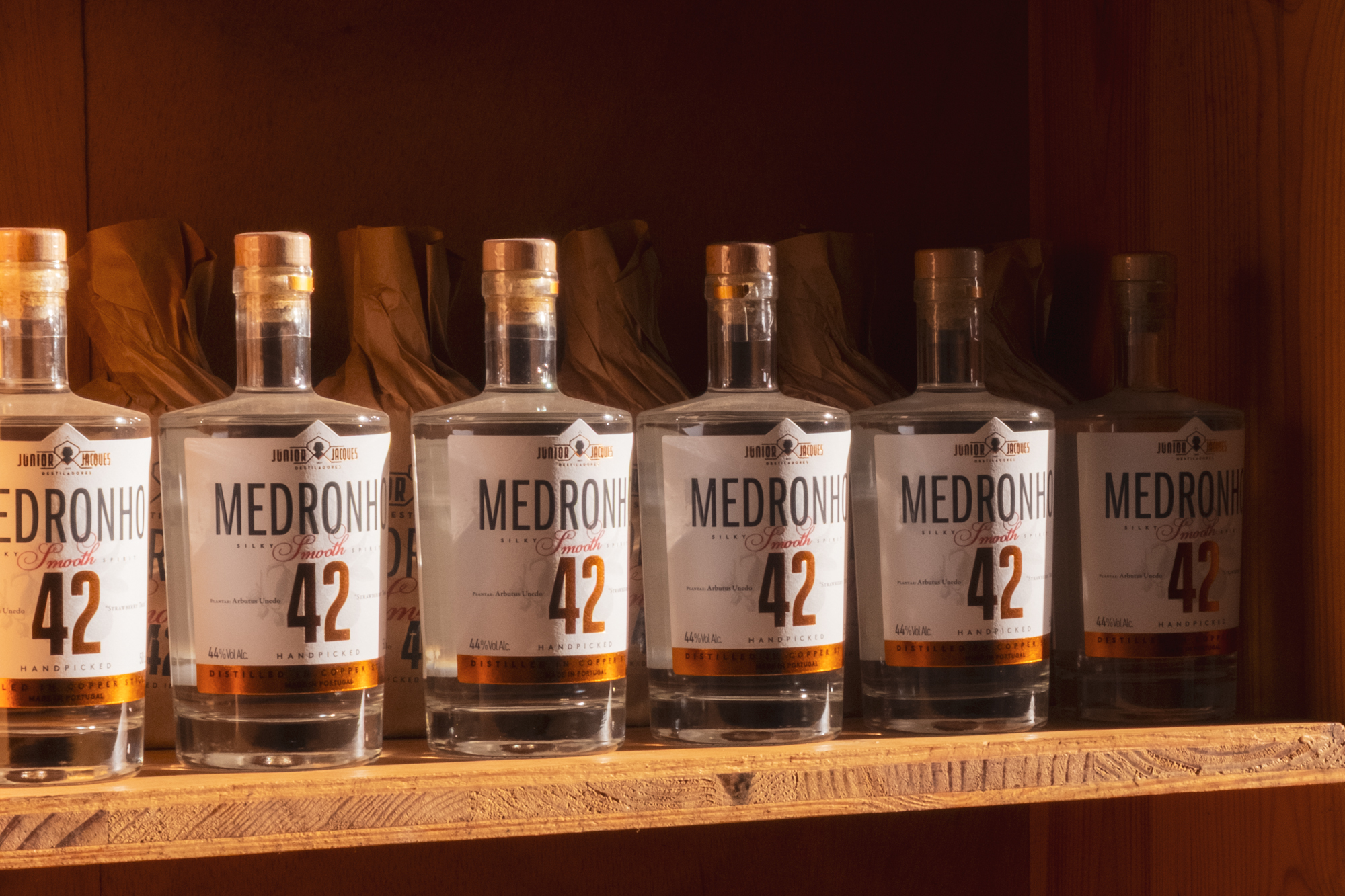
The conversation that stayed with us was with Pedro Costa. He looks after the Garvonesa, a draught cattle breed native to the historic region of Alentejo. Cattle are hungry for land, and he knows it. But Pedro is raising his herd differently, with an ambitious goal: a carbon footprint that is not just lower, but negative. Listening to him and all the other individuals we chatted with, like Afonso from the Junior Jacques distillery, the route made more sense. It is not only a way through the landscape, but a way into the lives of the people who keep it.
Off the coast, into the country
The Fishermen’s Trail will keep drawing the crowds to the cliffs, and rightly so. But the Rota Vicentina’s gravel route makes a quiet argument for turning inland: warm autumn light, forgiving surfaces, and people with something to say. Come for the sunshine in autumn. Stay for the conversations.