Basso Palta III: The refusal to choose between racing and adventure
Estimated reading time: 8 minutes
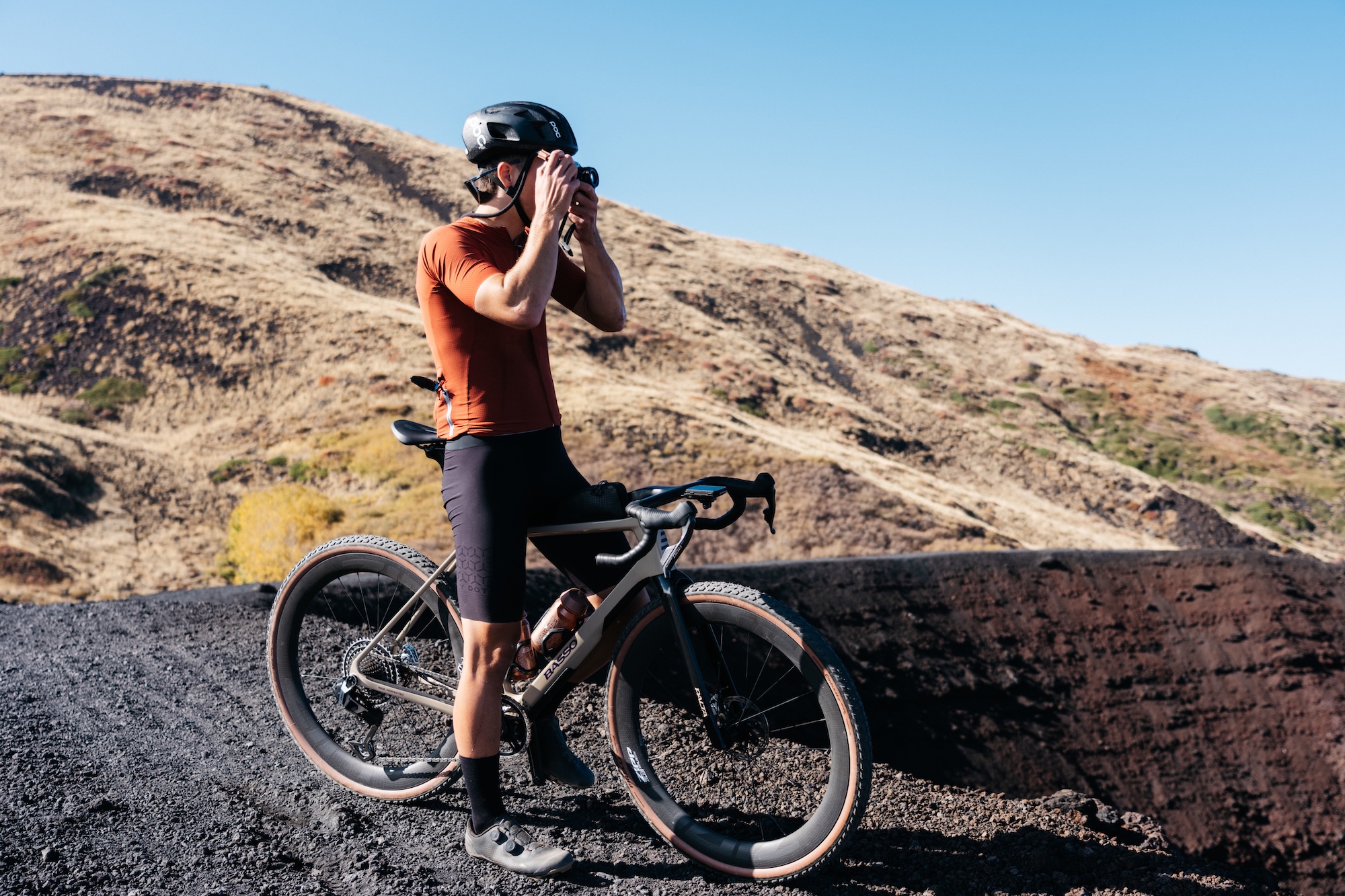
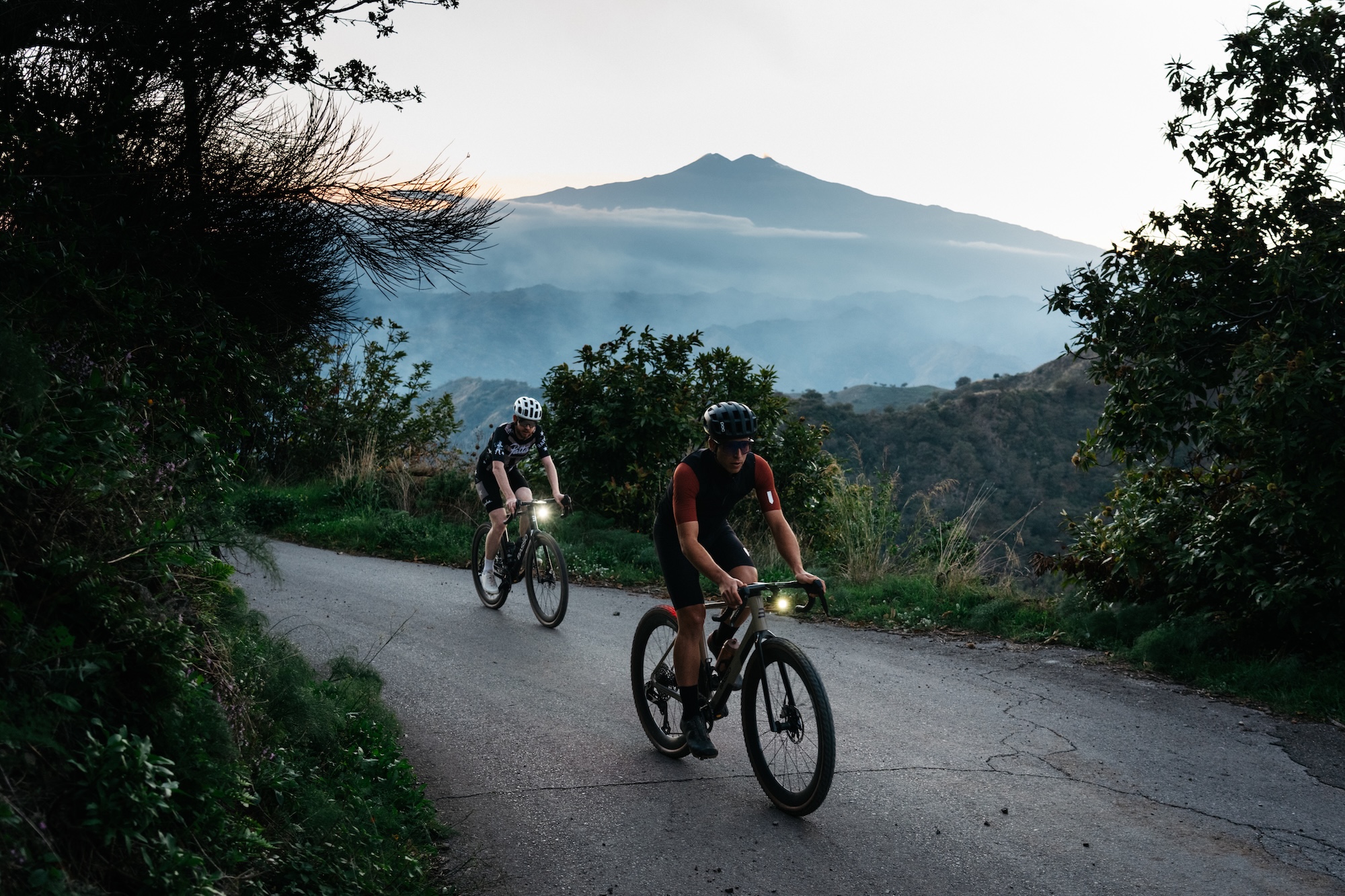
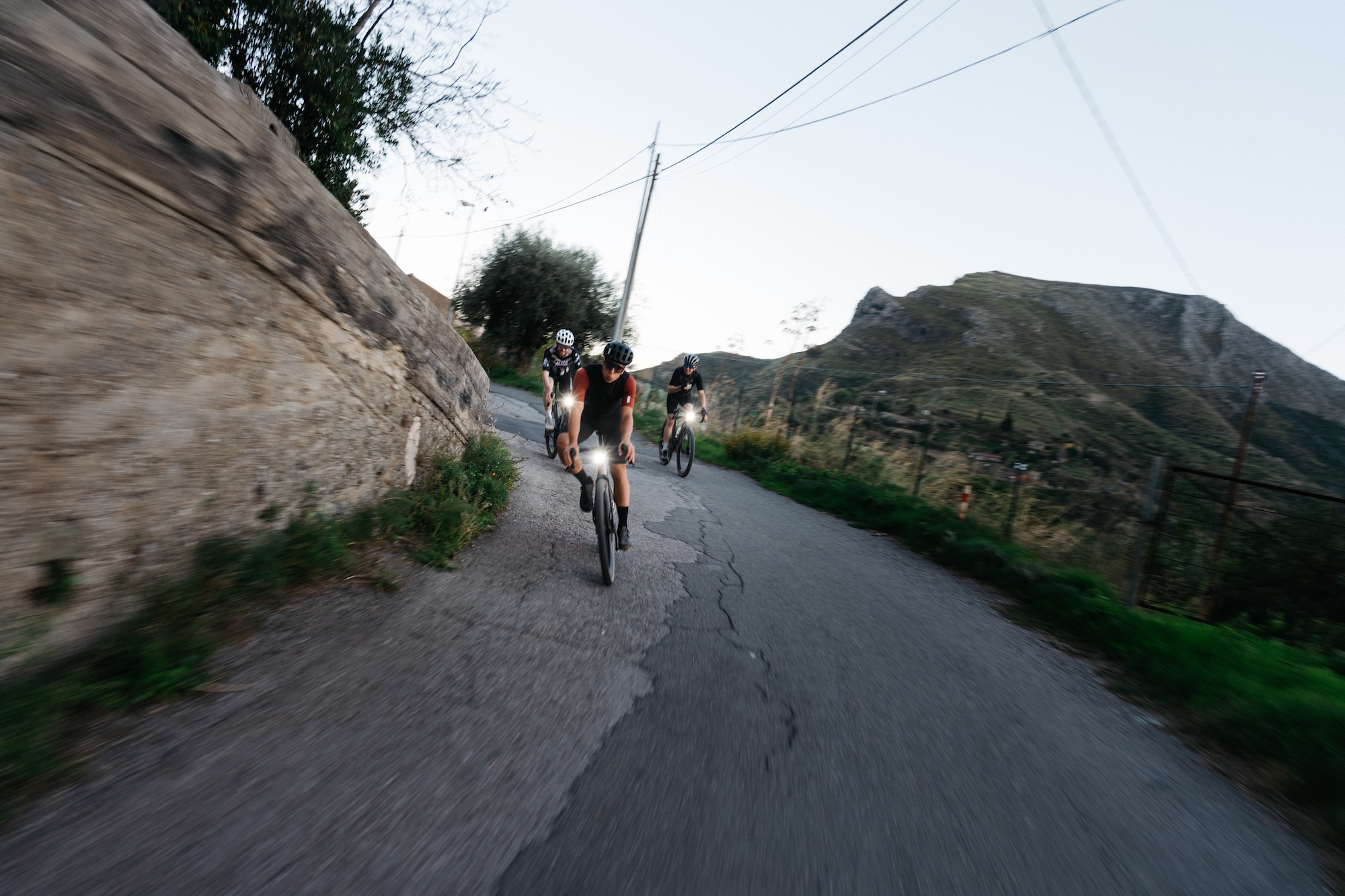
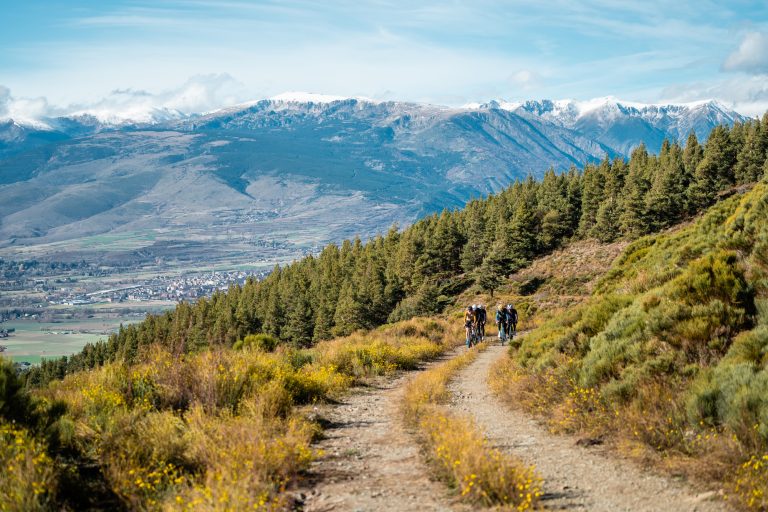
Gravel bikes are usually introduced on fast dirt roads of mainstream cycling destinations, but Basso chose a different approach. They brought us to Sicily, to the slopes of Mount Etna. It’s an unusual place to meet a new bike, but definitely a escape from the decreasing temperatures we were facing in our latitude at the start of November.
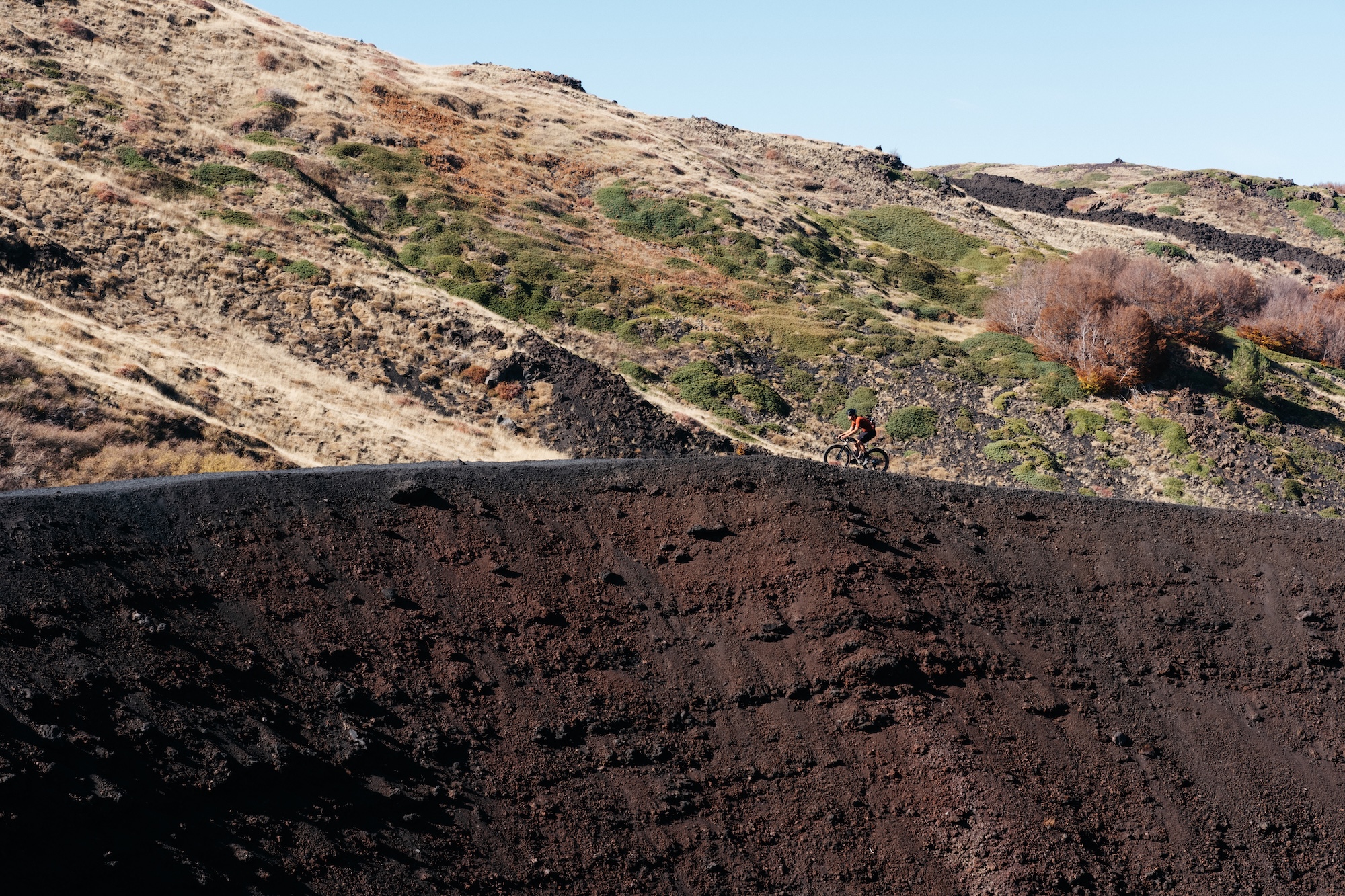
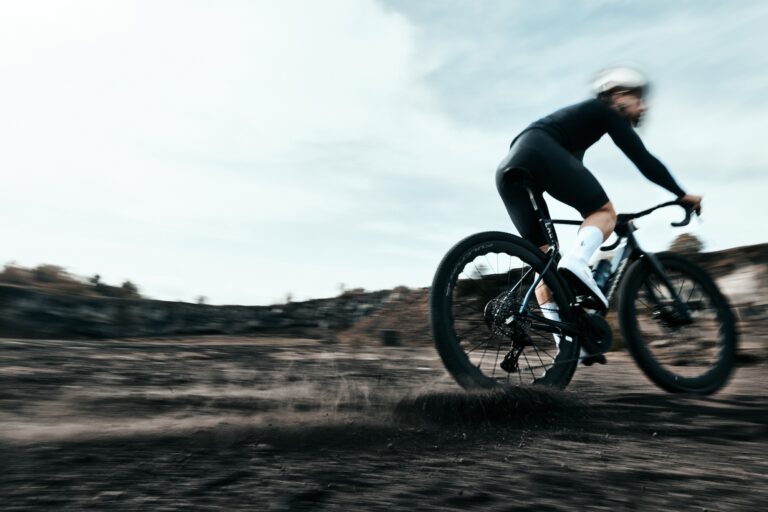
Steep gradients above 2,000 m of elevation, riding on the soft, unpredictable under the tires, volcanic sand. It is about as far from a controlled testing environment as you can get, but perhaps that’s the point. If a gravel bike claims versatility and adaptability across riding styles, Etna doesn’t offer many shortcuts.
This was our first real contact with the Basso Palta III, the third generation of the Italian brand’s gravel platform. A bike that lands with a very clear message in a market that is increasingly pulling itself apart.
A response to a fragmented gravel world
Gravel, once a blurry midpoint between road and mountain biking, has become something else entirely. Racing gravel bikes are more aero than ever. On the other end, adventure-focused models are creeping ever closer to hardtail territory, prioritizing comfort, mounts, and tire volume above all else.
The industry’s answer has been specialization. Pick a lane: race or adventure.
Basso doesn’t fully buy into that logic. Their belief, made explicit during the Palta III presentation, is that most riders don’t live at the extremes. They race sometimes. They explore other days. Likewise, they want speed, but they also want clearance, comfort, and options. The Palta III is designed as a refusal to choose.
Their launch motto is bold: “Two Souls. One Bike. Zero Regrets.” The challenge, of course, is whether a single bike can actually deliver on that promise without feeling compromised in both directions.
It is not an easy task. Leonardo Basso, Product and Marketing Manager at Basso, explained the example of a sponsored rider of a competitor brand who chose to race with the gravel endurance model instead of the racing one because of the limited tire clearance of the first one.
From Palta to Palta III
“Palta” means mud in the Veneto dialect, a name that has stuck since the original model launched in 2018, when gravel was still finding its identity. The second generation followed in 2021, and notably, it has continued to sell well ever since. The Palta III doesn’t exist because the Palta II failed. It exists because Basso believes the moment is right.
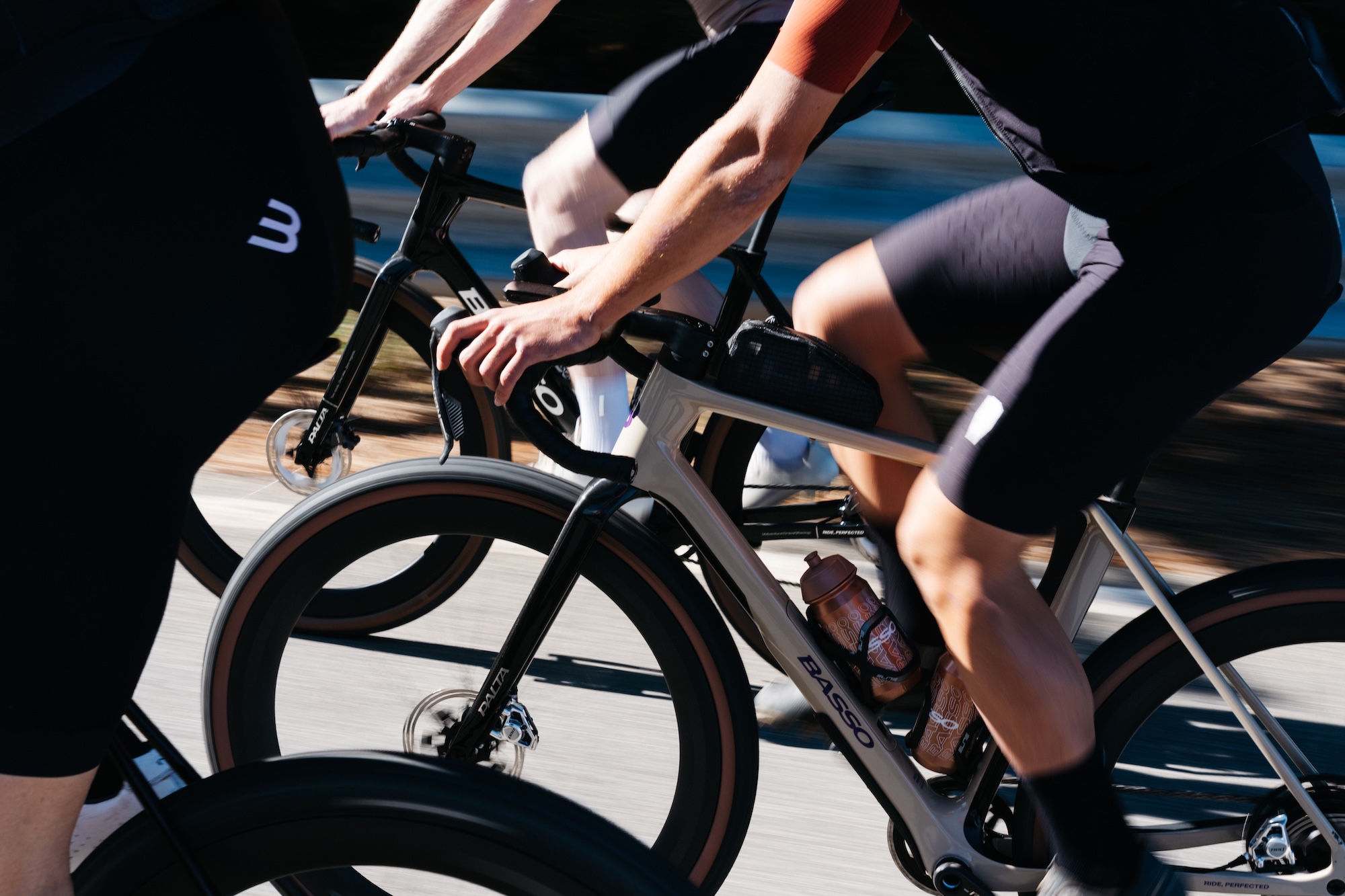
Part of that timing is internal. The recently launched Basso SV road bike introduced new tube profiles, carbon layups, and design solutions that now trickle down into the gravel platform. The Palta III borrows heavily from its road sibling, particularly in the downtube design, which is shared almost entirely—but downtube storage is nowadays a must, and Basso implemented it in their new gravel bike.
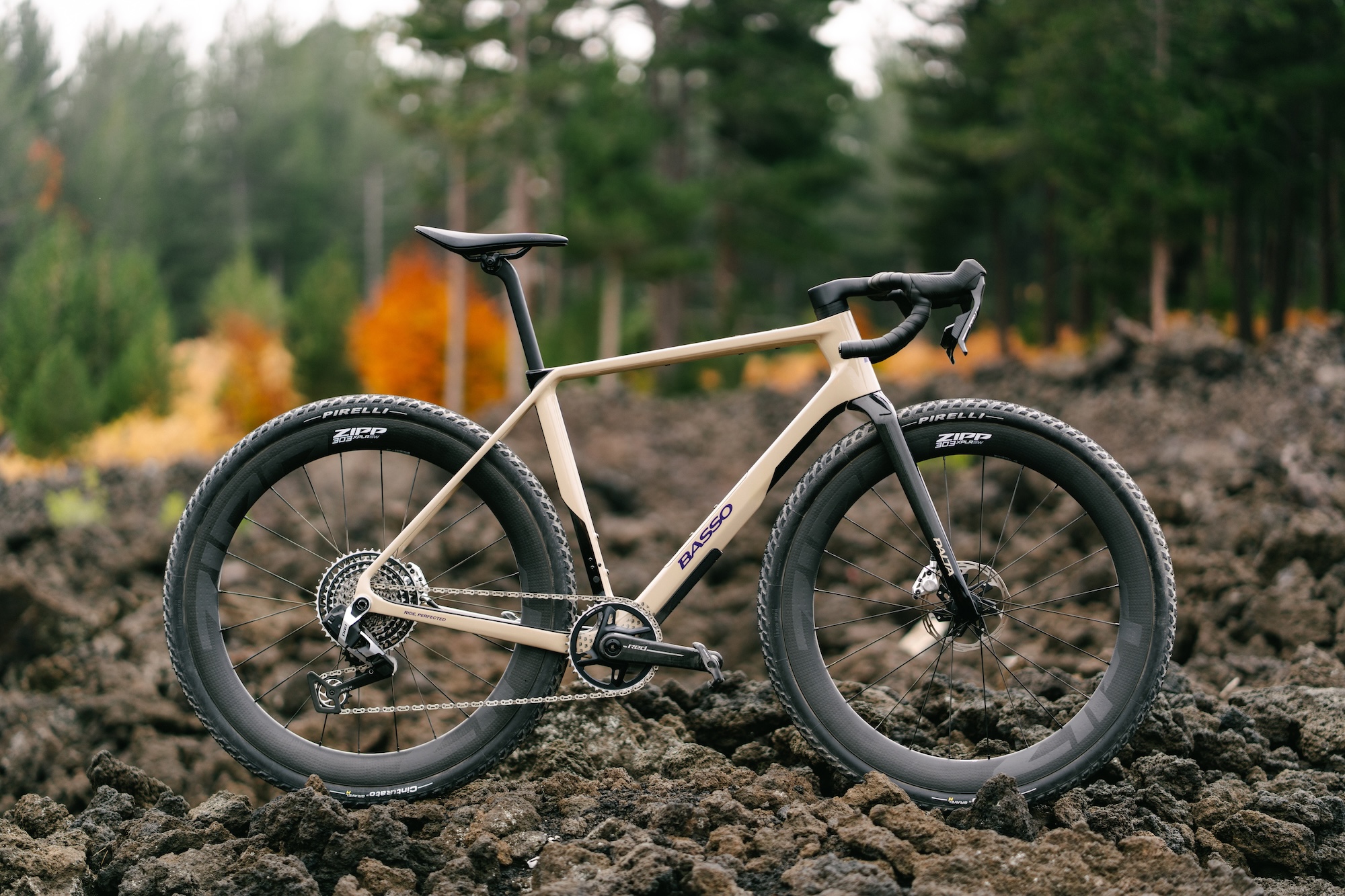
At first glance, the Palta III is unmistakably a Palta. Advanced fork, high seatstays, the distinctive rear dropout elbow, and Basso’s clean, functional aesthetic are all still there. That elbowed dropout, more than a visual signature, is a structural solution dictated by the elevated seatstay junction, balancing stiffness and compliance in the rear triangle.
The frame is handmade in Italy using a mix of Torayca carbon fibers (T800, M40JB, and T700), chosen to balance weight, stiffness, and durability. In size M, the raw frame weighs a claimed 970 grams, which is firmly on the lighter end of the gravel spectrum.
Basso claims an 18% reduction in frontal aerodynamic area compared to the Palta II, and while gravel aero gains are always difficult to quantify by a rider riding on varied off-road terrain, the slimmer front profile is visually evident.
More interesting, from a ride perspective, is what Basso chose not to make stiffer. While bottom bracket and rear triangle stiffness have increased, head tube stiffness has been reduced.
Geometry tweaks that matter
The Palta III refines rather than reinvents its geometry. Compared to the previous generation, the stack has increased by 5mm, and the seat tube has been shortened by 20mm in medium, large, and extra-large sizes. Combined with a sloping top tube, this opens up fit options and encourages more seatpost exposure. This feature was also a novelty of the Basso SV.
For the first time, the Palta platform is offered in six sizes, including an XXL, a small but meaningful move toward better fit inclusivity.
Tire clearance and the limits of versatility
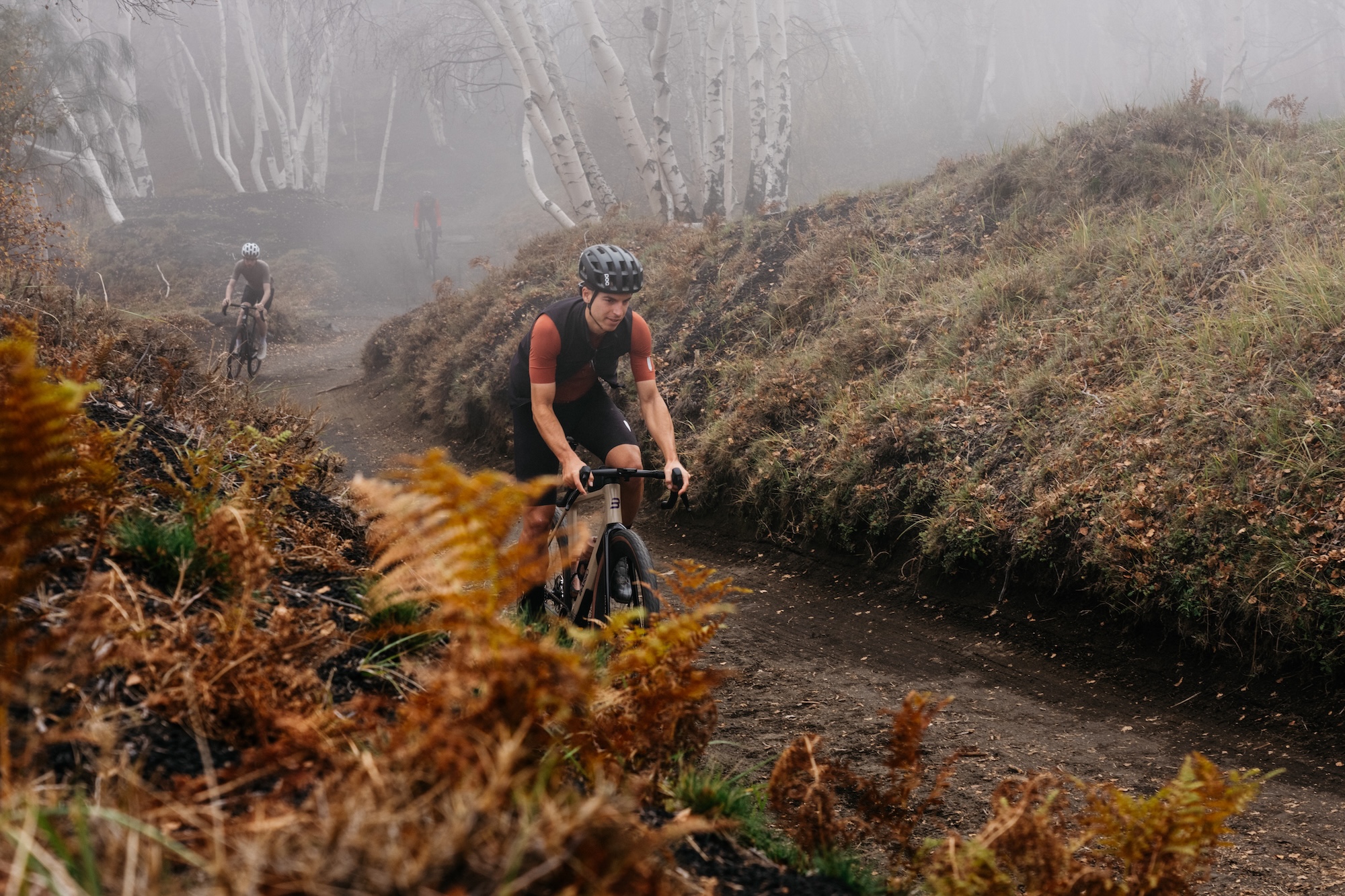
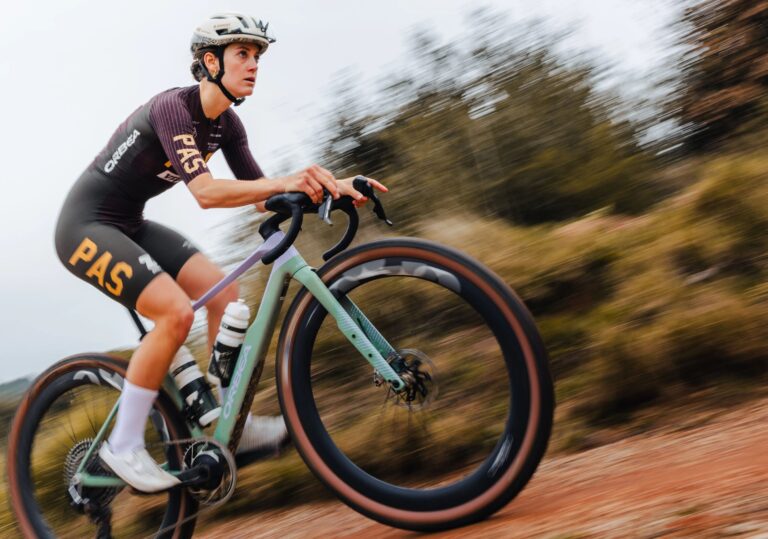
Tire clearance jumps significantly: 52mm up front and 50mm at the rear, up from 45mm on the Palta II. On volcanic sand, that extra volume was very welcome. Lower pressures meant traction where a narrower tire would simply dig in and stall.
Still, Basso is careful not to oversell the Palta III as a do-everything machine. This is not a bike for bikepacking through the rough wilderness. Push it too far into mountain bike territory and you’re asking the wrong tool to do the wrong job. It was noteworthy that they mentioned it to us with such transparency.
Incorporating and keeping useful features
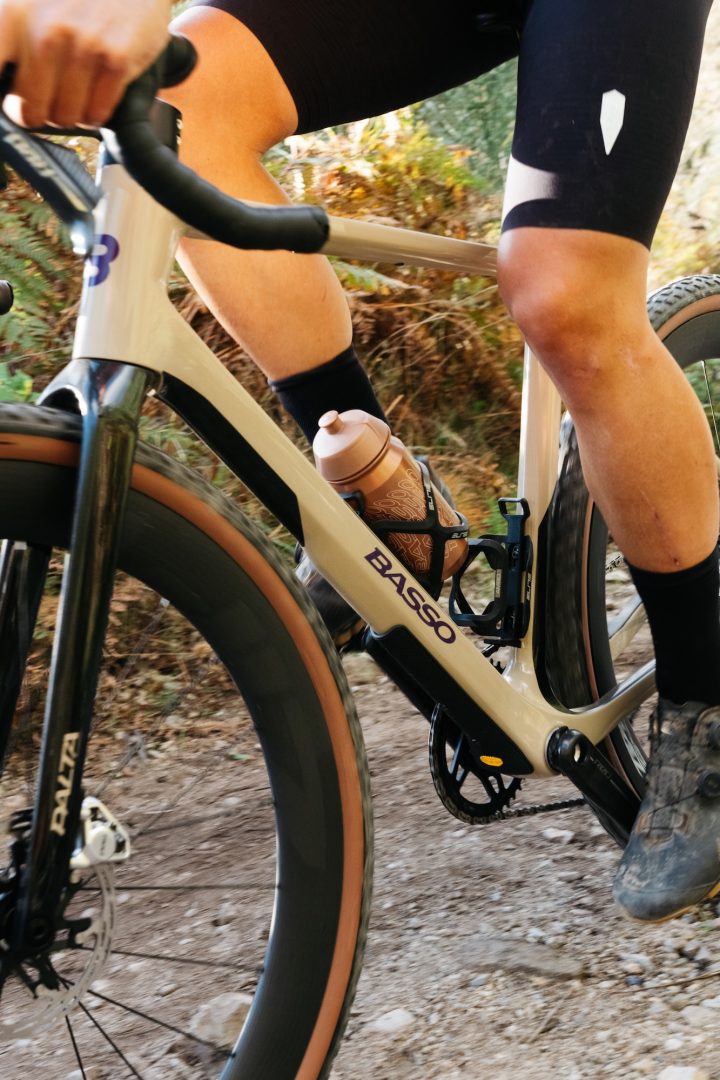
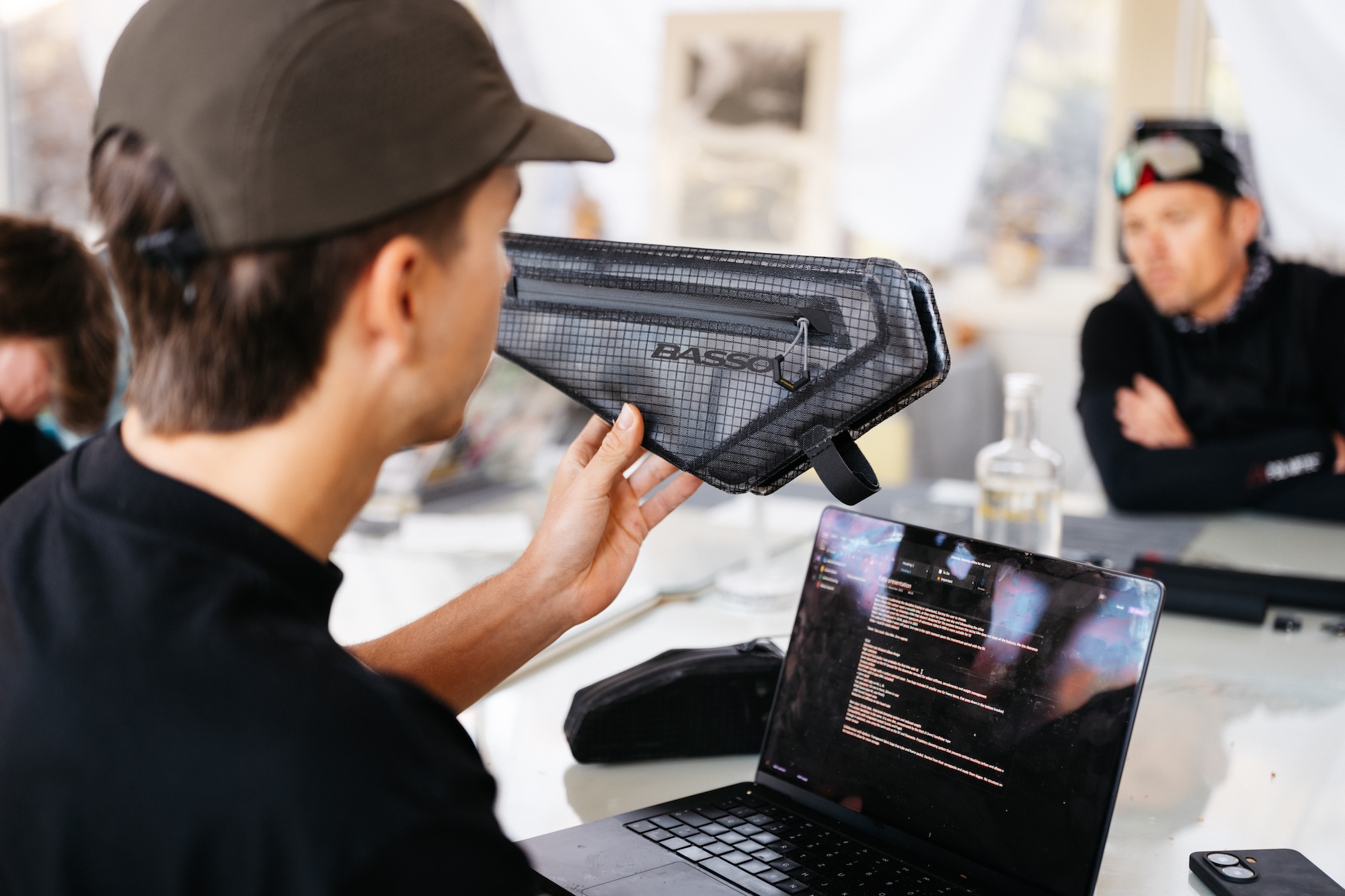
One of the biggest updates is the addition of in-frame storage, accessed via a carbon-painted downtube cover secured with a Fidlock magnetic latch. Two internal bags are included, one designed to sit low near the bottom bracket for heavier items. It’s a clean solution, visually subtle, and genuinely useful for racing or long rides alike.
The seatpost is shared with the SV and Diamante, paired with Basso’s second-generation 3B Clamp System, which prevents carbon-on-carbon contact and allows for lower torque. The result is added comfort and reduced stress on the components, something important over long, rough days.
Up front, riders can choose between fully integrated cockpits or the new Strato alloy stem, which features an improved clamping system and reduced weight. The carbon gravel handlebar remains slim, offset by notably thick 4.5mm bar tape.
Built to be configured, not prescribed
Rather than forcing riders into a predefined “race” or “adventure” build, Basso leans heavily into customization. Mechanical or electronic, 1x or 2x, integrated or traditional cockpit. The Palta III is assembled to order, not pulled from a one-size-fits-all spec sheet.
That philosophy extends to collaborations. The partnership with Apidura brings transparent, bolt-on frame and top-tube bags that prioritize function over structure, maximizing usable volume while keeping the bike visually clean. The starting point was Apidura’s aero packs, and together came up with something slightly bigger. There is no structure on the laterals to allow for more storage.
The collaboration with Vibram results in a rubber downtube guard that uses the bolts of the third bottle cage. It doubles as impact protection and vibration damping, using the same material found in their outdoor footwear. We still vividly remember when Leonardo Basso proudly showed us during a ride in Girona his cleats with Vibram rubber, which signaled a first contact between two brands that would end up collaborating for this launch.
Etna as a testing ground
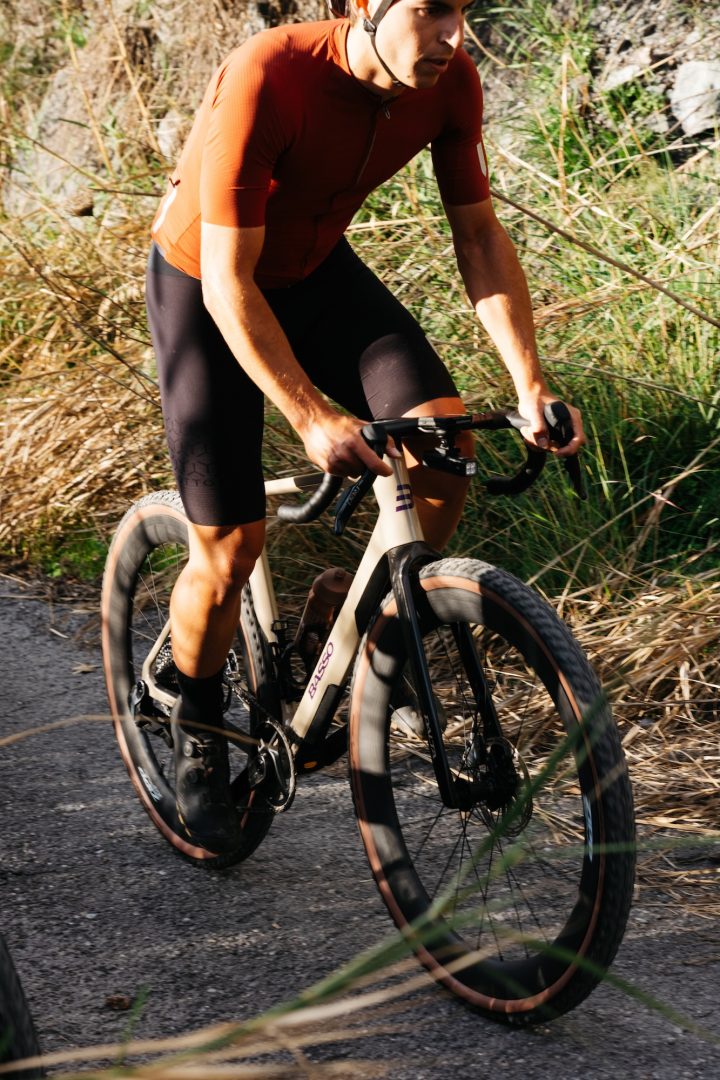
The two days of riding in Sicily were a promising introduction to the new Palta. It was not all volcanic sand, nor taking photos of the countless Fiat Panda that have taken over the island. There was also some proper testing along varied surfaces.
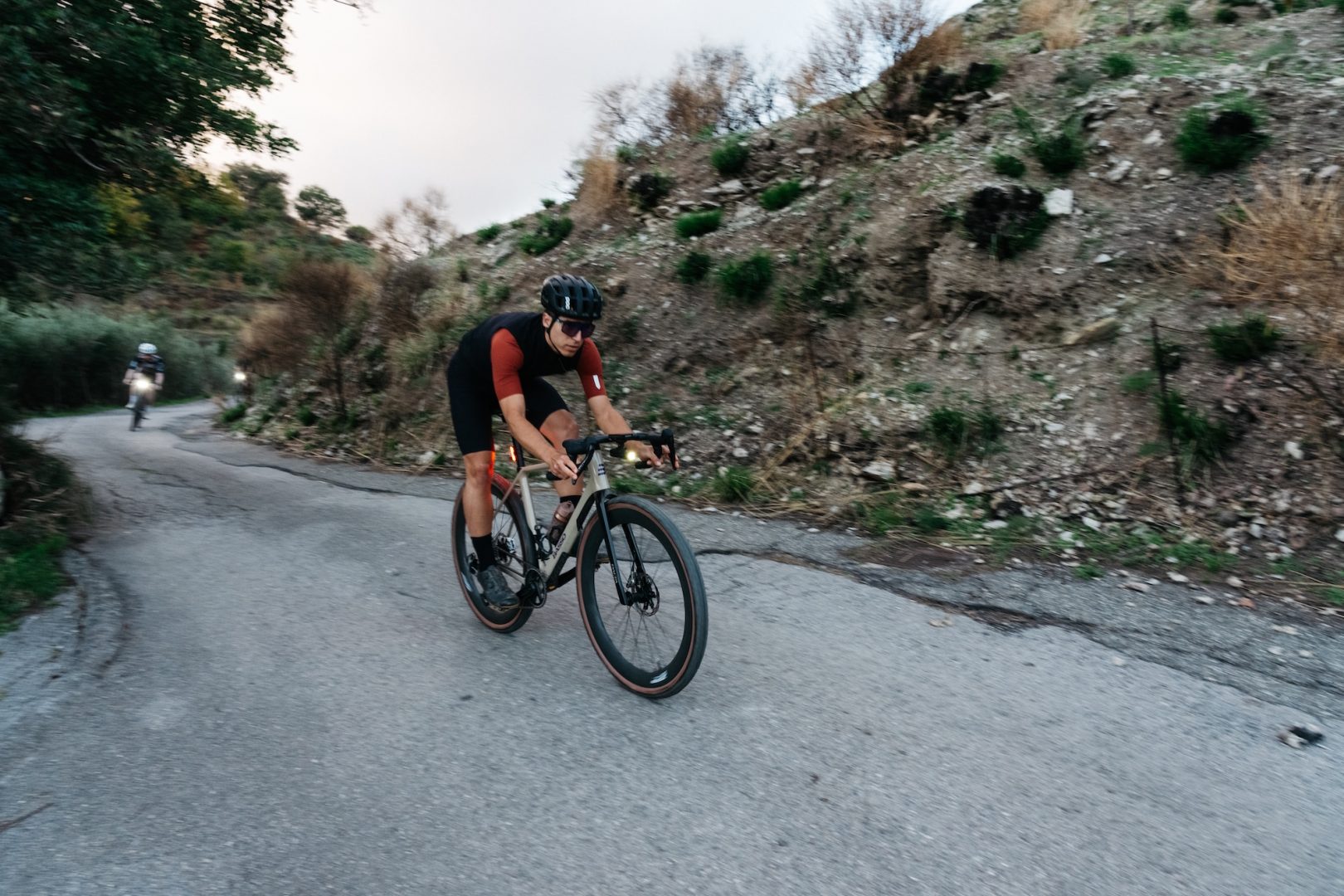
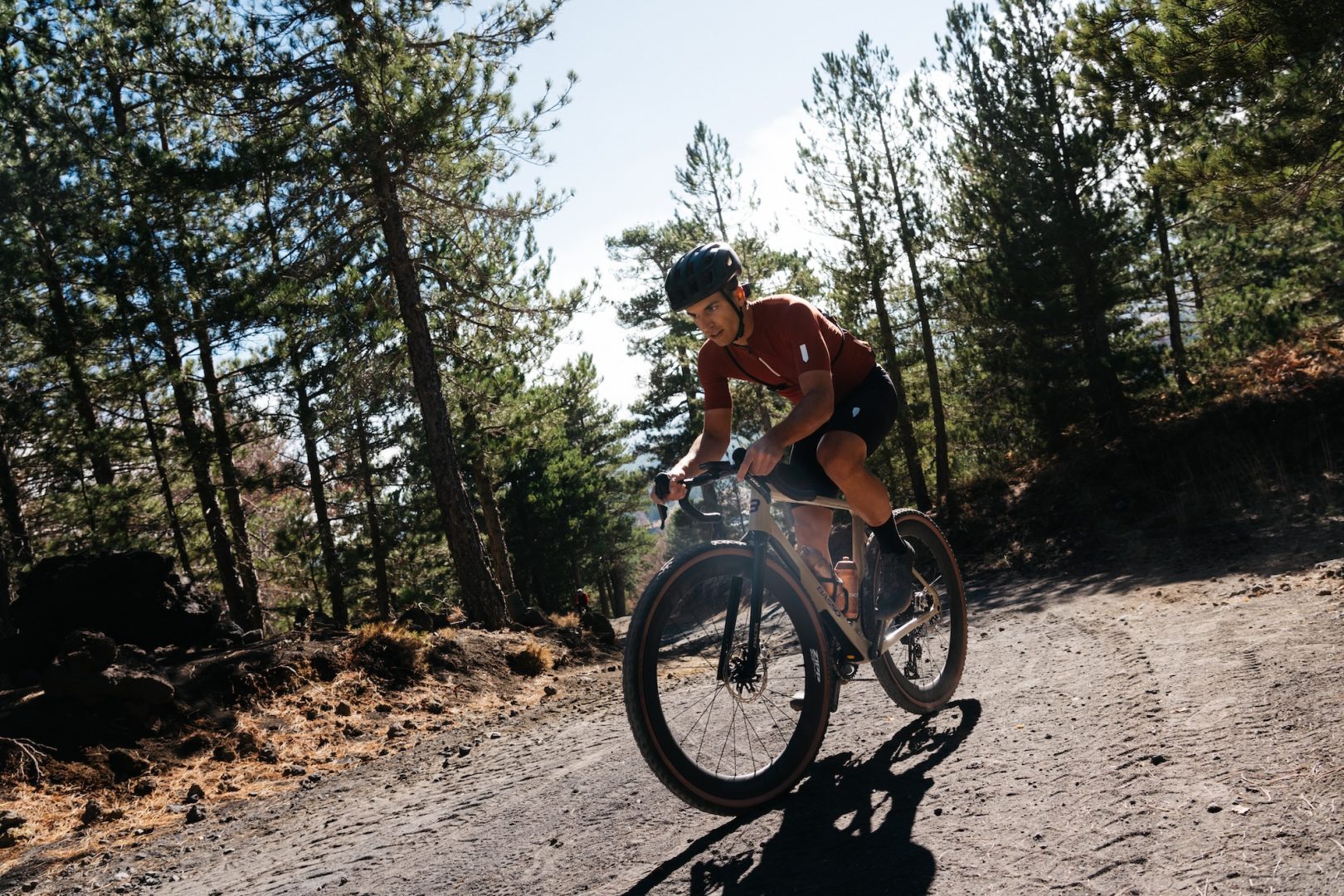
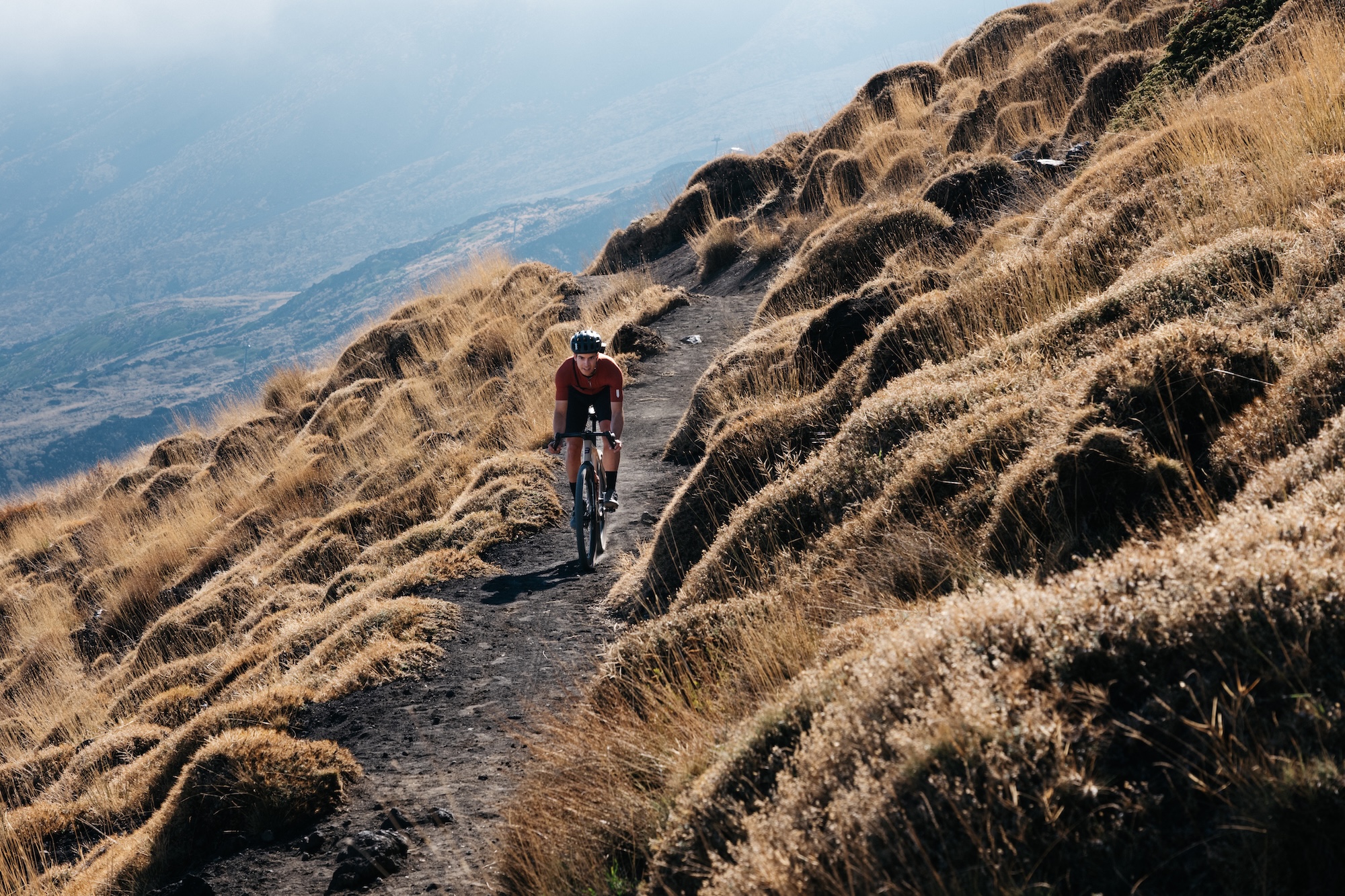
A long and steep gravel climb starting at the front door of the Casale Romano eco hotel proved the lightness of our setup, which featured a SRAM Red AXS XPLR drivetrain, ZIPP 303 XPLR SW wheels, and the Fuga integrated cockpit. On the two main descents we tackled, fully paved but tricky due to their tight hairpins, we focused on the handling of the bike. Based on our sensations, we approve the choices made by Basso in terms of stiffness.
The colorway of our test bike was Purple Dust. This base color always matches the terrain a gravel bike is intended to ride, and the complementary raw carbon parts and purple logos give it a unique touch.
Drawing the line
Basso ends its Palta III launch campaign with a question: Where will you draw the line?
After two days on Etna, the answer felt less abstract. The Palta III draws its line somewhere between ambition and restraint. It refuses to specialize itself into a corner, choosing instead to remain adaptable, configurable and, above all, rideable. In a gravel world increasingly obsessed with extremes, that might be its most radical feature.