Le Pilgrimage turns five, with a new way to ride the Alps
Estimated reading time: 6 minutes
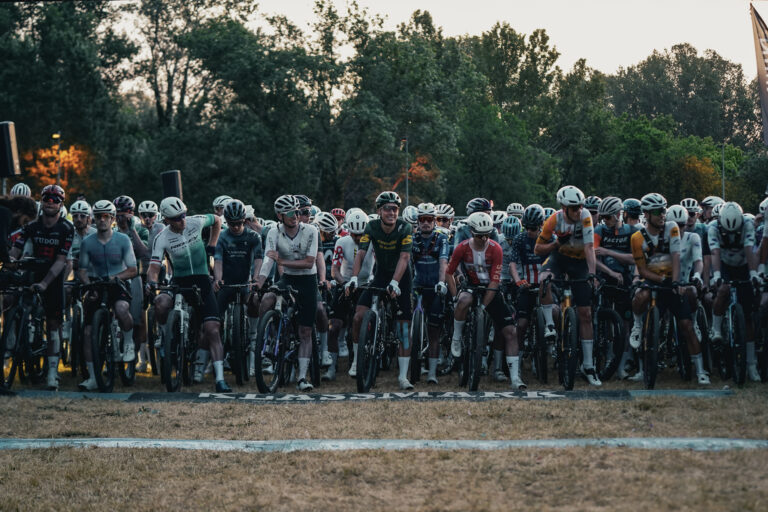
In September 2023, twenty-two riders gathered at Chalet AlpeLune in Puy-Saint-Vincent for something that did not quite have a name yet. Simon Rosmolen and Cyril Chermin called it a pilgrimage, and we called it, at the time, “a compromise between ultradistance racing and the comfort of sleeping below a roof”. There were three self-supported stages, a brevet card to stamp at every checkpoint, and dinners cooked by a chef waiting for us every evening. In 2027, Le Pilgrimage celebrates its fifth edition, and the organizers want the anniversary to bring back as many former pilgrims as possible, along with new people who share a love for the Alps.
For the first time, the series has three events. Le Pilgrimage Trail opens the season for runners from 27 June to 2 July. The anniversary edition of Le Pilgrimage Gravel follows from 7 to 12 July, and in September comes something completely new, Le Pilgrimage Bikepacking. The Gravel and Trail editions are still built around the format that gave the event its name, with all but one stage starting and finishing at the hotel. The bikepacking edition breaks from it, and the choice between the two cycling events now comes down to what each rider wants from the mountains.
The basecamp event, five years on
The format we know so well returns in July, now based at Hotel Saint Roch in Puy-Saint-Vincent. The first stage will run between 90 and 120 kilometers with around 3,000 meters of climbing. The second covers 120 to 130 kilometers with a similar amount of climbing, and the organizers are already hinting that it could bring back the famous Galibier stage for the anniversary. The third is the long one, 200 to 230 kilometers and more than 6,000 meters of climbing, split over two days.
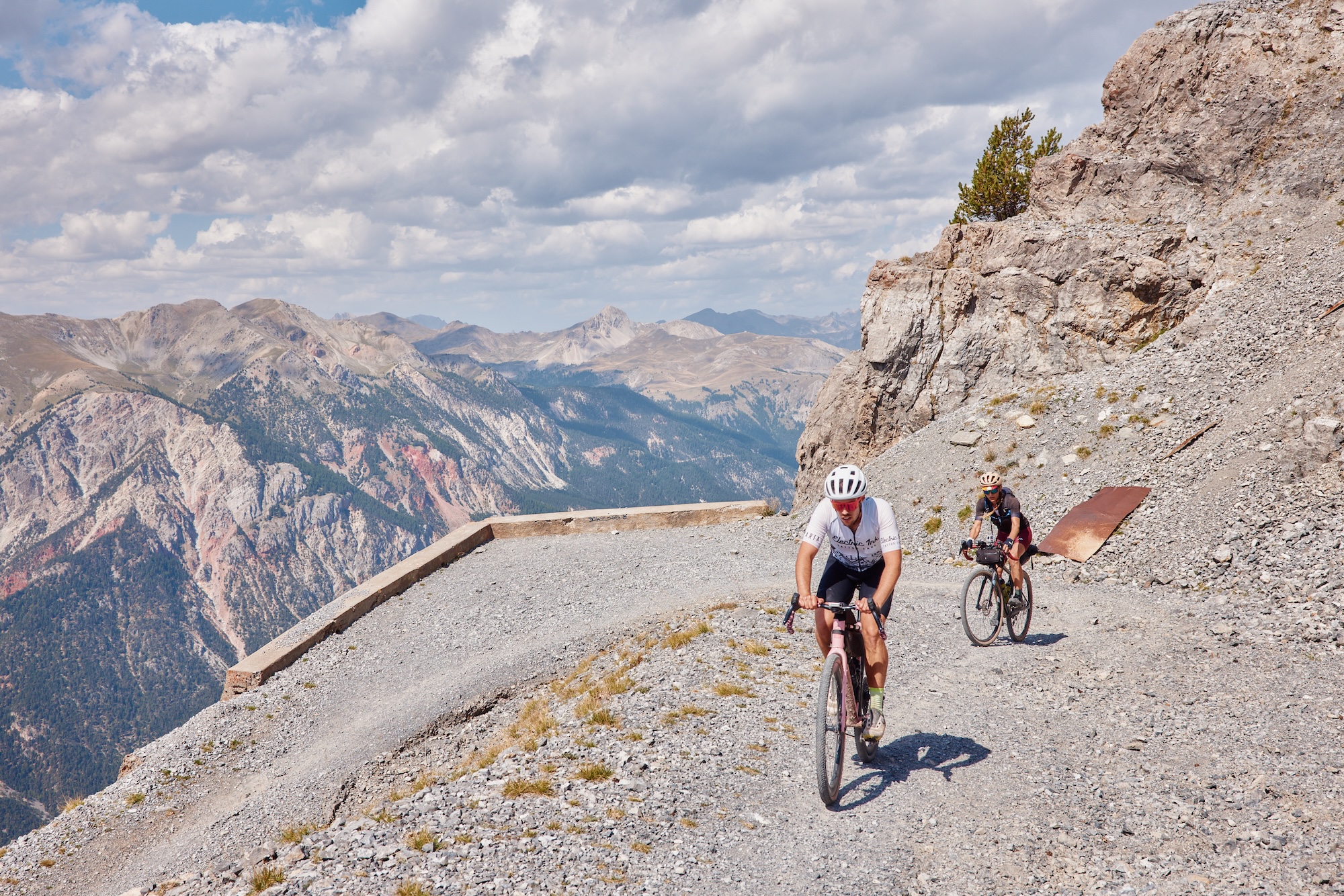
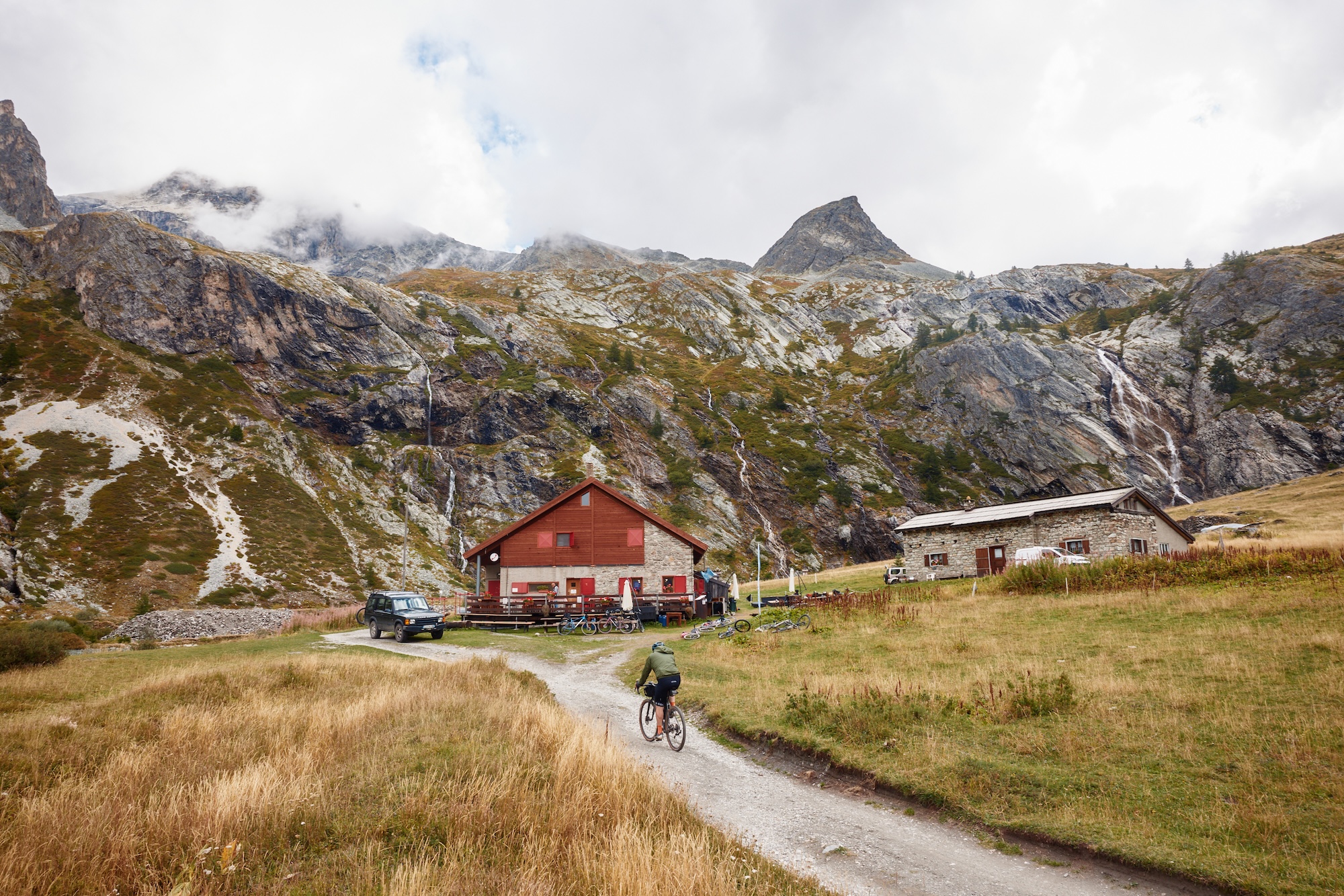
If the Galibier does return, we will be thinking of the two times we rode it. In 2023 it gave us rain, wind and mud, and a long hike-a-bike between three alpine lakes before hot soup and blankets at the Refuge des Drayères. In 2024 our GPS device read -4°C at the top, and the last handful of kilometers before the top took a full hour.
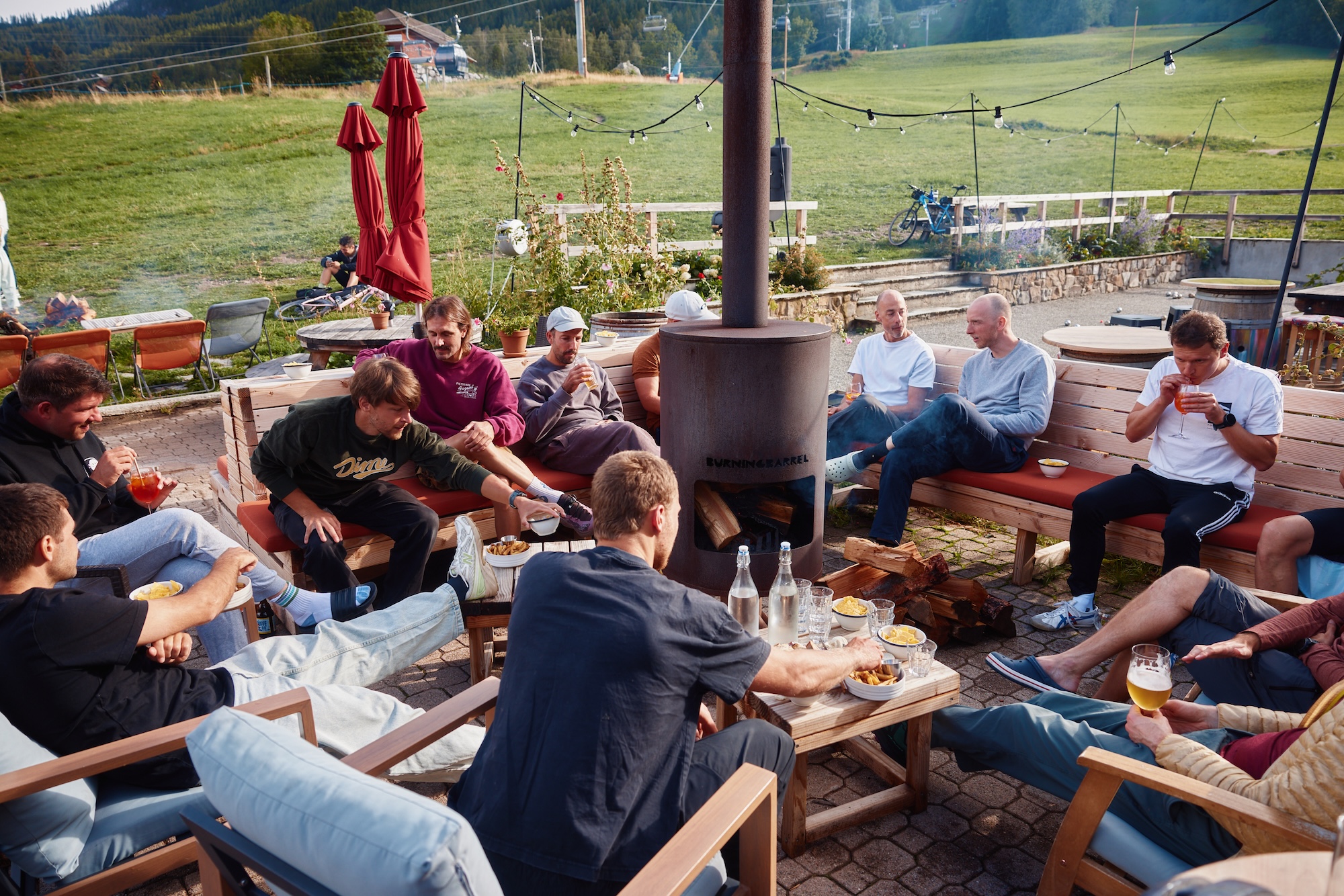
The comfort at the end of each day is what makes days like those possible. Every stage of Le Pilgrimage Gravel ends in a warm room, a hot meal and a bed you do not have to set up, and on the second morning you leave with dry kit. There is no need to carry a sleeping bag up the climbs, and the bike can stay light.
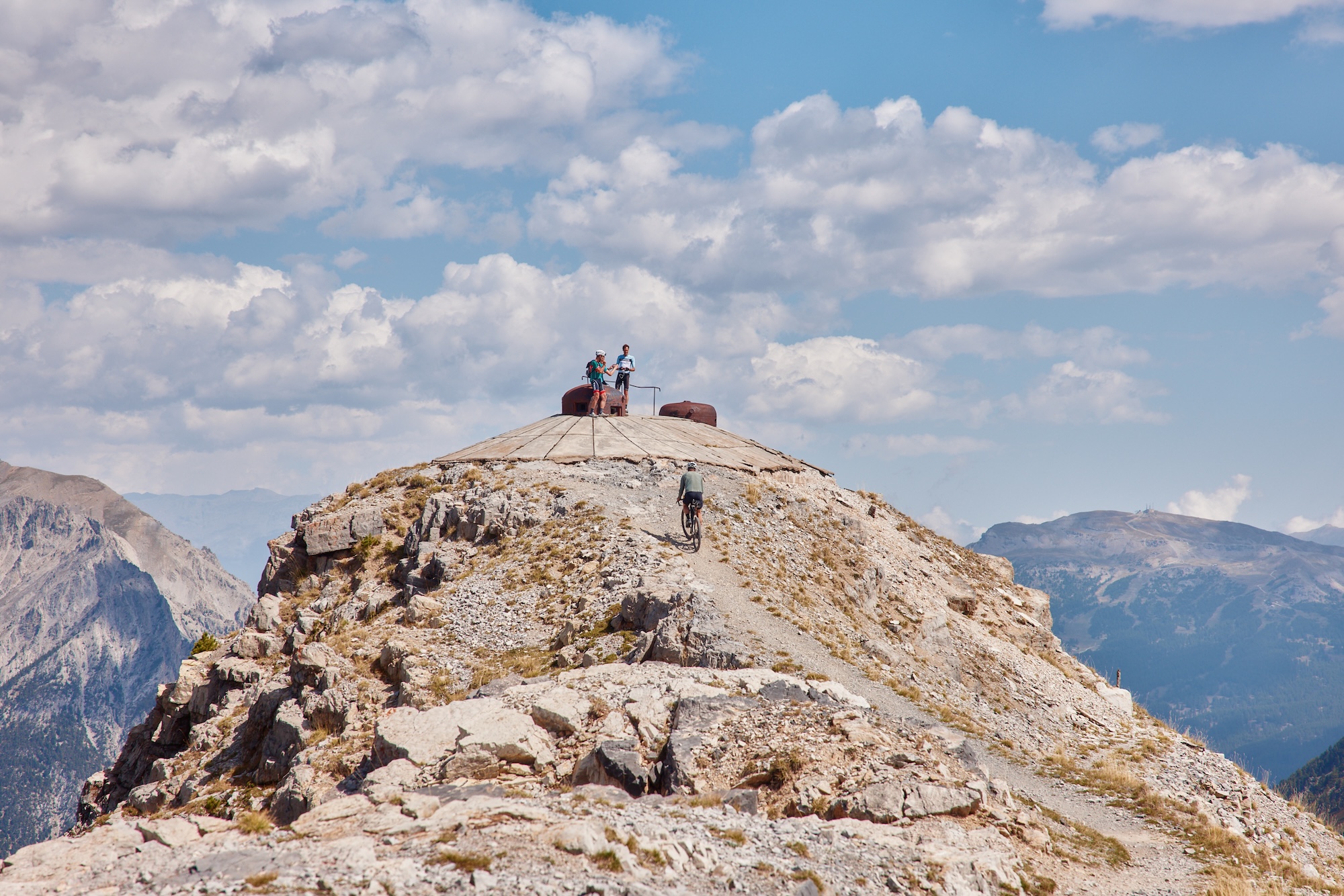
The third stage has always been the exception, the one that lets riders spend a night away from basecamp, and it gave us some of our strongest memories. In 2023 it took us south to Barcelonnette and over the Tunnel du Parpaillon in a thunderstorm, with Simon handing out warm tea inside the tunnel. In 2024 it took us across the border to a cappuccino in Claviere, pizza in Sestriere and the Strada dell’Assietta, which we described as one of the highlights not only of Le Pilgrimage but our entire year. Then we rode through pitch-black tunnels on the old military road with two riders we found bivvying by the roadside, and went up Mont Jafferau on a treasure hunt. Those two days resembled more of a journey rather than a ride, and they are a good preview of what the new event is built around.
One big loop taking four or five days
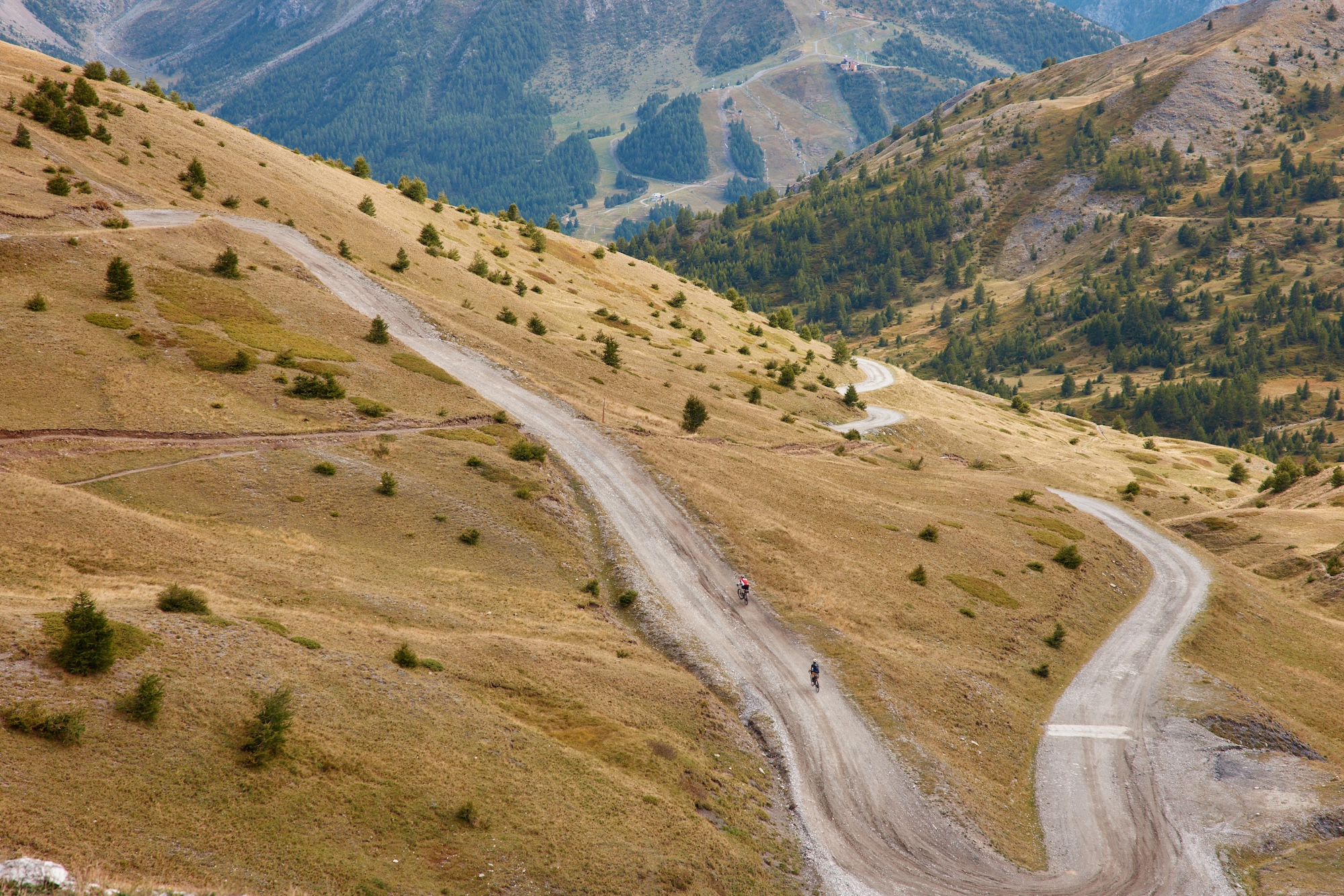
Le Pilgrimage Bikepacking takes that third stage and makes the whole event out of it. It starts from Puy-Saint-Vincent at seven in the morning on September 2nd and follows a single loop of around 550 kilometers and more or less 16,000 meters of climbing through the French and Italian Alps. About half of it is unpaved, and riders should expect a couple of kilometers of hike-a-bike. The organizers expect riders to complete it in four or five days.
Like every event of the Le Pilgrimage series, it is not timed and has no ranking. Riders carry what they need and sleep where they choose, in a bivy, a refuge or a guesthouse, and three refuges along the way act as checkpoints for the brevet card.
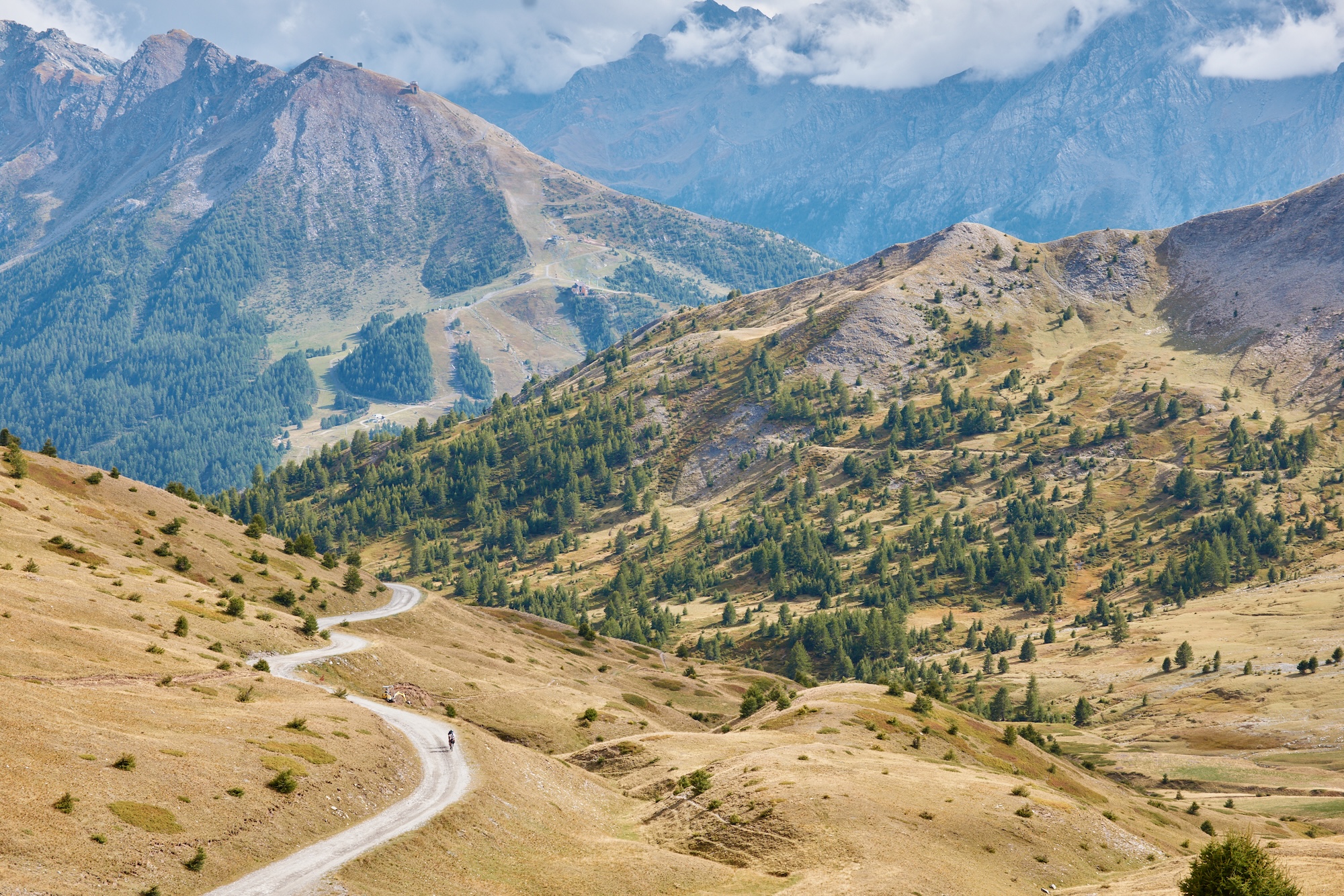
A basecamp event has to come home every night, so its routes can only go as far as a day’s ride from the hotel. A bikepacking event is not limited by that. The route takes in the Vallée des Fonts and the Écrins massif on the French side, then crosses into Italy for roads we have already fallen for, the Strada dell’Assietta and the Colle delle Finestre, and the gravel climb to Colle del Sommeiller at almost 3,000 meters. From there it goes deeper into Piemonte than the gravel event ever could, to the Strada dei Cannoni and the high Gardetta plateau in the valleys of Cuneo. The field is capped at 100 pilgrims for this first edition, which keeps the spirit of the event intact.
Range or comfort
The main benefit of the bikepacking format is its range of action. It also gives riders more freedom, as each one decides when to stop, where to sleep and how many days to take, and with up to a hundred riders sleeping in different places, the stories will be even more varied than the “1 route, 40 different stories” we counted in 2024. The social side has not disappeared either. On 1 September, riders gather at Hotel Saint Roch for the opening dinner and briefing, and a final dinner, the “Pilgrims’ Table”, waits for them when they return.
The drawbacks come from the same freedom. There is less comfort. Nights are spent in a bivy, a refuge or a guesthouse that riders have to find themselves, and there is no hot tub, no plat du jour and no dry kit waiting every evening. The bike is heavier, recovery is harder, and there is more to organise.
Either way, in its fifth year, Le Pilgrimage gives riders more ways than ever to come back to the mountains above Briançon. Registration for both cycling events has opened on the official website, and the places will not last long.