From Santiago to Javalambre: Graval’s autumn of 2026
Estimated reading time: 6 minutes
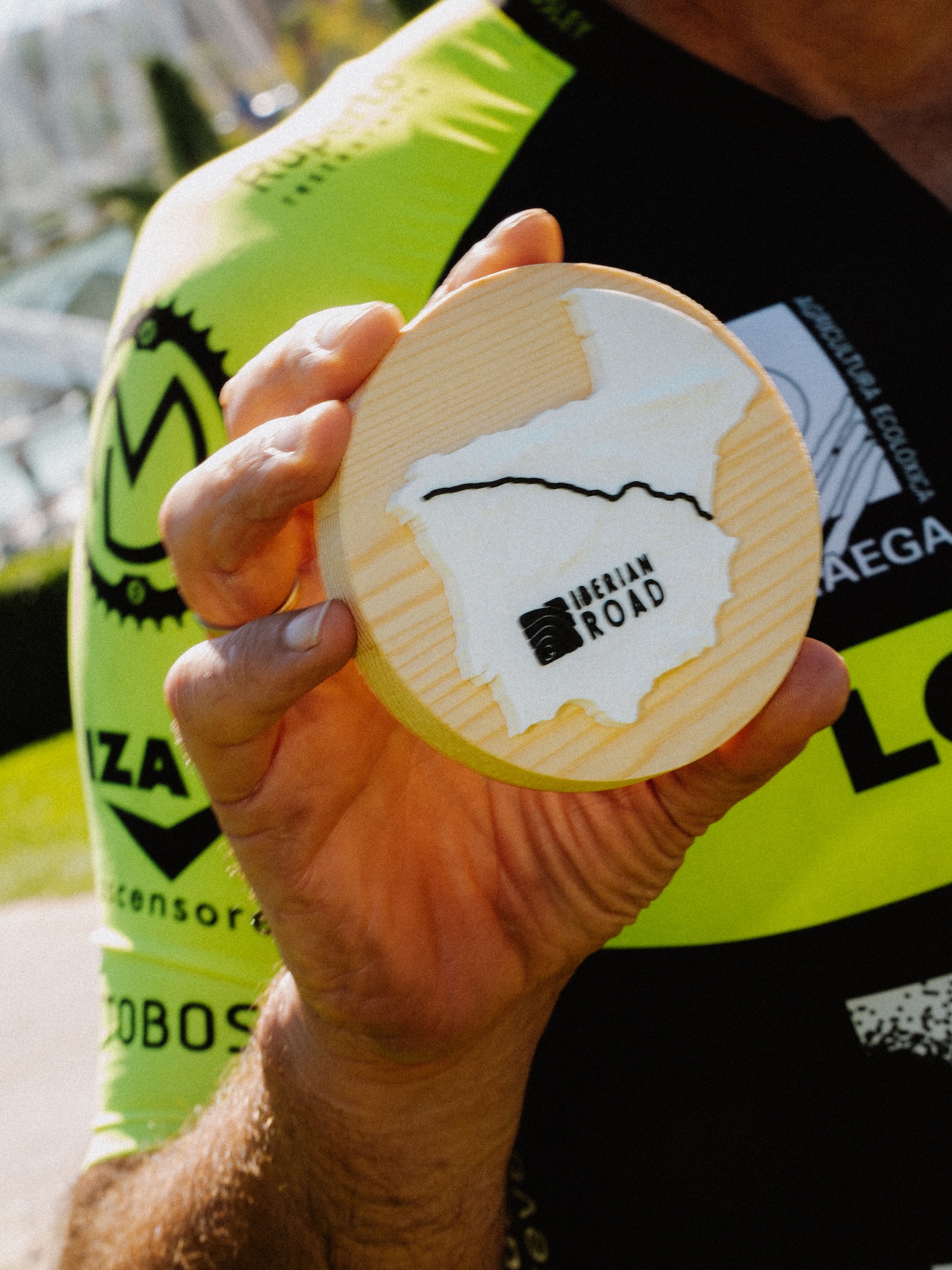
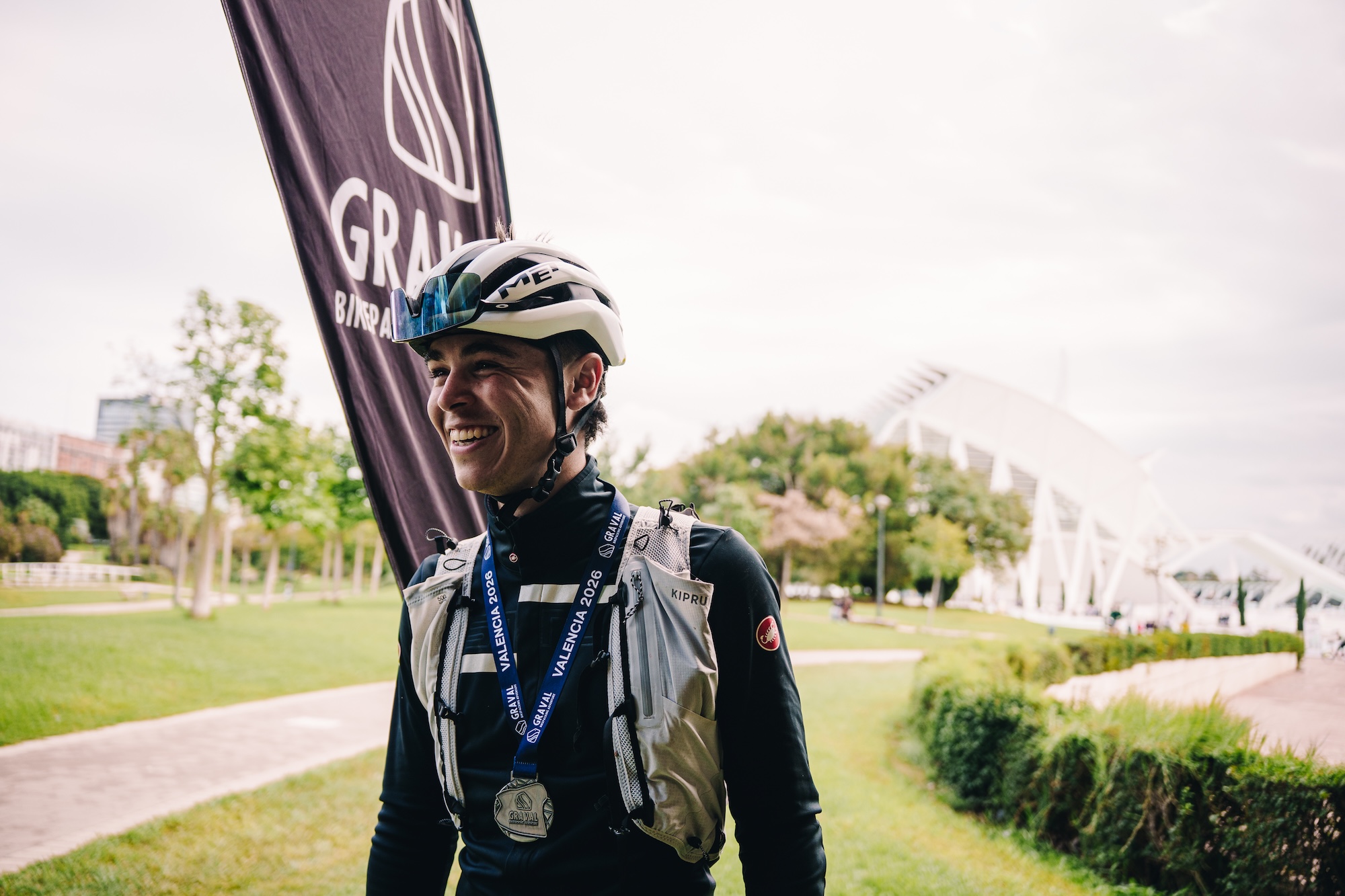
Graval does not publish rankings, and it does not hand out prizes. The organizers state this clearly on their website, and their two October events, which took more than a hundred self-supported riders across Spain, show what that choice means in practice. Nobody won the first Iberian Road from Santiago de Compostela to Valencia, and nobody won the fourth Graval Bikepacking Adventure through the mountains of Valencia, Cuenca and Teruel. Ninety-eight people simply finished them, and that, in Graval’s view of ultracycling, is the whole point.
Both events follow the same rules. Riders carry what they need, ride a GPS track with no signs on the ground, and accept no help from support vehicles, friends or family. They can enter alone or in pairs, and a tracker lets everyone at home, and everyone on the road, see where the others are.
A thousand kilometers of back roads across the peninsula
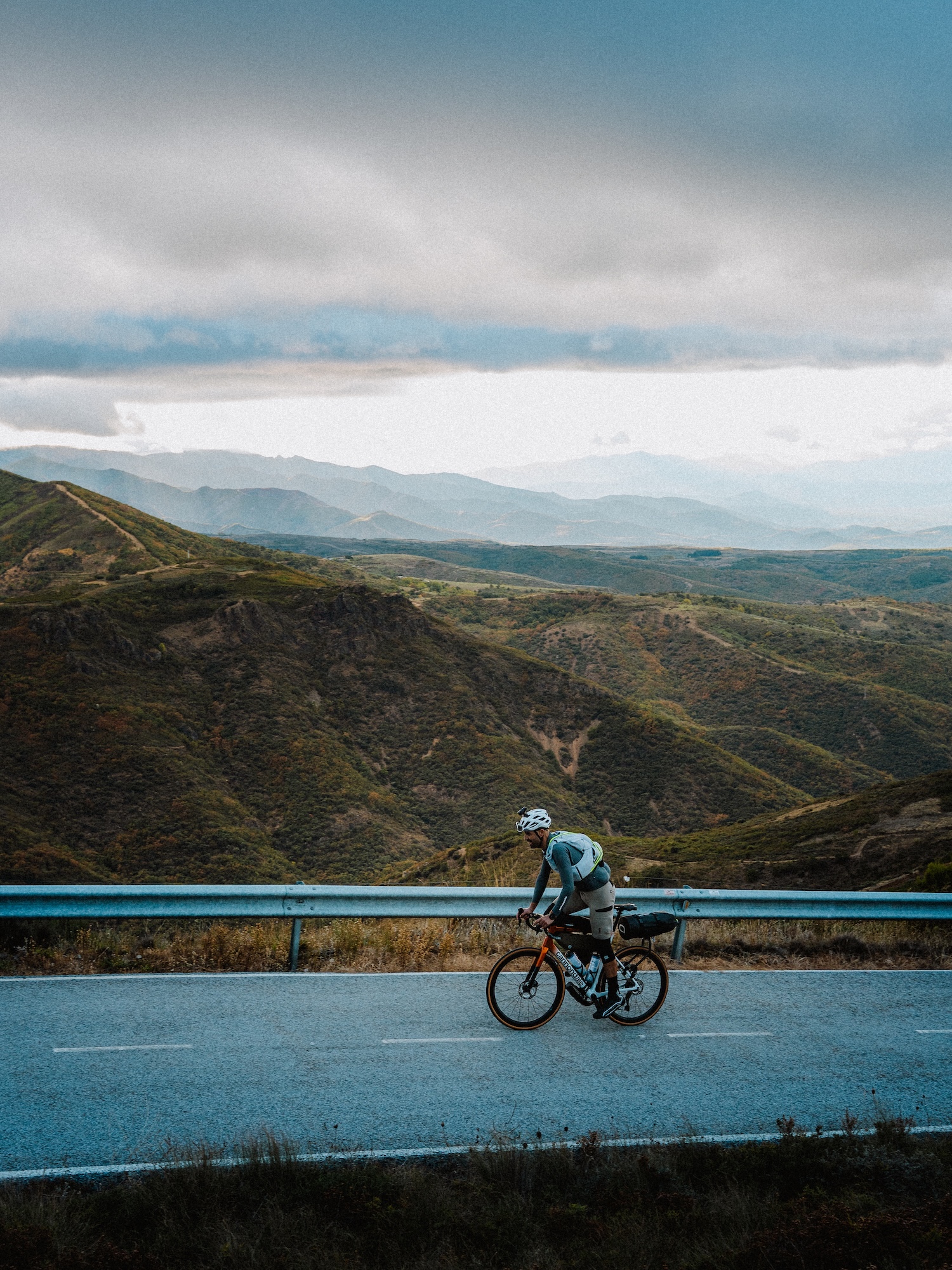
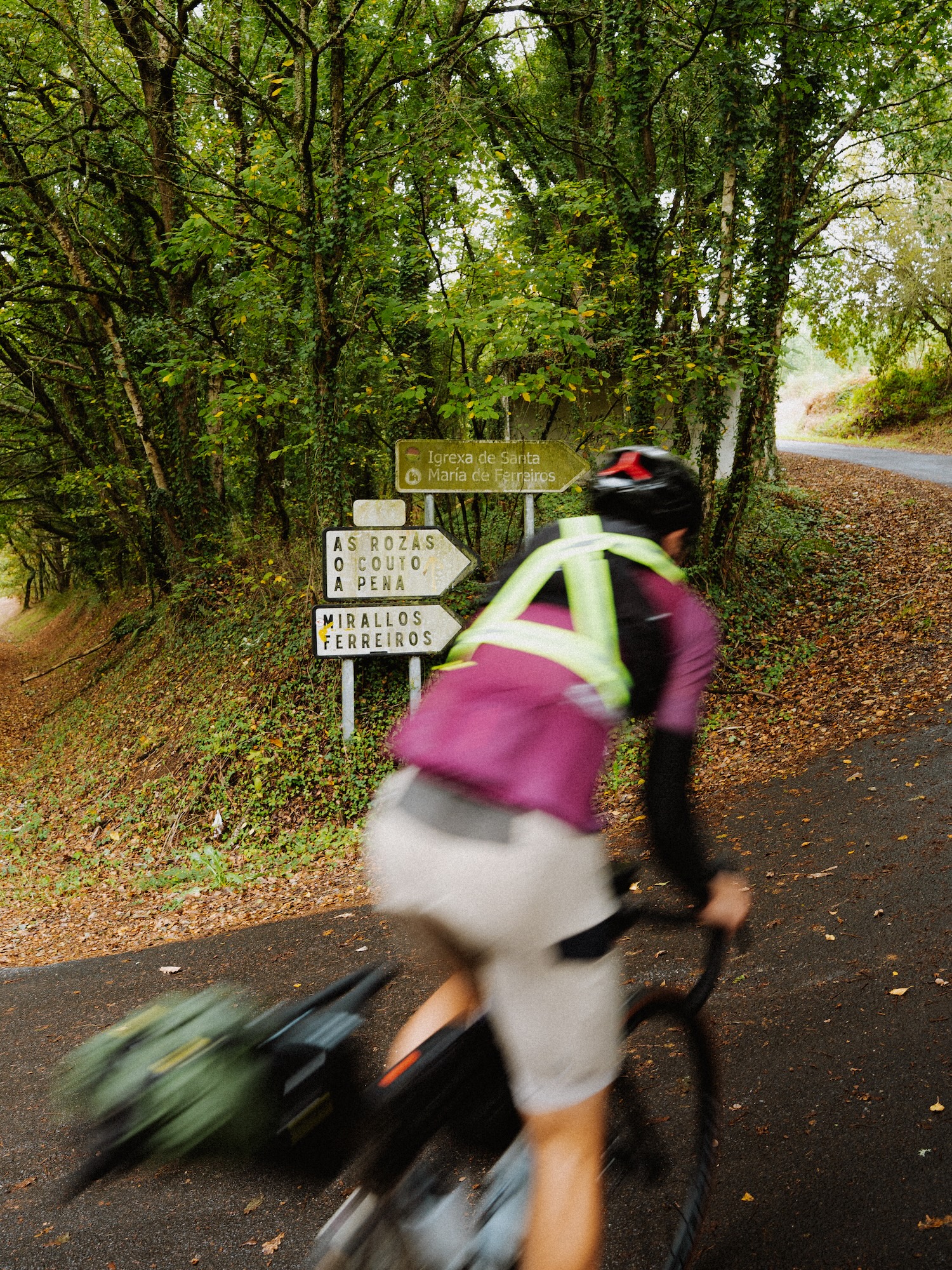
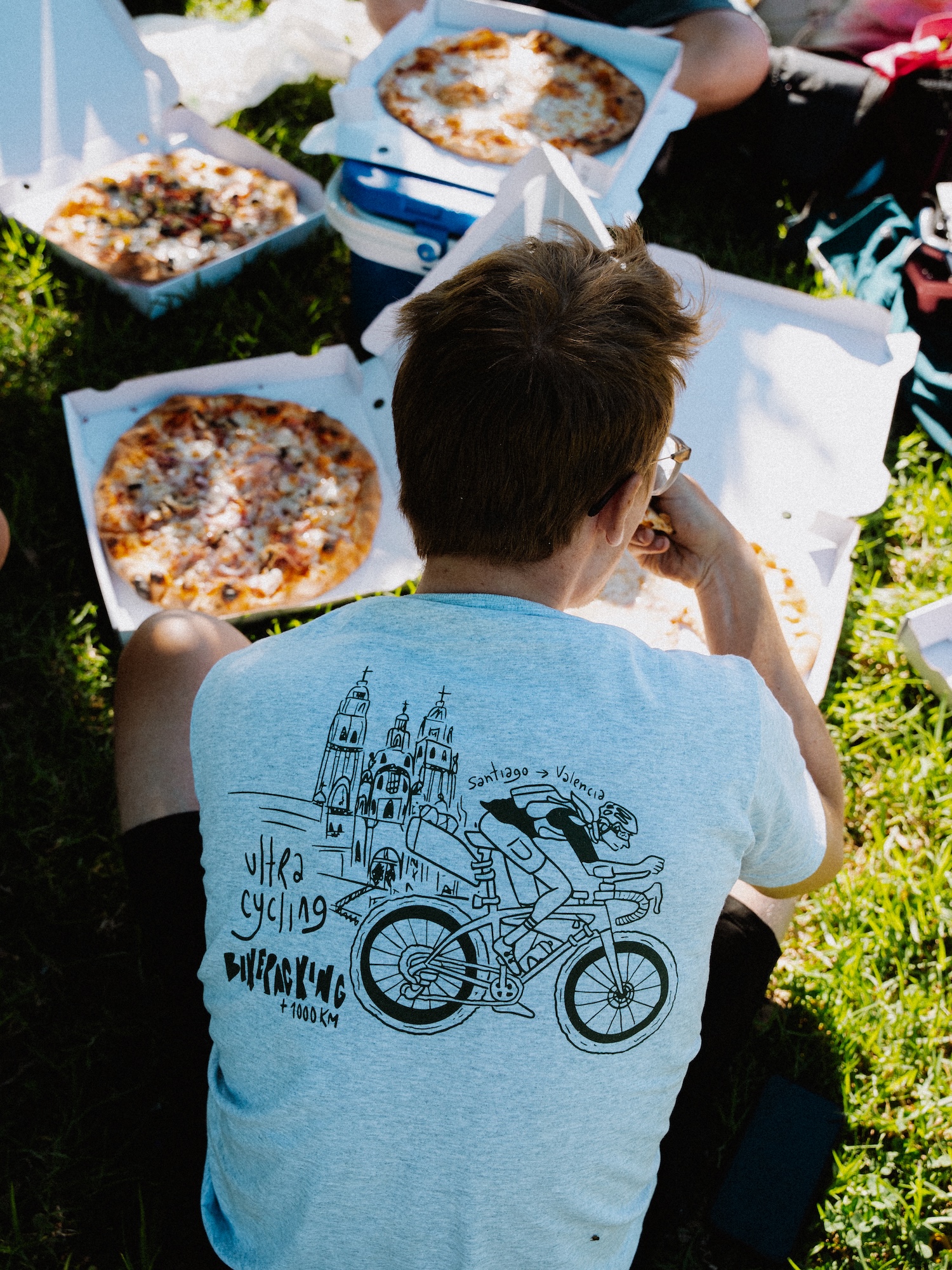
The Iberian Road was new this year, and it was the one event of the autumn on tarmac. That made it easy to underestimate. The organizers drew a line of 1,066 kilometers and 13,930 meters of elevation gain from the cathedral city of Santiago to the Mediterranean, and almost none of it was on main roads. Instead the route took the secondary roads, and with them the slow, quiet version of Spain that most people only see through a car window, if at all.
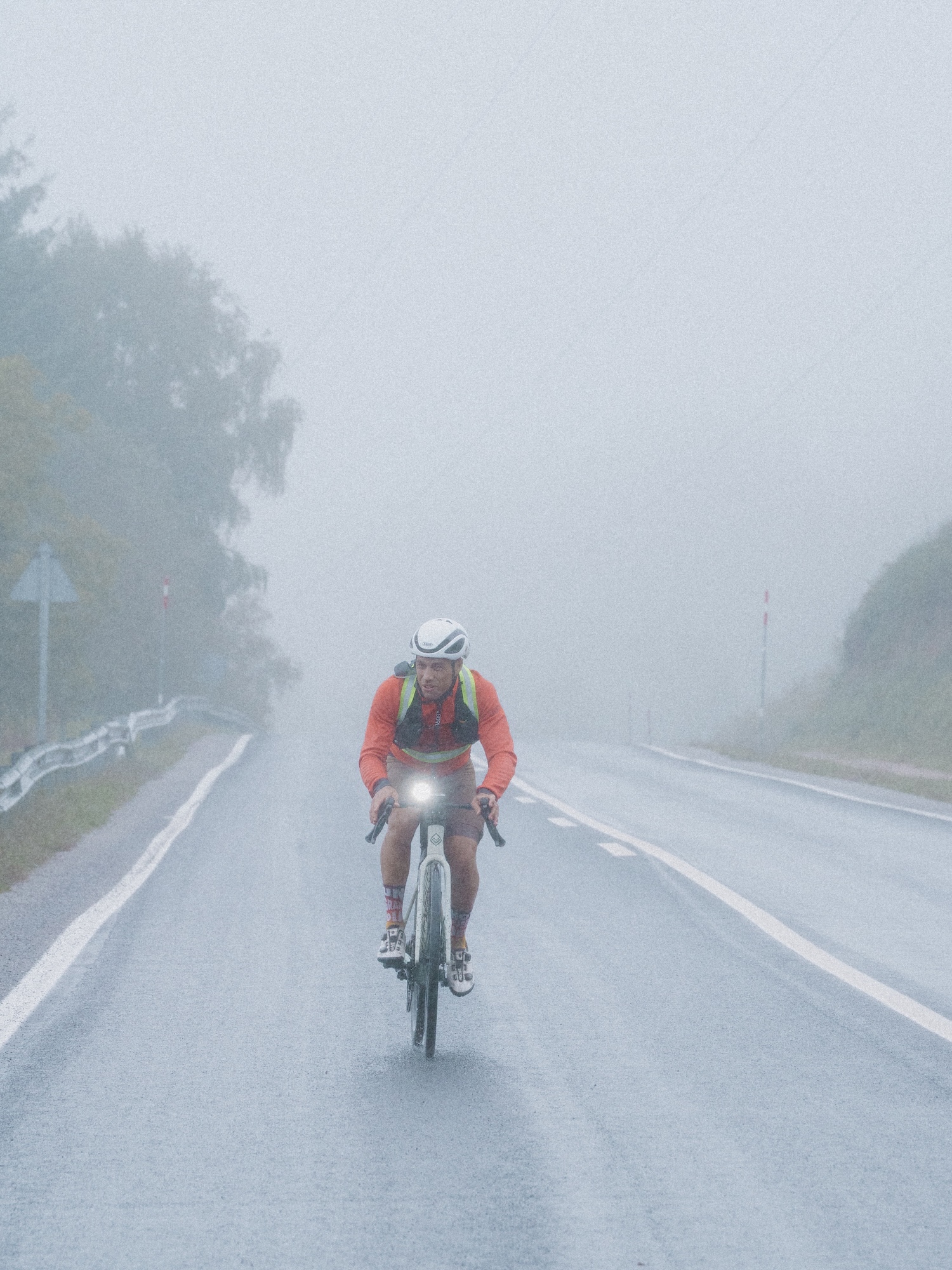
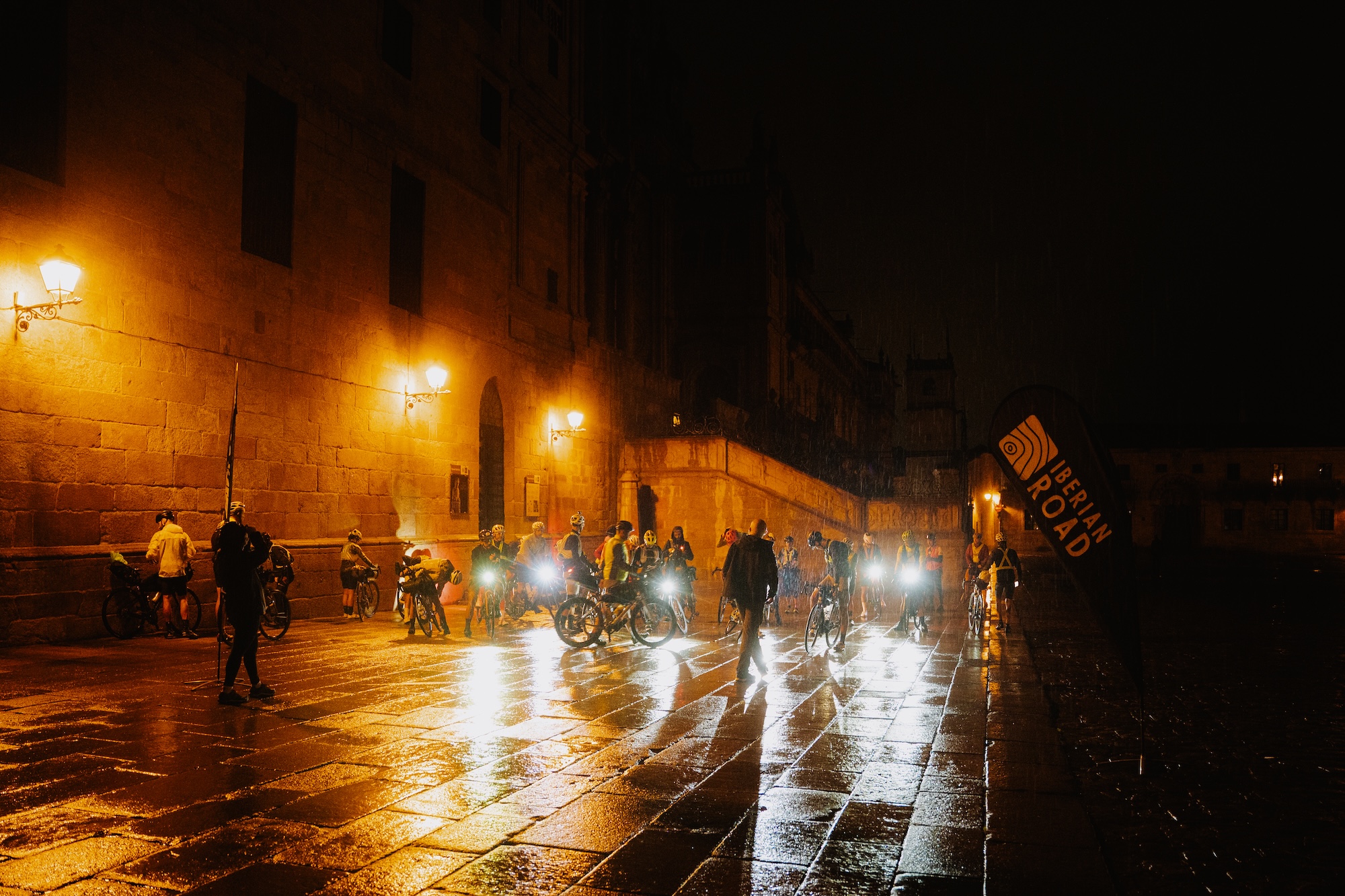
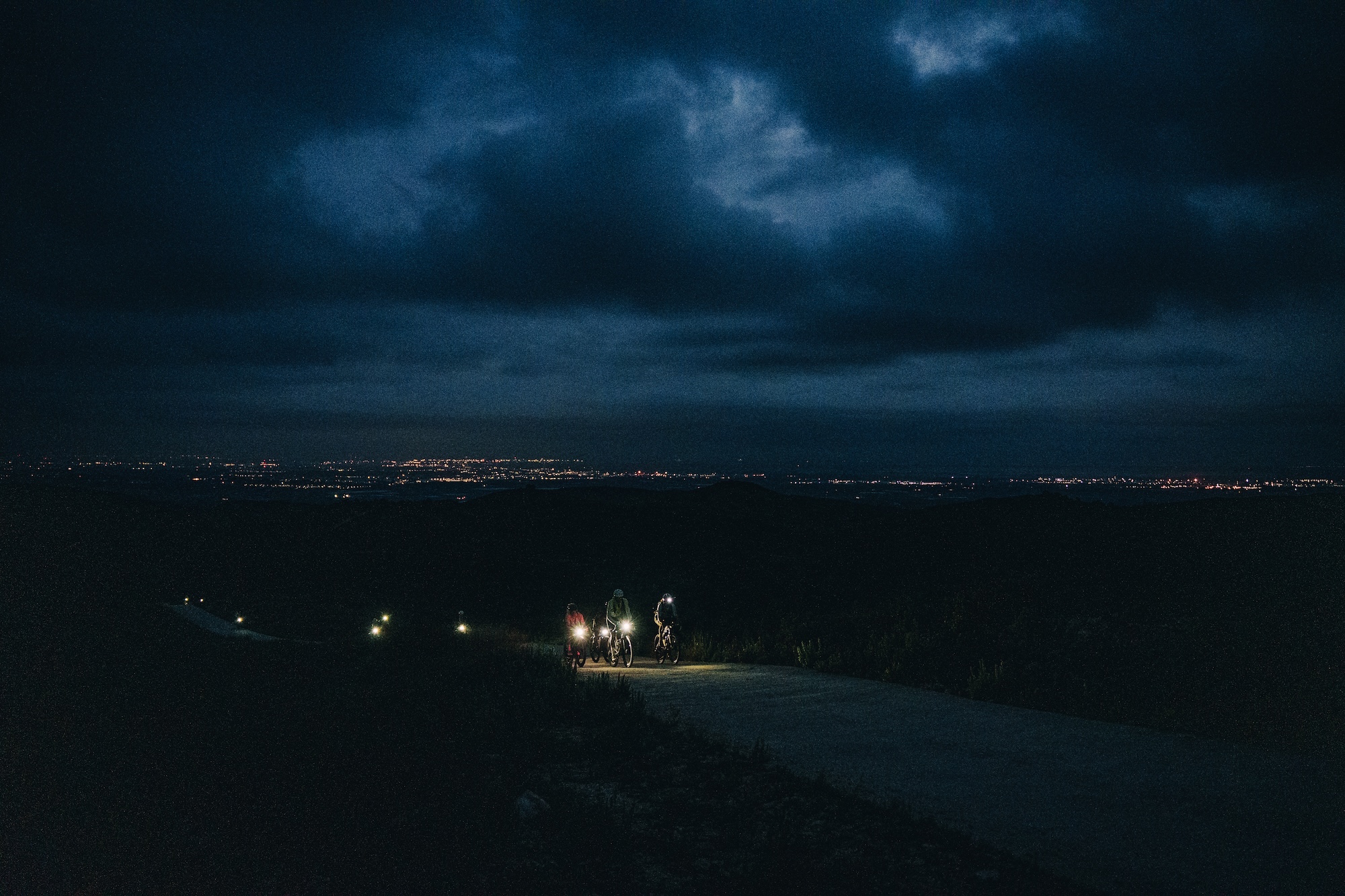
The finishing limit was 110 hours, so a little over four and a half days. The 32 starters, who came from eight countries, left Santiago on 7 October at seven in the morning, and the last of them had until the evening of the 11th to reach Valencia. Twenty-six made it. The organizer’s summary of those five days is short: “There was cold, heat, rain and nights full of stars.”
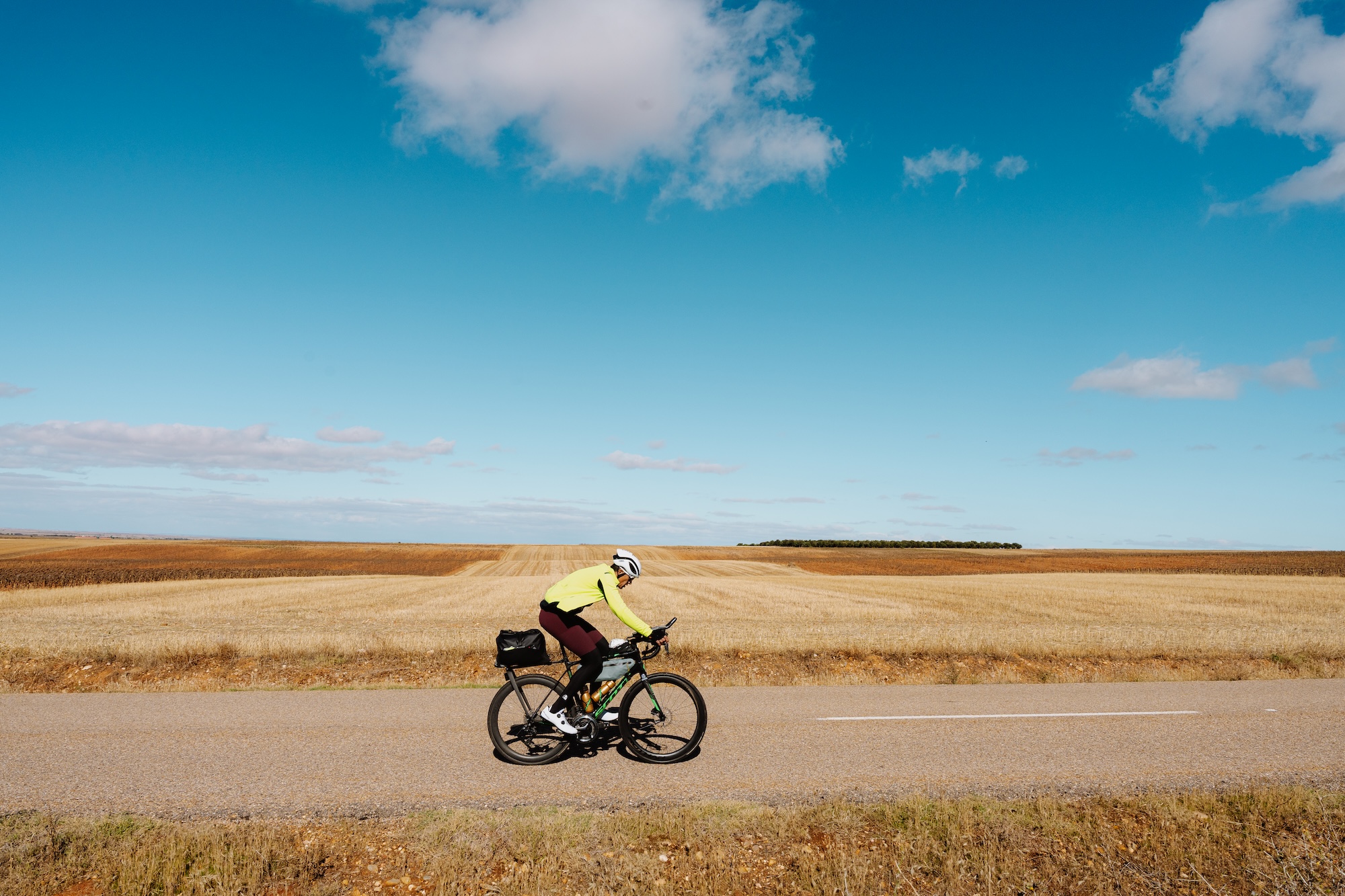
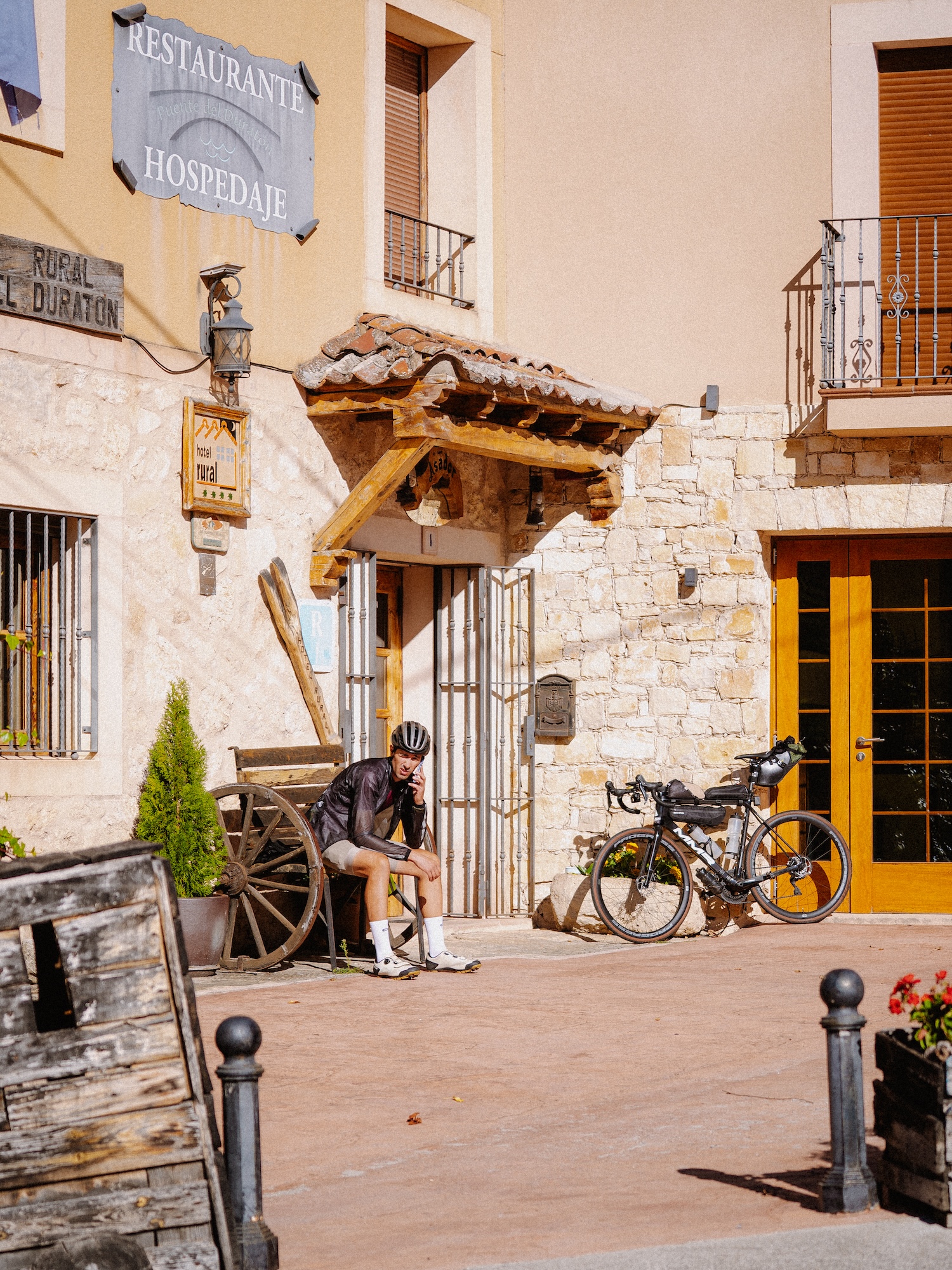
The route read like a cross-section of the peninsula. It crossed the Miño and the green hills and forests of Galicia, then left the region over O Cebreiro, the pass that pilgrims on the Camino Francés know well, before dropping into El Bierzo and the first checkpoint at Ponferrada. From there it climbed through the León mountains and then flattened out entirely across Tierra de Campos, the wide cereal plain of Castile, to the second checkpoint under the castle of Valencia de Don Juan. The third, at Riaza, sat at the foot of the Sistema Central, where the route passed the beech forest of the Hayedo de la Pedrosa and the Sierra de Ayllón. Sigüenza, with its medieval quarter and cathedral, was the fourth checkpoint, and from there the riders entered the Sistema Ibérico, the gorges of the Alto Tajo and the Sierra de Albarracín, where the last checkpoint waited in the pink-walled town of Albarracín. After that the road finally turned downhill towards the sea.
The format was also gentler than the distance suggests. Drafting was allowed, which made riding in company a legitimate choice rather than a breach of the rules. The organizers carried a five-kilogram bag for each rider from Santiago to Valencia and arranged transport for bikes and bike boxes, so that people coming from abroad did not have to solve the logistics of a point-to-point ride on their own.
The Bikepacking Adventure goes up Javalambre
Three weeks later, Graval was back on gravel and back at home. The fourth Graval Bikepacking Adventure started at five in the morning on 30 October from the City of Arts and Sciences in Valencia, with 90 riders, solo and in pairs, and a 60-hour limit to cover more than 400 kilometers and 7,000 meters of elevation gain on paths, secondary roads and remote country in the provinces of Valencia, Cuenca and Teruel.
Last year’s edition had to be cut short, and this year’s route was very different from it. It left the city by way of the Albufera Natural Park, the lagoon and rice fields just south of Valencia, then headed inland past the Forata reservoir to the first checkpoint at Yátova. The Sierra Martés climb came next, and then the vineyards of Utiel-Requena and the second checkpoint at Requena. From there the route ran north to Ademuz, the Valencian enclave squeezed between Cuenca and Teruel, and then up to the event’s high point.
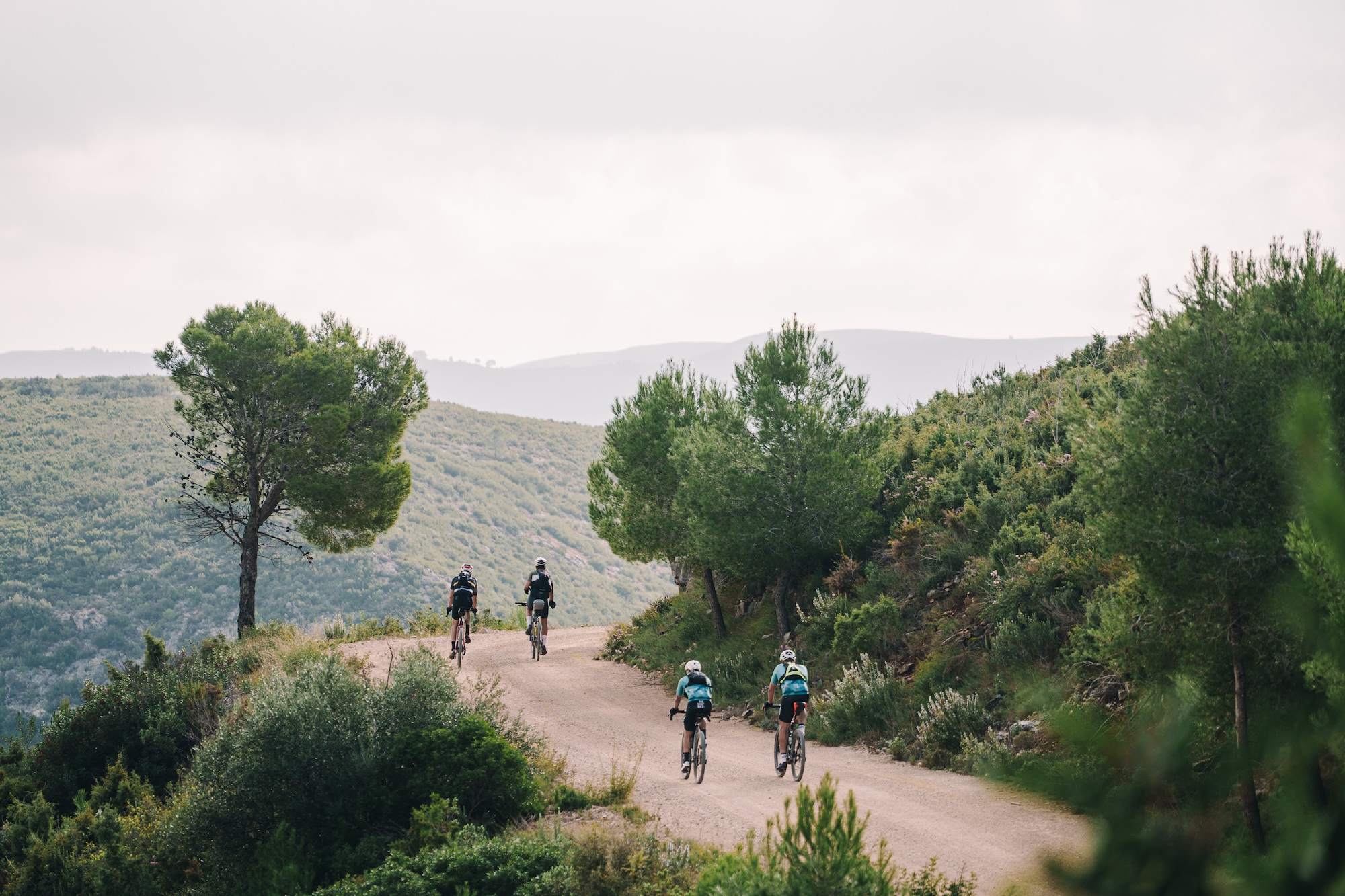
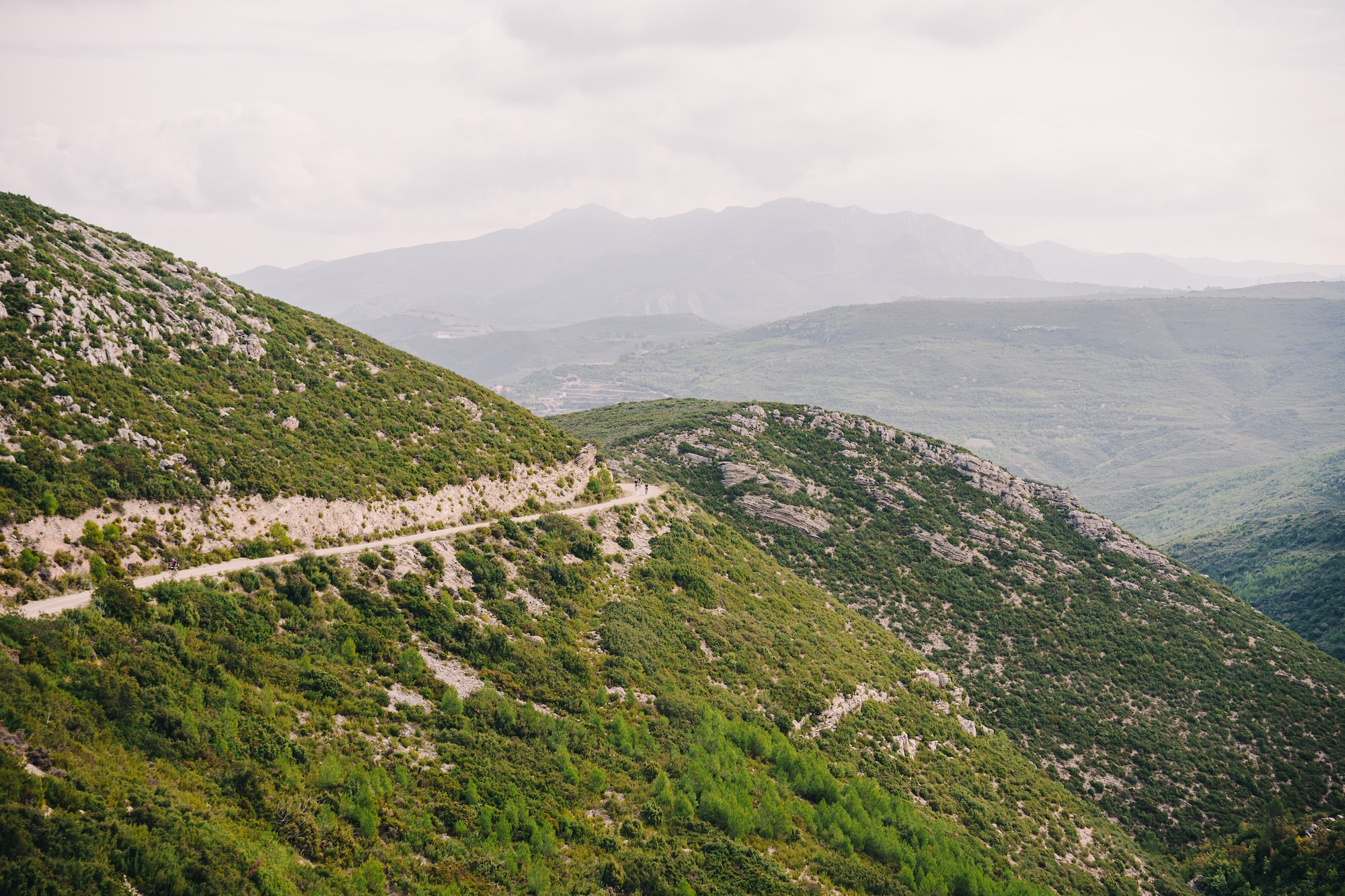
For the first time in the event’s history, the route climbed to the Sierra de Javalambre, close to 2,000 meters above sea level. It is a huge change in scale for a ride that starts at sea level. After the descent and the fourth checkpoint at Higueruelas, the last part of the route crossed Los Serranos on the way back to the coast. In between there was everything an off-road route in this part of Spain offers: gravel, forest paths, steep dirt climbs, rocky descents and a short hike-a-bike. The route allowed riders to do it in one single push or to split it over two days with a night out somewhere in the hills.
The weather, according to the organizers, held: pleasant temperatures for most of the weekend, and cold on Javalambre. Of the 90 starters, 72 finished. Graval says the 18 who stopped did so mostly because of physical or mechanical problems, which is what an honest 400-kilometer ride with 7,000 meters of climbing does to people and bikes.
Why finishing is enough
Neither event published a winner, and that is unusual in a sport that often measures itself in hours and minutes. Graval’s rules for the Iberian Road say outright that there is no official classification. The tracker exists so that riders and the people following them can see where everyone is, not to crown anyone.
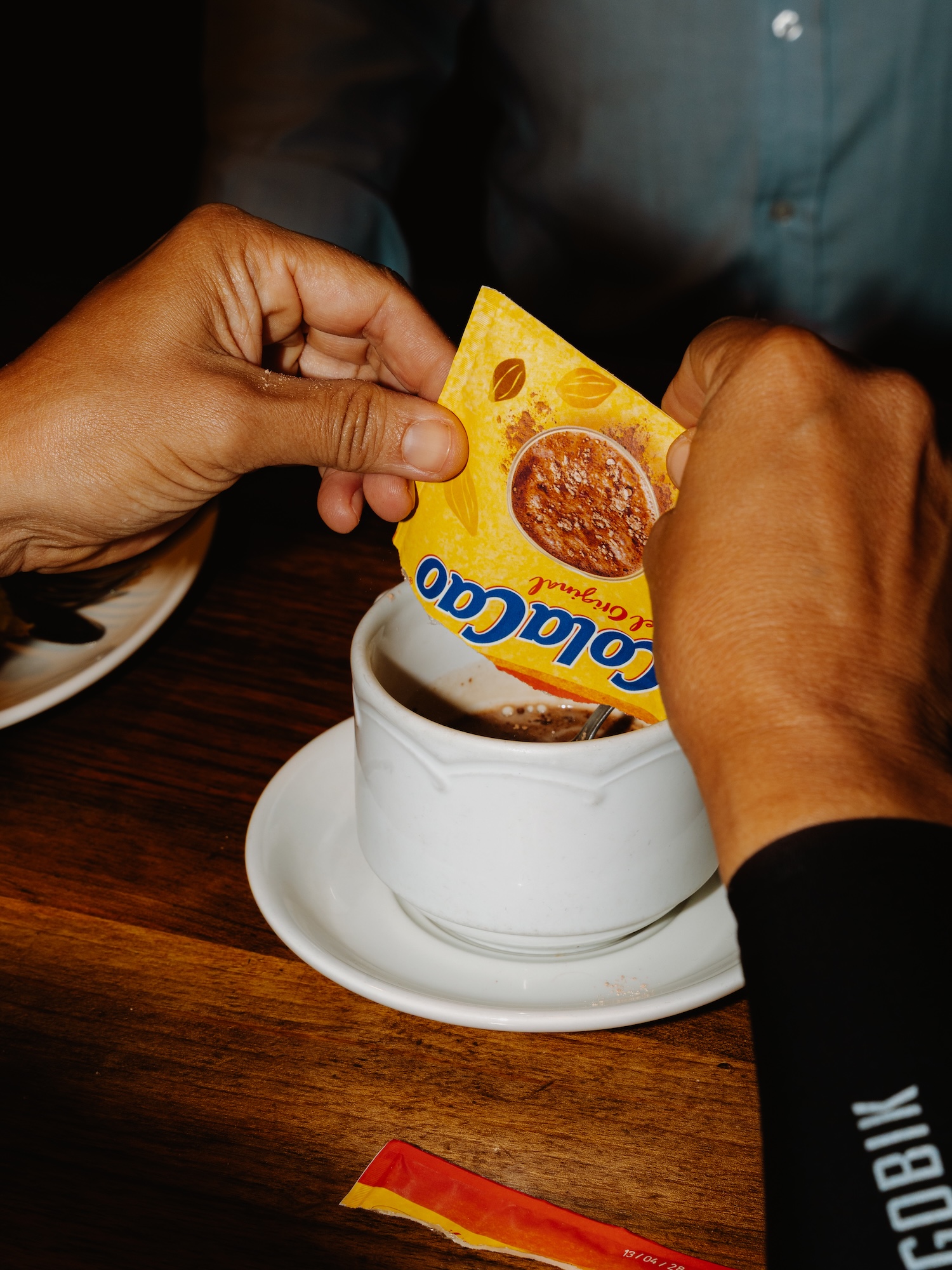
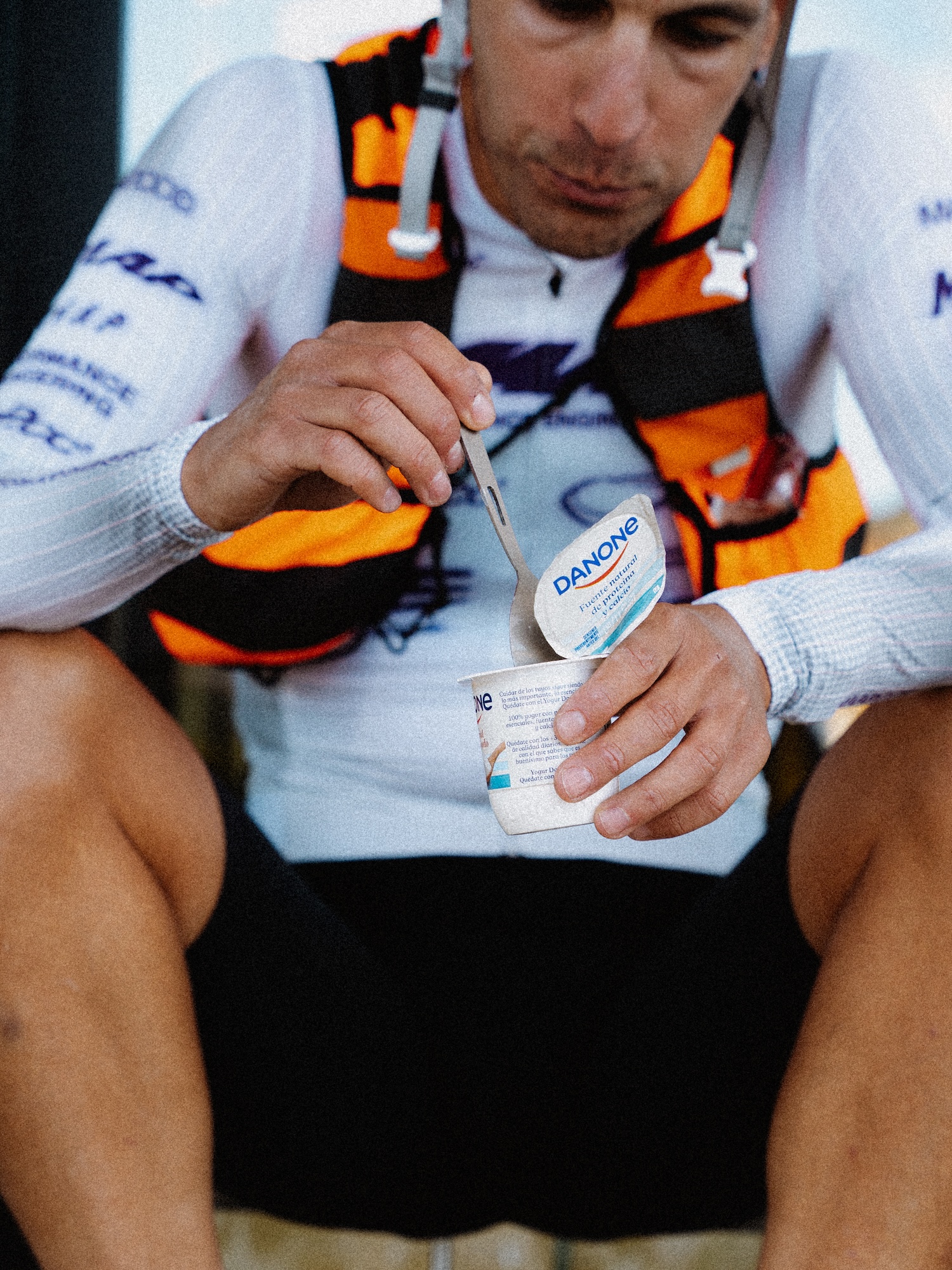
That makes these events a good first step into ultracycling, and the riders’ own words point the same way. The finishing rates, 26 of 32 on the Iberian Road and 72 of 90 at the Bikepacking Adventure, show that with time limits this generous, a well-prepared rider can expect to finish. Mandatory kit is kept to the basics, a thermal blanket or bivvy, a helmet, lights front and rear and a reflective vest. Fields stay small, with the Iberian Road capped at 49 places. The organizers handle the parts of a point-to-point ride that put people off, from bag transport to the hotel and briefing in Santiago the night before the start. And Miquel Artés Hernández, another Iberian Road rider, offered a piece of advice that sums up the spirit: “eat a tortilla before you reach for a gel.”
The routes are the other half of the appeal. Graval does not send people from one city to another by the shortest path. It sends them over places most riders would never think to put on the same map. Both events will return in October 2027, with the start city of the next Iberian Road still to be announced, and the Graval Road is back on 30 April 2027. Riders who want to see a less famous Spain at their own pace now have three dates to choose from.