When Giro disrupted the time trial scene with the Aerohead II, it reset expectations around what modern aero equipment could look like. With the new Eclipse Pro, the brand set itself the challenge of translating that momentum into a road helmet that is not only fast in the wind tunnel but genuinely usable across cycling disciplines and purposes.
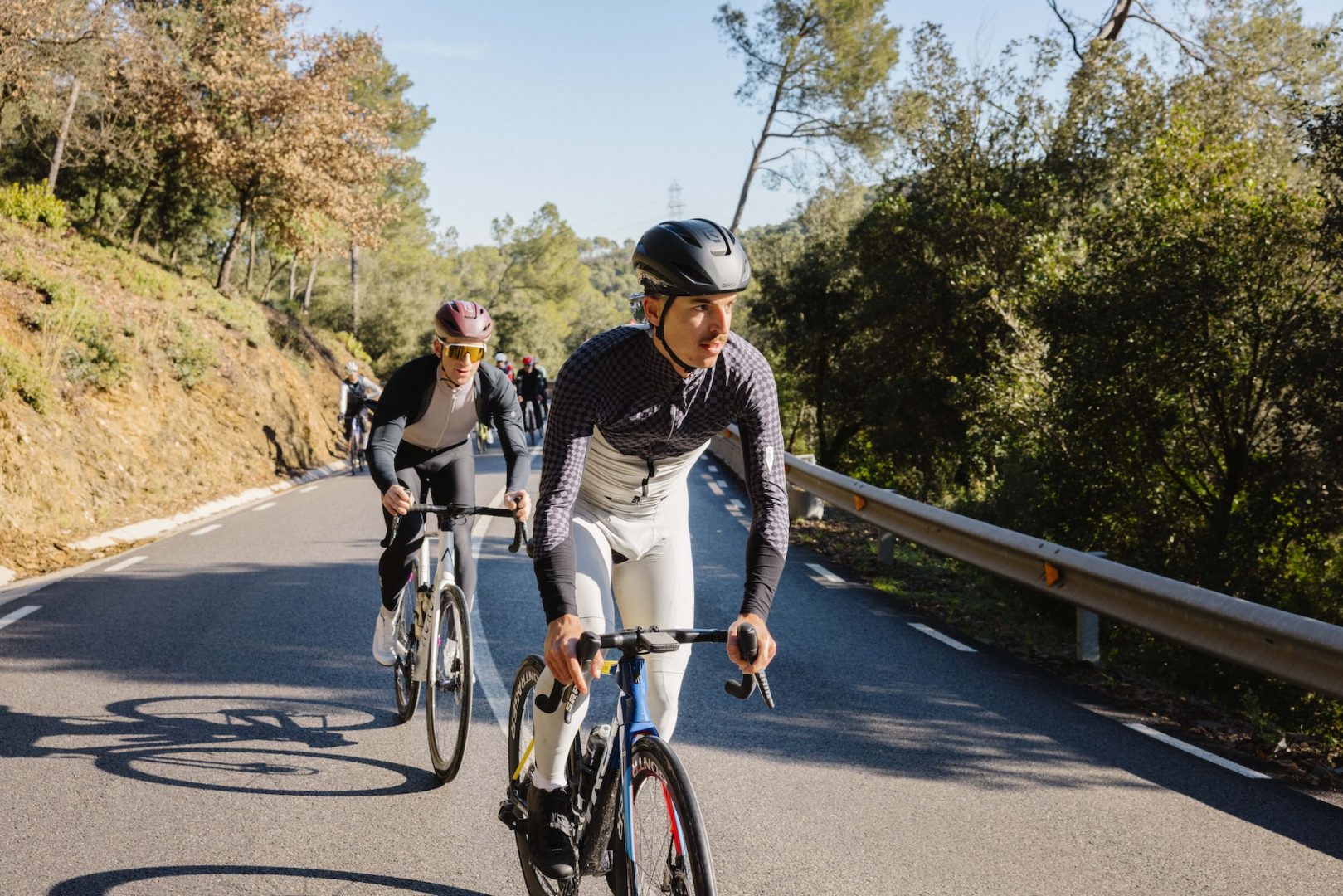
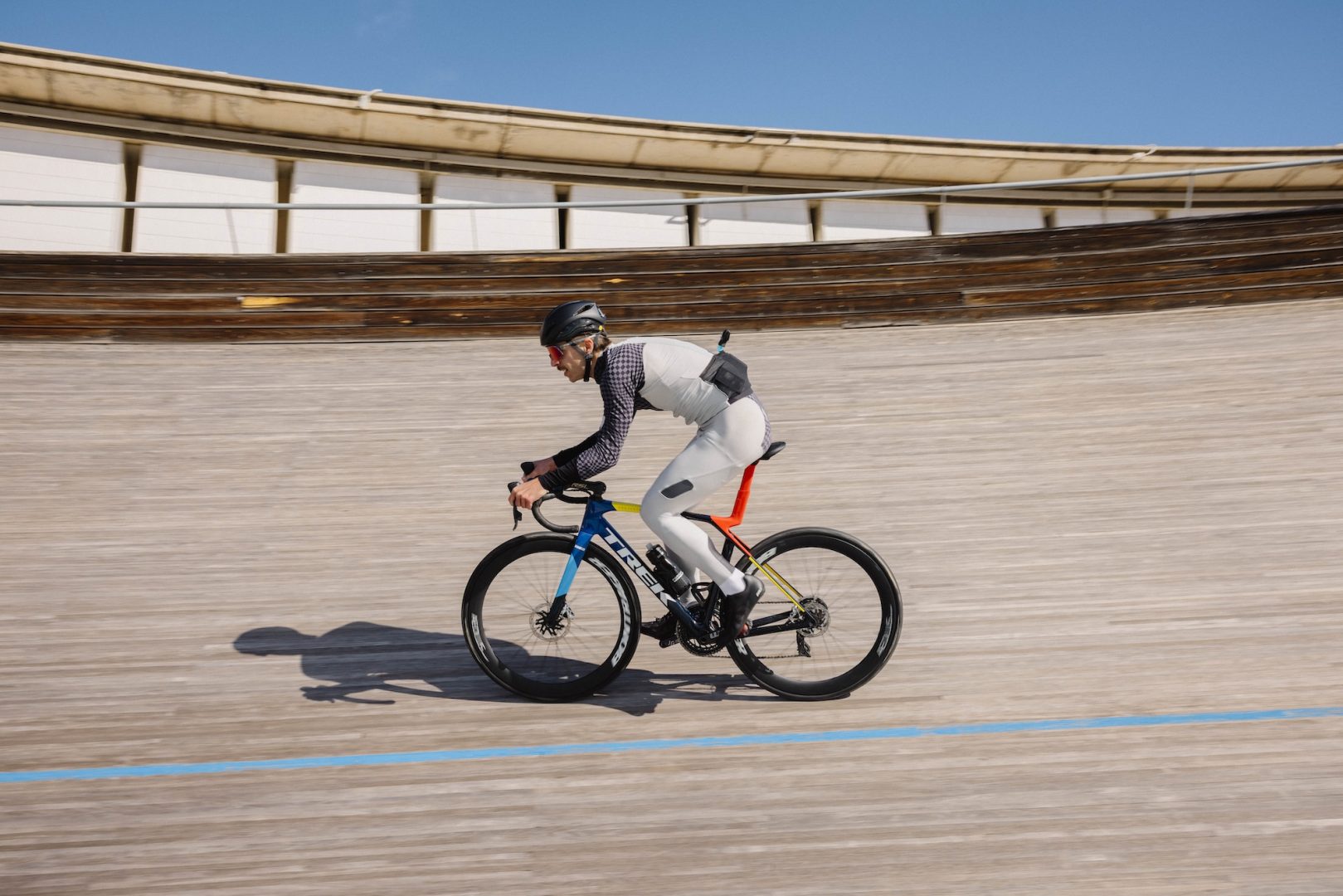
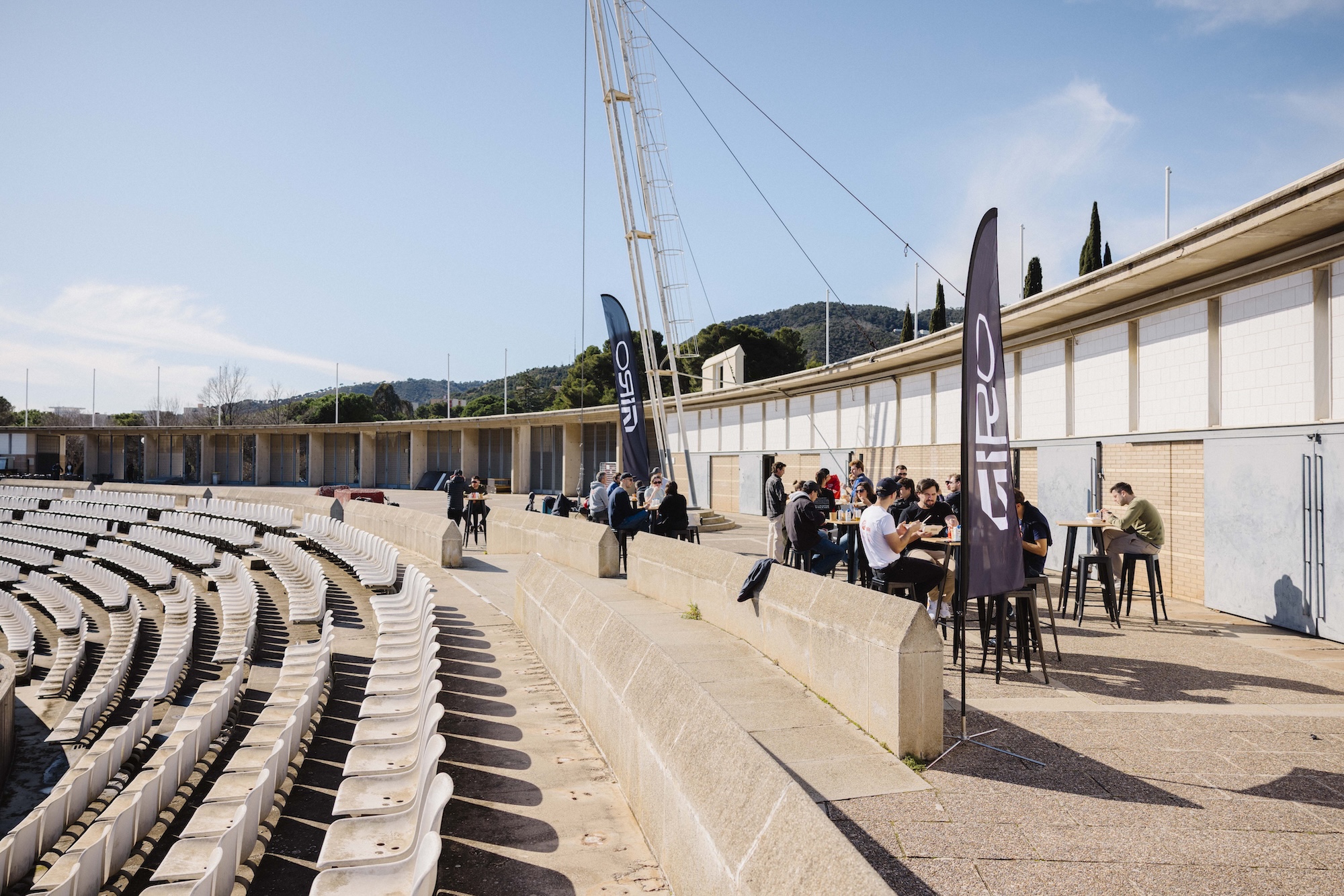
After two weeks of riding with the Eclipse Pro, including a press camp in Barcelona that finished with laps under a bright Catalan sun at the olympic velodrome, it became clear. This launch is more than a marginal update; it is a deliberate rethinking of what an aero road helmet should be.
“17% faster” is only part of the story
On paper, the headline figure is bold: 17% drag reduction versus the previous Eclipse. In size M, the helmet weighs a competitive 280 grams, placing it firmly in the performance all-rounder category rather than the “sacrifice everything for aero gains” niche.
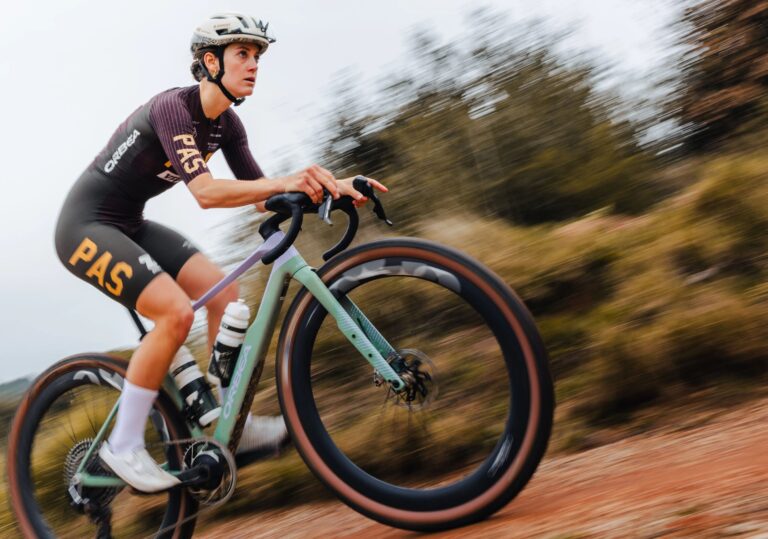
The Eclipse Pro made its competitive debut at the 2025 Tour de France, and since then, there have been over 20 pro wins in which the rider was wearing Giro’s latest launch. With Team Visma | Lease a Bike and CANYON//SRAM zondacrypto on the road, and riders like Rosa Klöser and Kate Courtney on rougher terrain, the helmet has already been put to the test and passed with flying colours.
It was backed by development insights, rider feedback, and 3D scan data from the men’s team they sponsor. That collaboration shaped one of the core design philosophies: real riders don’t hold one static position. Riders spend significant time both head-down in full gas efforts and head-up in technical or tactical situations.
The brand estimates that riders are head-down roughly half the time. The Eclipse Pro’s silhouette was refined specifically to maintain efficiency across these shifting angles. “Form follows function” was one of the slogans of this project.
Ten months, two shapes
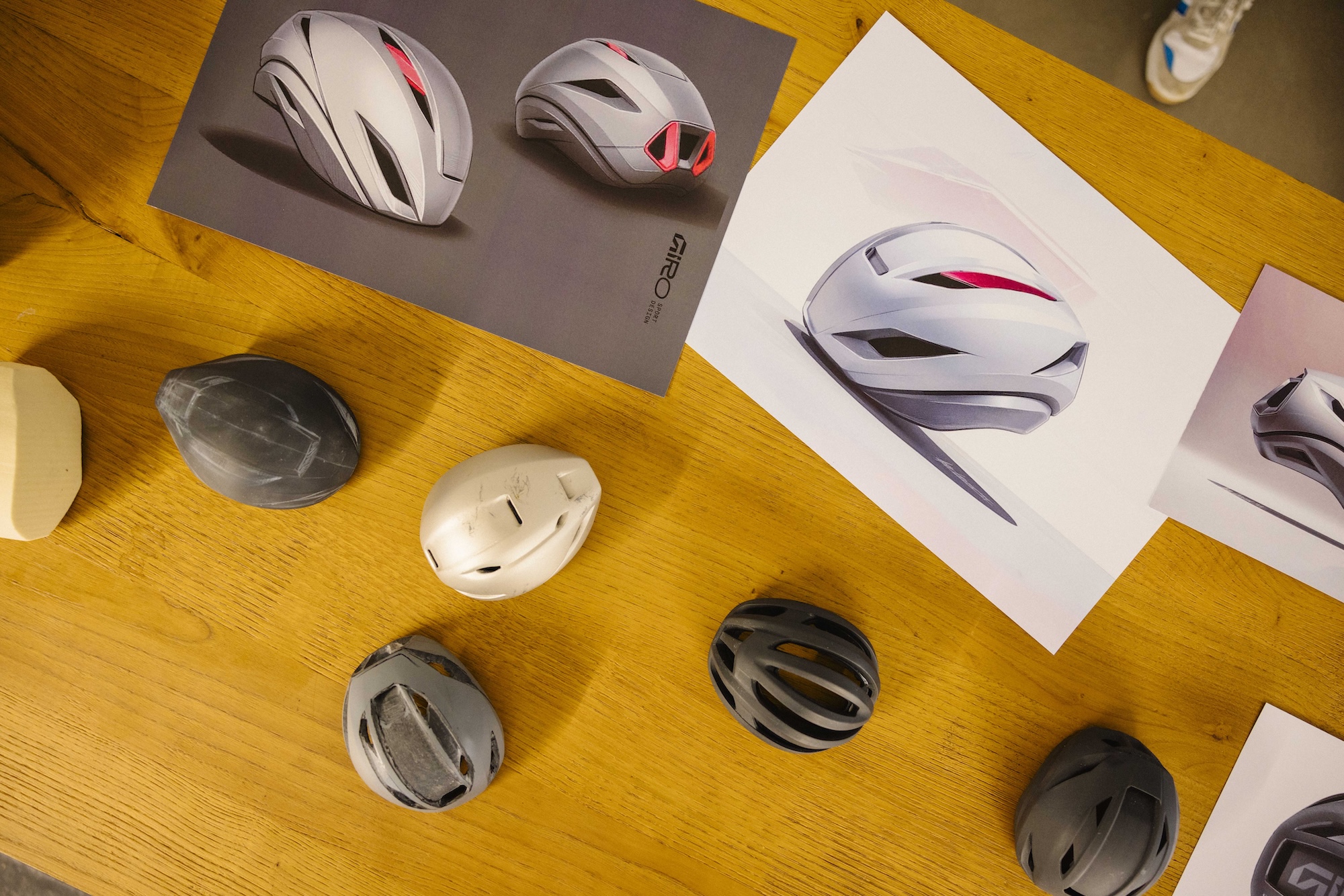
Unlike the Aerohead II, which went through 12 iterations largely developed in the wind tunnel, the Eclipse Pro had a compressed timeline: less than 10 months from concept to final product. That meant only two fully developed shapes could be properly tested; the alternative was a helmet with a longer tail.
As a result, Giro leaned heavily on CFD (computational fluid dynamics) modeling to drive the design, using the wind tunnel primarily as validation rather than exploration. The process began with traditional 2D sketch concepts to define direction before moving into 3D modeling and thousands of CFD simulations to refine airflow behavior across boundary layers.
The eternal compromise
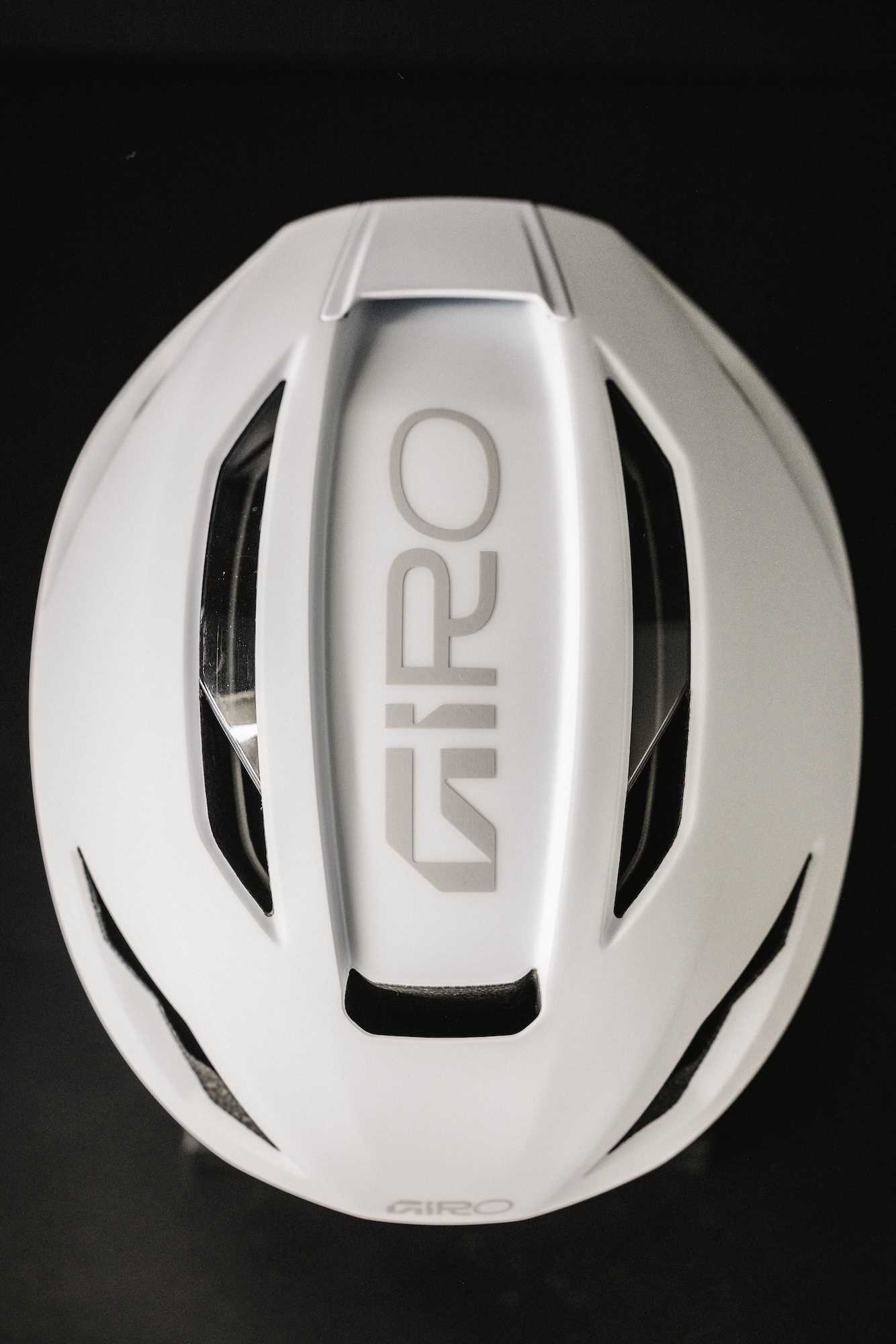
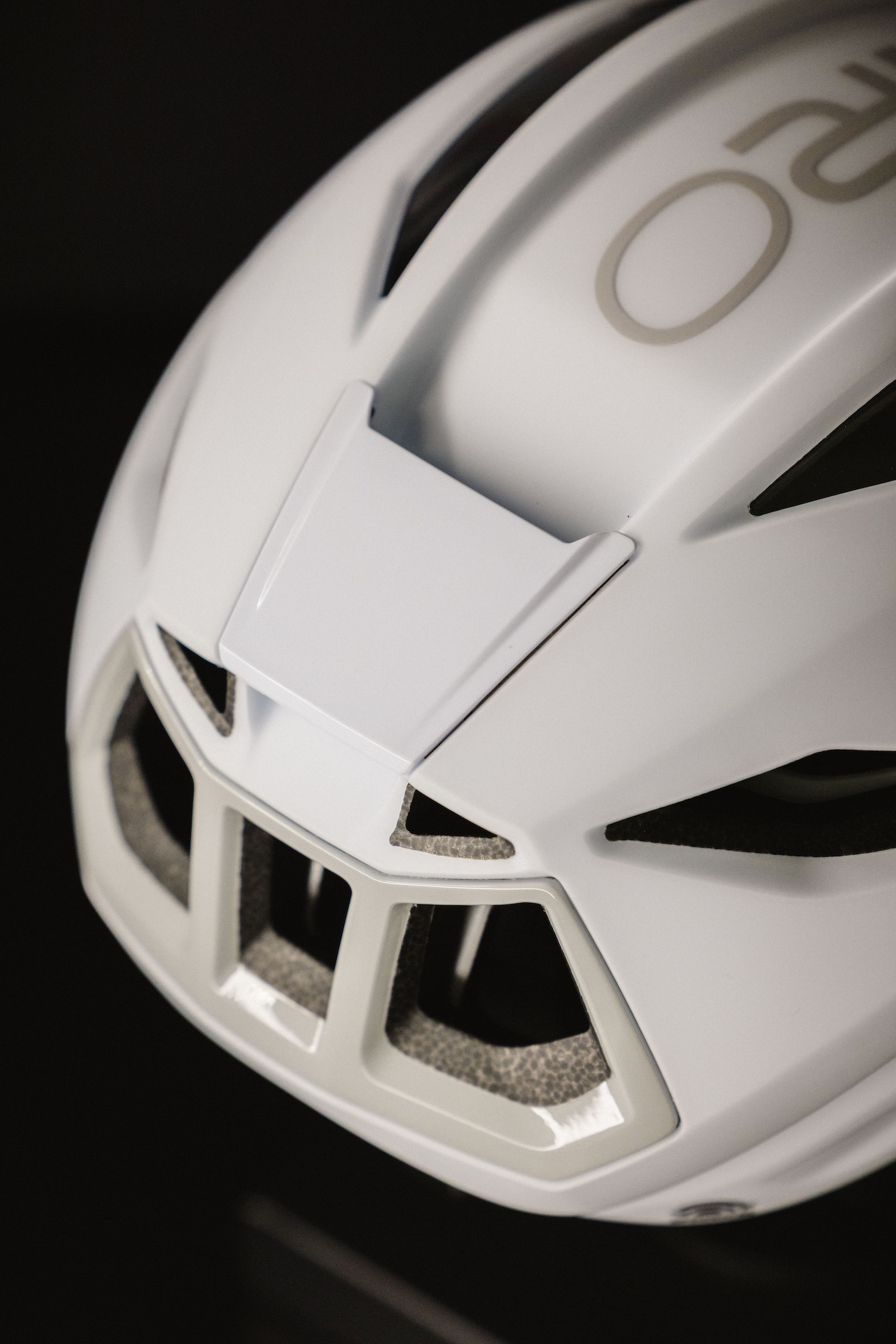
Every aero helmet is a balancing act of aero versus ventilation. Cleaner airflow over the helmet often conflicts with the need to push cooling air through it. The Eclipse Pro features 15 vents and a newly engineered internal channeling architecture. Giro’s objective was clear: clean air over, cool air through.
In practice, the most noticeable detail is the lower frontal vent just above the forehead. During our testing, it seemed to “spit out” air more efficiently than many competing helmets, especially during hard efforts. Instead of the typical trapped heat sensation common in aero lids, airflow felt active and directional. However, we still need to test the Eclipse Pro in proper warm conditions.
We were shown comparative airflow slides between the previous Eclipse and the Pro version. The visual difference was evident: quicker, cleaner air transition zones and more structured channeling through the helmet. It doesn’t feel like a sealed aero shell, but rather a fast road helmet that happens to be very aero.
Spherical by Mips®
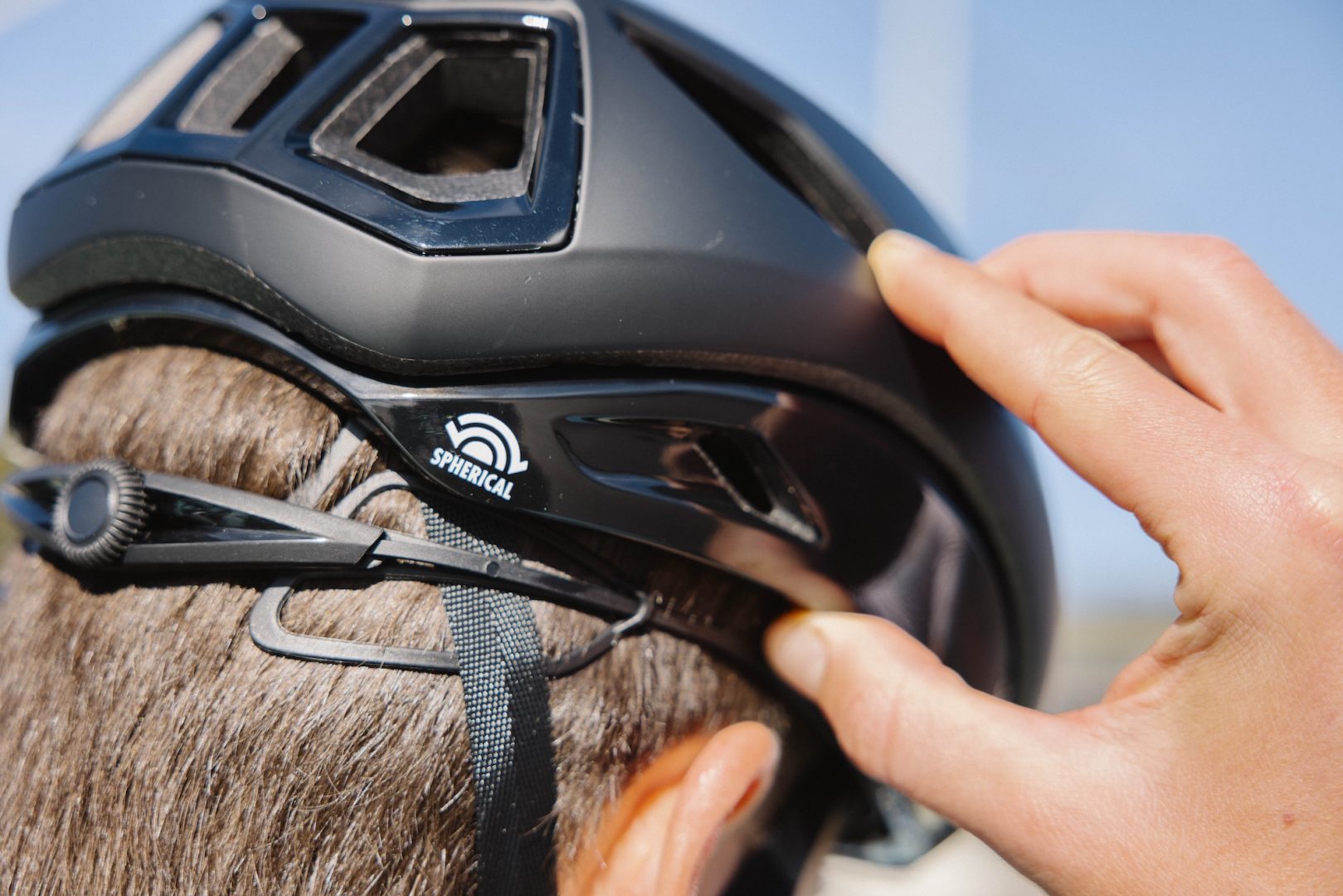
The Eclipse Pro integrates, same as its predecessor, Giro’s Spherical Technology powered by Mips®, a ball-and-socket construction that allows the outer liner to rotate around the inner liner during angled impacts. Unlike traditional slip-plane systems, this design eliminates hard plastic layers against the rider’s head.
The translucent, shatter-resistant Aura II Reinforcing Arch runs through the helmet’s structure, increasing integrity while enabling those large ventilation ports. Structurally, it’s a clever way to maintain stiffness without closing off airflow, but keeping it close to the helmet.
Fit is handled by Giro’s Roc Loc® 5.5 Air retention system, offering micro-adjustability and a stable, race-ready hold without pressure points during long rides.
Additional usage details
We tested sunglasses compatibility with mixed results. 100% Speedcraft glasses integrated cleanly into the frontal vents, while some Julbo models didn’t sit as securely. Not a deal-breaker, but worth noting for riders who frequently stash glasses mid-climb.
Also worth mentioning is that, unlike with other helmets, we had to untighten this retention system when putting the helmet on, tighten it for the best fit, and remove the retention system at the end of the ride.
The helmet’s predominantly matte finish gives it a refined aesthetic. The Giro logo, which is more visible in white than in the black unit we were using, is perfectly placed on top of the helmet. Overall, it looks fast without screaming “aero experiment.”
The base of Giro in Barcelona
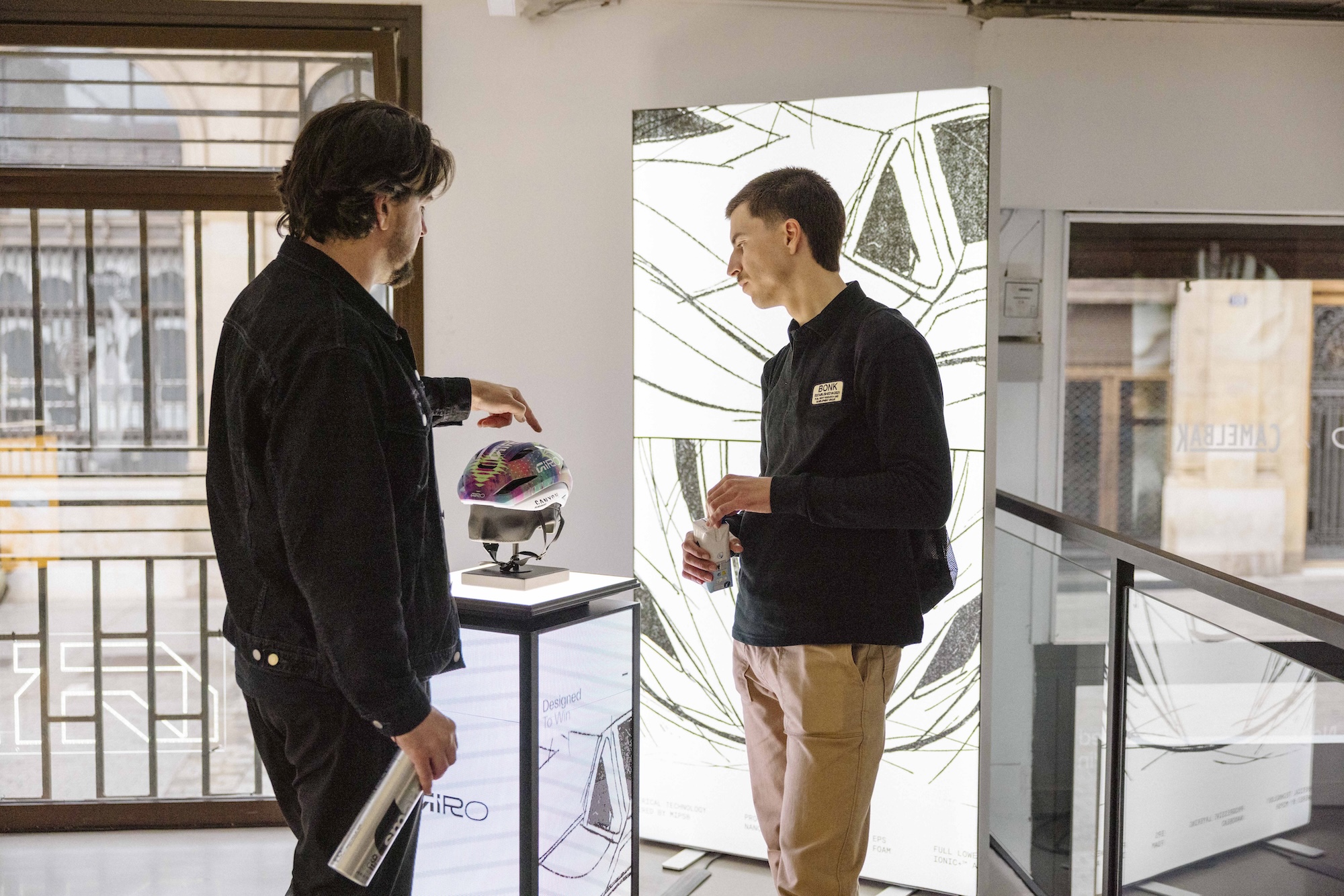
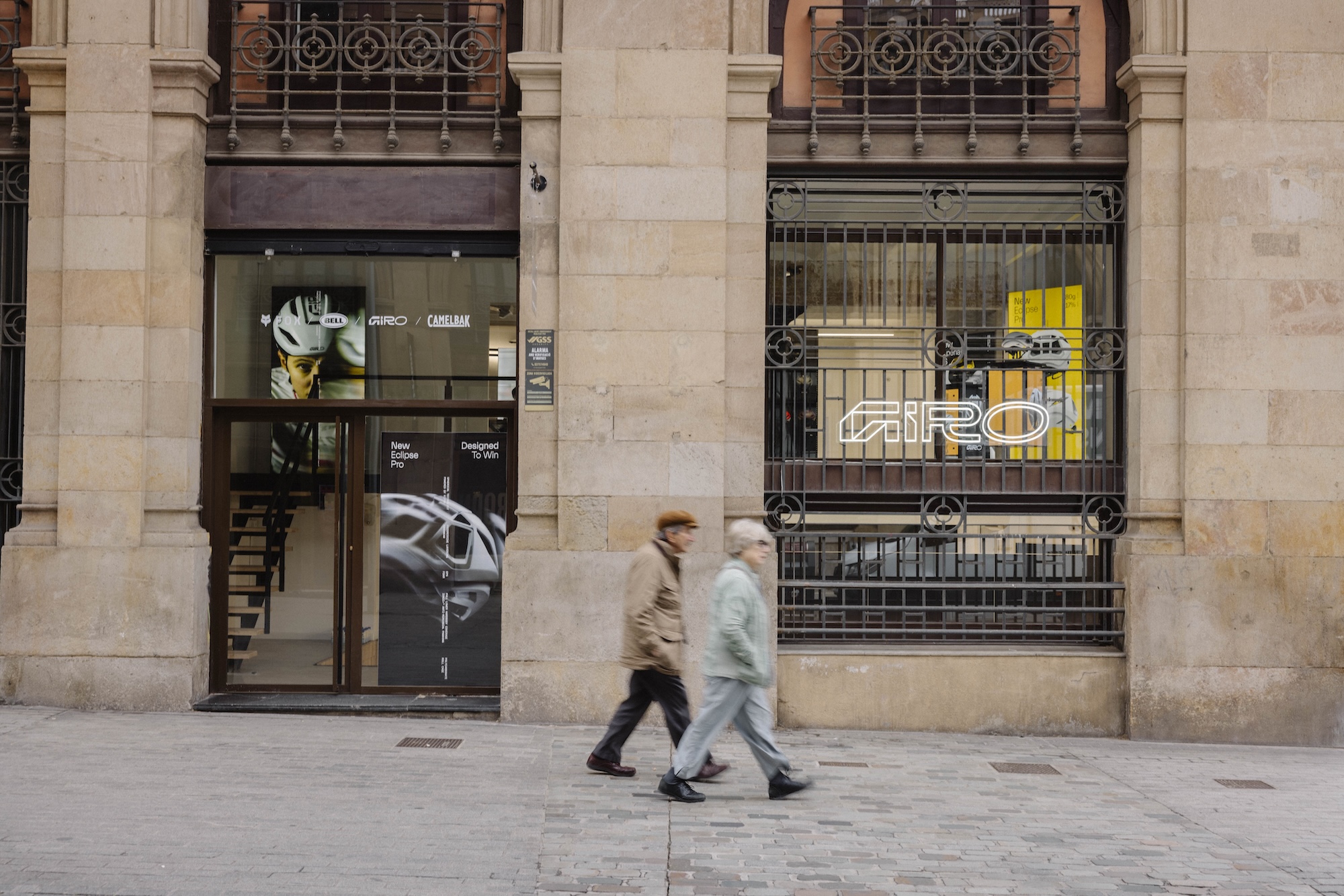
Giro is part of Revelyst, under which sits the Adventure Sports Group. Last November, the brand opened the Adventure Sport Hub in Barcelona, a consumer-facing space hosting community rides and events.
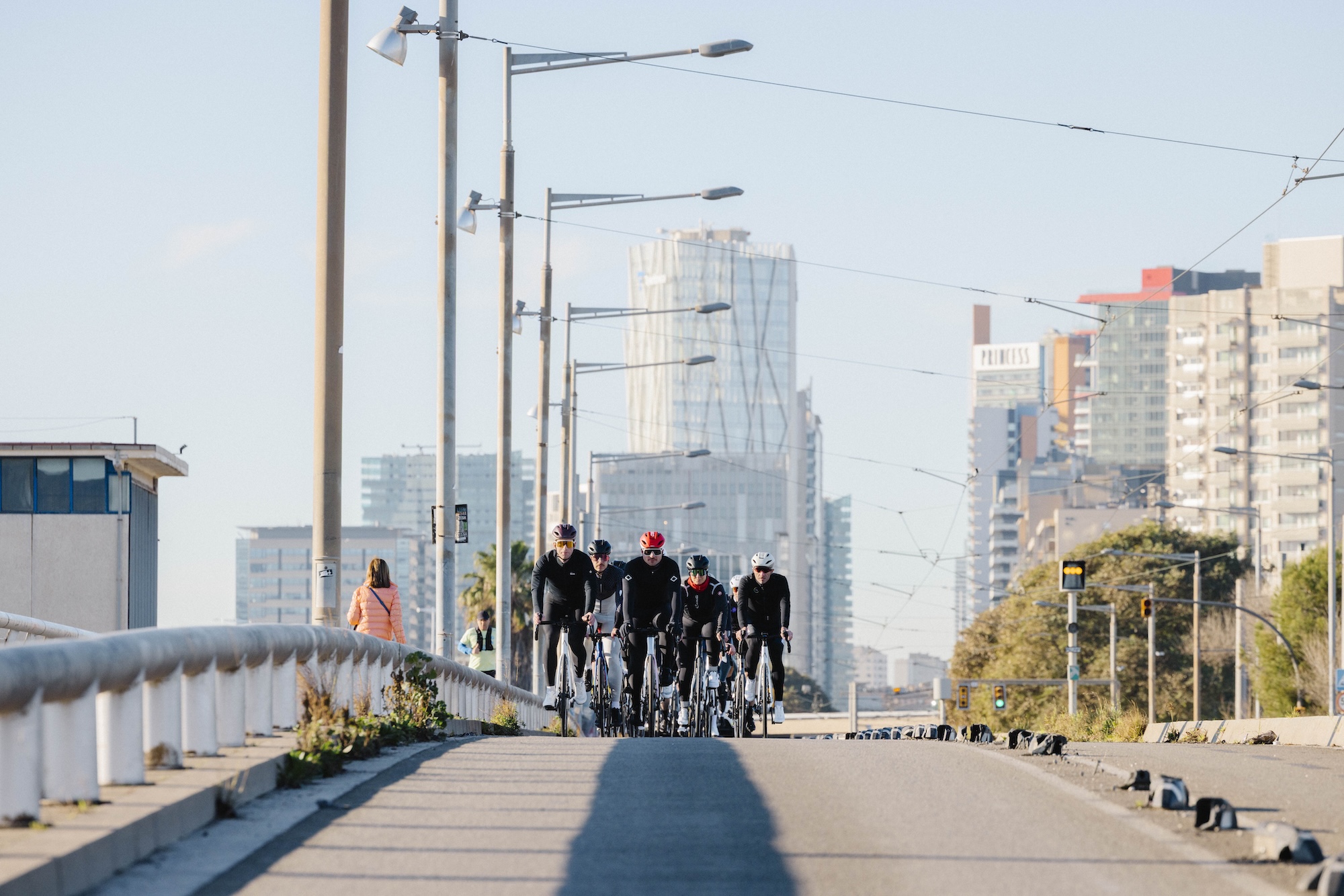
Our testing took place during a press camp in the city. After a day of deep-dive presentations into CFD modeling and design philosophy, we rolled out onto the outskirts of the city before finishing inside the velodrome. It was a fitting stage to feel how the helmet behaves at sustained speed.