Sea Otter Classic 2026: A bike festival in every sense of the word
Estimated reading time: 8 minutes
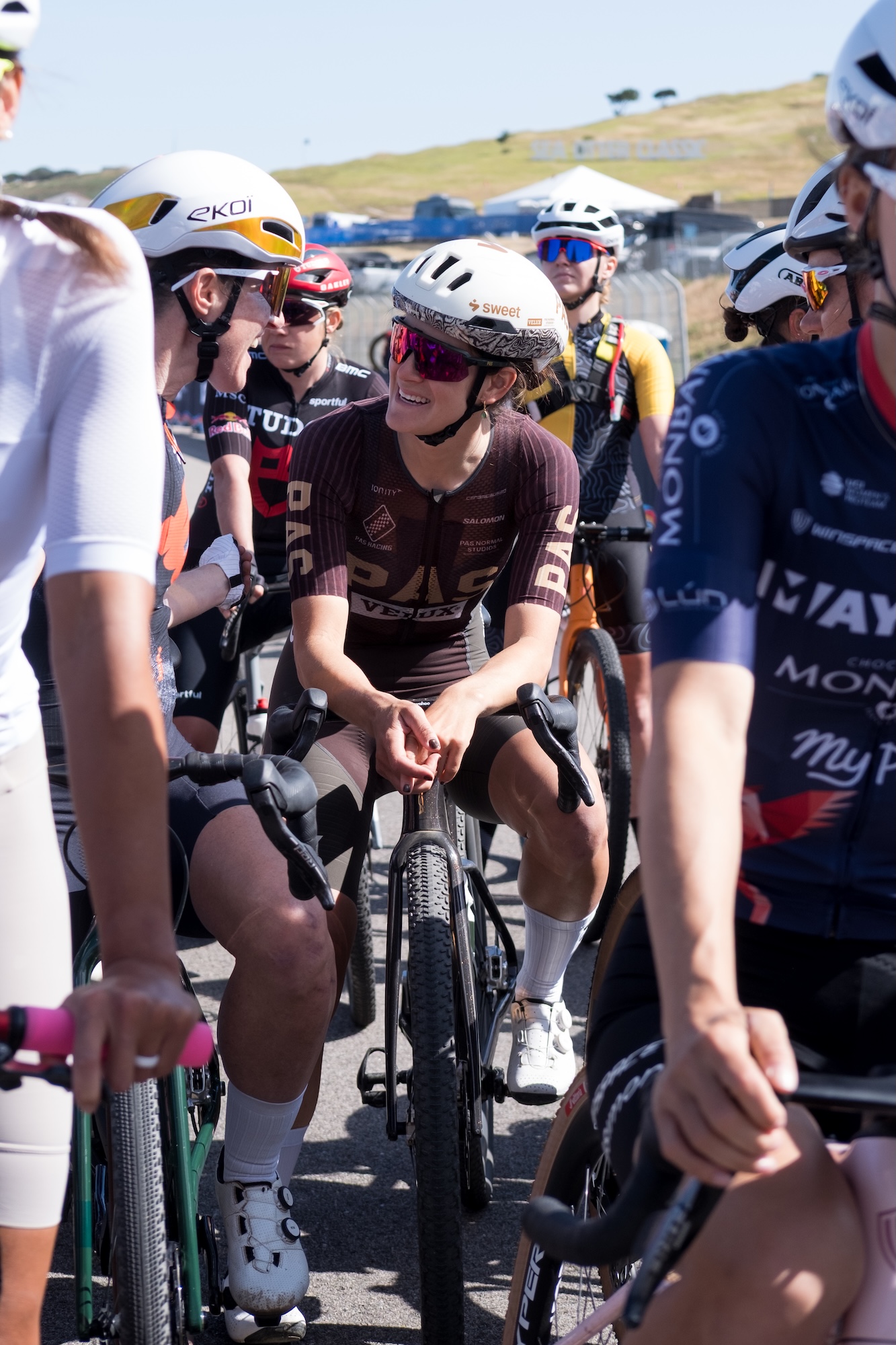
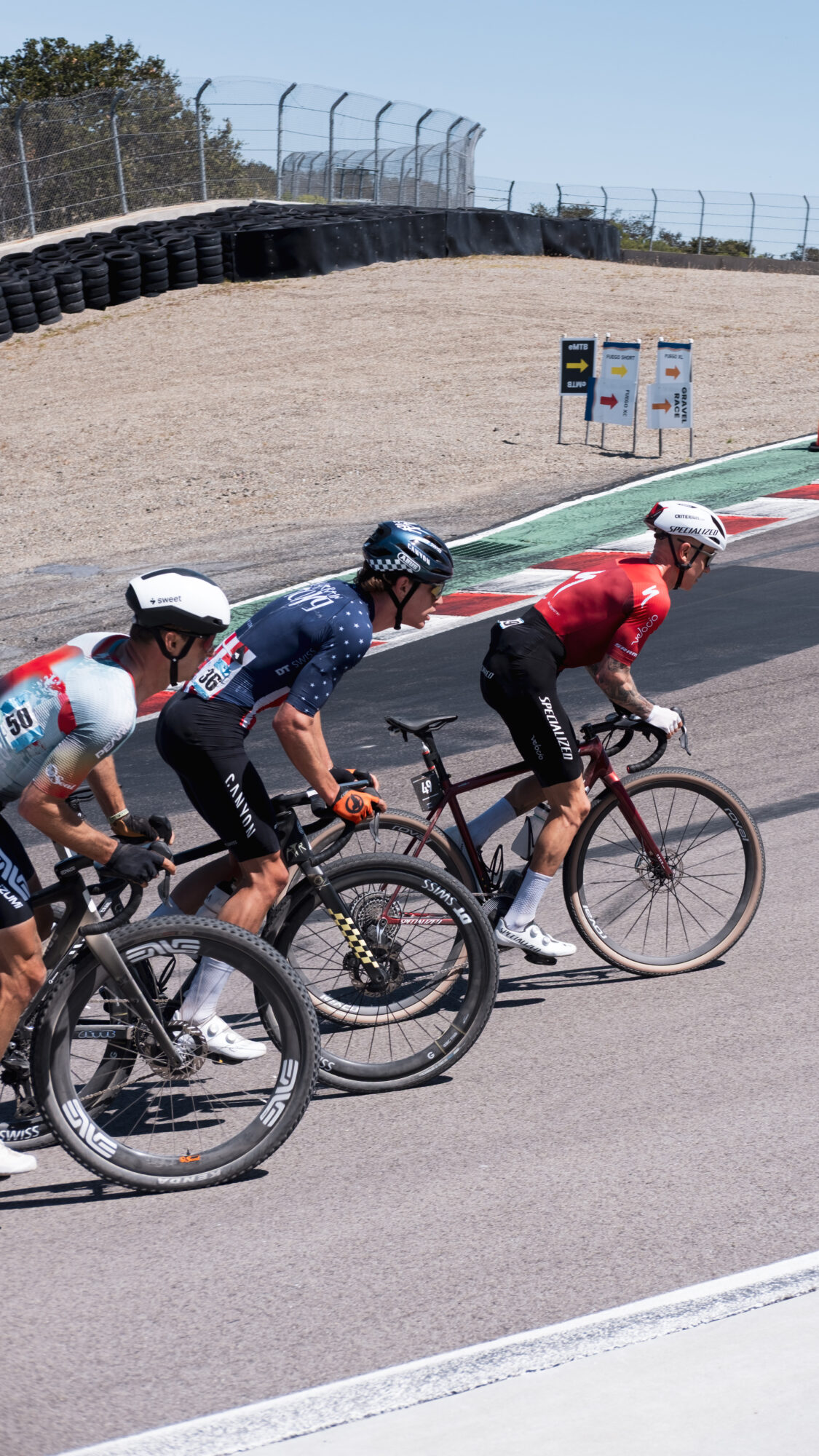
Every spring, the cycling world converges in Monterey for the Sea Otter Classic, not just for racing, but to take the temperature of the industry. What makes it special isn’t only the scale of the expo or the packed schedule; it’s the unique mix of brands, media, athletes, and everyday riders sharing the same space. Sea Otter Classic is one of the few places where product development, storytelling, and real-world feedback collide in real time.
Making the trip from Europe to California is no small effort, but this time we considered it made sense for us to be there. The weather is almost guaranteed to cooperate, the setting encourages long conversations rather than rushed meetings, and perhaps most importantly, everyone is there for the same reason: bikes. Whether it’s spontaneous networking under the California sun, riding alongside brand executives during social spins, or simply observing how riders interact with new tech, Sea Otter offers insights that are hard to replicate elsewhere.
While it was apparent that mountain biking remains the dominant force, there were several brands presenting new gravel and all-road related products, which we would like to highlight.
OPEN Cycle WI.DE. 2.0
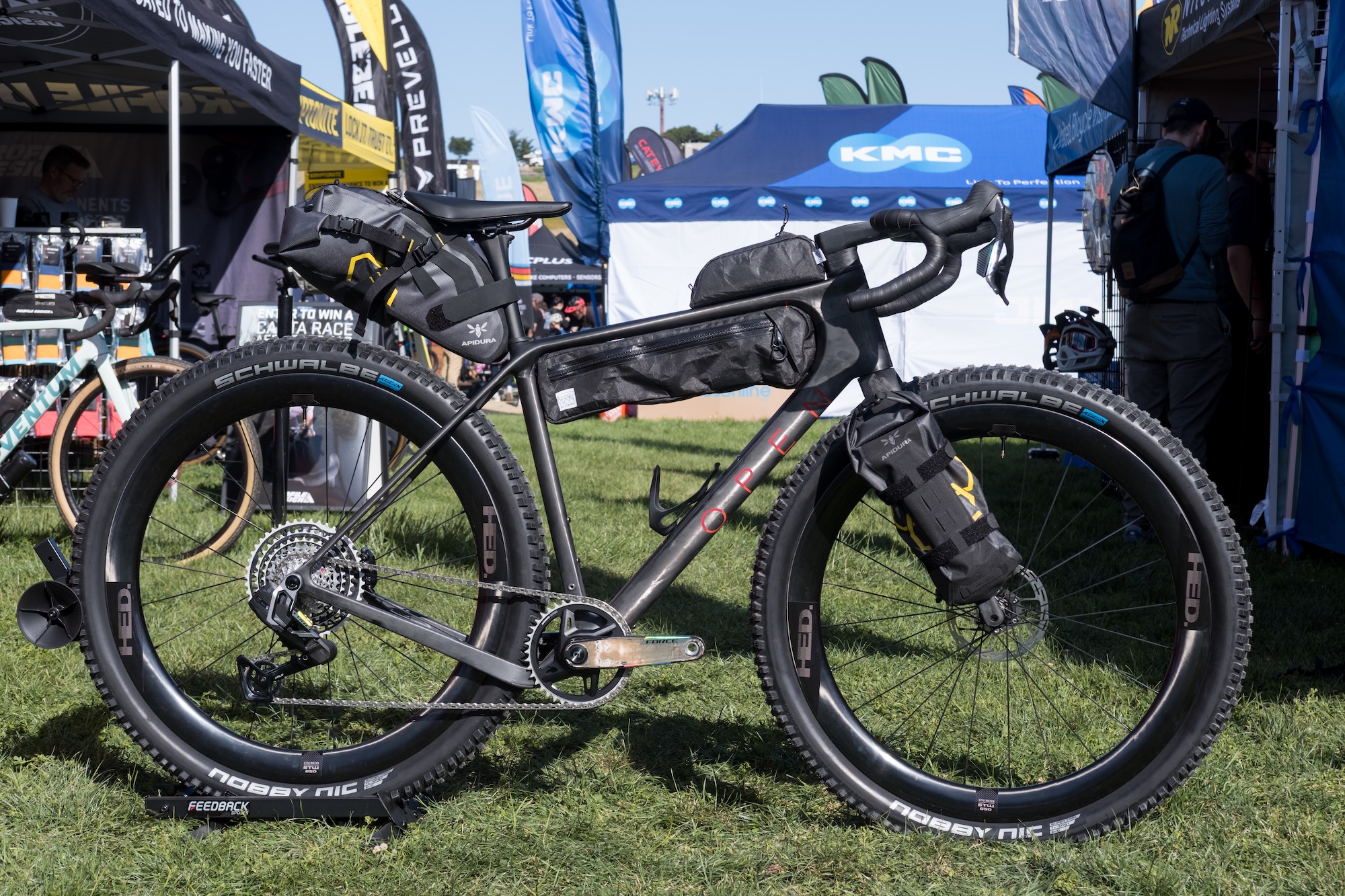
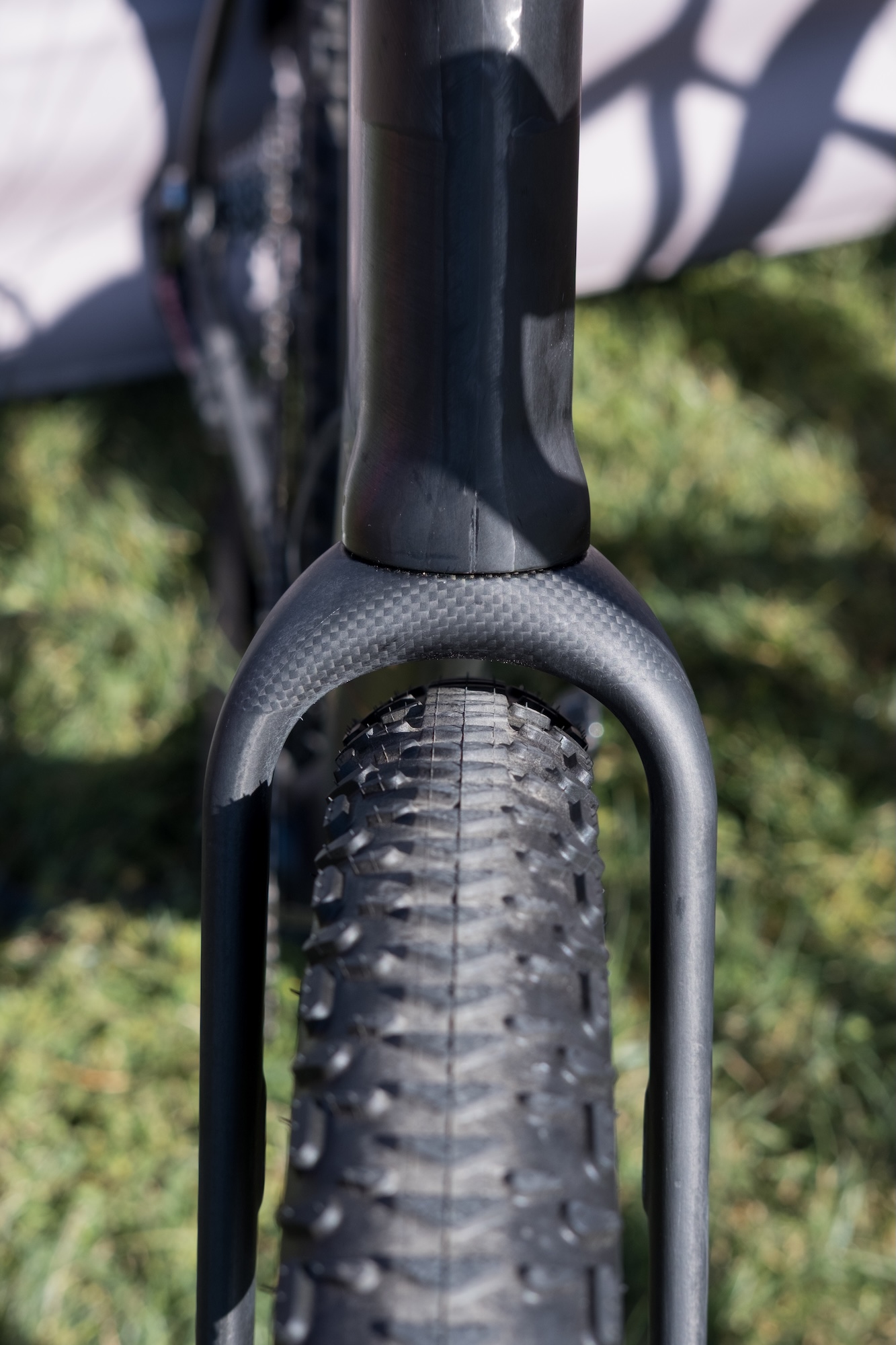
As we approached the OPEN booth, one bike immediately stood out—built around enormous tires that looked closer to mountain bike territory than gravel. That build featured the WI.DE. 2.0, the latest evolution of a platform that was already known for pushing boundaries.
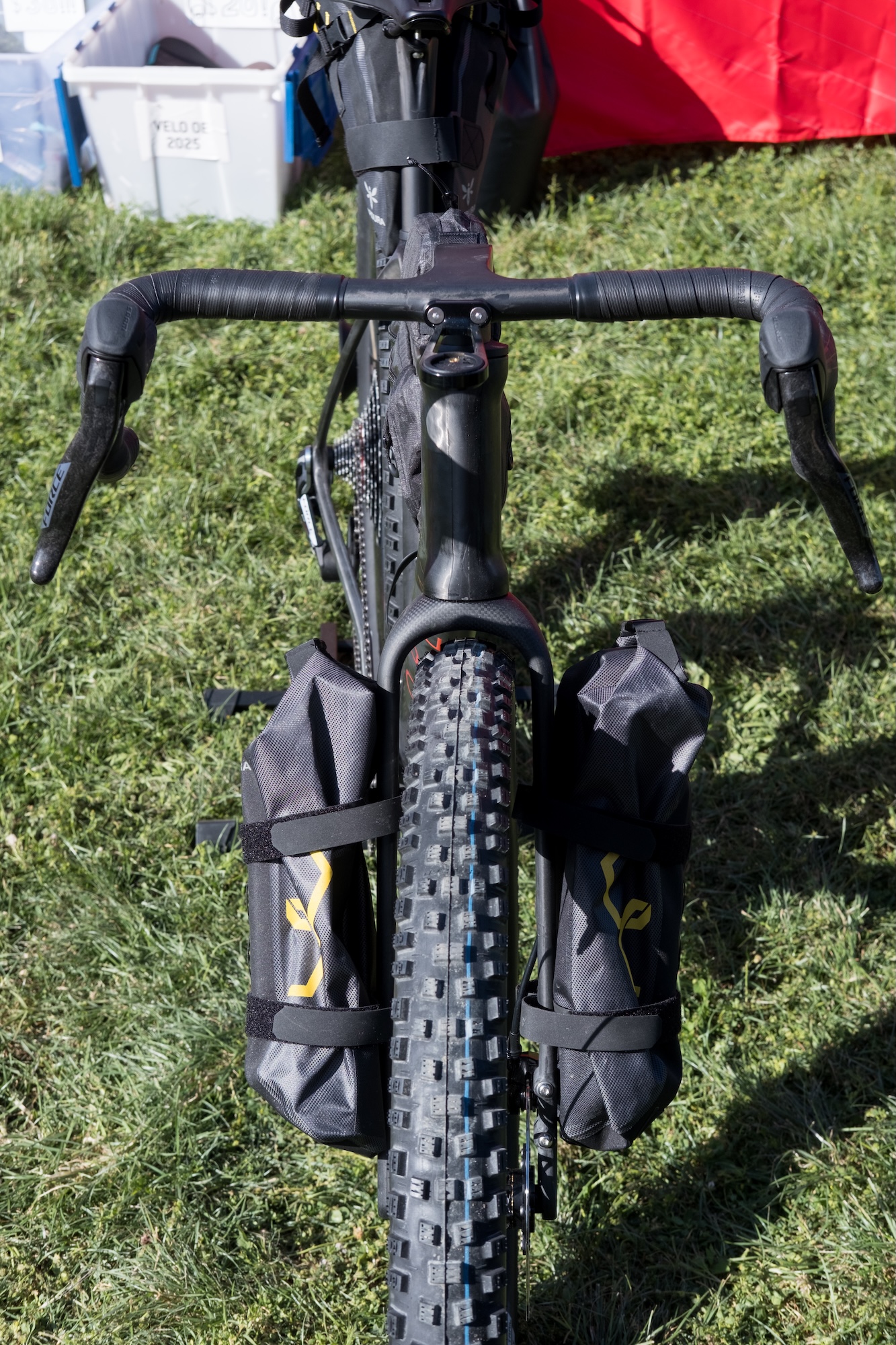
If the original WI.DE. challenged expectations with its generous clearance, the 2.0 raises the bar significantly, accommodating up to 700x66c or 29×2.6” tires. In practical terms, that opens the door to terrain previously considered out of reach for drop-bar bikes.
However, the innovation goes beyond clearance. The deep-section head tube is one of the aero features of the bike, while OPEN’s patented B.A.R. (Break All Rules) system allows riders to fine-tune stem length by 15 mm in 5 mm increments—a rare level of adjustability in a performance-oriented setup. Paired with the U-Turn AC/DC+ fork (Aero-Cargo-Double-Combo), the WI.DE. 2.0 feels less like a niche experiment and more like a statement about where gravel versatility is heading.
Allied Cycle Works Echo
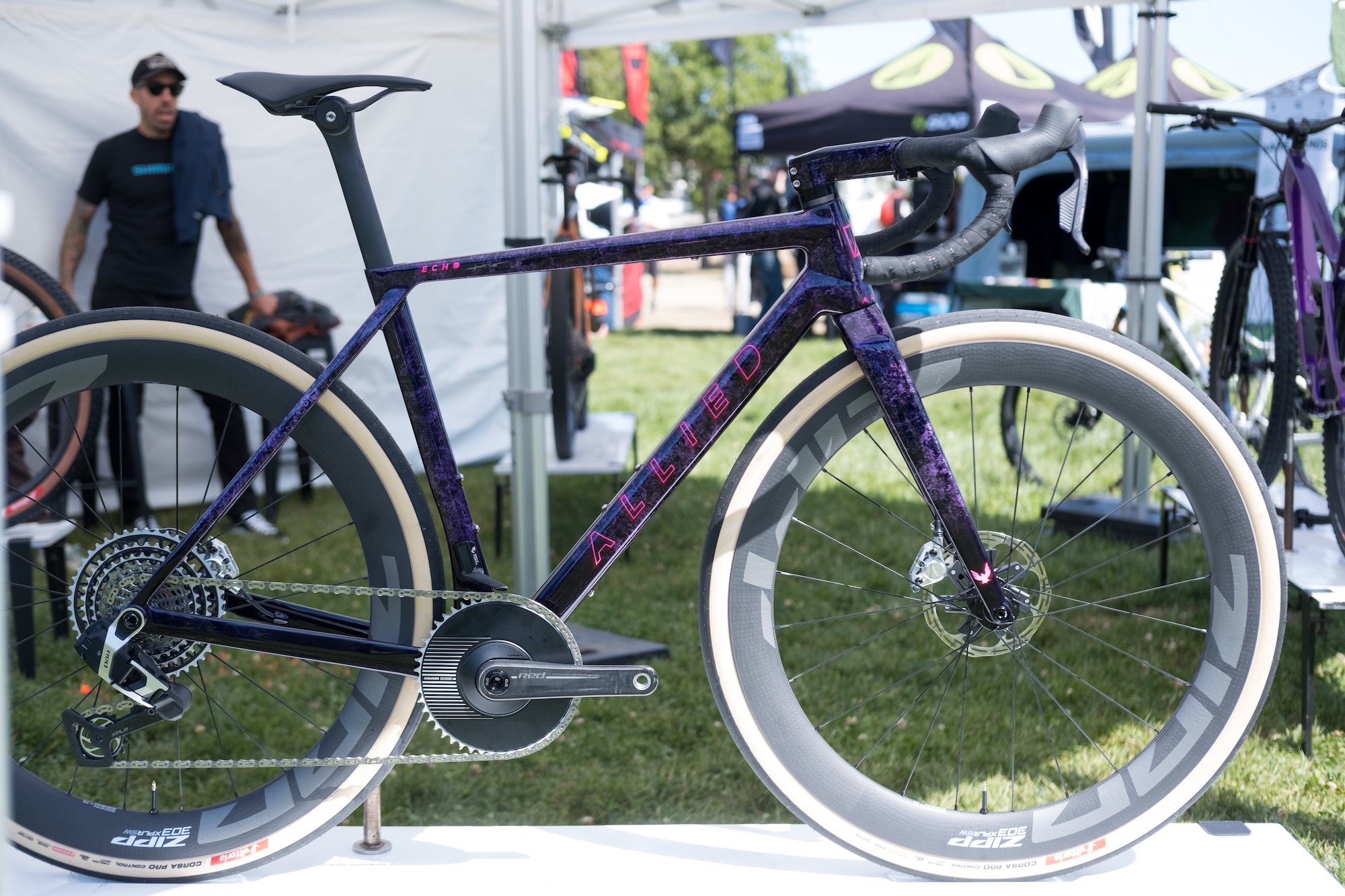
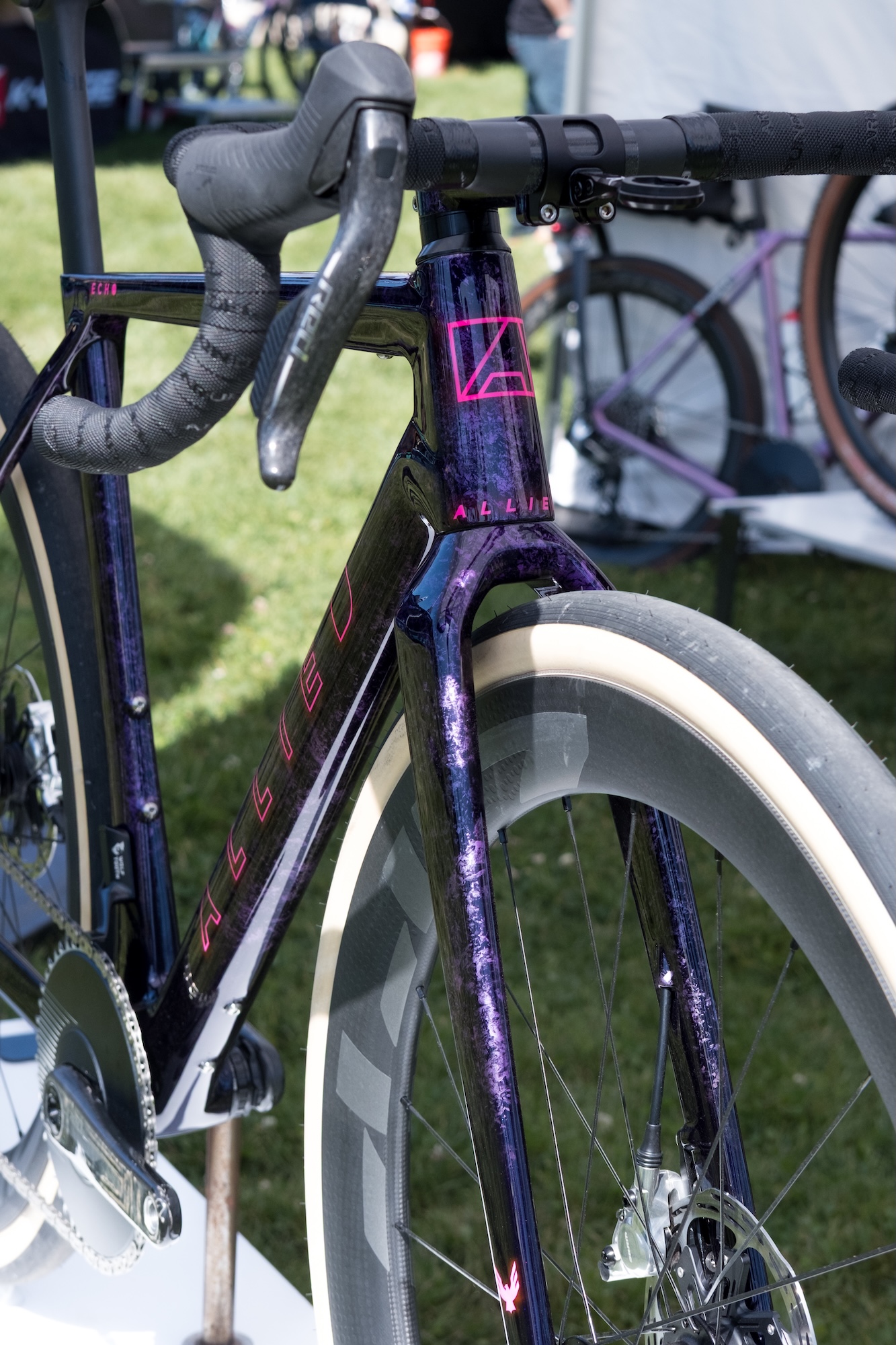
Sea Otter proved the ideal setting to get to know the people behind Allied, a brand that has steadily built a reputation for performance-focused bikes with progressive tire clearance. As CEO Drew Medlock mentioned during our conversation, “Wider tires are better,” and he might be right.
That philosophy is clearly reflected in the newly launched Echo, part of Allied’s all-road platform. Designed with performance geometry and clearance for up to 45 mm tires, the Echo challenges traditional assumptions about road speed. Allied argues that a 40 mm slick, when paired with the right rim, delivers an optimal balance of rolling efficiency, comfort, and durability. The build we saw, equipped with Zipp 303 XPLR wheels and Vittoria Corsa Pro Control 42mm tires, highlighted how component integration plays a key role in extracting performance from wider setups.
Panaracer Gravelking ZX
Few brands can claim to have shaped gravel tire evolution as directly as Panaracer. Jeff Zell walked us through the history of the GravelKing line, which began in 2014 with a 26 mm slick, already pushing the limits of what frames could accommodate at the time.
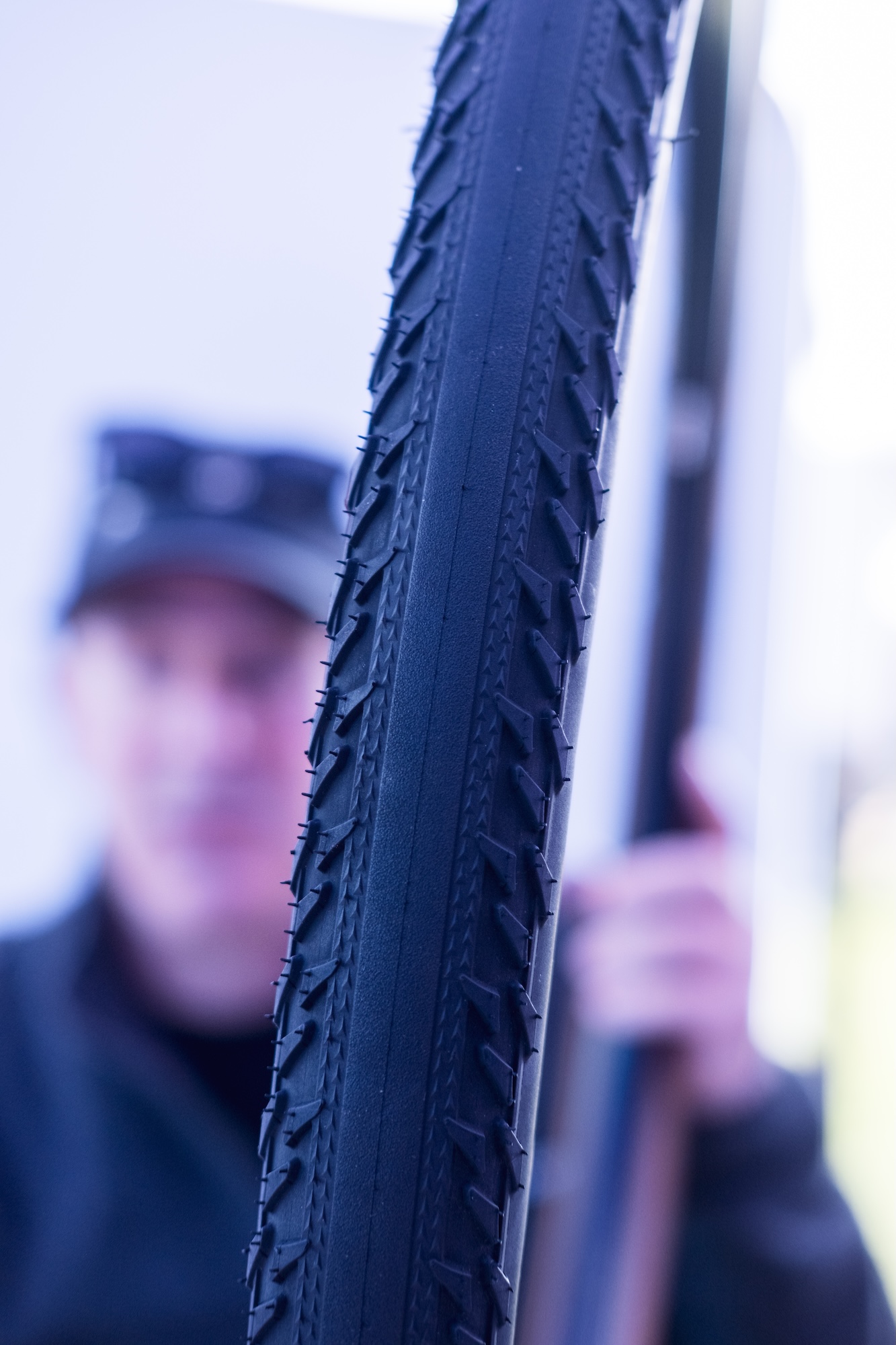
As gravel riding evolved, so did tire demands. Knobbier versions followed, and by 2017, Panaracer introduced a semi-slick design featuring a smooth center tread and side patterns similar to rails intended to improve grip. However, feedback from riders highlighted a limitation: those side knobs weren’t aggressive enough for increasingly technical courses.
That feedback ultimately led to the development of the new GravelKing ZX. After six design iterations, the final product showcases a clear transition from a fast-rolling center to chevron-shaped intermediate knobs and more aggressive side lugs. It is currently available in 45 mm and 50 mm, with a broader range from 35 mm to 55 mm on the way.
Redshift Sports pedal adapters
While we were already familiar with much of Redshift’s lineup, having their team walk us through the intent behind each product category added valuable context. Known for comfort-oriented components like suspension stems and ergonomic handlebars, Redshift continues to focus on practical innovation.
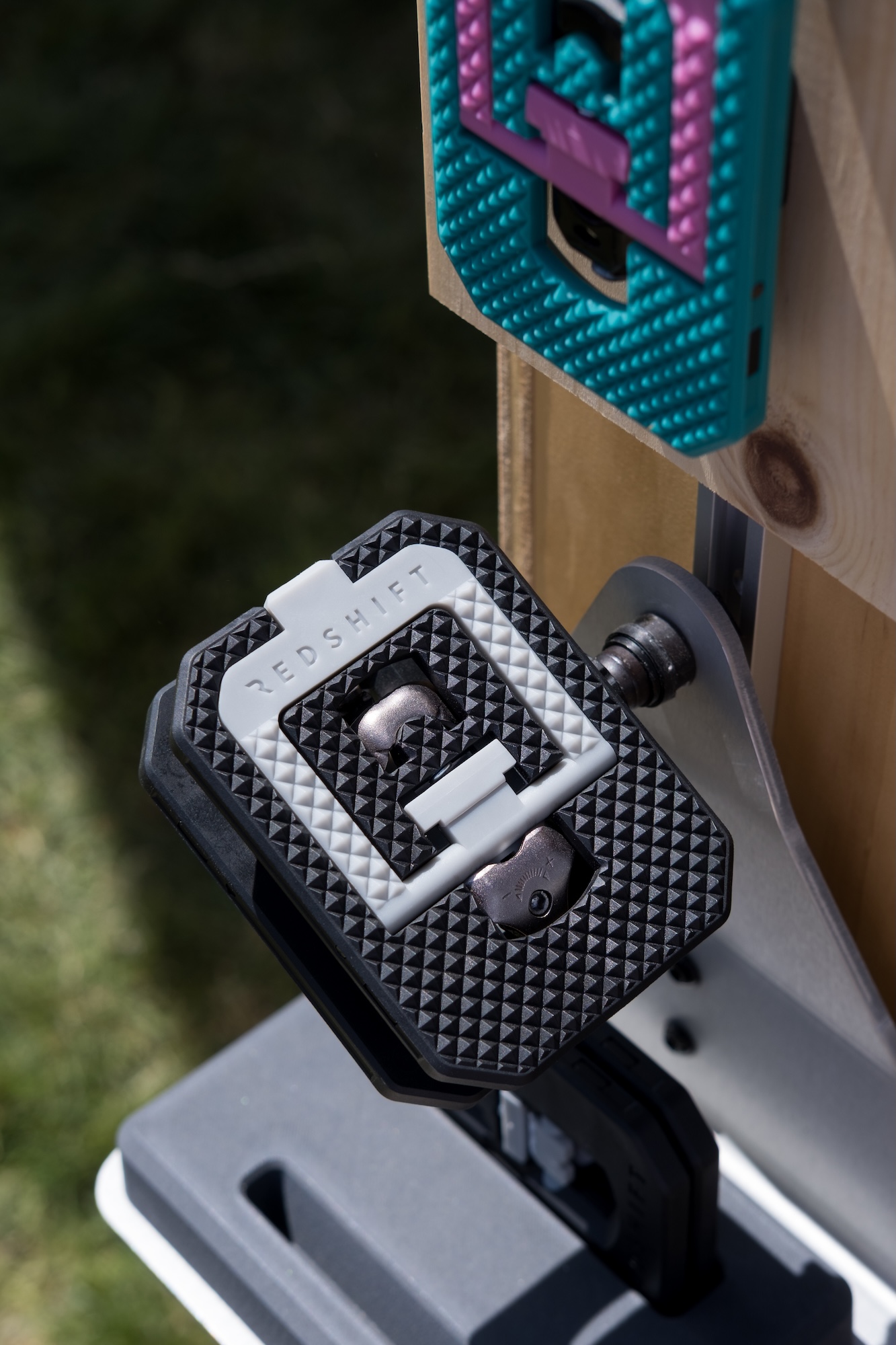
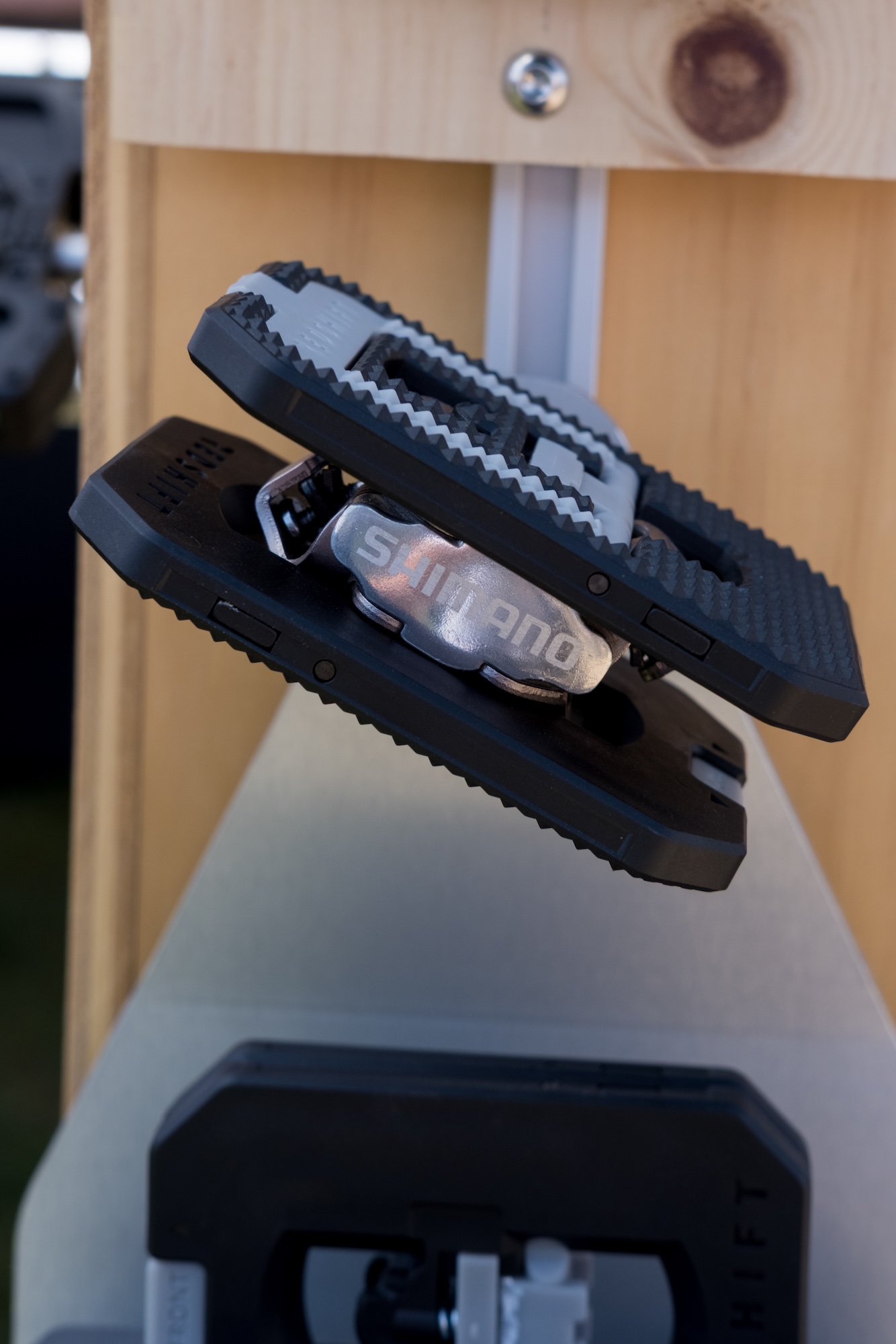
One of the more intriguing solutions we explored was their “mousetrap” pedal adapters. Designed to pair seamlessly with SPD pedals, these magnetic platforms allow riders to switch instantly from cycling shoes to casual footwear, which is ideal for errands or any other situations in which had to struggle with driving the pedal into the sole of our foot. Compact and easy to store in a bike bag, they embody the kind of small but thoughtful design that enhances everyday usability without complicating the riding experience.
The launch was so good that they ran out of stock for most of the colorways, but we were told there will be a restock together with new version for additional pedal systems.
Wolf Tooth Components and Otso Cycles
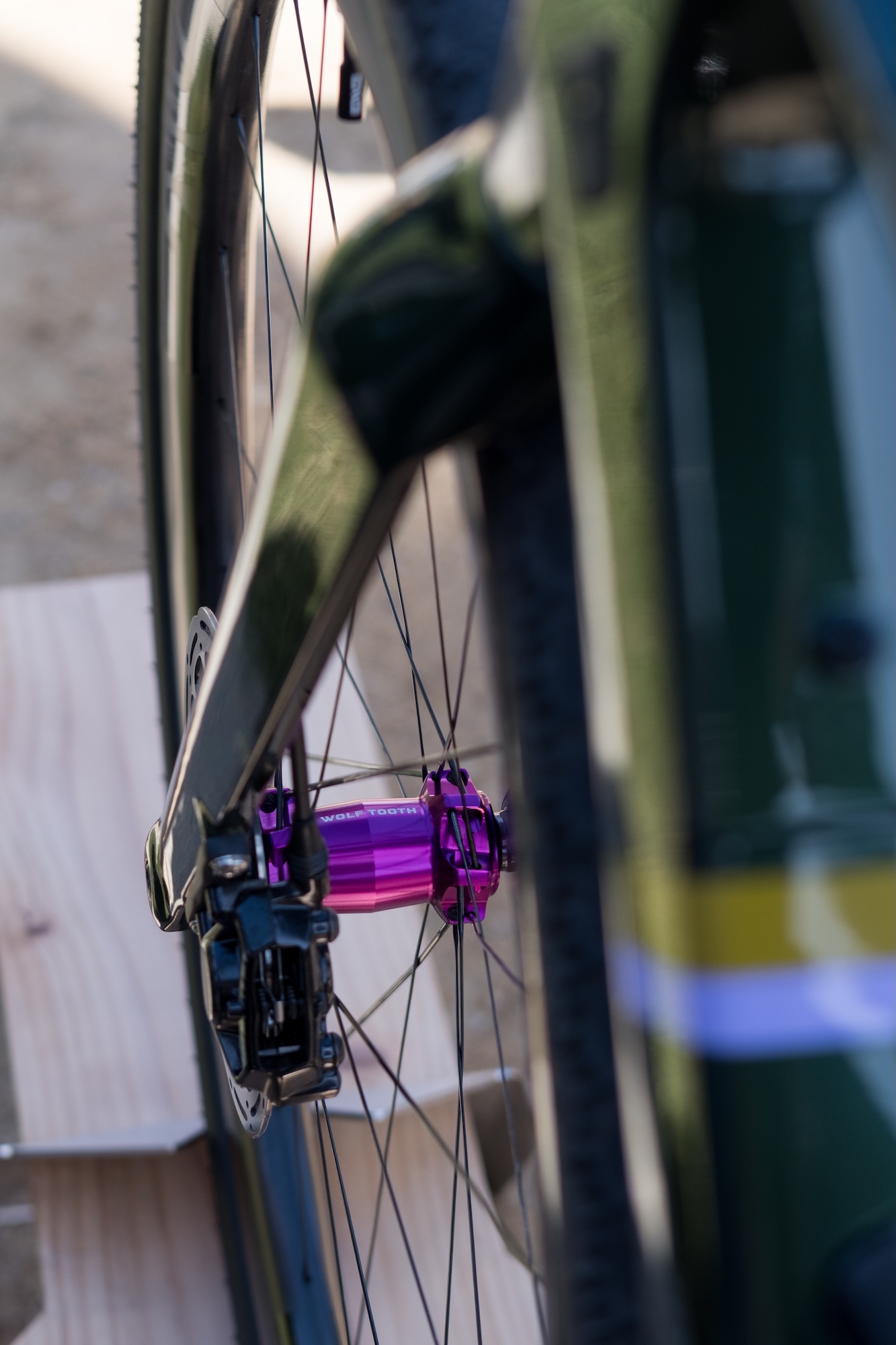
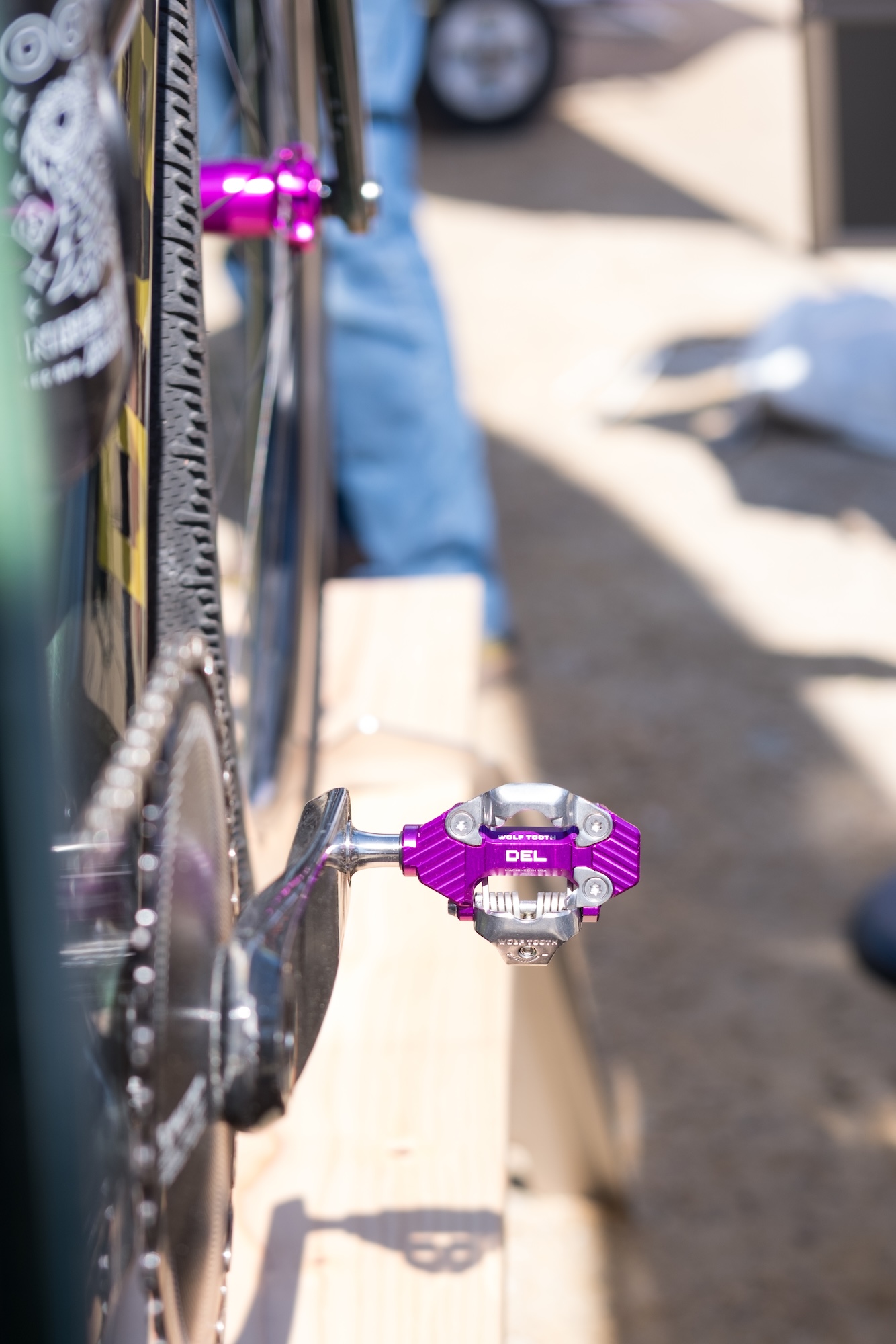
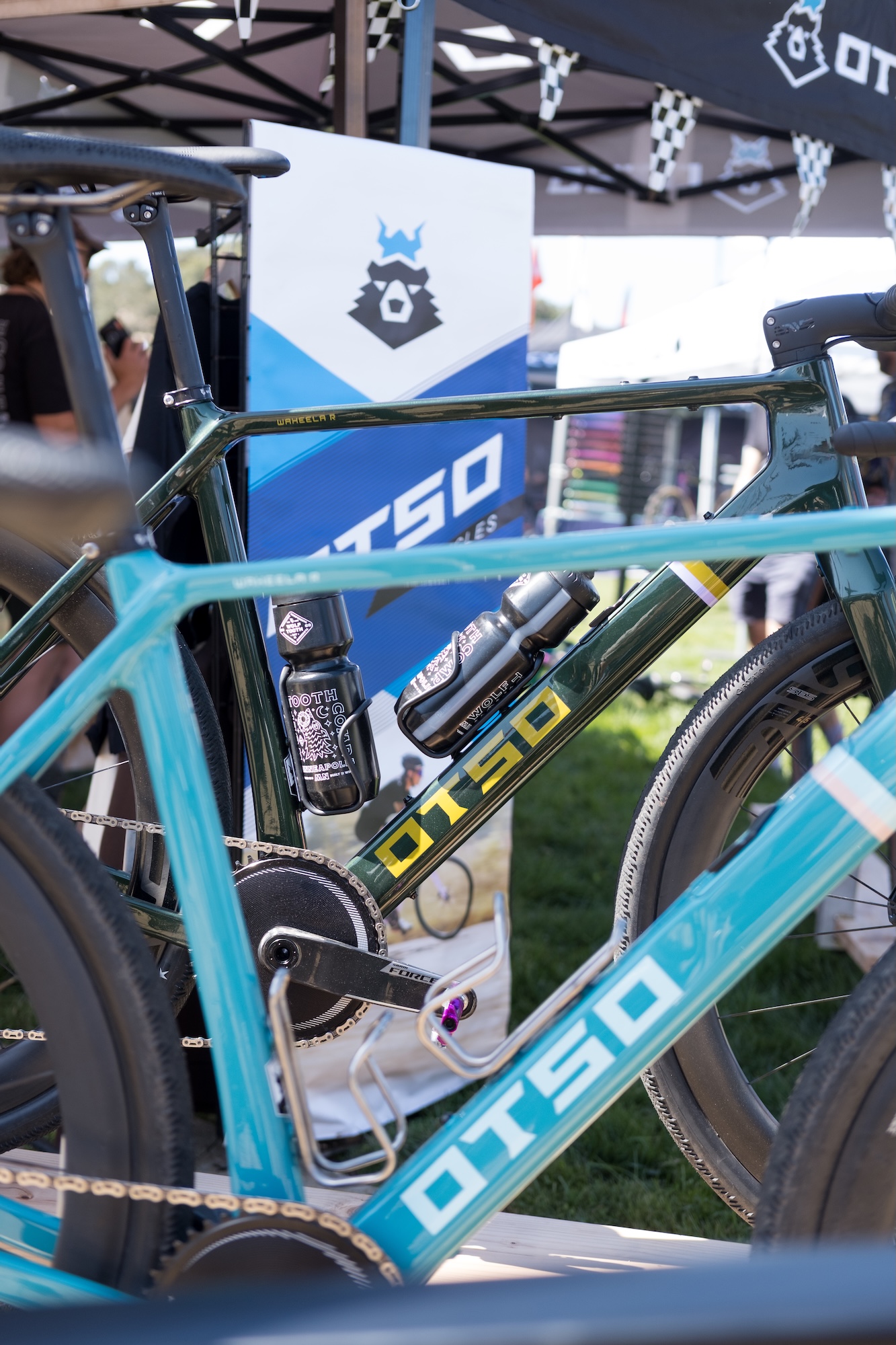
After checking the range of products on display at the Wolf Tooth stand, they made us aware that the group also counts on a bike brand: Otso. Founded in Minnesota in 2016, Otso reflects its origins with a lineup that includes gravel, mountain, and fat bikes because “I you live in Minnesota and want to ride your bike all year round, you need a fat bike,” they said.
Their latest release, the Waheela R, is a gravel race bike already proven at events like the Life Time Grand Prix. Built for high-speed stability, it incorporates features such as a UDH dropout and internal frame storage, emphasizing both performance and practicality. Interestingly, Otso’s first bike already pushed boundaries with 51 mm tire clearance at a time when such widths were rare without switching to 650B wheels. That same philosophy, “creating bikes that didn’t previously exist,” continues to define the brand.
Stan’s DART
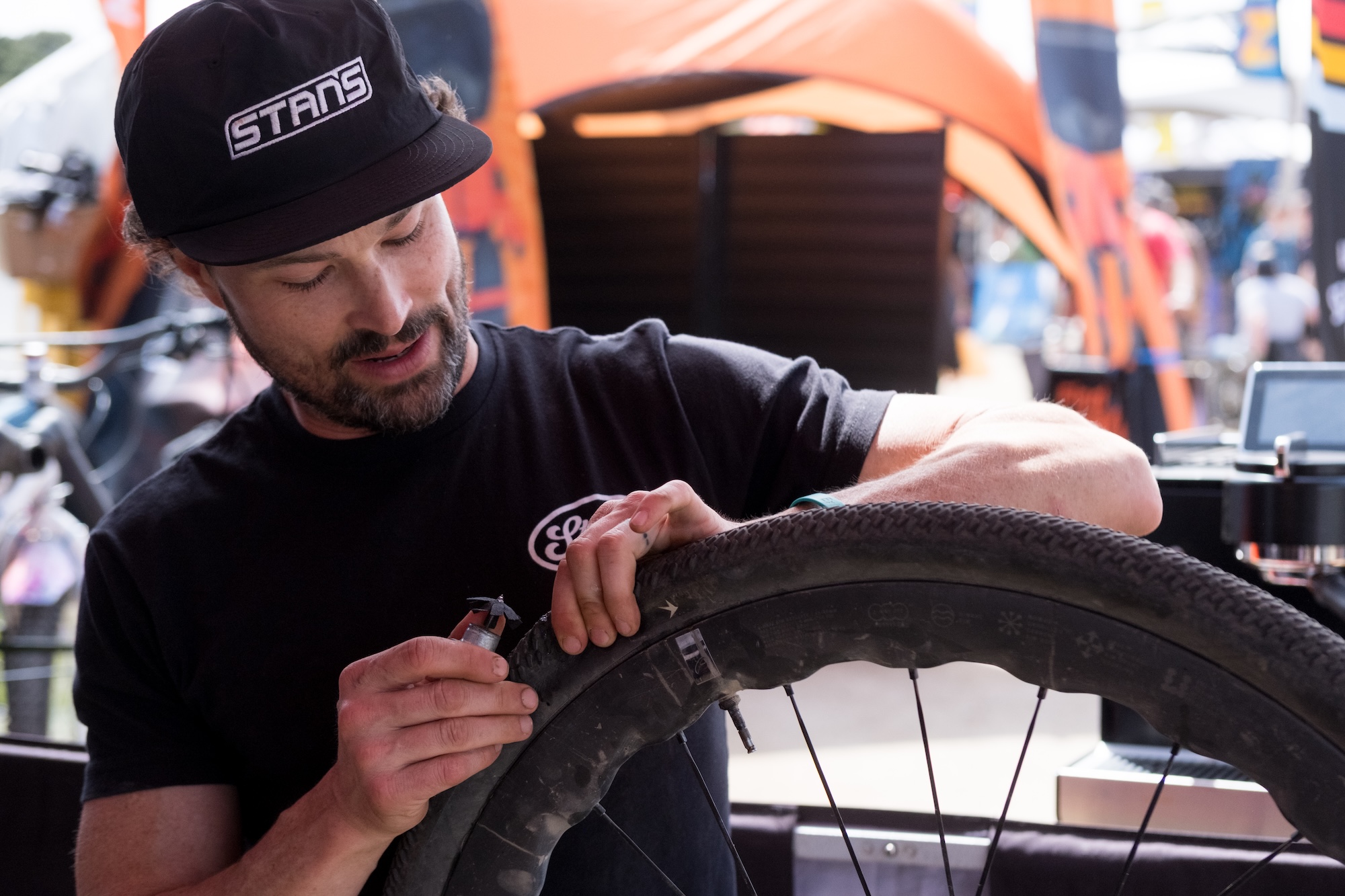
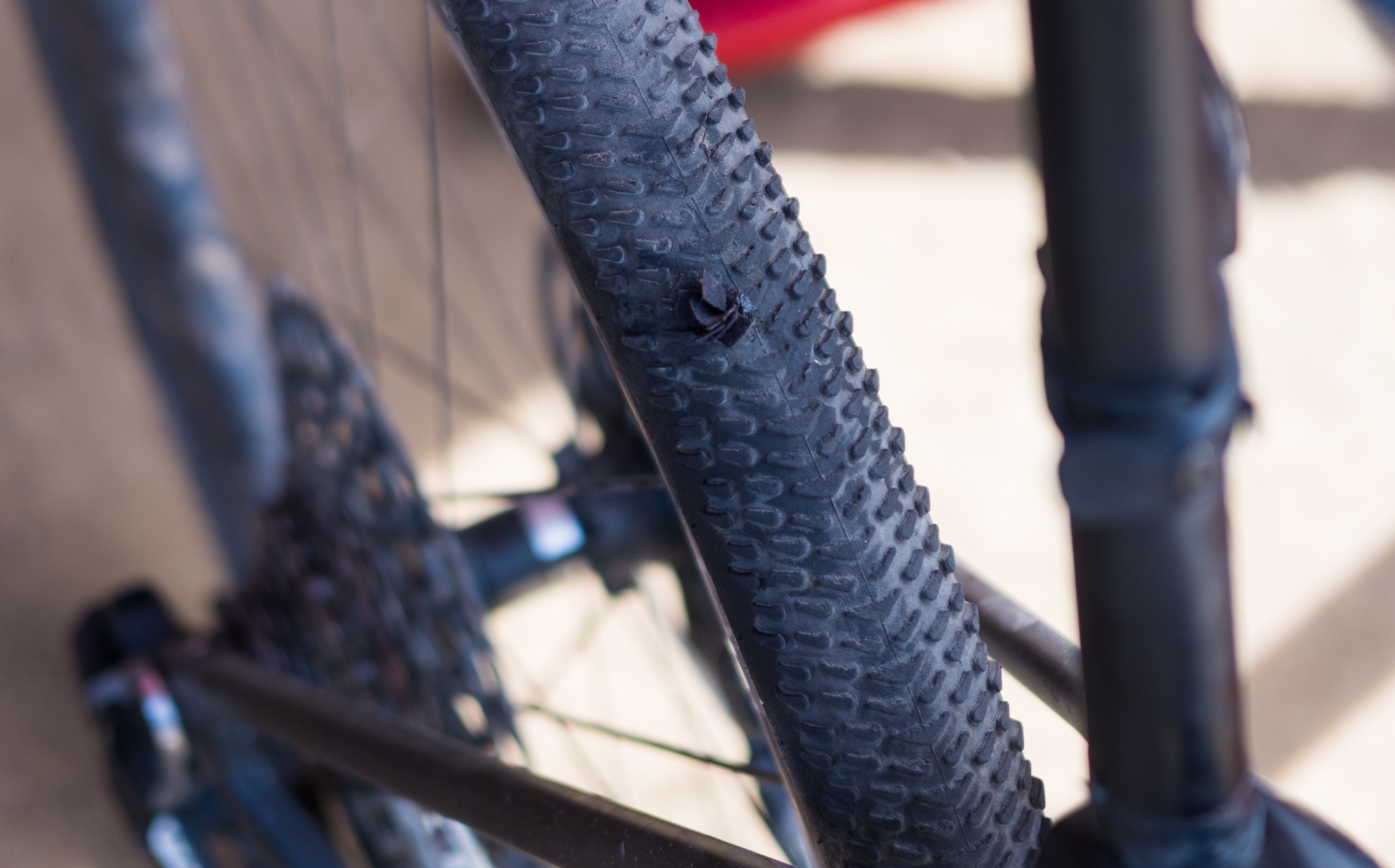
Our visit to Stan’s was particularly timely. After suffering a bad puncture during a social ride—one that our plug failed to seal—we found ourselves hitching a ride back to the expo. It made the conversation about puncture solutions feel especially relevant.
Stan’s highlighted their updated DART (Dual Action Repair for Tubeless) system, designed to go beyond temporary fixes. The flexible fabric plug not only seals the hole but also reacts chemically with the sealant, forming a more permanent repair that hardens and rubberizes over time. There’s no need to trim excess material; riders can simply continue riding as the plug naturally wears down. It’s a simple concept executed with a clear focus on reliability in real-world conditions.
Ergon TF1 Saddle position tool
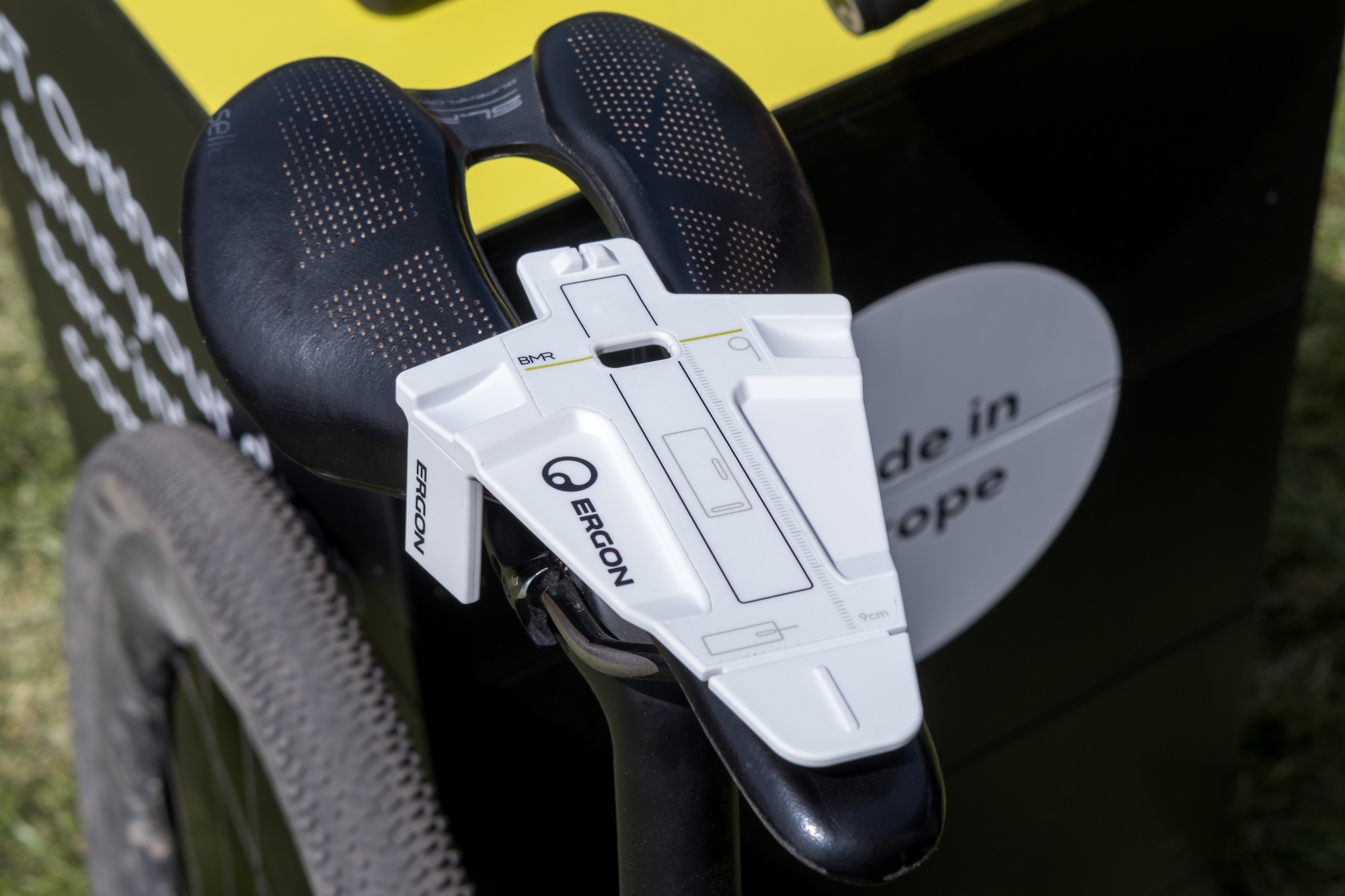
Ergon has long been associated with ergonomics, and their latest developments continue that trajectory into bike fitting. Building on their cleat positioning tools, the brand introduced the TF1 saddle fitting tool.
At its core is the BMR (Biomechanical Reference Point), defined as the section of the saddle measuring 75 mm in width. Some Ergon saddles already feature this marking, and it’s gaining traction as a standarized reference point. The TF1 allows riders and fitters to measure reach from saddle to handlebars, as well as setback, tilt, and saddle height—all based on this consistent reference. Already available in Europe, it signals a push toward more repeatable and data-driven bike fitting practices.
Expo vibes
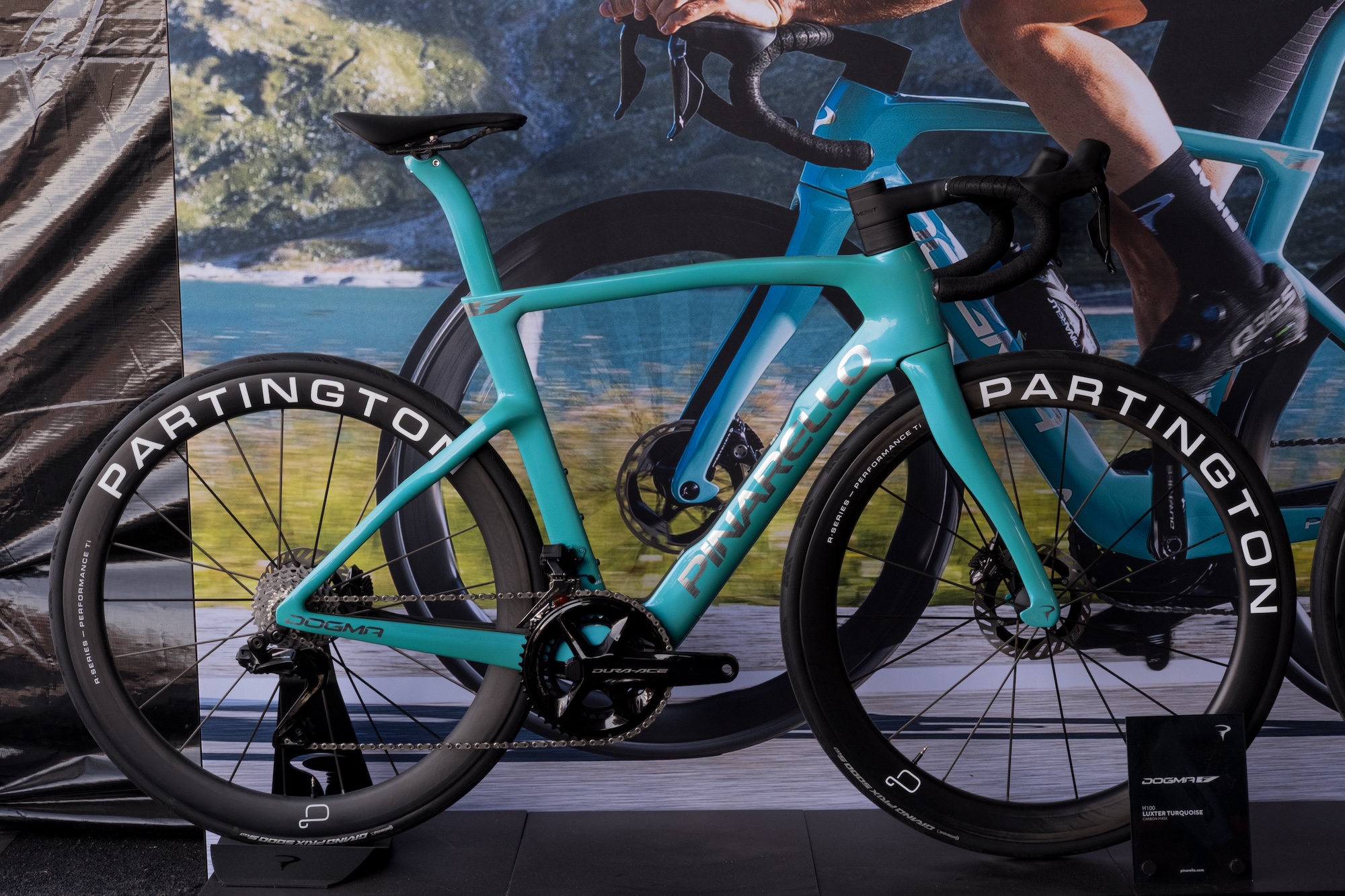
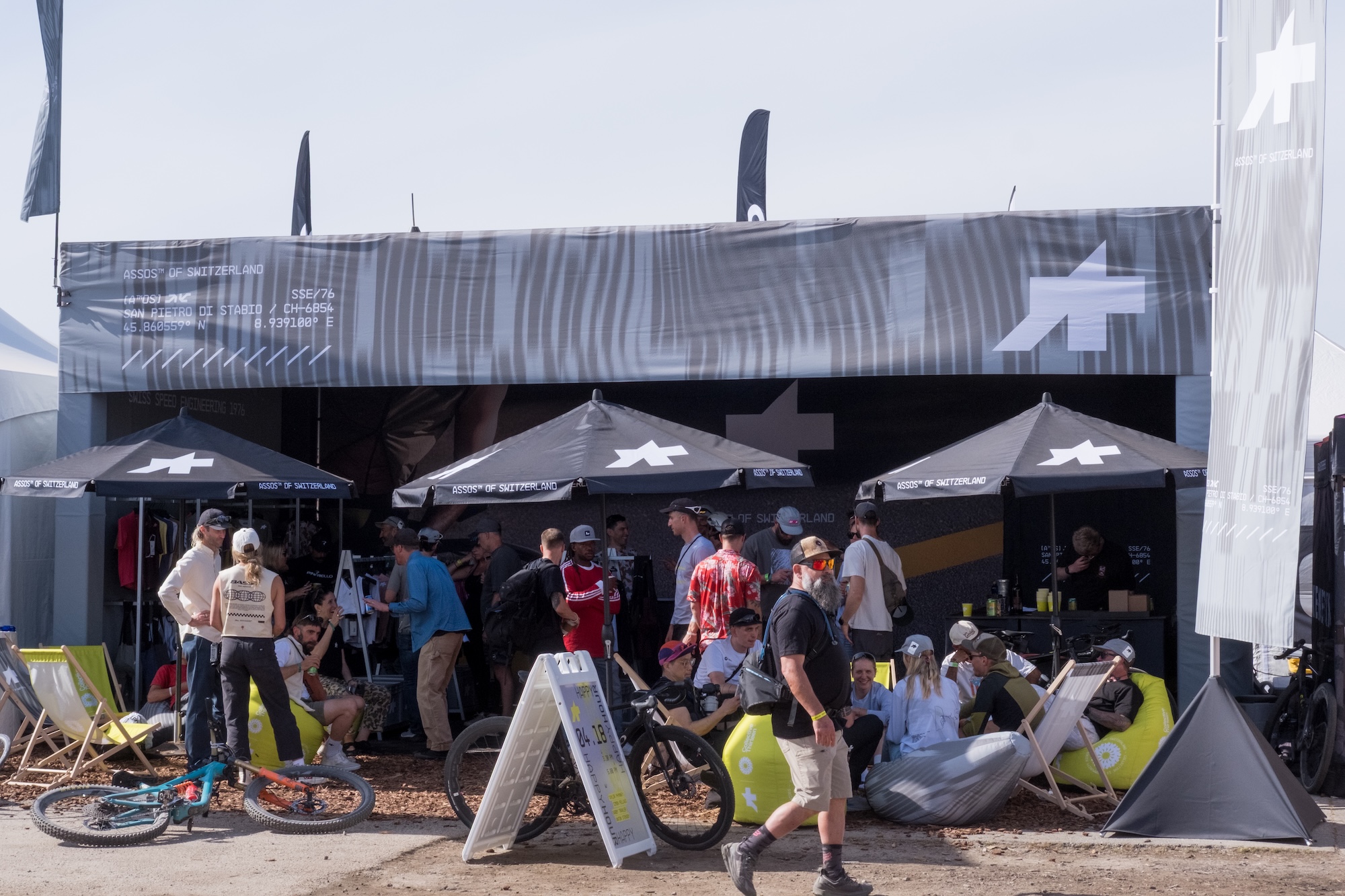
Sea Otter remains, above all, a celebration of cycling culture. The diversity of attendees, from elite racers to weekend riders, creates an atmosphere that feels both professional and deeply personal. The expo overlooks road cycling, but we still saw interesting things like new wheelsets from Hunt Bike Wheels and Partington.
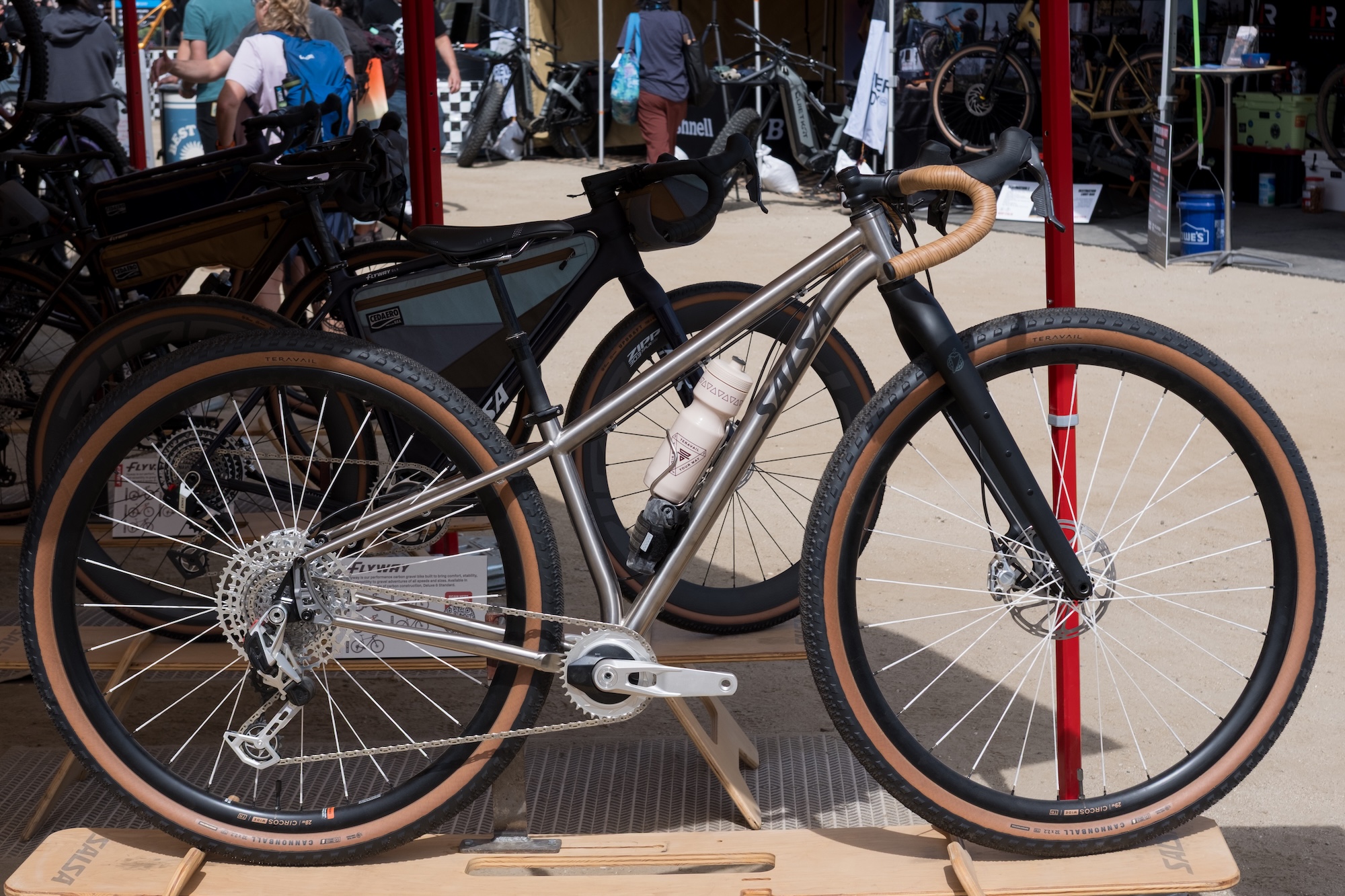
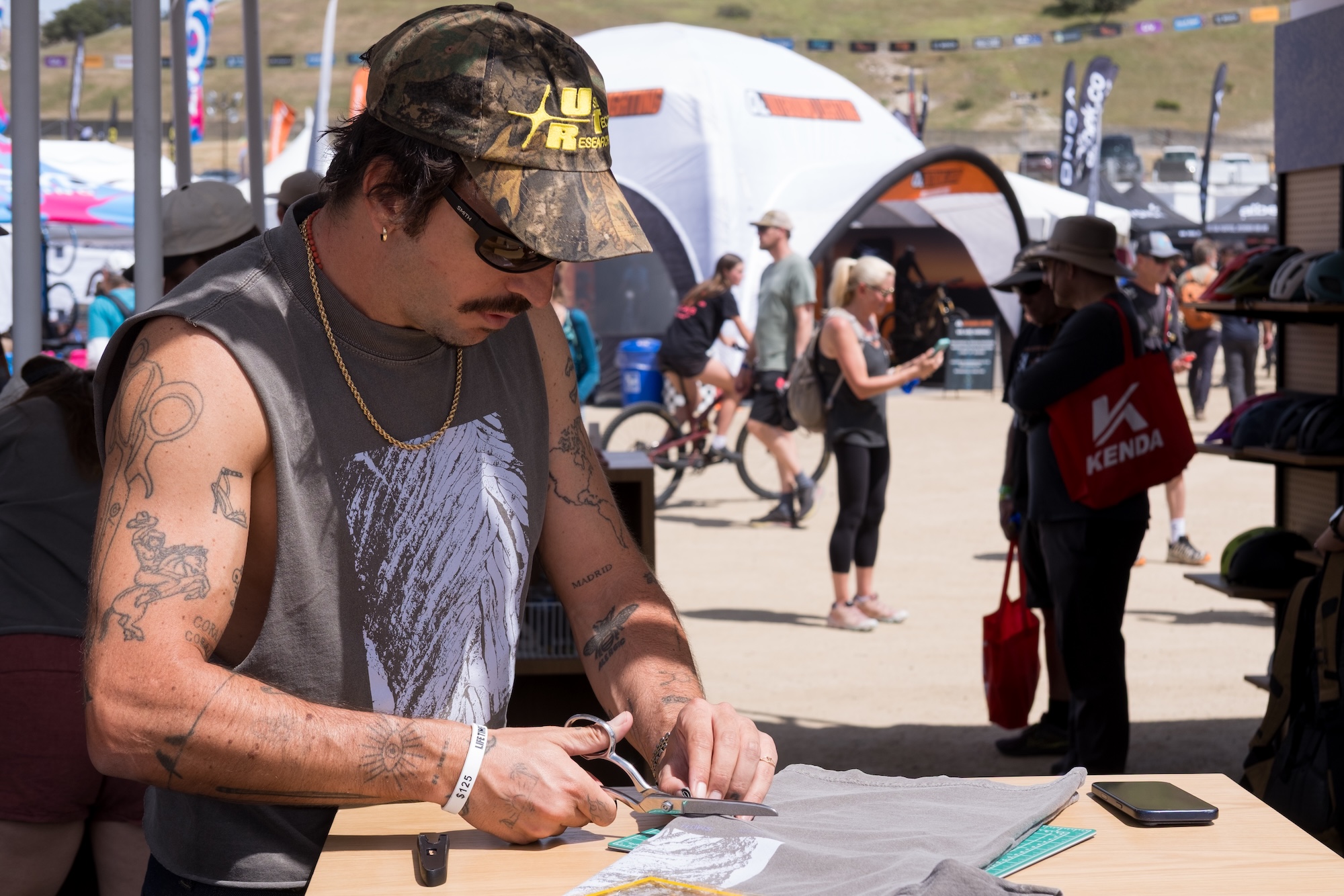
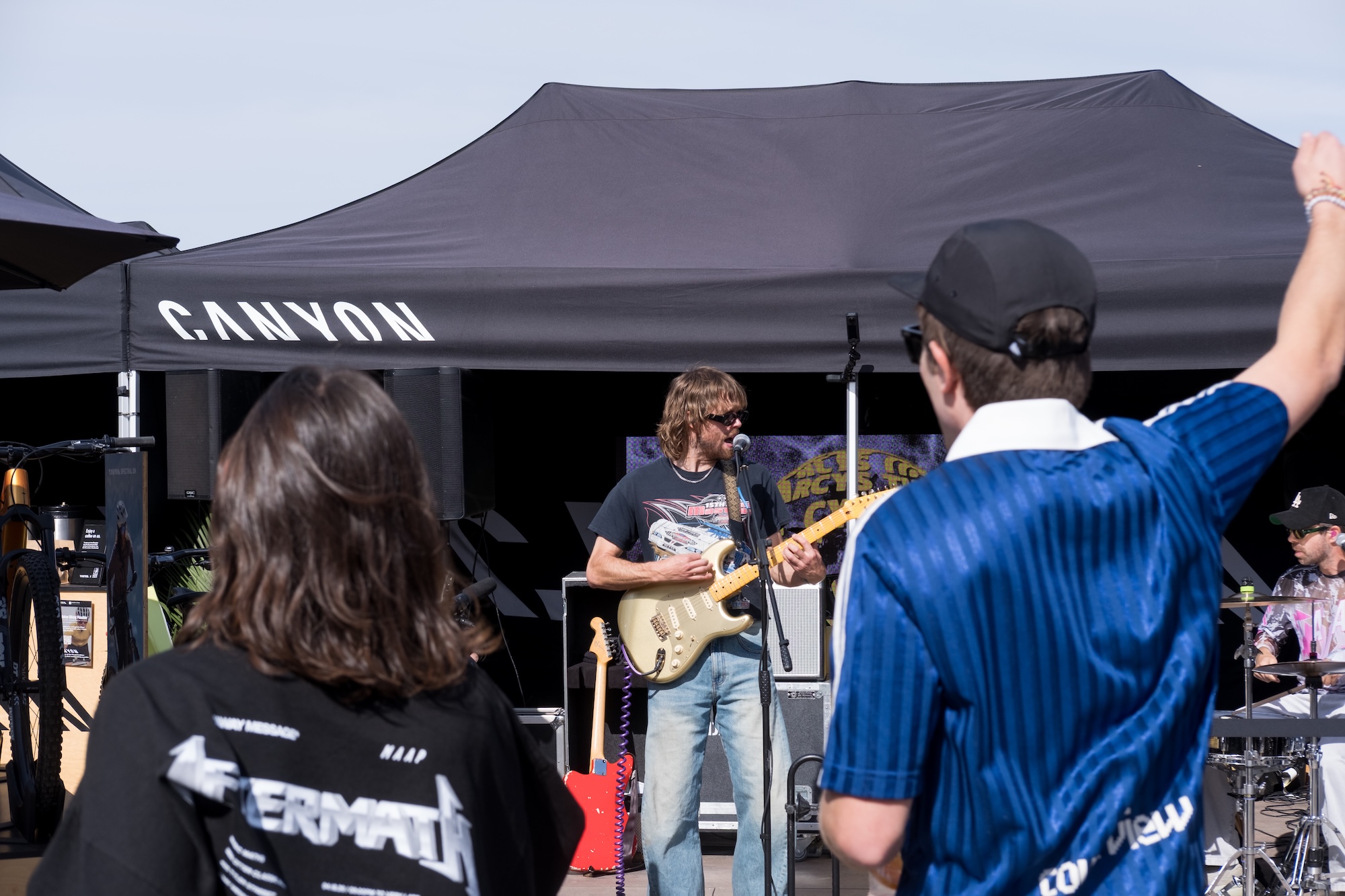
Innovation also appears in unexpected forms. While 32” wheels are still in their infancy within mountain biking, Salsa Cycles has already experimented with bringing that format into gravel. Around the expo, creativity extends beyond products: breakfast burritos served by Topeak, a T-shirt cropping station at the Smith booth to look as cool as Cesar Villalba, and even a live concert hosted by Canyon Bicycles to close out the day.
Looking ahead
Not everything at Sea Otter is meant for public display. Behind closed doors, several brands offered previews of what’s coming next. In the coming months, expect major releases from names like Campagnolo, MET Helmets, and Tailfin, all aiming to maintain their position at the forefront of innovation.
Attention now shifts toward The Traka, which is quickly becoming another key moment for product launches. As brands and athletes converge in Girona, we’ll be watching closely to spot the next wave of ideas shaping the sport.